There's a certain pulse that beats beneath the surface of Mauvais Sang (1986), a frantic, almost desperate energy that mirrors the film's own strange heart. It’s not the typical adrenaline rush we chased down the aisles of the video store, hunting for the latest Stallone or Schwarzenegger epic. No, this is something different – a fever dream painted in bold primary colours, a story whispering of doomed love in a world chillingly close to our own anxieties, even back then. Finding a tape like this, perhaps tucked away in the 'Foreign Films' section, felt like uncovering a secret transmission from another cinematic dimension.
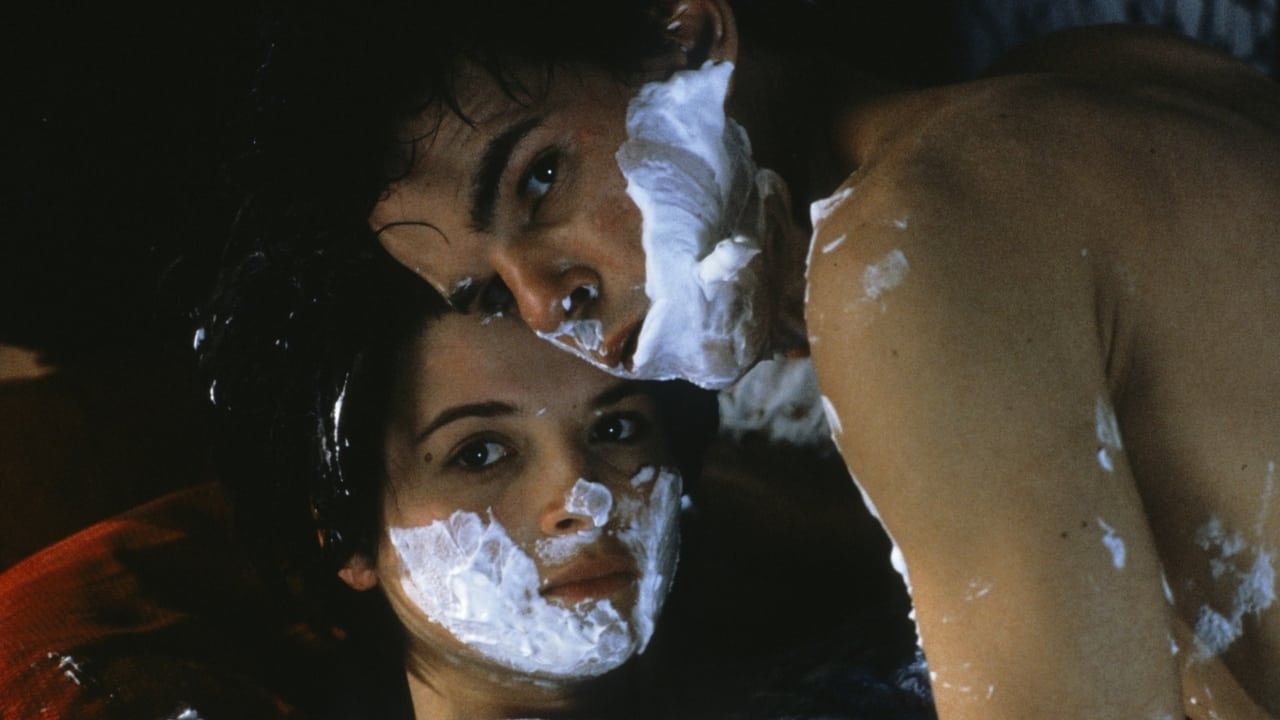
A Paris of Shadows and Longing
Director Leos Carax, barely in his mid-twenties when he unleashed this upon the world, crafts a near-future Paris that feels less like a sci-fi prediction and more like an expressionistic rendering of urban loneliness. The central premise revolves around a mysterious new disease, STBO, transmitted by loveless sex, a thinly veiled but potent allegory for the AIDS epidemic that was casting a long shadow over the mid-80s. Aging gangster Marc (Michel Piccoli, bringing a weary weight honed over decades in French cinema) hires the nimble, restless Alex (Denis Lavant) – son of a recently deceased associate – for one last job: steal the antidote. But Alex, a volatile mix of street poet and acrobat, finds himself falling for Marc's young lover, Anna (Juliette Binoche, captivating in one of her earliest major roles). It's a plot structure borrowed from noir, but Carax filters it through his unique, visually extravagant lens.
The Explosive Heartbeat of Performance
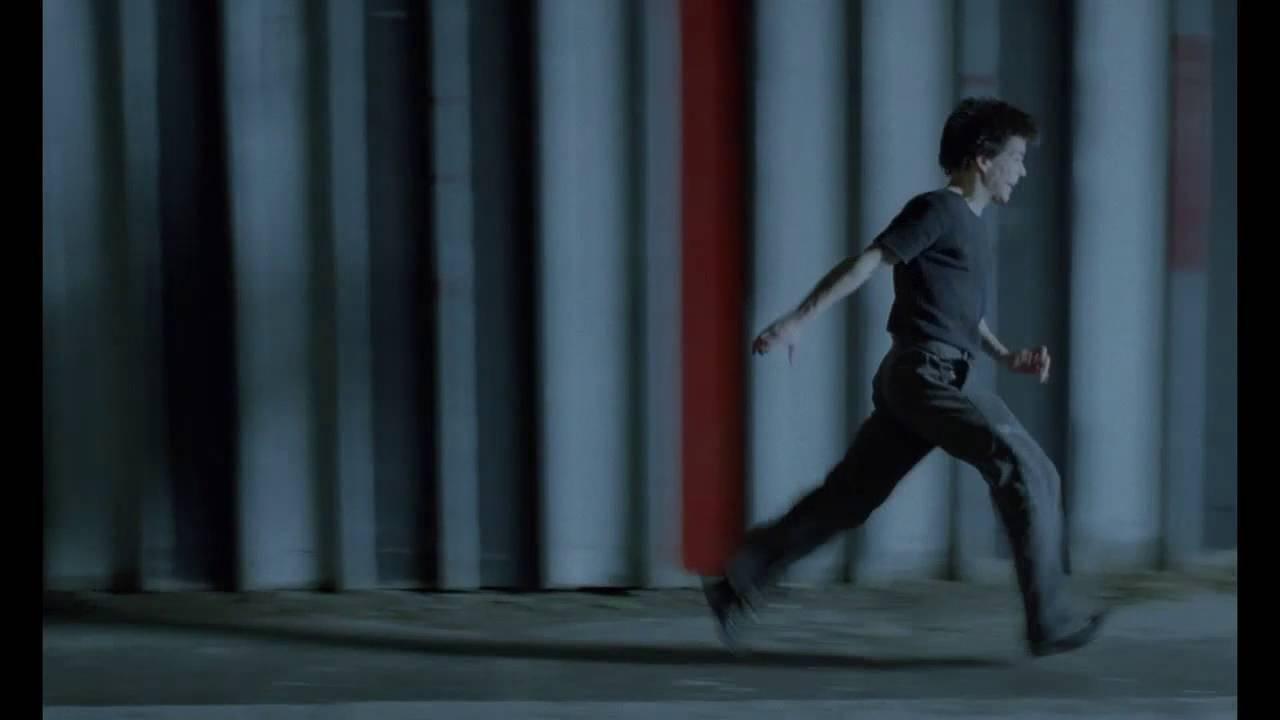
What truly ignites Mauvais Sang is the astonishing central performance by Denis Lavant. Carax's muse, Lavant moves like nobody else in cinema – a whirling dervish of raw emotion and startling physicality. He sprints, cartwheels, contorts, his body seemingly incapable of stillness, channeling Alex's inner turmoil outwards. There's a vulnerability beneath the frenzy, a desperate yearning for connection that makes his predicament deeply felt. Who can forget the film's most iconic sequence? Alex, overwhelmed by emotion, bursts into a run down a nighttime street, propelled by the driving beat of David Bowie's "Modern Love." It’s pure cinematic exhilaration, a moment of transcendent release. It's a scene made all the more potent knowing Lavant’s fierce commitment – rumour has it he even broke ribs during filming, with Carax blasting the Bowie track on set to fuel the explosive energy. That’s dedication you just don’t fake.
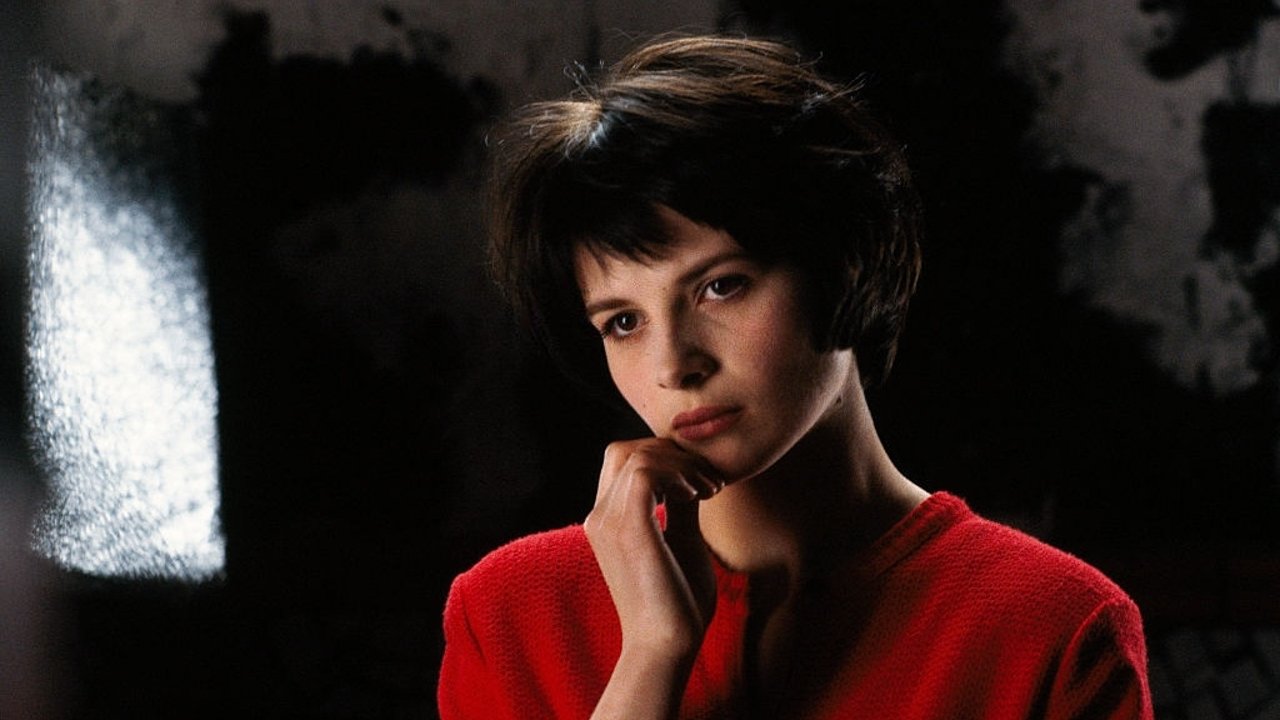
Opposite him, Juliette Binoche is luminous. Before she became the internationally beloved star of films like The Unbearable Lightness of Being (1988) or Three Colours: Blue (1993), she possessed an ethereal quietude here, her expressive face conveying Anna's trapped melancholy. The knowledge that she and Carax were involved romantically off-screen adds a certain frisson to their charged interactions, a layer of real-world intensity bleeding onto the celluloid. And Michel Piccoli, a titan of French film, anchors the piece with his portrayal of Marc, a man grappling with age, obsolescence, and a love he perhaps cannot truly feel.
A Visionary Style Forged in Passion
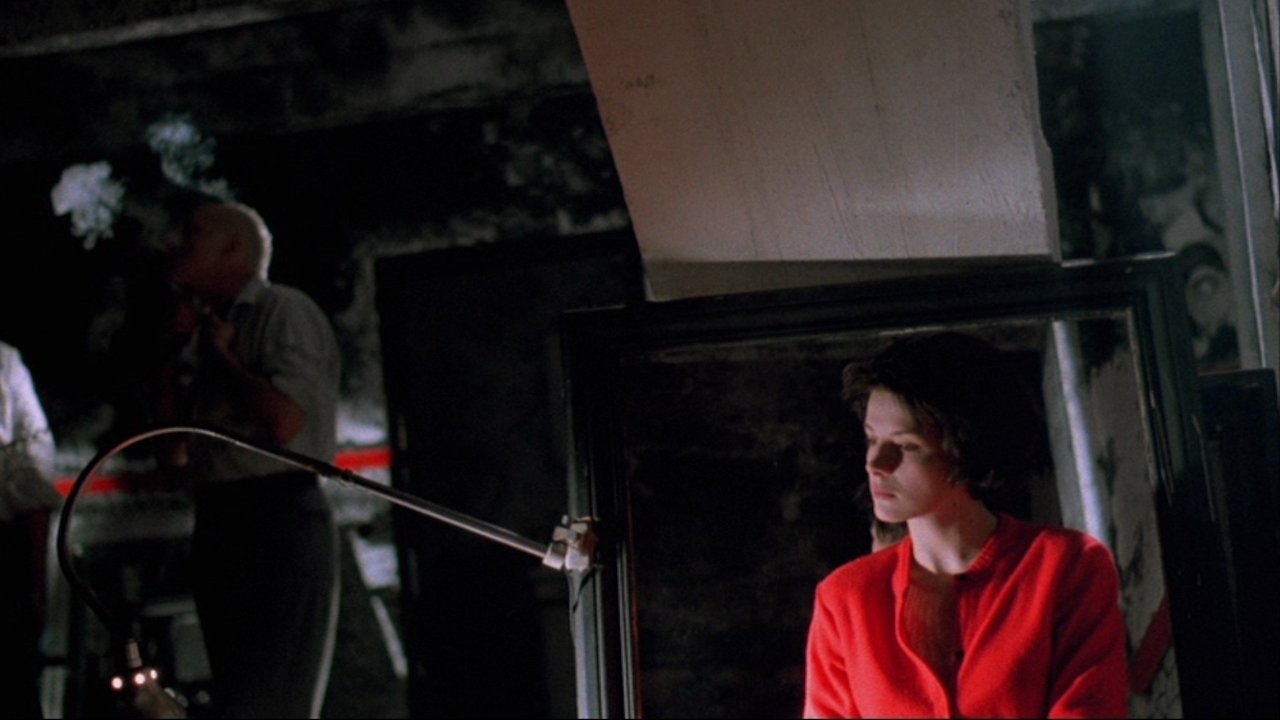
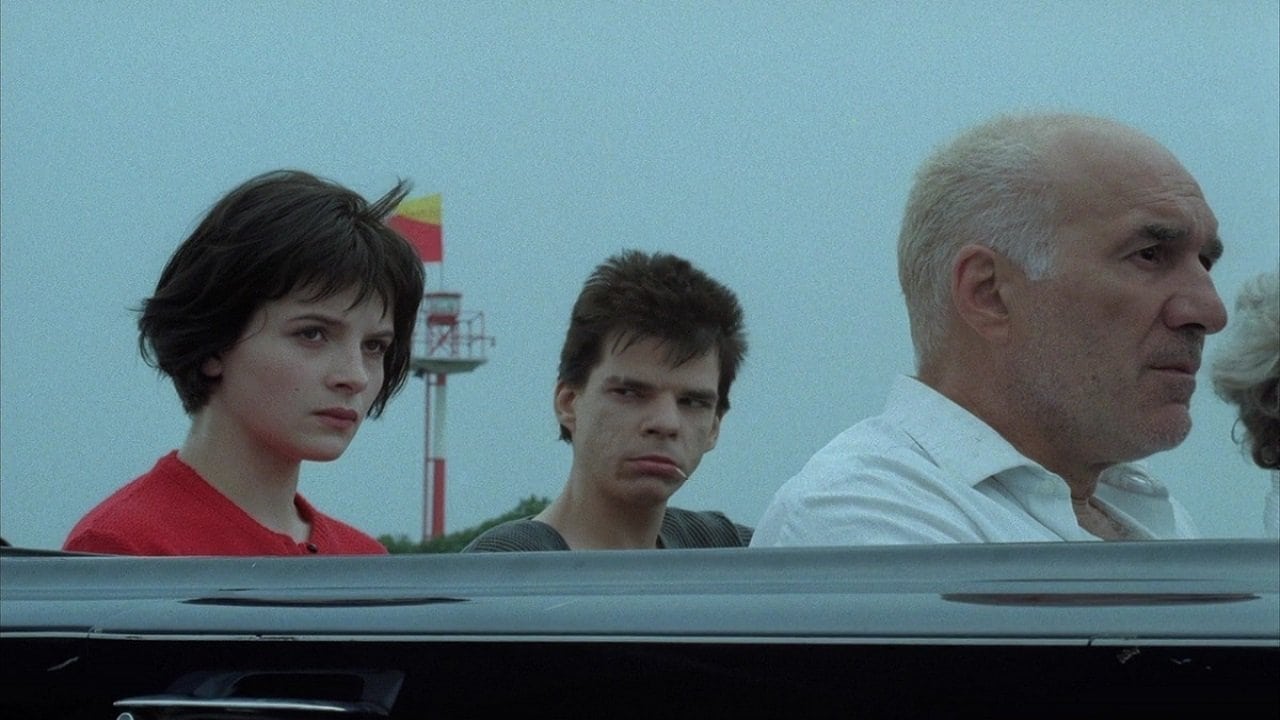
Carax, often associated with the 'cinéma du look' movement alongside Luc Besson and Jean-Jacques Beineix, displays an audacious visual command. He uses bold reds and blues like punctuation marks, crafts compositions reminiscent of silent film masters, and isn't afraid of long, lingering takes that let emotion build. The dialogue is often poetic, philosophical, adding to the heightened reality. The film's title itself, Mauvais Sang ("Bad Blood"), directly references Arthur Rimbaud's A Season in Hell, signaling Carax's ambitious artistic intentions from the outset. This wasn't just a genre exercise; it was cinema grappling with big ideas – life, death, love, betrayal, the ache of existence. The science-fiction elements are minimal, serving the atmosphere rather than driving the plot; the "future" here is primarily one of emotional climate.
An Unforgettable VHS Discovery
Watching Mauvais Sang on a flickering CRT back in the day was an experience. It wasn't comfortable viewing, perhaps, lacking the easy resolutions of mainstream Hollywood fare. It demanded attention, rewarding the viewer with images and feelings that lingered long after the tape rewound with a satisfying clunk. It was proof that the video store shelves held more than just blockbusters; they held challenging, vibrant works of art from around the globe, waiting to be discovered. It stands as a testament to a time when young directors could secure backing for such intensely personal, visually driven projects. Does its blend of genres always perfectly cohere? Perhaps not. Does its youthful intensity sometimes verge on the overwrought? Maybe. But its sheer audacity and undeniable artistry are captivating.
Rating: 8/10
This rating reflects the film's stunning visual inventiveness, Lavant's unforgettable performance, and its potent atmosphere. While its arthouse sensibilities might make it less immediately accessible than some VHS-era staples, its raw power and unique vision earn it high marks. It’s a film that doesn't just tell a story; it slams onto the screen, demanding to be seen and felt.
Mauvais Sang remains a jolt to the system, a reminder of cinema's power to articulate the frantic, messy, beautiful chaos of being young and alive in a world shadowed by forces beyond our control. What lingers most isn't just the plot, but the feeling – that raw, kinetic energy, that poetic desperation, forever captured on magnetic tape.