There's a certain kind of quiet intensity that lingers long after the VCR clicks off, a feeling distinct from the adrenaline rush of an 80s actioner or the broad laughs of a teen comedy. It's the resonance of a story deeply felt, honestly portrayed. Claude Miller's The Little Thief (1988), or La Petite Voleuse as it unwound on those imported tapes some of us sought out, possesses exactly that kind of lingering power. It doesn't shout; it observes, and in its observation of a young life adrift, it finds something profoundly moving and unsettlingly familiar.
The film itself carries the weight of cinematic history, a connection that feels almost palpable as you watch. It began life in the mind of the legendary François Truffaut, envisioned decades earlier as a female counterpart to his iconic Antoine Doinel from The 400 Blows (1959). Truffaut never got to make it, but after his passing, his friend and collaborator Claude Miller (along with co-writers including Claude de Givray and Luc Béraud) took the partial script and notes, respectfully bringing this story of youthful searching and transgression to the screen. Knowing this backstory adds a layer of poignancy; it feels like discovering a lost echo from a master, filtered through the sensitive lens of another skilled filmmaker.
A Portrait in Defiance and Vulnerability
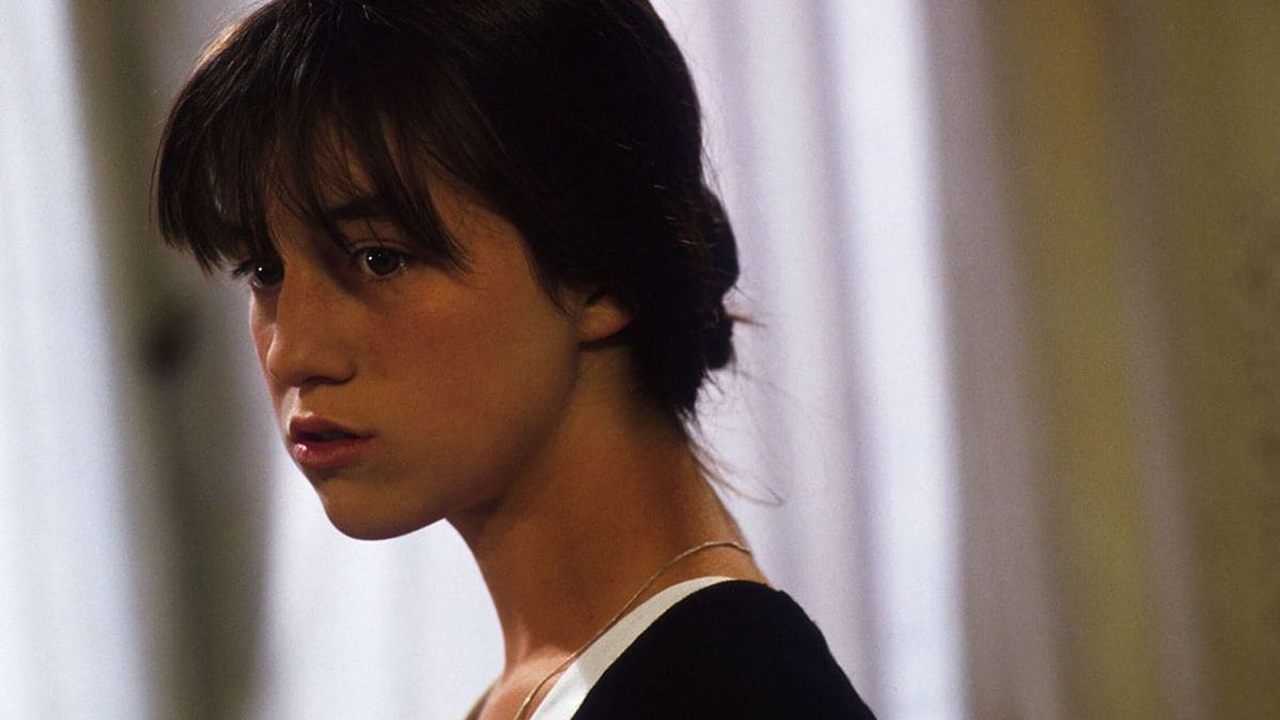
At the heart of The Little Thief is Janine Castang, portrayed by a young Charlotte Gainsbourg in a performance that is nothing short of extraordinary. Set in post-war provincial France, Janine is fifteen, abandoned by her mother, living uneasily with her aunt and uncle, and navigating the treacherous waters of adolescence with a simmering resentment and a desperate need for connection. She acts out not with grand gestures of rebellion, but through petty theft – stealing cigarettes, stockings, a camera. These aren't crimes born of malice, but rather clumsy attempts to grasp at identity, pleasure, or perhaps just something tangible in a world that feels empty and indifferent.
Gainsbourg embodies Janine with a startling lack of vanity or artifice. Her gaze can be defiant one moment, achingly vulnerable the next. She captures the awkward physicality of a teenager testing boundaries, the impulsive decisions driven by loneliness and desire, and the quiet devastation when those impulses lead to harsh consequences. It’s a performance that avoids easy sentimentality; we see Janine's flaws, her frustrating choices, yet Gainsbourg ensures we never lose sight of the wounded spirit beneath the surface. Watching her navigate complex relationships – with the older, married man Michel (Didier Bezace, bringing a weary gravity to the role) or the equally restless Raoul (Simon de La Brosse, tragically lost too young) – feels remarkably truthful. Why does her portrayal resonate so deeply? Perhaps because it taps into that universal adolescent feeling of being misunderstood, of yearning for escape, even when the path chosen leads further into trouble. Gainsbourg deservedly won the César Award for Most Promising Actress for this role, a recognition of a talent already burning bright.
Echoes of Truffaut, Vision of Miller
While the spirit of François Truffaut undeniably permeates the film – the focus on troubled youth, the unsentimental empathy, the backdrop of provincial life – Claude Miller makes The Little Thief his own. Miller, known for psychological depth in films like Garde à Vue (1981), brings a meticulous eye to Janine’s world. The drabness of post-war France isn't just scenery; it's a palpable weight, reflecting the limited options and stifling atmosphere Janine rails against. The direction is observant rather than judgmental, allowing moments to breathe and letting Janine’s actions speak for themselves.
There's a quiet beauty in the film's construction, a deliberate pacing that mirrors Janine's own meandering journey. It avoids the quick cuts and soaring scores common in many mainstream films of the late 80s, opting instead for a more classical, considered approach. This might have made it feel like an outlier on the video store shelf back then, nestled between explosive action flicks and glossy Hollywood dramas. I remember renting it, perhaps drawn by the promise of French cinema or Gainsbourg's intriguing presence, and finding myself completely absorbed by its different rhythm, its understated emotional power.
Retro Fun Facts: From Script to Screen
The journey of The Little Thief from Truffaut's initial concept to Miller's finished film is a fascinating piece of cinema history. Truffaut had apparently sketched out the idea around the time of The 400 Blows, intending it as a companion piece exploring female delinquency. Decades later, after Truffaut’s death in 1984, Miller was entrusted with the material. It wasn't a complete screenplay, requiring significant work from Miller and his team to flesh out the narrative while staying true to Truffaut's themes and tone. This collaborative effort resulted in a film that feels both like a tribute and a distinct work in its own right. It's a testament to Miller's respect for his mentor and his own directorial skill that the transition feels so seamless on screen.
Finding Connection in Isolation
What stays with you after watching The Little Thief? For me, it’s the raw honesty of Janine's search. She steals objects, yes, but what she truly seems to be seeking is affection, stability, a sense of belonging. Her journey is marked by mistakes and moments of painful self-awareness. The film doesn’t offer easy answers or a neat resolution. Doesn't her struggle to find her place, her acts of defiance against circumstances she can't control, resonate with the challenges young people often face, regardless of the era? It forces us to consider the paths not taken, the consequences of impulsive choices born from deep-seated loneliness.
The Little Thief isn't always an easy watch; its realism carries a melancholic weight. But it’s a profoundly human film, anchored by a central performance that feels utterly authentic. It’s a reminder that sometimes the quietest stories leave the deepest impressions.
Rating: 8.5/10
This score reflects the film's undeniable strengths: Charlotte Gainsbourg's stunningly truthful performance, Claude Miller's sensitive direction, the poignant connection to François Truffaut, and the film's unflinching yet empathetic portrayal of troubled youth. It avoids easy sentimentality, offering instead a complex, resonant character study. While its deliberate pacing might not appeal to everyone accustomed to faster narratives, its emotional depth and artistry make it a standout piece of late 80s European cinema.
It remains a quiet gem, a film that understands the ache of wanting more from life and the often-fumbling ways we try to get it. A truly worthwhile discovery, whether you're revisiting it or finding it for the first time.