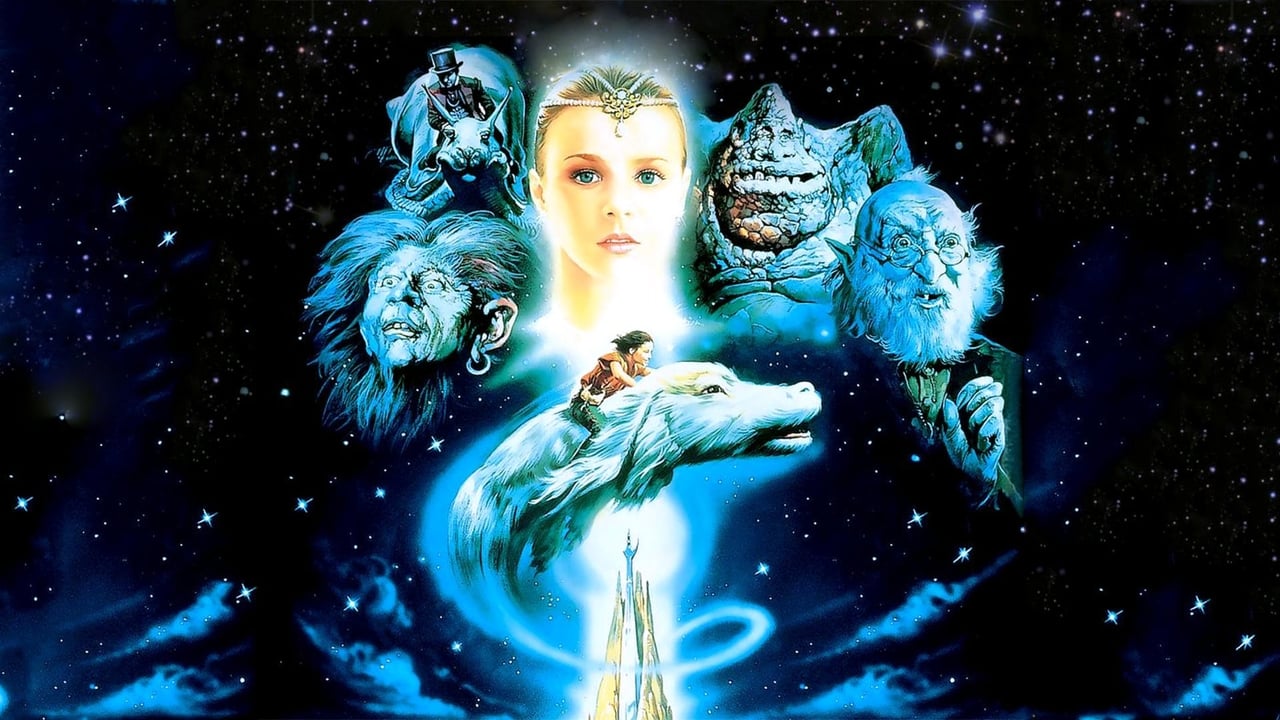
Forget pixel-perfect dragons rendered on sterile green screens for a moment. Let your mind drift back to a time when fantasy worlds felt tangibly real, conjured from colossal puppets, intricate matte paintings, and sheer, unadulterated imagination. Wolfgang Petersen’s 1984 adaptation of Michael Ende's beloved novel, The NeverEnding Story, might have famously drawn the author's profound disapproval (he even sued, unsuccessfully, to have his name removed!), but for countless kids huddled around their buzzing CRT TVs, clutching worn VHS tapes, it wasn’t just a film – it was an invitation. An invitation into a world desperately needing a hero, found not on the battlefield, but hidden in the dusty pages of a mysterious book.
### The Attic Sanctuary
Our entry point isn't a brave warrior, but young Bastian Balthazar Bux, portrayed with soulful vulnerability by Barret Oliver (whom many of us also remember from films like D.A.R.Y.L.). Bullied, grieving the loss of his mother, and disconnected from his well-meaning but distant father, Bastian finds refuge – literally – in his school’s dimly lit, slightly spooky attic. It’s here he cracks open the stolen book, The NeverEnding Story, its ornate Auryn symbol gleaming on the cover. As the rain patters outside, Bastian reads, and we, the audience, read along with him. This framing device was pure genius; it made the unfolding spectacle deeply personal. We weren't just watching Atreyu's quest; we were experiencing it through Bastian, feeling his gasps of wonder, his moments of fear, his dawning realization that this story was somehow… real. How many of us, as kids, didn't dream of finding a book that could pull us into its very pages?
### Fantasia's Fading Wonders
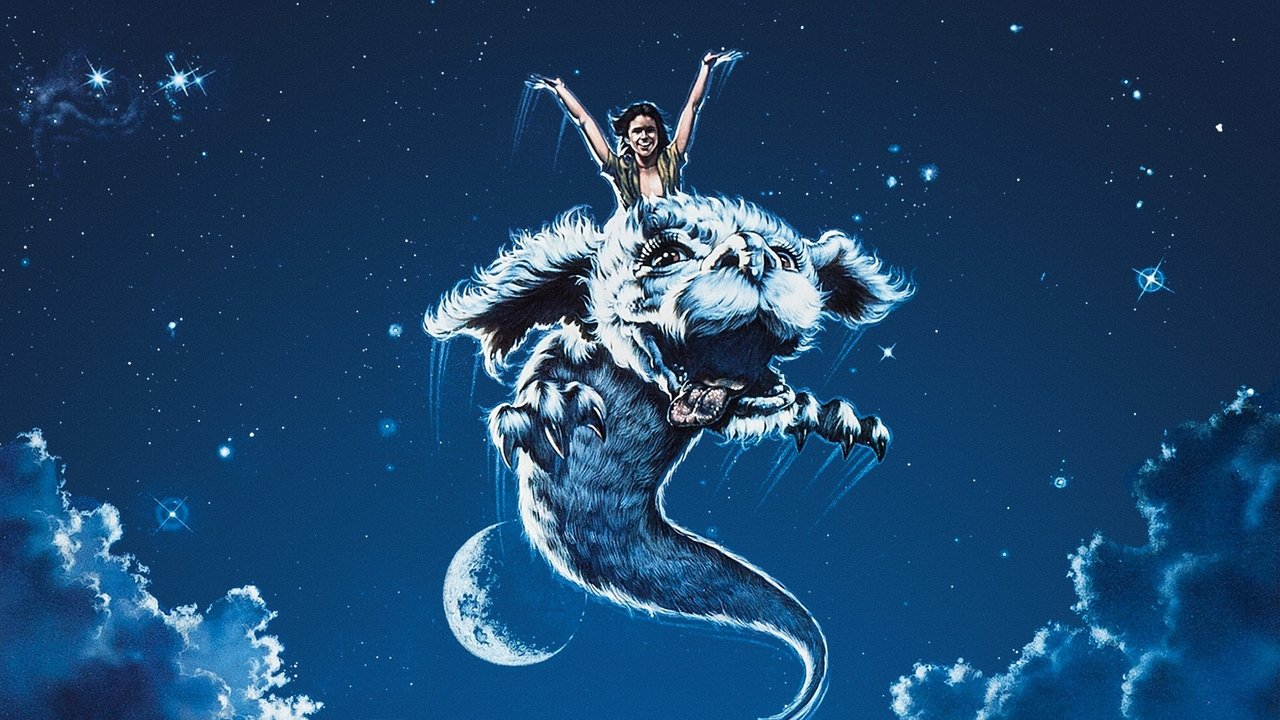
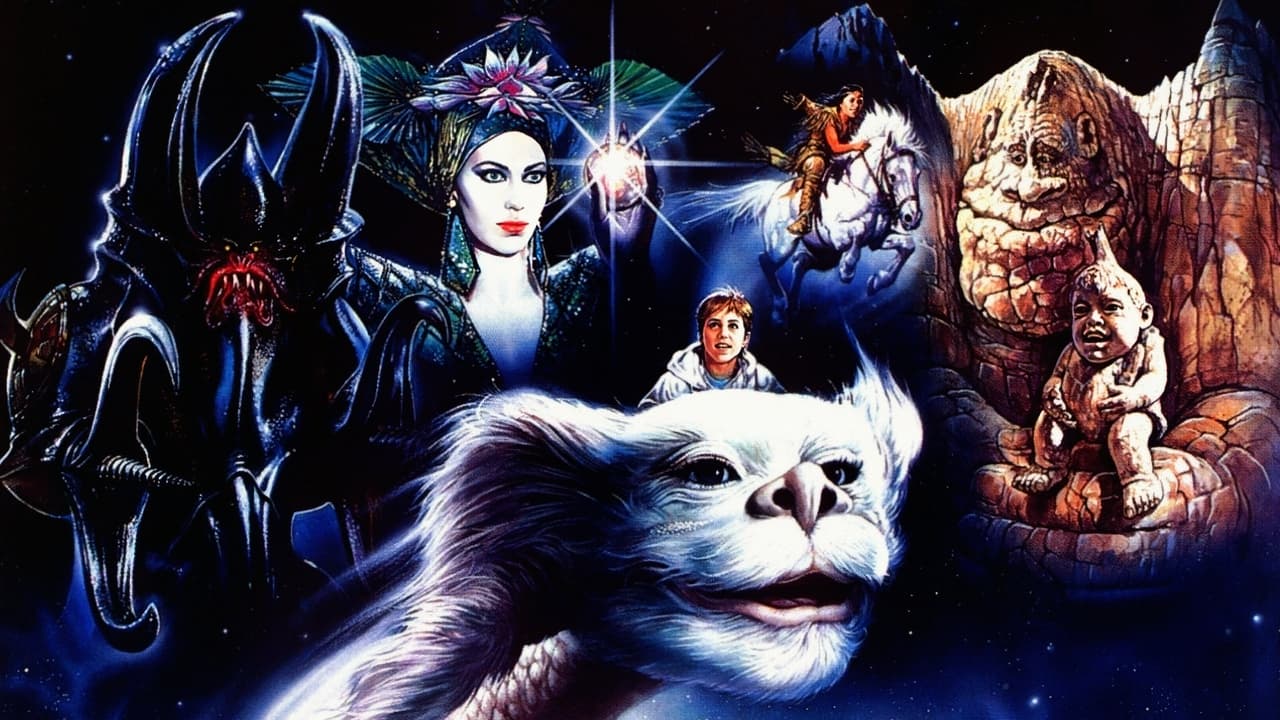
And what pages they were! The world of Fantasia (or Fantastica, depending on your translation preference) remains a high watermark for practical fantasy filmmaking. German director Wolfgang Petersen, who would later helm Hollywood blockbusters like Das Boot (1981) and Air Force One (1997), marshalled significant resources for this ambitious project. With a budget of around $27 million – a staggering sum for a German production at the time, roughly equivalent to over $75 million today – Fantasia felt vast and wonderfully weird. Who could forget the first reveal of the lumbering, melancholic Rockbiter, munching sadly on limestone? Or the unsettling creepiness of the Racing Snail?
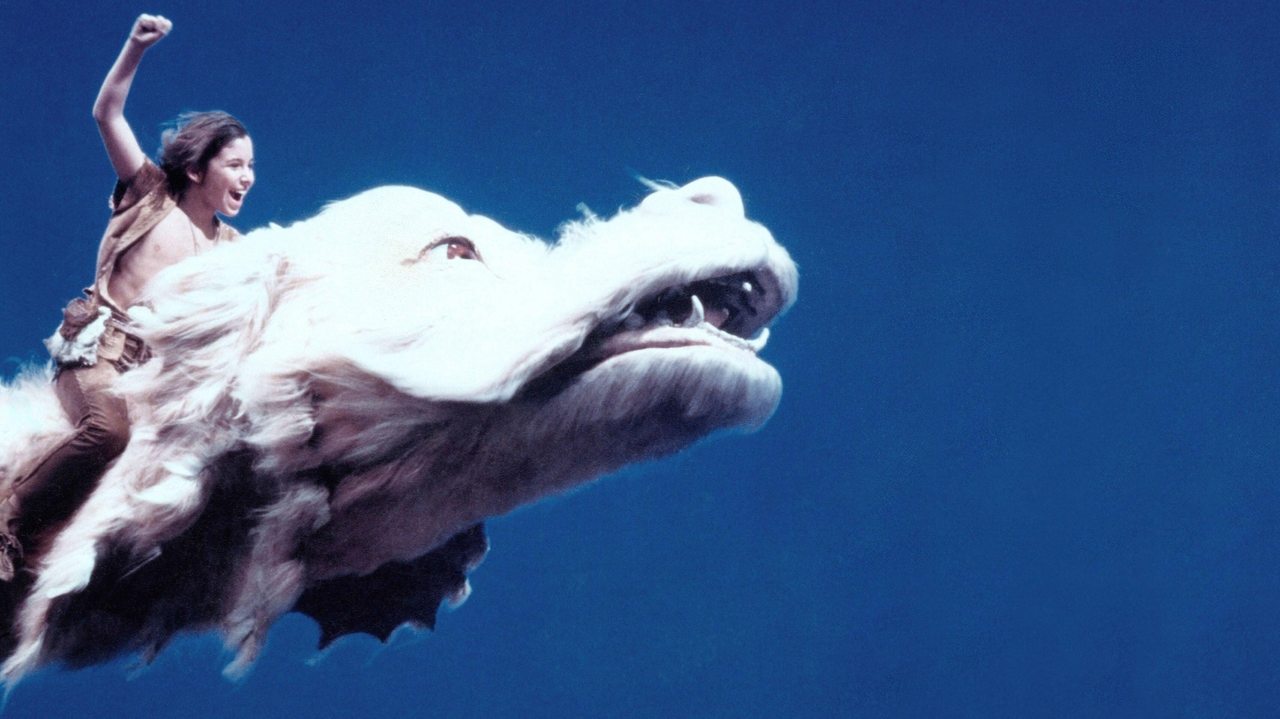
Then there's Falkor. Oh, Falkor! The majestic luckdragon, less fearsome beast and more oversized, furry golden retriever of the skies, became an instant icon. Bringing him to life was a feat of engineering – the main Falkor prop was reportedly over 43 feet long, requiring a team of puppeteers to operate its intricate movements and expressions. Sure, maybe the bluescreen effects around him look a bit fuzzy now, but back then? Pure magic. Seeing Atreyu soar through the clouds on Falkor’s back tapped into a primal childhood fantasy of flight and companionship.
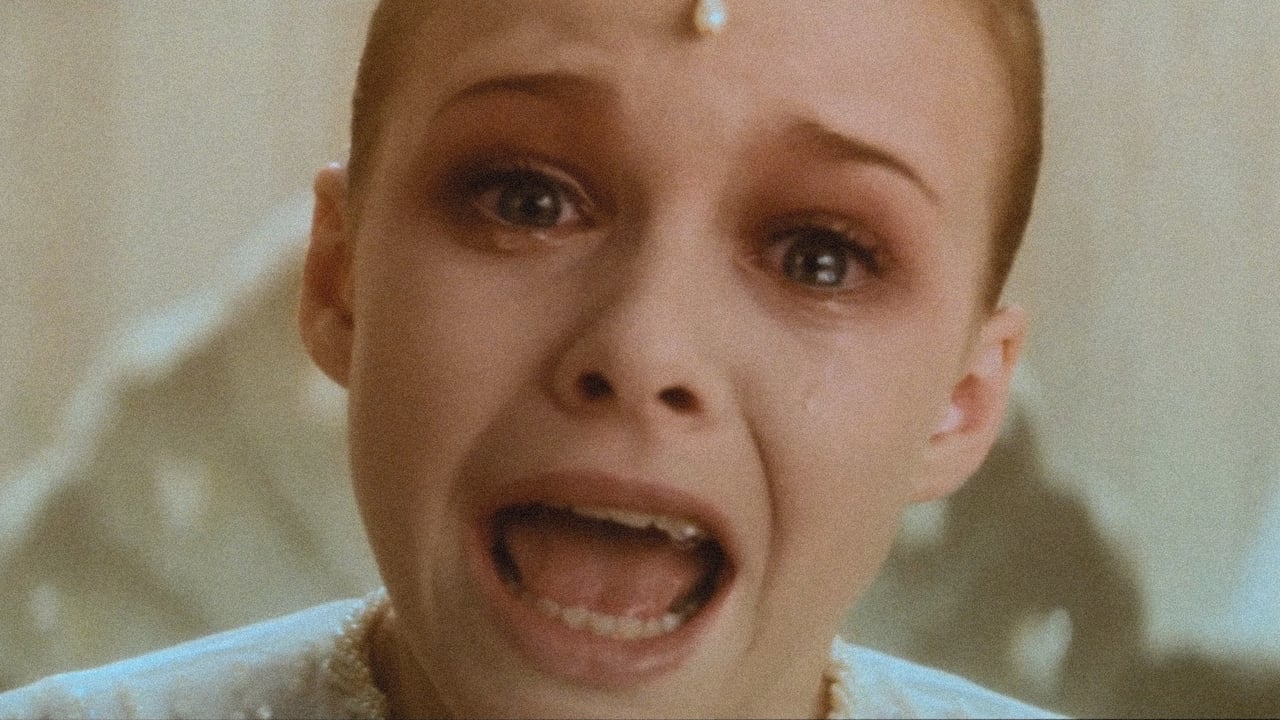
The young hero Atreyu, played with stoic determination by Noah Hathaway, embarks on a perilous quest to save Fantasia and its ailing ruler, the Childlike Empress (Tami Stronach, in her only major film role, radiating an otherworldly innocence), from a terrifying encroaching force known only as "The Nothing." Hathaway endured a fair bit for the role; anecdotes abound of him being thrown from his horse and having a near-miss during the infamous Swamp of Sadness sequence. That scene, where Atreyu loses his beloved horse Artax to the crushing despair, remains genuinely heartbreaking – a surprisingly heavy moment that resonates deeply even today. It’s a testament to the film’s willingness to embrace darkness alongside its wonder.
### More Than Just a Story
While often remembered for its fantastical creatures and settings, The NeverEnding Story carries surprising thematic weight. The Nothing isn't just a generic evil force; it represents hopelessness, apathy, the death of dreams and imagination. It’s the void left when people stop believing in stories. This resonates powerfully with Bastian’s own struggles. The film subtly suggests that the real world's encroaching cynicism and sadness are what fuel Fantasia's destruction. It’s a remarkably poignant message wrapped in an epic fantasy adventure, exploring grief and the power of narrative in a way few family films dared.
Let's not forget the music! Giorgio Moroder and Klaus Doldinger's score is quintessential 80s fantasy, perfectly balancing epic swells with moments of ethereal beauty. And then there's that theme song by Limahl. Admit it, you can hear it now, can't you? It became a massive hit across Europe and remains indelibly linked to the film, instantly transporting anyone who grew up in that era back to Fantasia. Interestingly, this theme song was primarily used in the US and international cut; the original German release featured a different track.
### A Journey Worth Retaking
Despite author Michael Ende's objections (he felt the adaptation trivialized his work, focusing only on the first half of the novel and altering key themes), Wolfgang Petersen and co-writer Herman Weigel crafted something truly special. The NeverEnding Story became a significant international success, grossing around $100 million worldwide and cementing its place as a cult classic. While the inevitable sequel, The NeverEnding Story II: The Next Chapter (1990), failed to recapture the magic, the original remains a touchstone for 80s fantasy cinema.
Yes, some effects show their age, and the pacing might feel different to modern eyes accustomed to rapid-fire editing. But the heart, the imagination, and the sheer wonder of this film endure. It speaks to the part of us that still believes in the power of stories, the part that wishes we could shout a name into the storm and save a world. It understood that sometimes, the greatest adventures are the ones we find between the covers of a book, or flickering on a screen in a darkened room.
Rating: 9/10
This score reflects the film's incredible ambition, its groundbreaking practical effects for the era, its emotional depth, and its enduring legacy as a portal to pure imagination. It’s not perfect, but its power to transport and inspire remains undeniable, easily overcoming any minor dated elements. For capturing the magic of storytelling itself, it’s a near-masterpiece of 80s fantasy.