It starts not with a whisper, but with a crash. A knight on horseback, galloping full tilt, bursts not through castle gates, but straight through young Kevin's bedroom wardrobe. Forget Narnia; this is something altogether more chaotic, more grubby, and infinitely more surprising. This sudden, impossible intrusion perfectly captures the spirit of Terry Gilliam's 1981 phantasmagorical adventure, Time Bandits – a film that felt less like a carefully constructed fantasy and more like a fever dream smuggled onto VHS tape. Watching it as a kid (likely on a slightly fuzzy CRT screen after a trip to the local video store) was an experience – bewildering, thrilling, and maybe just a little bit scary.

A Child's Eye View of Anarchy
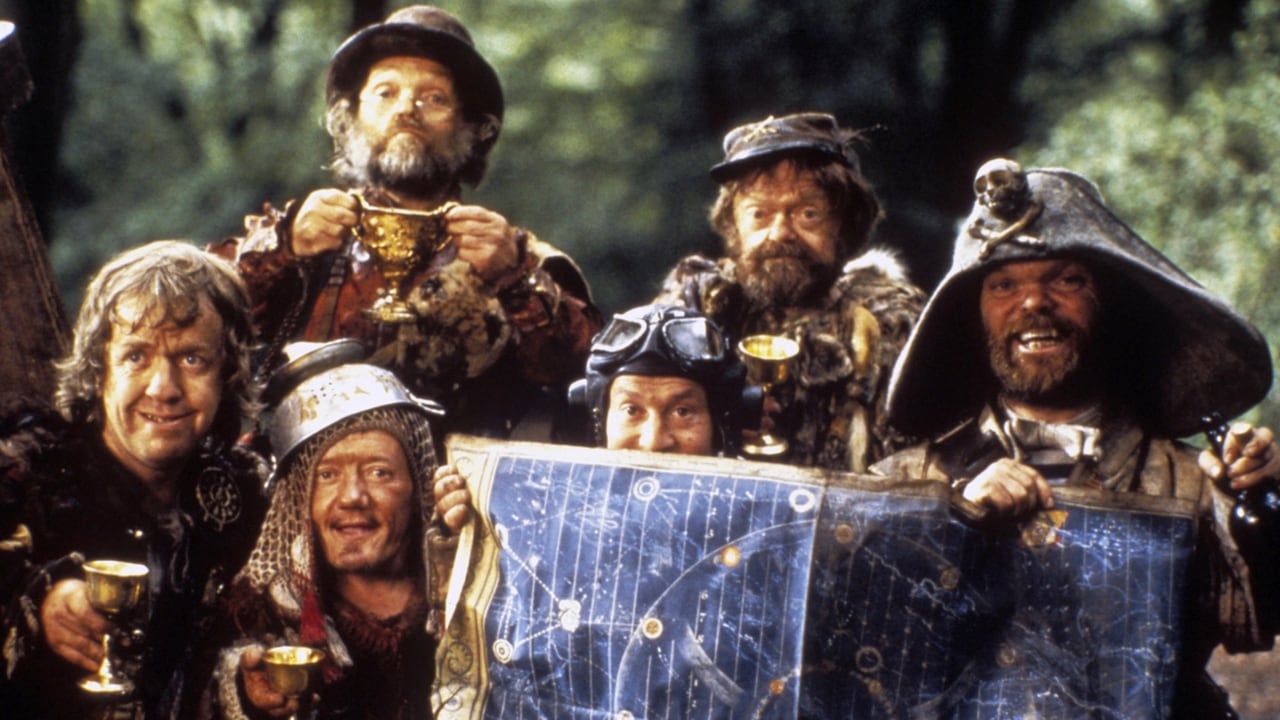
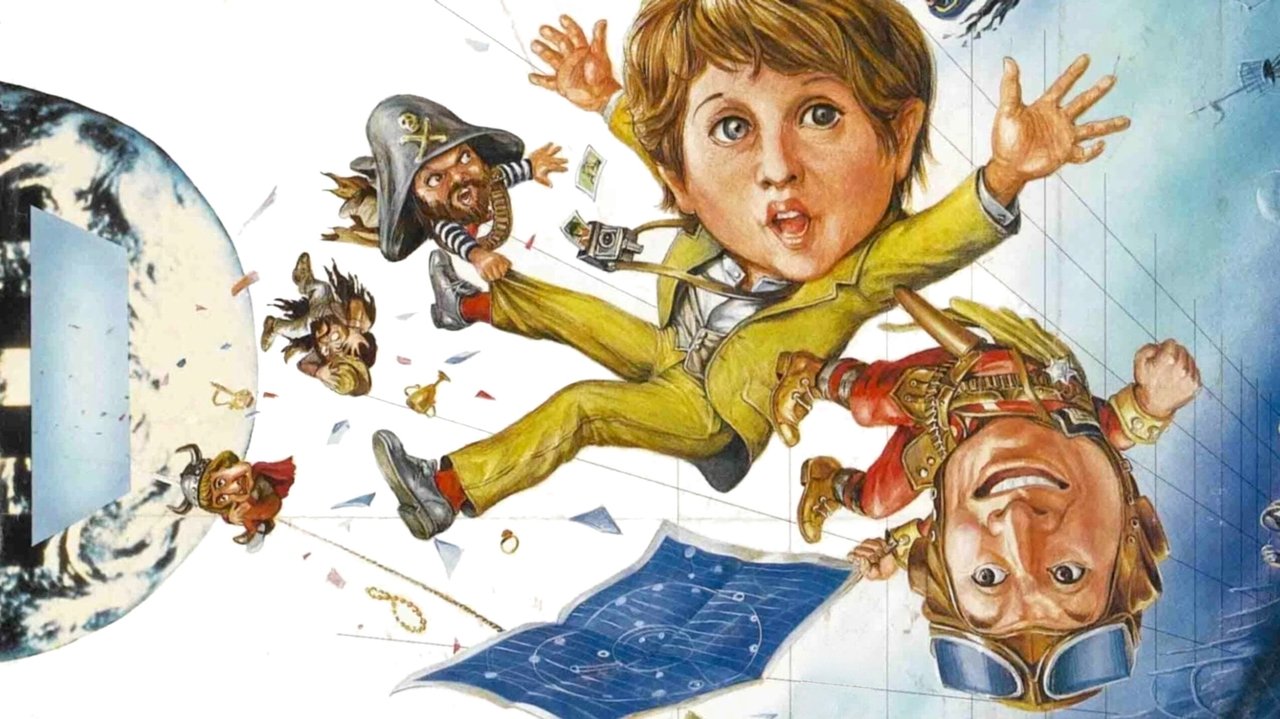
At its heart, Time Bandits is the story of Kevin (Craig Warnock), an eleven-year-old history buff largely ignored by his technology-obsessed, consumerist parents (David Daker and Sheila Fearn). His ordinary, plastic-wrapped life is spectacularly interrupted by the arrival of six dwarves – Randall (David Rappaport, brilliant as the self-appointed leader), Fidgit (Kenny Baker, yes, that Kenny Baker from Star Wars), Wally (Jack Purvis), Og (Mike Edmonds), Strutter (Malcolm Dixon), and Vermin (Tiny Ross). These aren't your garden-variety fairytale folk; they're disgruntled former employees of the Supreme Being (Ralph Richardson), armed with a stolen map charting holes in the fabric of spacetime, on the run and looking to get rich quick by looting history's treasures.
What follows is a gloriously episodic journey through time, viewed entirely from Kevin’s bewildered perspective. We tumble headlong into Napoleon's court (a hilariously height-obsessed Ian Holm, fresh off Alien), blunder through Sherwood Forest encountering a smarmily upper-class Robin Hood (John Cleese, naturally, delivering lines only he could), sail on the Titanic, and land in ancient Mycenae to meet the legendary King Agamemnon. It’s here the film finds unexpected warmth, largely thanks to Sean Connery’s portrayal of Agamemnon as a noble, fatherly figure who sees something special in Kevin. Fun fact: Connery took the role partly because the script described his entrance as "The warrior took off his helmet, revealing himself to be Sean Connery, or an actor of equal significance." Amused, he signed on, and Gilliam actually expanded the part for him. It’s a casting choice that grounds the film’s wilder flights of fancy.

Gilliam's Glorious Grit
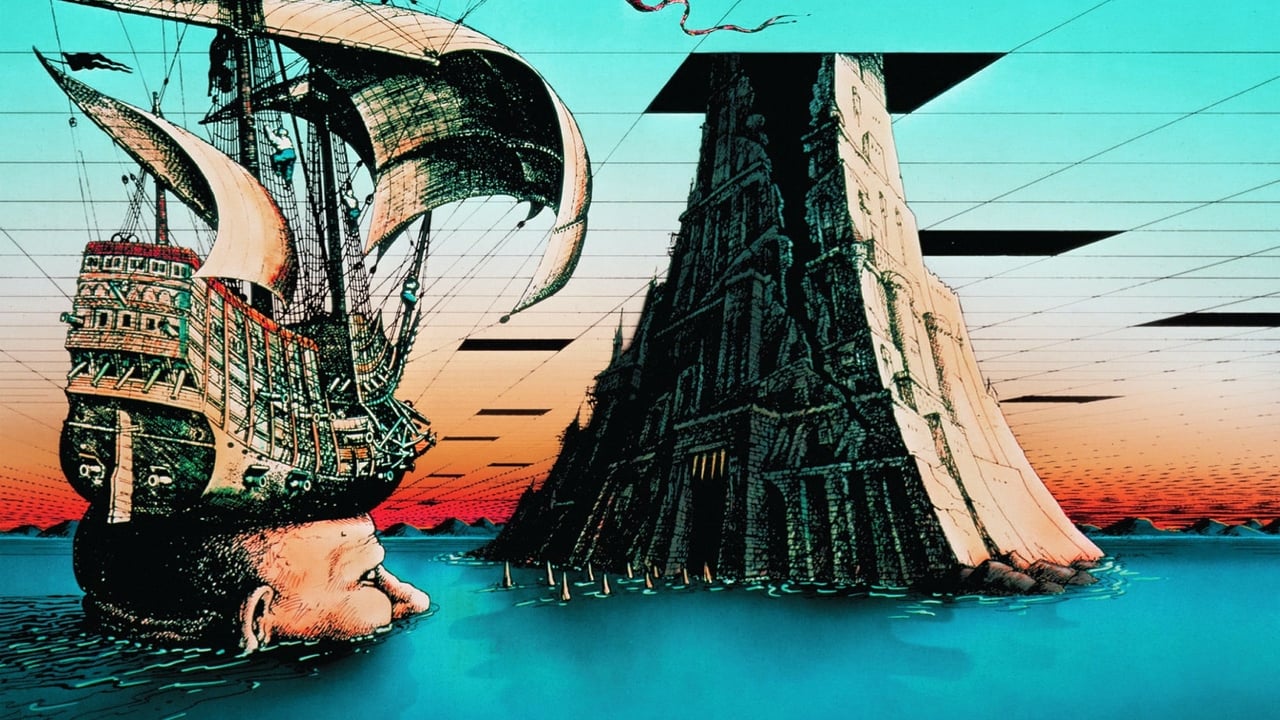
This isn't the polished, sanitized fantasy some might expect from the era. This is pure, uncut Terry Gilliam, co-written with fellow Python Michael Palin (who also cameos). It carries that distinctive blend of intricate, sometimes grimy production design, dark humor, and a suspicion of authority that defines his work, pre-dating even his dystopian masterpiece Brazil (1985). The visuals feel handmade, cobbled together with ingenuity born from necessity. Produced by George Harrison’s HandMade Films on a relatively modest budget of around $5 million, Time Bandits relied heavily on practical effects, miniatures, and forced perspective – techniques that give it a tangible, almost storybook quality totally distinct from today’s CGI landscapes. Remember the lumbering giant? Or the unsettling cages lowered by the Supreme Being? These effects felt real precisely because they weren't perfectly smooth; they had weight and texture.
The film doesn't shy away from darkness, either. The pursuit by the ultimate Evil Genius (David Warner, deliciously malevolent) is genuinely menacing, and the stakes feel surprisingly high. There's a casual cruelty running beneath the surface – characters meet abrupt ends, greed often goes unrewarded, and the universe feels capricious, even random. This blend of childlike wonder and unsettling danger is precisely what makes Time Bandits stick in the memory. It respected that kids could handle complexity and wasn’t afraid to leave some questions unanswered, particularly with its famously ambiguous ending – a bold move that studio executives reportedly weren’t thrilled about.
Retro Fun Facts & Lasting Appeal
Time Bandits became a surprise hit, grossing over $42 million in the US alone, proving there was an audience for Gilliam's unique brand of imaginative chaos. George Harrison himself contributed the wonderfully quirky end credits song, "Dream Away." Gilliam specifically sought out actors of short stature for the lead roles, wanting authenticity rather than employing visual tricks. The result is a fantastic ensemble, led by the charismatic David Rappaport, who perfectly embodies Randall's mix of bravado and desperation. It's also worth noting Shelley Duvall's appearance as the lovelorn Pansy – her ethereal quality fits right into Gilliam's strange world.
Decades later, Time Bandits remains a singular piece of fantasy filmmaking. It's a testament to the power of unrestrained imagination, a celebration of the weird, and a reminder that adventure can burst through your wardrobe door when you least expect it. It’s funny, frightening, inventive, and utterly unique – a true cult classic that earned its place on rental shelves and in the hearts of anyone who ever dreamed of escaping the mundane for something truly extraordinary.
Rating: 9/10
This near-perfect score reflects the film's breathtaking originality, its seamless blend of sharp comedy and dark fantasy, stellar performances (especially Connery and Rappaport), and Terry Gilliam's visionary direction triumphing over budget limitations. It’s a masterclass in practical effects and imaginative storytelling that dared to be different. It only just misses a perfect 10 due to a slightly episodic structure that might leave some wanting more connective tissue, but its sheer imaginative force is undeniable.
Time Bandits wasn't just a movie; it was proof that the universe held more wonder, danger, and sheer weirdness than any sensible adult would have you believe – a precious map to keep tucked away in your memory.