Ah, the transportive power of a well-worn VHS tape! Sometimes, popping one into the VCR wasn't just about watching a movie; it felt like uncovering a slightly forgotten treasure, especially when it wasn't the usual Hollywood fare. Flickering onto the CRT screen might be something like The Cave of the Golden Rose (1991), an enchanting, sprawling Italian fantasy that felt less like a slick blockbuster and more like stepping directly into the pages of a cherished, slightly dusty fairy tale book. Its visuals, often painterly and dreamlike, immediately signaled something different, something earnest and grandly European in its scope.
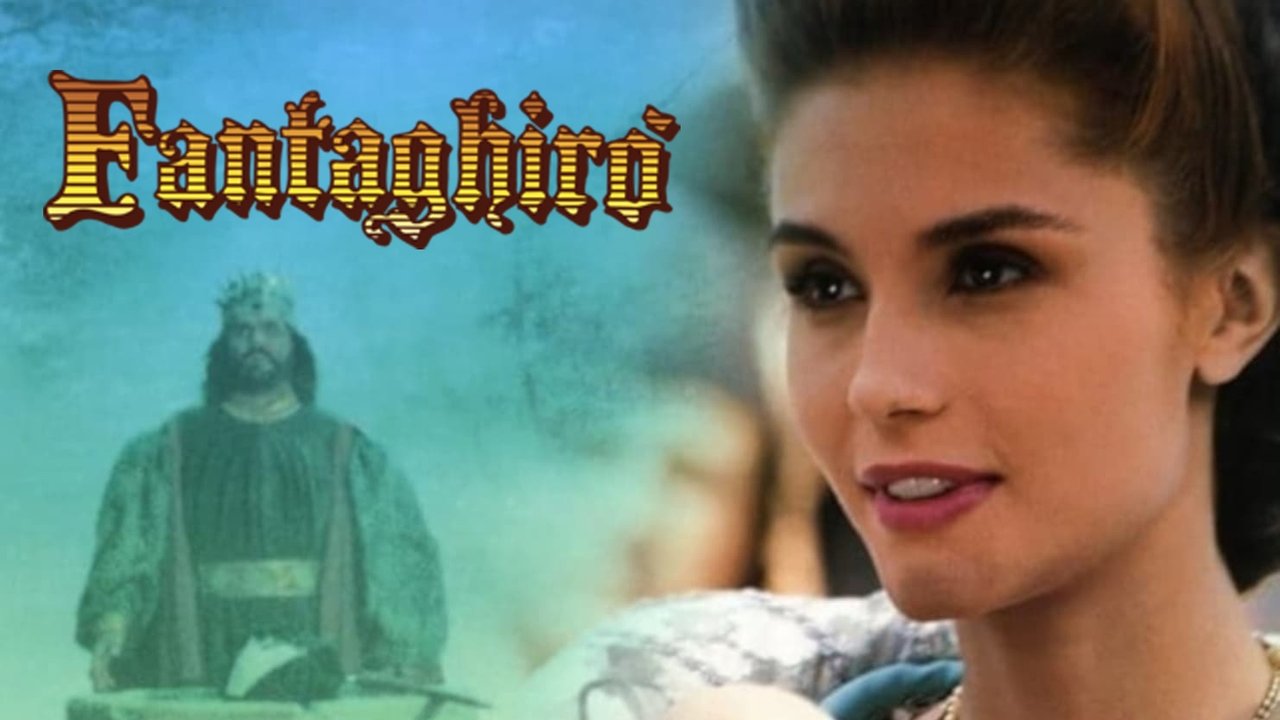
For many of us discovering it tucked away on rental shelves, perhaps unaware of its origins, The Cave of the Golden Rose (originally the first part of the beloved Italian TV miniseries Fantaghirò) was a revelation. Directed by Lamberto Bava – yes, son of the legendary horror maestro Mario Bava, though Lamberto carved his own niche, often dabbling in darker fantasy like Demons (1985) before this – the film plunges us into a world brimming with warring kingdoms, chivalrous knights, wicked witches, and determined princesses who refuse to fit the mold.
A Princess Unlike Any Other
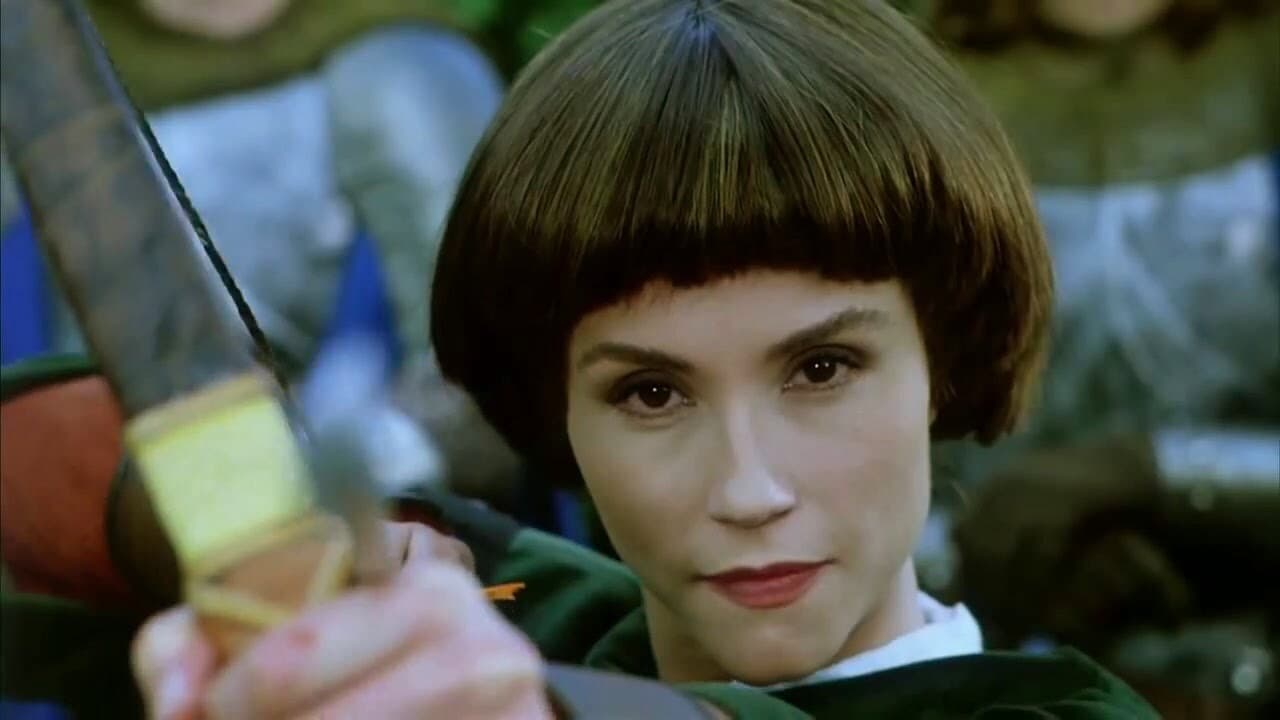
At the heart of this medieval tapestry is Princess Fantaghirò, brought to life with captivating fire by Alessandra Martines. Forget damsels in distress; Fantaghirò is introduced as a rebellious, sword-wielding force of nature, defying her father, the King (Mario Adorf, wonderfully blustery and ultimately affectionate), and the kingdom's expectations at every turn. Martines, a former ballet dancer, imbued Fantaghirò with a unique blend of grace and fierce resolve. You absolutely believed she could outwit knights and charm talking pebbles. Her journey from defiant daughter to disguised warrior and reluctant romantic lead forms the compelling core of the story. She was the kind of heroine many kids, boys and girls alike, secretly wished they could be – brave, clever, and forging her own path.
The plot, penned by Gianni Romoli and Francesca Melandri based on an Italian folktale by Italo Calvino, weaves a classic narrative: Fantaghirò's kingdom is locked in an endless, pointless war with the neighbouring realm, ruled by the noble Prince Romualdo (Kim Rossi Stuart, embodying pure 90s fantasy heartthrob energy). To end the conflict, a champion must be chosen through combat. Naturally, Fantaghirò, disguised as a male knight, finds herself drawn into the fray, complicated immensely by burgeoning, confusing feelings for her sworn enemy, Romualdo. It’s a tale filled with talking animals, enchanted forests, ominous prophecies, and the looming threat of the White Witch (Ángela Molina, in later installments).
Handcrafted Magic and European Charm
What truly sets The Cave of the Golden Rose apart is its atmosphere. Filmed largely in stunning castles and landscapes across the former Czechoslovakia (now the Czech Republic and Slovakia), the production boasts a sense of tangible history and scale that CGI-heavy fantasies often lack. There’s a handcrafted feel to the magic – the practical effects, the slightly theatrical costumes, the earnest performances. Sure, looking back, some elements might seem dated, perhaps even a little quaint. The dubbing on many international VHS releases could be famously awkward, adding an unintentional layer of charm for some. But it’s precisely this lack of polished slickness that contributes to its enduring appeal. It feels real in a way meticulously rendered digital worlds sometimes don't.

Lamberto Bava, despite his horror lineage, directs with a focus on romance and adventure, capturing the sweeping vistas and intimate character moments with equal care. While perhaps not inheriting his father's revolutionary visual genius, he demonstrates a clear love for the genre and creates a consistent, immersive world. A huge part of this atmosphere is the unforgettable score by Amedeo Minghi. Its soaring, romantic themes are instantly recognizable to anyone who watched the series and perfectly underscore the epic emotions at play. I bet humming the main theme right now unlocks a core memory for some readers!
Retro Fun Facts: The Fantaghirò series was a massive television event in Italy and across Europe, spawning multiple sequels throughout the 90s. Its success cemented Alessandra Martines as a star on the continent. The relatively modest budget (compared to Hollywood epics) necessitated creative problem-solving, leaning into those gorgeous real-world locations and practical, sometimes endearingly low-tech, effects. The decision to condense the miniseries into feature-length films for international markets, like the version many of us rented as The Cave of the Golden Rose, sometimes led to slightly abrupt pacing but made this magical world accessible beyond Italian television screens.
Why It Still Holds a Place in Our Hearts
Watching The Cave of the Golden Rose today is like revisiting a beloved childhood dream. It’s undeniably a product of its time – the hairstyles, the earnest dialogue, the particular flavour of early 90s fantasy – but its heart shines through brightly. It represents a type of fantasy storytelling that feels increasingly rare: unashamedly romantic, deeply sincere, and focused on character and emotion over spectacle (though it certainly has its share of the latter). It doesn't shy away from darker themes occasionally, but its core is pure fairy tale optimism. It captured imaginations because it felt both epic and intimate, a grand adventure led by a princess who felt refreshingly modern in her refusal to conform.
VHS Heaven Rating: 8/10
This rating reflects the film's immense charm, unforgettable heroine, beautiful score, and the sheer nostalgic power it holds. While hampered slightly by occasionally dated effects, sometimes uneven pacing (a result of its miniseries origins), and the quirks of international dubbing, its strengths far outweigh its weaknesses. It delivers a genuinely enchanting fairy tale adventure with a strong, inspiring female lead and a captivating atmosphere.
For anyone yearning for a dose of pure, earnest 90s fantasy, revisiting The Cave of the Golden Rose is like finding that magical portal back to a time when kingdoms clashed, witches schemed, and princesses saved the day on their own terms. It remains a golden entry in the grand library of VHS adventures.