It wasn’t quite like anything else flickering on the family television back in the early 80s. Amidst the brighter, often simpler animated features of the time, The Secret of NIMH landed in 1982 like a beautiful, shadowy storybook come to life. There was a depth, a sense of genuine peril, and an artistic richness that felt distinct, almost grown-up, even when viewed through young eyes. It was the kind of film that didn’t talk down to its audience, weaving a tale of courage, intelligence, and sacrifice that stuck with you long after the VCR clicked off.
A Different Kind of Magic
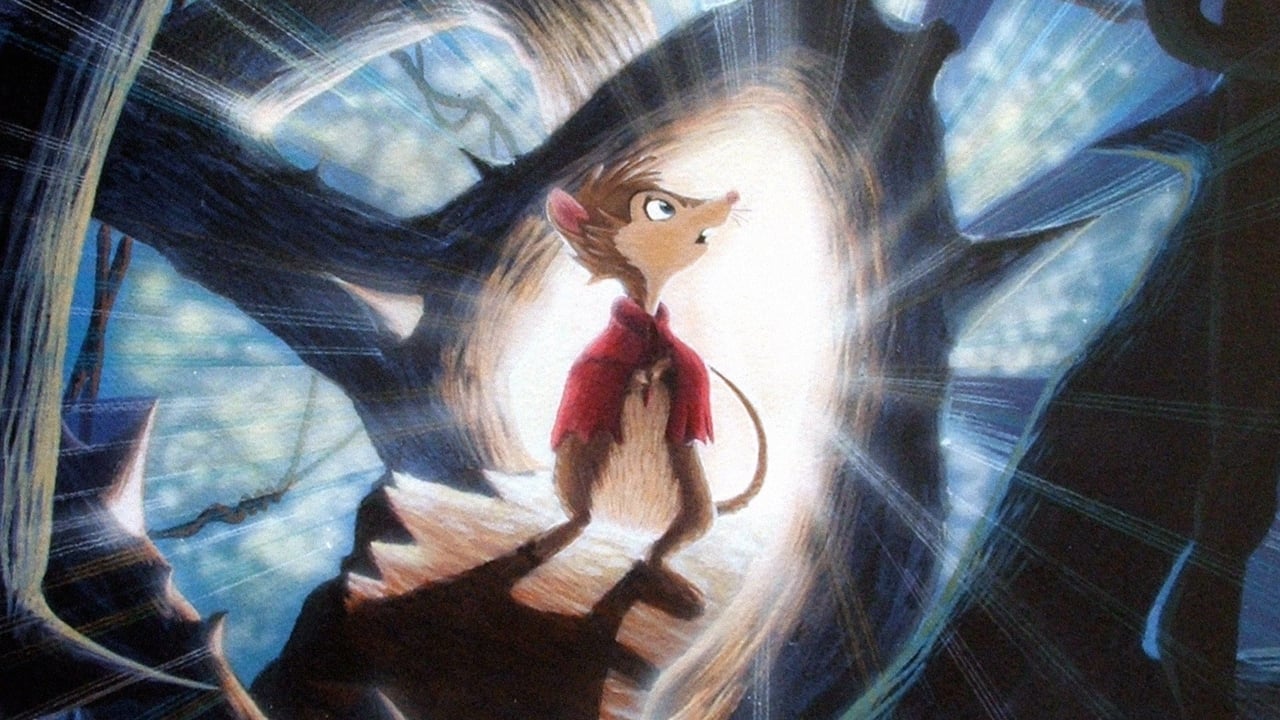
This wasn't your average talking animal fare. Based on Robert C. O'Brien's acclaimed children's novel Mrs. Frisby and the Rats of NIMH (the lead character's name changed to Brisby for the film to avoid trademark clashes with Wham-O's Frisbee), the story follows the timid field mouse Mrs. Brisby. Voiced with heartbreaking vulnerability by Elizabeth Hartman in her final film role, Brisby faces a desperate race against time: the farmer's plow is coming, and her youngest son, Timothy, is too ill with pneumonia to be moved from their cinder block home. Her quest for help leads her into a hidden world of hyper-intelligent rats, former subjects of experimentation at the National Institute of Mental Health (NIMH), who possess technology and knowledge far beyond that of ordinary rodents.
What truly set NIMH apart was its director, Don Bluth. Along with fellow animators Gary Goldman and John Pomeroy, Bluth had famously led an exodus from Disney animation in 1979, seeking greater creative control and a return to the lush, detailed animation styles of Disney's golden age. NIMH was their first independent feature, a passion project produced outside the traditional studio system on a relatively modest budget of around $7 million. You can feel that independent spirit burning in every frame – the refusal to shy away from darkness, the complexity of the plot involving genetics and ethics, and the sheer visual ambition.
Shadows and Light in Glorious Animation
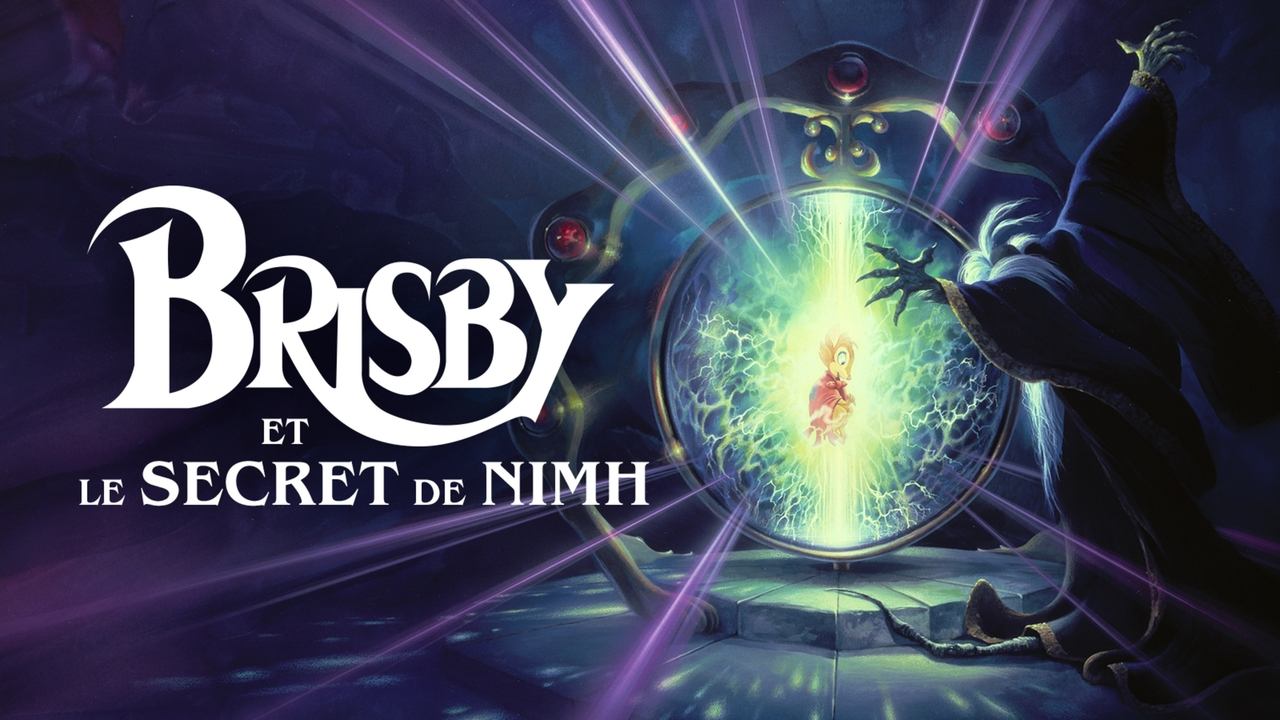
Let's talk about that animation. Oh, that glorious, hand-drawn animation! In an era where animation budgets were often being squeezed, NIMH felt positively opulent. The character movements are fluid and expressive, the backgrounds are detailed and painterly, evoking a world both familiar and fantastical. Bluth and his team employed techniques like rotoscoping for realism and extensive use of backlit animation cels to create glows, sparkles (like the mystical amulet), and atmospheric effects that gave the film a unique visual texture. Remember the encounter with the Great Owl? The sheer scale, the dramatic lighting, the palpable sense of awe and fear – it was animation pushing its boundaries, creating moments of genuine cinematic power.
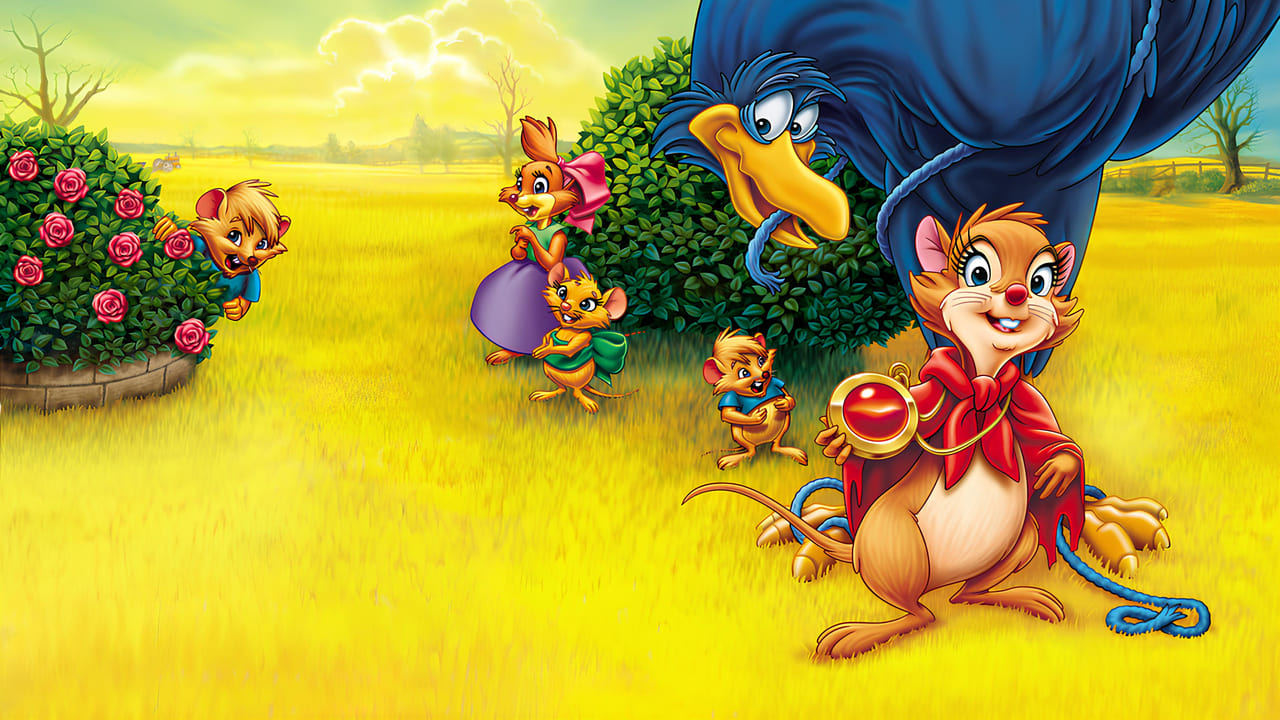
The film doesn't flinch from showing the consequences of the NIMH experiments or the dangers Brisby faces. There are sword fights, moments of betrayal, and a palpable sense of threat from the farmer's cat, Dragon. Yet, it's balanced by incredible warmth and humour, largely thanks to the delightful Dom DeLuise (a frequent Bluth collaborator, also heard in An American Tail (1986) and All Dogs Go to Heaven (1989)) voicing the clumsy but good-hearted crow, Jeremy. His awkward attempts at romance and tangled-string mishaps provide essential levity. On the other end of the spectrum, Derek Jacobi lends immense gravitas to Nicodemus, the wise, aged leader of the rats, delivering exposition about their past with captivating authority.

More Than Just a Cartoon Memory
Digging into the making of NIMH reveals just how much of a gamble it was. Major studios had passed, finding the story perhaps too dark or complex for a family audience. Bluth and his team literally mortgaged their houses to help secure the financing. While it performed modestly at the box office upon release (grossing around $14.7 million), it wasn't the blockbuster smash some might have hoped for. Its true legacy, however, blossomed on home video and cable television. That’s where so many of us discovered it, wasn’t it? Tucked away on a shelf at the local rental store, the cover art hinting at the adventure within. It became a cherished cult classic, proof that animation could tackle sophisticated themes and resonate deeply with audiences of all ages.
The score by the legendary Jerry Goldsmith (whose incredible body of work includes Alien (1979) and Gremlins (1984)) is another crucial element, perfectly capturing the film's blend of wonder, mystery, and danger. It swells with dramatic intensity during action sequences and becomes hauntingly beautiful in moments of quiet reflection.
Final Thoughts
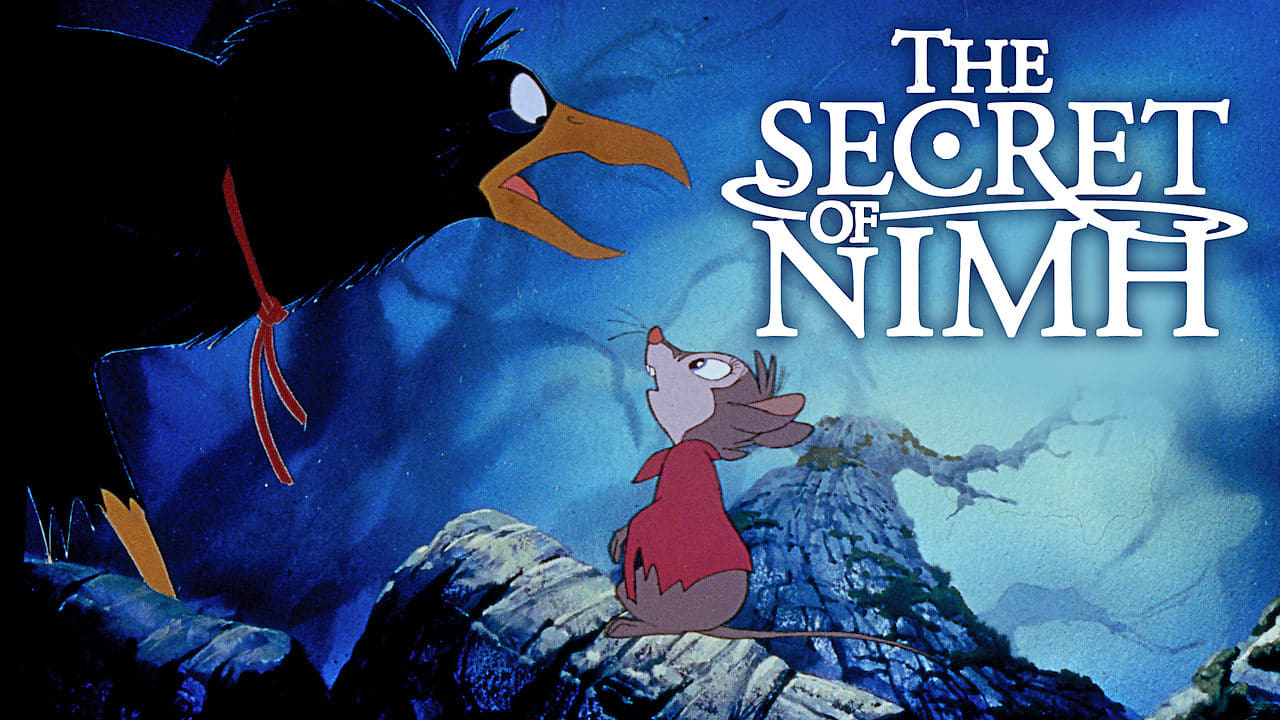
The Secret of NIMH remains a landmark achievement in animation. It’s a film brimming with courage, both in its narrative and in its creation. It dared to be different, darker, and more visually ambitious than much of its competition, paving the way for other animated films to explore more mature territory. While some elements might feel distinctly of their time, the core story of a mother's love, the exploration of intelligence and society, and the sheer artistry on display remain timeless. It wasn’t just a cartoon; it was an experience – thrilling, sometimes scary, but ultimately moving and unforgettable.
Rating: 9/10
This score reflects the film's stunning animation, its narrative bravery, memorable characters, and its enduring status as a beloved cult classic that defied expectations. It’s a near-perfect example of passionate, independent filmmaking resulting in something truly special, even if it doesn't quite hit the flawless mark for every single viewer. It's a beautiful, essential piece of 80s animation history that still holds a powerful magic, especially for those of us who remember discovering its secrets on a worn-out VHS tape.