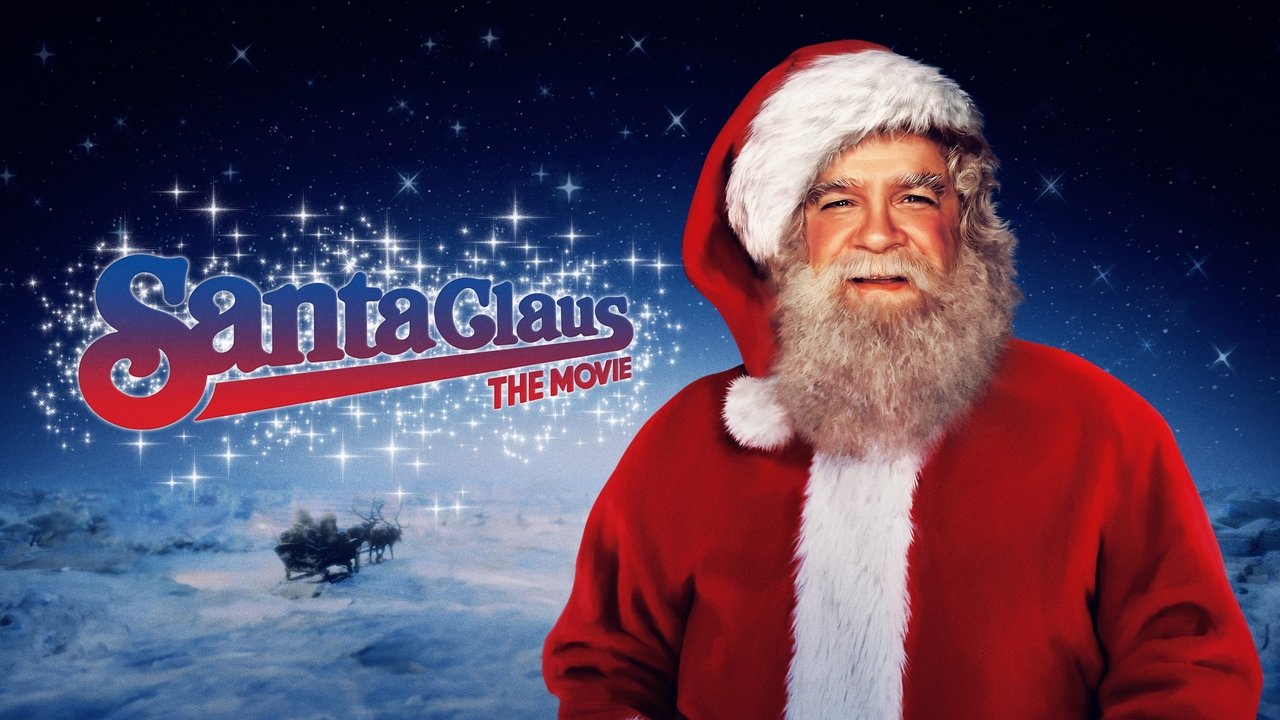
Okay, picture this: it's the mid-80s, maybe a slightly chilly evening, and you've just popped a hefty VHS tape into the VCR. The movie promises the ultimate Christmas origin story, grand and magical. That tape, for many of us, was Jeannot Szwarc's ambitious 1985 festive offering, Santa Claus: The Movie. More than just another holiday flick, this felt like an event – an attempt to give the Man in Red the same epic backstory treatment the Salkinds, Alexander and Ilya, had famously bestowed upon Superman just a few years earlier. And while it might not have soared quite as high commercially, there’s a certain nostalgic glow surrounding this film that’s hard to deny.
### The Making of a Legend (Literally)
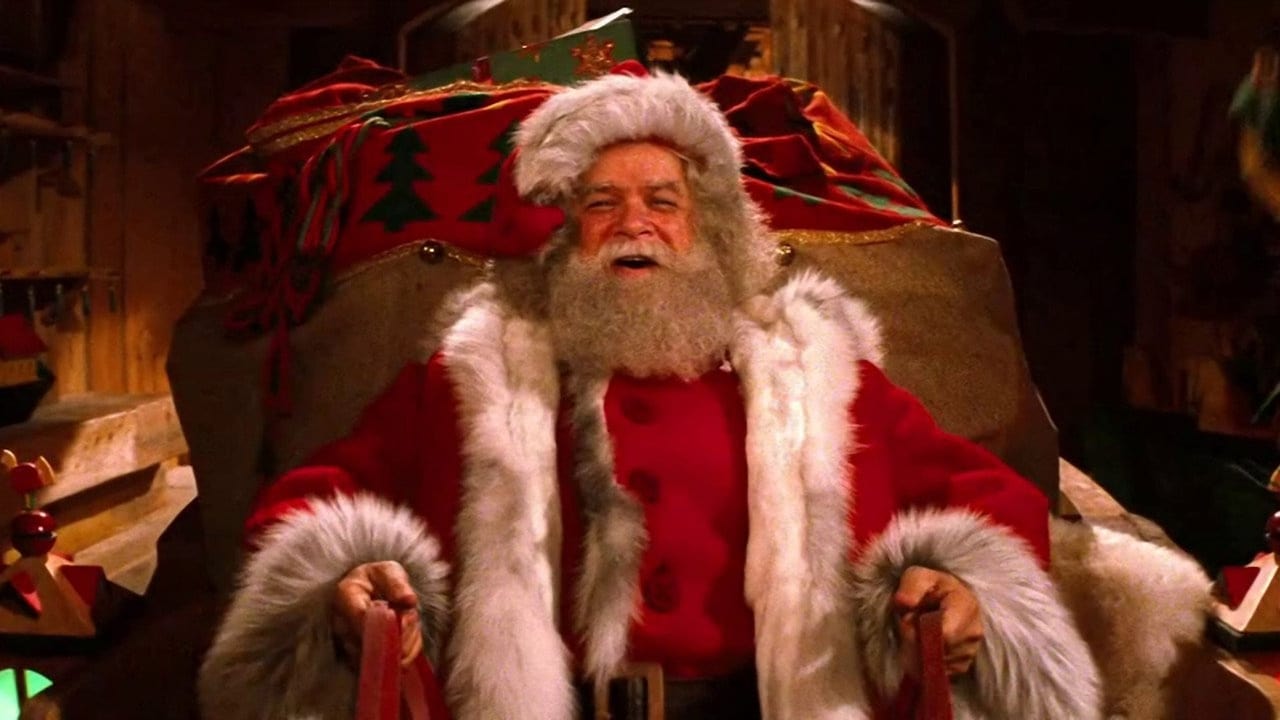
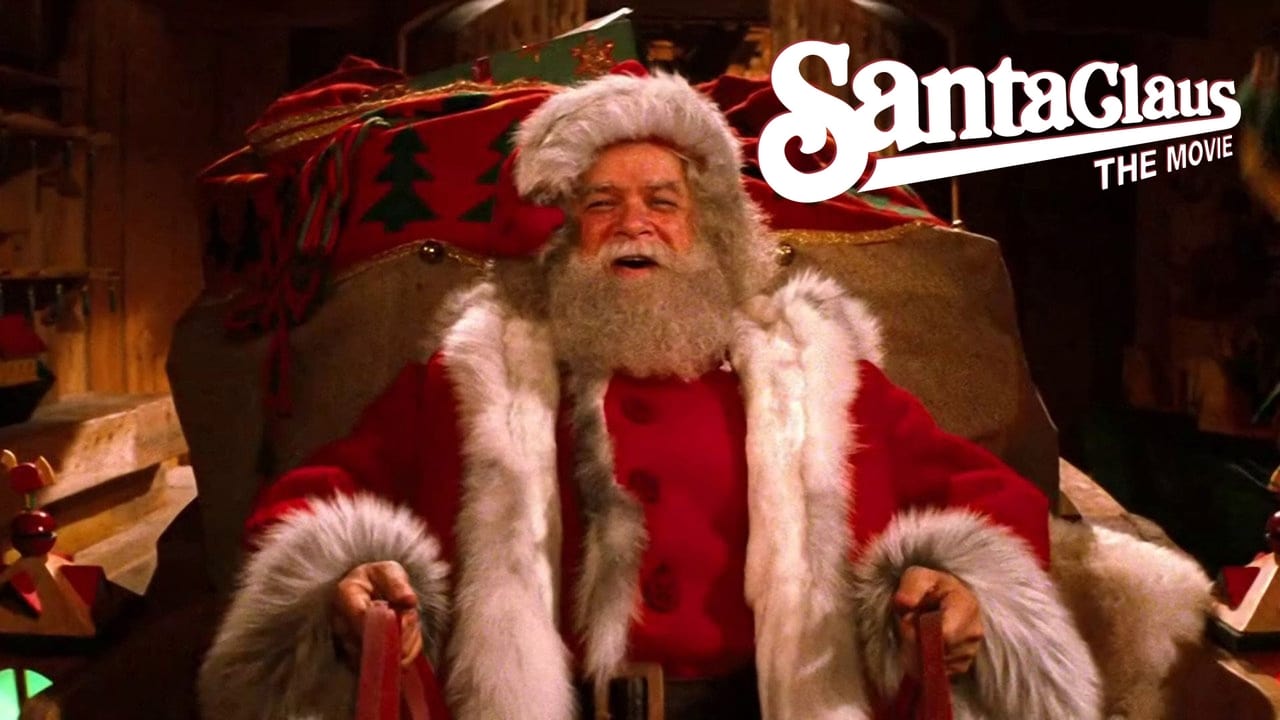
The first act of Santa Claus: The Movie is pure, uncut yuletide magic. It eschews cynicism entirely, painting a wondrous, almost Dickensian picture of how a kindly old woodcutter named Claus (David Huddleston) and his wife Anya (Judy Cornwell) are chosen for immortality and tasked with delivering toys to the children of the world. Huddleston, though perhaps not a marquee superstar at the time, embodies Santa with such warmth and genuine benevolence, you simply believe him. He is Santa Claus – twinkly-eyed, reassuring, and perfectly suited to the red suit. This whole opening sequence, detailing the discovery of the elves (or Vendegum, as they're called here), the establishment of the North Pole workshop, and the first miraculous sleigh ride powered by reindeer who achieve flight through magical stardust feed, feels like a cherished Christmas storybook brought to life. The production design by Anthony Pratt is genuinely stunning; the workshop is a hive of charming, slightly old-world activity, a tangible place you desperately wanted to visit as a kid.
### Enter Patch, the Eager Elf
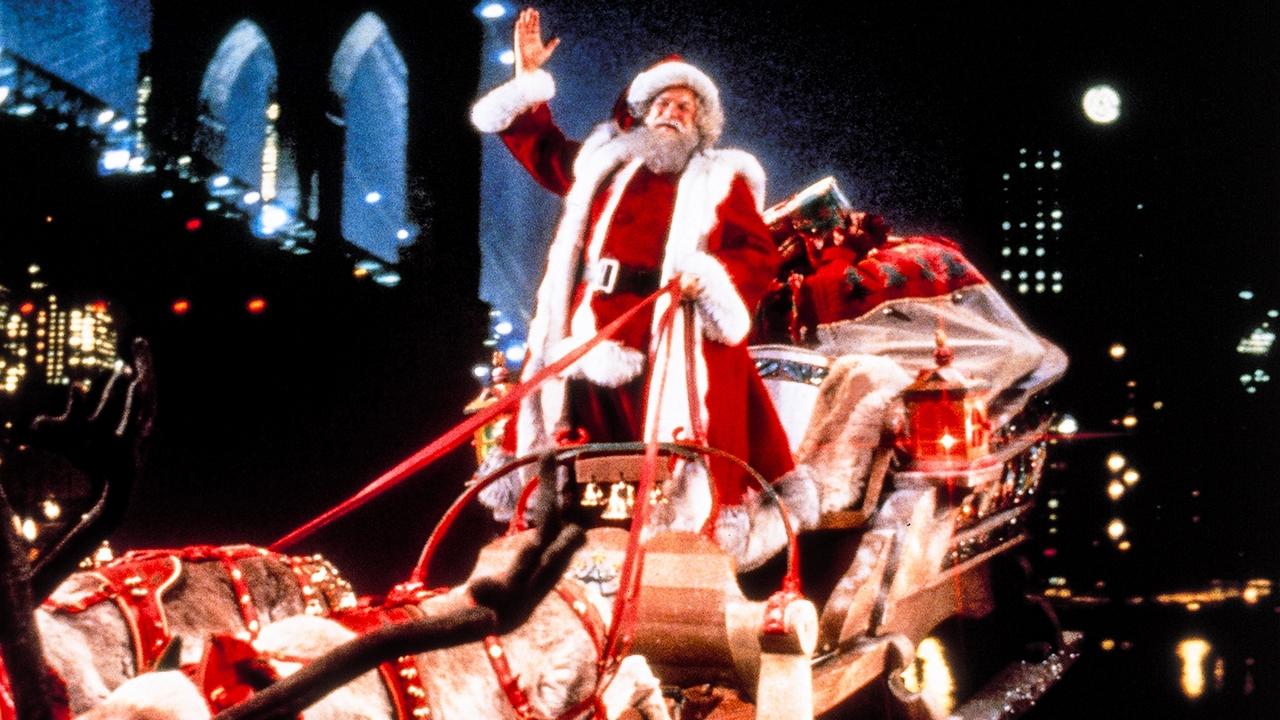
Central to the workshop's evolution is Patch (Dudley Moore), an elf brimming with innovative, if sometimes misguided, ideas. Moore, riding high on his Arthur (1981) fame, brings his signature comedic charm and vulnerability to the role. Patch's enthusiasm is infectious, even when his ambition to automate toy production using his "Patch-Master" machine leads to… well, less-than-stellar results. His journey forms a key part of the film's narrative heart. We can all relate to Patch's desire to impress, to make his mark, even if his methods are flawed. It’s a classic underdog story thread woven into the grand tapestry of Santa’s origins. The scenes depicting the reindeer learning to fly, guided by Patch and Santa, possess a real sense of wonder, achieved through impressive (for the time) practical effects and miniature work helmed by effects wizard Derek Meddings, a veteran of Bond films and Superman (1978). You can almost feel the cold air and the exhilarating strangeness of it all.
### When Magic Meets Modern Mayhem
Then, the film takes a rather abrupt turn. We fast-forward to the bustling, somewhat grimy reality of 1980s New York City. Here, the narrative shifts focus to Patch, who, feeling undervalued after a toy-making mishap, leaves the North Pole and falls in with the cartoonishly villainous toy tycoon B.Z. (John Lithgow). And oh, what a villain Lithgow delivers! Fresh off memorable roles in films like The Adventures of Buckaroo Banzai Across the 8th Dimension (1984), he leans hard into B.Z.'s cigar-chomping, profit-obsessed mania. It's a performance that borders on pantomime, chewing scenery with glorious abandon. This sudden shift from timeless myth-making to contemporary corporate satire is where the film often divides audiences. The plot involving B.Z. marketing dangerous lollipop "Pupernickle" treats laced with a substance that makes children fly (and potentially explode?) feels jarringly out of sync with the gentle magic of the first half. It’s a tonal clash that writers David and Leslie Newman (also Superman scribes) intentionally built in, but it doesn’t always land smoothly.
### Retro Fun Facts & Festive Fallout
The Salkinds poured a reported $50 million into Santa Claus: The Movie – a staggering sum in 1985, signaling their hope for another blockbuster franchise. Sadly, it wasn't meant to be. The film grossed only around $23.7 million domestically, becoming a significant box office disappointment. Critics at the time were often unkind, pointing to the uneven tone and the perhaps overly commercial plot of the second half (ironic, given the film's anti-commercialism message). Yet, despite its flaws and financial failure, the film found its audience on home video. For countless families, renting this tape became a holiday tradition. The sheer earnestness of the first half, Huddleston's perfect Santa, Moore's endearing elf, and even Lithgow's over-the-top baddie created lasting memories. The practical effects, particularly the North Pole sets and the flying sequences, still hold a certain analogue charm that CGI often lacks. Remember seeing those reindeer soar across the screen? It felt genuinely special back then, a testament to the craft involved before digital took over everything. The film's tagline, "He's the world's favourite toy manufacturer. But this Christmas, he's got competition," certainly hinted at the corporate conflict to come.
### A Flawed Gem Wrapped in Tinsel
Santa Claus: The Movie is undeniably a film of two halves. One part is a beautifully realised, heartwarming origin story steeped in classic Christmas magic. The other is a somewhat awkward, tonally jarring 80s corporate satire featuring a delightfully hammy villain. Does the clash work? Not always. But does the film possess enduring charm? Absolutely. Huddleston's performance as Santa remains definitive for many who grew up with this movie. The production values are impressive, showcasing a level of craftsmanship often missing in today's green-screen world. It tried to do something big and heartfelt, even if it stumbled a bit in the execution.
Rating: 6/10
The score reflects the film's undeniable charm, magical first act, and memorable performances (Huddleston is pitch-perfect, Lithgow is riotous fun), balanced against its jarring tonal shift and weaker second half. It doesn't quite reach the epic heights it aims for, but its heart is definitely in the right place.
For all its quirks, Santa Claus: The Movie remains a fascinating piece of 80s Christmas cinema – a big-budget swing for the fences that, despite its imperfections, still manages to deliver a sprinkle of that unique, nostalgic holiday dust we crave when the nights draw in. It’s like that slightly wonky but much-loved ornament you still hang on the tree every year.