Alright, fellow travelers through time and tape, let's rewind to a moment when the Walt Disney Company took a surprisingly shadowy detour. Forget shimmering castles and singing mice for a second. Remember finding that distinctive, slightly ominous VHS cover, maybe tucked away in the rental store's family section, yet feeling… different? We're journeying back to 1985, to the land of Prydain, and digging up Disney's ambitious, troubled, and fascinatingly dark animated feature: The Black Cauldron.
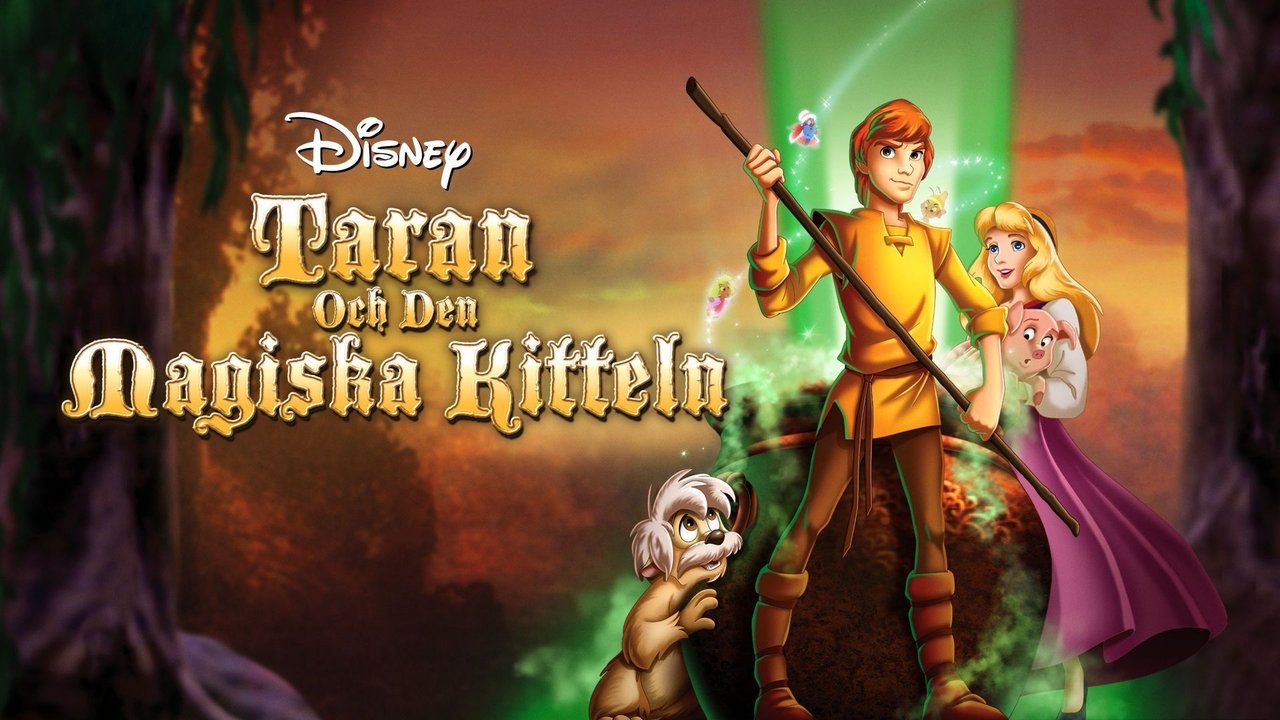
This wasn't your typical Disney afternoon fare. Right from the moody opening narration by John Huston, you knew you were in for something heavier. Based loosely on the first two books of Lloyd Alexander's beloved The Chronicles of Prydain series, the film instantly plunges us into a world teetering on the brink of darkness, threatened by the genuinely terrifying Horned King. Our hero isn't a charming prince, but Taran (Grant Bardsley), an earnest but often insecure "assistant pig-keeper" dreaming of glory, who gets swept up in a quest far bigger than he imagined.
A Different Kind of Disney Magic
What immediately set The Black Cauldron apart, and likely contributed to its initial polarized reception, was its tone. This film is dark. We're talking skeletal armies, demonic villains, and moments of genuine peril that felt worlds away from The Little Mermaid which would arrive just four years later. The Horned King, voiced with chilling skeletal authority by the legendary John Hurt (who gave us unforgettable performances in films like Alien and The Elephant Man), remains one of Disney's most menacing and visually striking villains. He’s not seeking power through trickery or song; he wants to unleash an army of the undead, the Cauldron Born, to conquer the world. No catchy villain song here, just pure, unadulterated evil. That scene where the Cauldron is activated? I distinctly remember leaning closer to the CRT screen, half terrified, half mesmerized by the swirling green mists and emerging skeletal warriors. It felt dangerous, and frankly, quite unlike anything Disney had shown us before.
The animation itself reflects this darker ambition. Directed by Ted Berman (who co-directed The Fox and the Hound) and Richard Rich (who would later direct The Swan Princess), the film boasts incredibly detailed backgrounds and fluid character animation. Prydain feels ancient and lived-in, with mossy forests and crumbling castles rendered beautifully. It was also notable for being one of the first Disney films to incorporate computer-generated imagery, primarily used for animating the swirling effects of the Cauldron itself and floating bubbles – a small touch, but a sign of the technological shifts happening in animation. Add to this a powerful, often thunderous score by the great Elmer Bernstein (yes, the maestro behind Ghostbusters and The Magnificent Seven!), and you have a film that, visually and aurally, aimed for epic fantasy on a grand scale.
Cracks in the Cauldron
But let's be honest, pulling this tape from its sleeve often came with whispers of its troubled history, and those whispers weren't wrong. The Black Cauldron had a notoriously difficult production. It spent over a decade in development, ballooning to a then-staggering $44 million budget – making it one of the most expensive animated films ever produced at the time. Then came the infamous clash with then-studio chairman Jeffrey Katzenberg. Horrified by the film's intensity, particularly a sequence involving the Cauldron Born graphically dispatching human soldiers, Katzenberg personally took scissors to the negative (a story often recounted, though likely involving editing machines, not literal scissors!) removing around 12 minutes of footage.

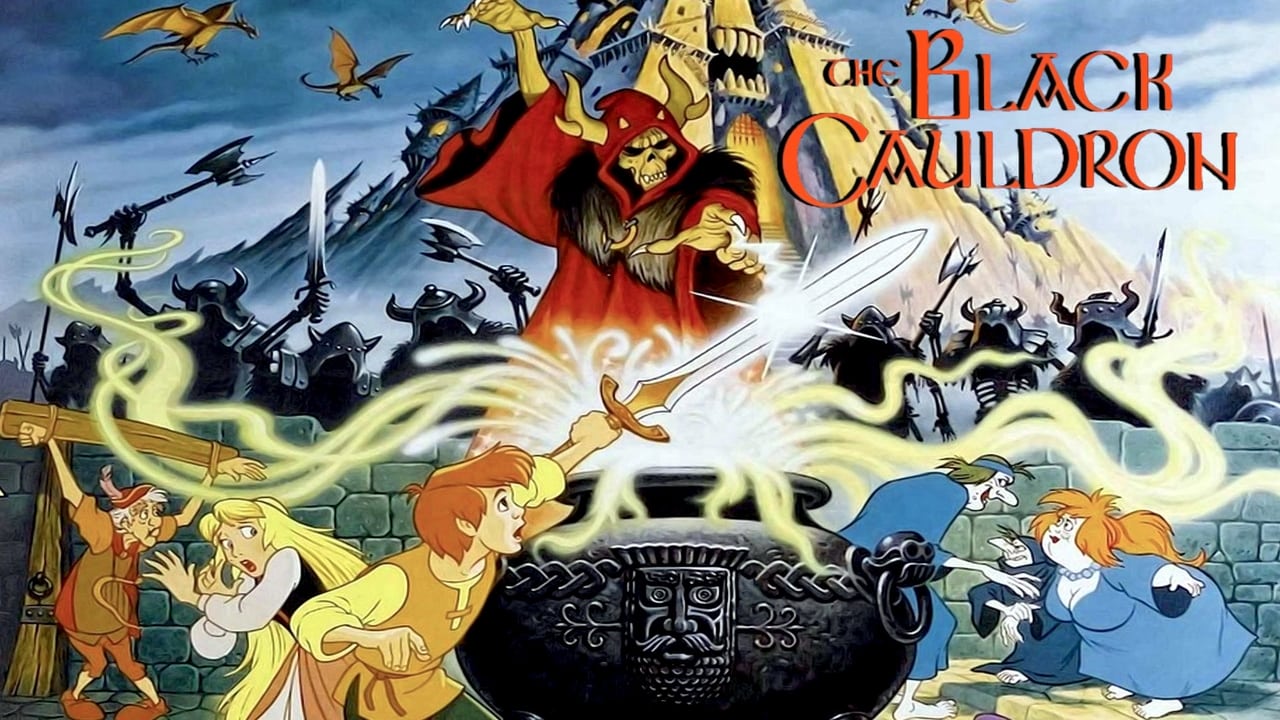
These cuts, made relatively late in production, are often blamed for the film's sometimes disjointed narrative and pacing issues. Characters like Princess Eilonwy (Susan Sheridan) and the flamboyant bard Fflewddur Fflam (Nigel Hawthorne) feel slightly underdeveloped, and the ever-hungry, furry creature Gurgi (John Byner) swings wildly between annoying and endearing, his sacrifice perhaps lacking the full emotional weight it could have carried. Taran himself can sometimes grate with his youthful impatience. The story feels like it’s rushing in places, with plot points occasionally feeling abrupt – likely scars from the aggressive editing.
The result? The Black Cauldron became the first Disney animated feature to receive a PG rating, a badge it wore uneasily. Audiences expecting traditional Disney magic were perhaps put off by the darkness, and fantasy fans maybe found the story compromised. It ultimately grossed only $21.3 million domestically, a significant financial disappointment for the studio. Disney seemed almost embarrassed by it, delaying its home video release until 1998 – a long wait for those of us curious about this mythical "lost" Disney film! Finding that eventual VHS felt like uncovering a rare artifact.
A Cult Classic Unearthed
So, why revisit The Black Cauldron now? Because despite its flaws, it remains a fascinating piece of animation history. It represents a bold, if perhaps misguided, attempt by Disney to break its own mold during a period often seen as the studio's "dark age" before the Renaissance kicked off by The Little Mermaid. The sheer artistry on display, the unforgettable villain, and the genuinely atmospheric world-building make it stand out. It might not have the polished perfection or heartwarming charm of other Disney classics, but it has a unique, moody identity all its own. It's the weird, gothic cousin in the Disney family portrait – the one they didn't talk about for years, but who secretly had the most interesting stories.
For many of us who caught it later on VHS, perhaps drawn in by that intriguing cover art promising epic fantasy, it holds a strange nostalgic pull. It was different, maybe even a little scary, but undeniably memorable. It’s a reminder that even giants like Disney sometimes stumble, but those stumbles can still produce something uniquely compelling.

VHS Heaven Rating: 6/10
Justification: While the stunning animation, memorable villain design, Elmer Bernstein's score, and sheer ambition are commendable, The Black Cauldron is undeniably hampered by its troubled production. The narrative feels choppy due to significant cuts, character development suffers, and the tone, while unique for Disney, might still feel jarringly bleak to some. It didn't quite stick the landing, but its visual artistry and historical significance as Disney's dark fantasy experiment earn it points. It’s a flawed gem, but a gem nonetheless for animation buffs and nostalgia seekers.
Final Thought: The Black Cauldron might be the Disney film that time almost forgot, but for those who appreciate animation history's fascinating detours, it remains a dark, visually rich curio worth digging up from the depths of the VHS vault. It’s the cinematic equivalent of that cool, slightly spooky ruin you discovered off the beaten path as a kid – flawed, maybe, but unforgettable.