The NeverEnding Story II: The Next Chapter
Ah, sequels. Especially sequels to films that captured lightning in a bottle, films that felt less like movies and more like vivid dreams projected onto our bulky CRT screens. Returning to Fantasia six years after Wolfgang Petersen’s 1984 original The NeverEnding Story felt both thrilling and precarious. Would the magic still be there? Could a new chapter possibly live up to the wonder etched into our collective memory by Atreyu’s quest and Bastian’s first dive into that mysterious book? Pulling that chunky VHS tape of The NeverEnding Story II: The Next Chapter (1990) from the rental shelf often came with a mix of hope and trepidation.
Another Wish, Another Journey
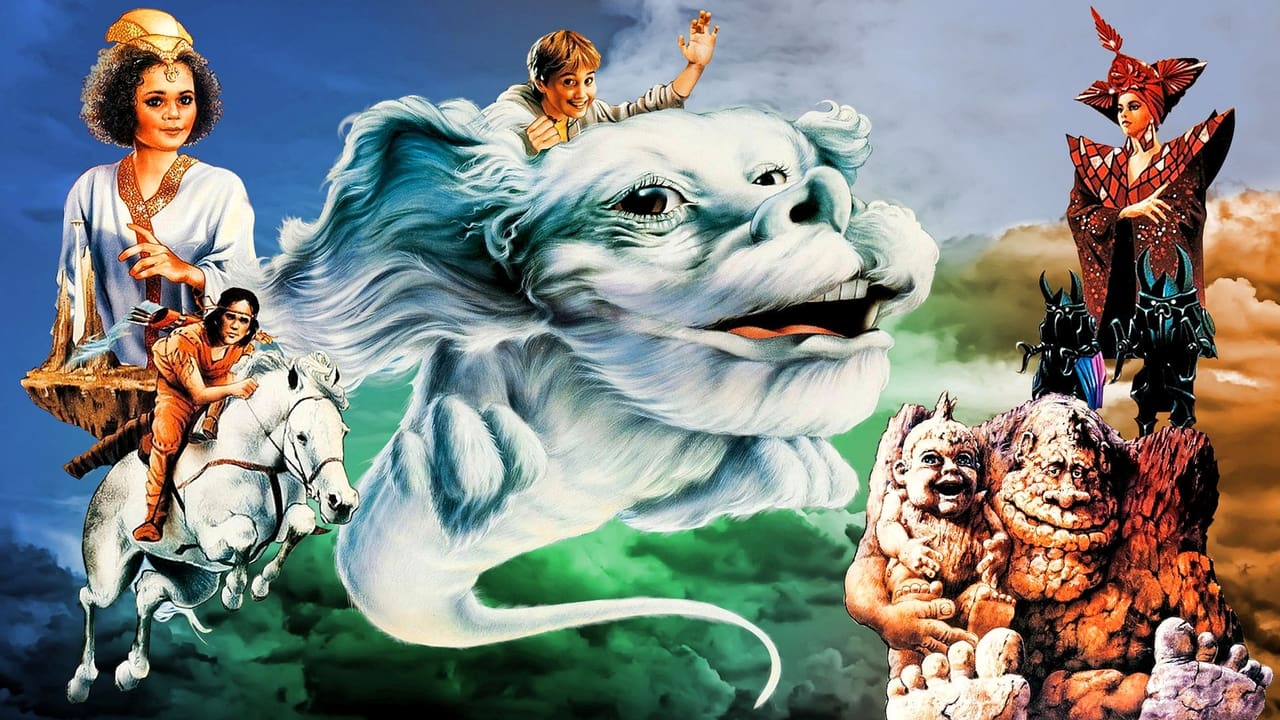
This time around, directed by Australian filmmaker George T. Miller (who gave us the very different, but equally visually rich, The Man from Snowy River in 1982), the story picks up with Bastian Balthazar Bux, now played by the late, great Jonathan Brandis. He's still grappling with bullies and a strained relationship with his father, finding solace once again within the pages of Mr. Koreander's enigmatic tome. Fantastica (as it's called in the book and this sequel, unlike Fantasia in the first film) is facing a new threat: the insidious "Emptiness," orchestrated by the manipulative sorceress Xayide (Clarissa Burt). Her plan? To drain Bastian of his memories by tempting him to make wish after wish using the power of the Auryn, effectively erasing his connection to the human world and making Fantastica vulnerable. Atreyu (Kenny Morrison, taking over from Noah Hathaway) and a slightly different-looking Falkor are back, trying to guide Bastian away from Xayide's clutches.
It's worth noting that this sequel actually adapts the second half of Michael Ende's original novel, which the first film famously stopped short of. Ende had publicly criticized the first movie's deviations, so it’s ironic that this installment, while arguably less beloved, follows his narrative structure more closely in some ways.
New Faces, Familiar Places (Sort Of)
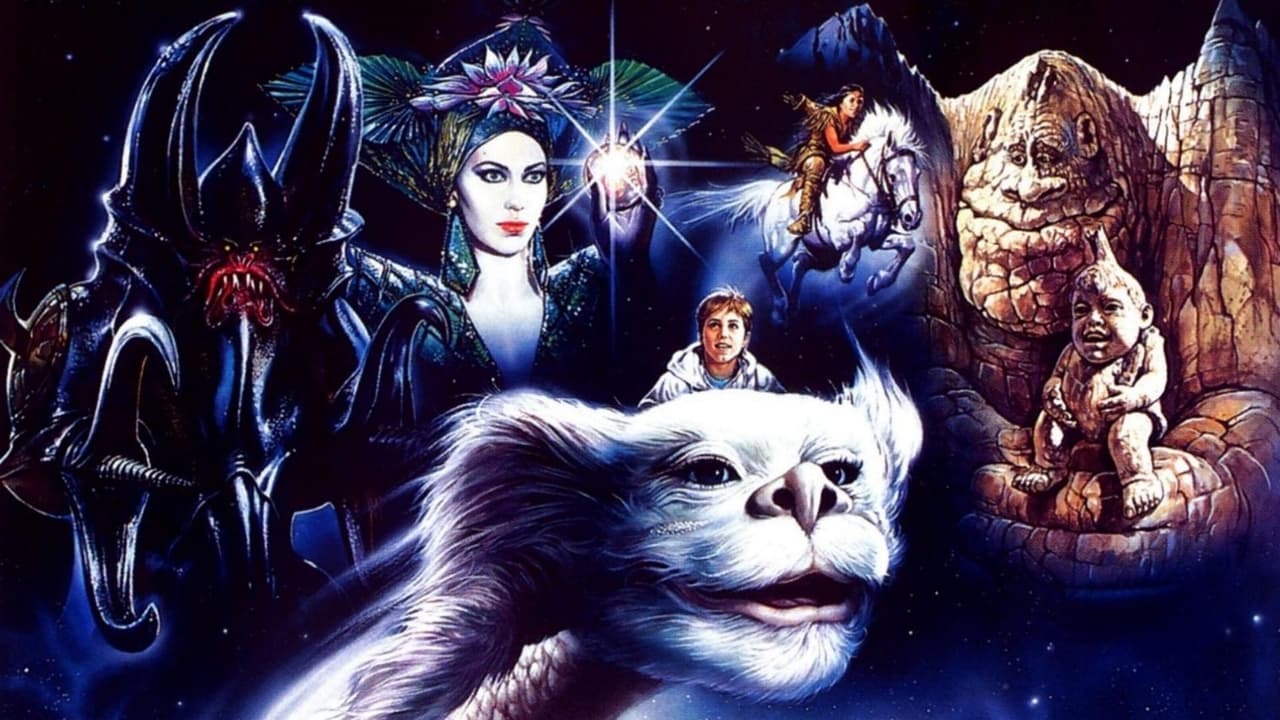
The casting changes were immediately noticeable. Jonathan Brandis brought a different energy to Bastian – perhaps a bit more conventionally teen-idol earnest than Barret Oliver's introverted portrayal, but he convincingly conveyed Bastian’s vulnerability and eventual slide into arrogance fueled by the Auryn's power. Kenny Morrison faced the tough task of stepping into Atreyu's boots, and while perhaps lacking some of the raw intensity Noah Hathaway brought, he capably embodies the young warrior's loyalty. The reason for the recasting? Oliver had largely moved away from acting, while Hathaway reportedly had contractual issues or simply outgrew the role physically during the long development gap.
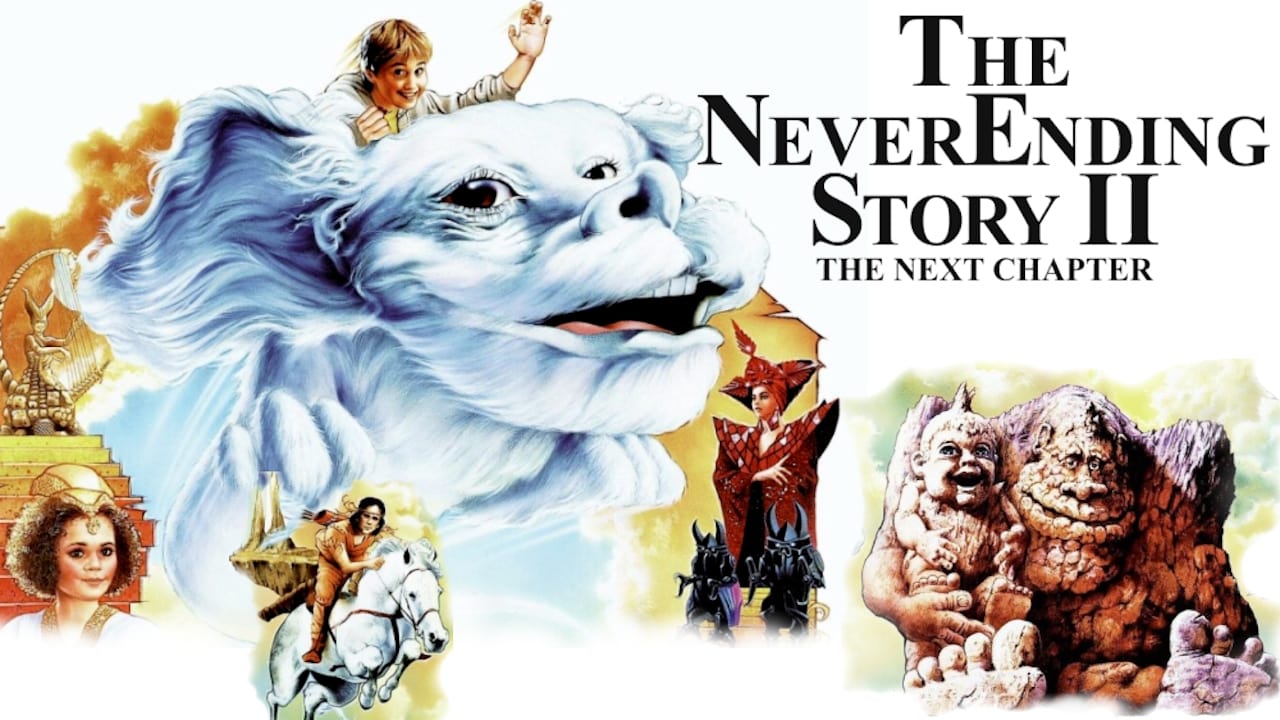
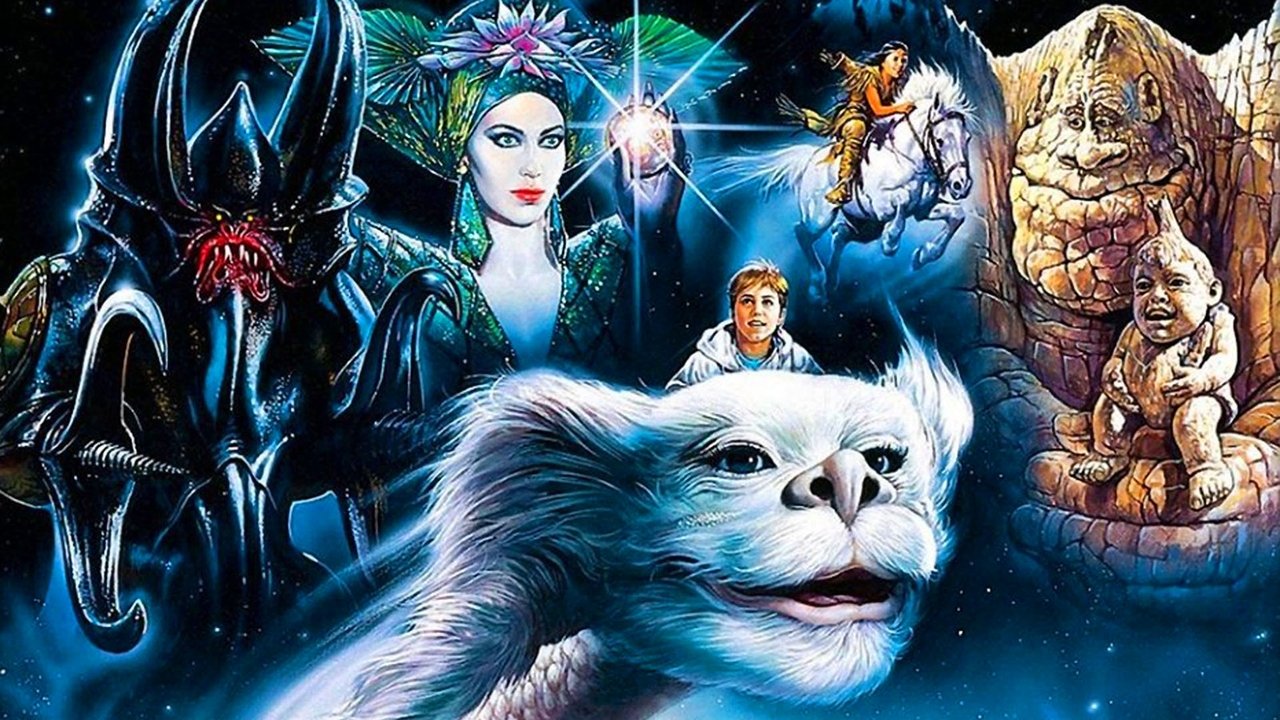
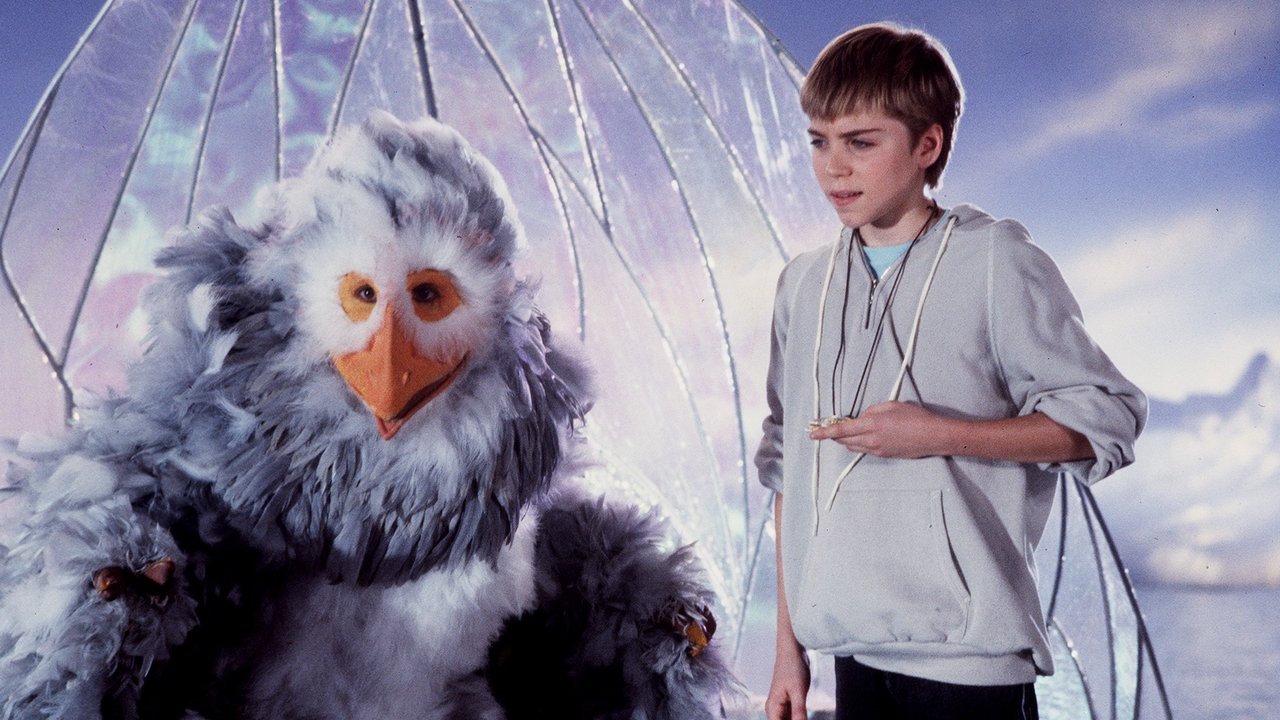
Visually, Fantastica feels both familiar and altered. Filmed again primarily at Bavaria Studios in Munich, the production aimed to recapture the unique look of the original. Some creature designs hit the mark – the lumbering rock biters (now with a Junior!), the spindly, slightly creepy Nimbly (Xayide's bird-like spy), and the imposing giants made of shifting landscapes offer moments of visual interest that feel true to the spirit, if not always the execution, of the first film. However, Falkor… well, let's just say he looked a bit different. The Luck Dragon's redesign is often cited by fans as a key visual departure, feeling slightly less majestic and more overtly 'puppet-like' than his previous incarnation.
Wishes, Memories, and Shrinking Budgets?
The core theme revolves around the danger of unchecked desire and the importance of memory. Xayide's fortress, a giant hand reaching from the earth, is a striking visual metaphor, and the concept of the Memory Machine (Tri-Face/Mnemonics) that literally sucks memories is genuinely unsettling. It’s a darker, more complex idea than the consuming Nothing of the first film. Yet, sometimes the execution feels a little… rushed? The pacing can be uneven, and some of the practical effects, while ambitious for the time, occasionally show their seams more readily than in the meticulously crafted original.
While specific budget details are elusive, The NeverEnding Story II reportedly cost around $36 million, a significant sum for 1990, but its US box office return was a comparatively modest $17.4 million. This was less than the original managed back in 1984 (around $20 million domestically, which translates to much more today), suggesting it didn't quite recapture the public's imagination in the same way. Critics at the time were also less enthusiastic, often unfavorably comparing it to its predecessor – a sentiment reflected in its lower IMDb and Rotten Tomatoes scores even today.
Retro Fun Facts
- The flying sequences with Falkor relied less on the distinctive bluescreen techniques of the first film, incorporating more articulated puppetry and motion control rigs, aiming for a different feel.
- Clarissa Burt, who played the chilling Xayide, was primarily known as a model before this role, and her striking look certainly contributed to the character's intimidating presence.
- Despite George T. Miller directing, this film is distinct from the work of George Miller, the Australian director famous for the Mad Max series – a common point of confusion!
Still Worth a Rewind?
Watching The NeverEnding Story II today is an interesting exercise in nostalgia management. It lacks the profound sense of wonder and cohesive magic that made the first film an enduring classic. The charm feels a bit thinner, the execution sometimes less inspired. Yet, it’s not without its merits. Jonathan Brandis gives a committed performance, the core themes drawn from Ende's book are intriguing, and some of the creature designs and set pieces still spark a flicker of that old Fantastica fascination. It carries that distinct early 90s fantasy aesthetic – earnest, imaginative, and reliant on practical effects that now feel wonderfully tangible, even when slightly imperfect. It tried to continue the story, and for kids desperate for another trip on Falkor's back, it offered something.
VHS Heaven Rating: 5/10
The score reflects its status as a competent but ultimately inferior sequel. It captures some of the spirit but lacks the groundbreaking magic, tighter storytelling, and iconic execution of the original. The casting changes are noticeable, and some effects haven't aged as gracefully. However, Jonathan Brandis's central performance, the ambitious attempt to adapt the novel's darker second half, and moments of genuine creature-feature charm prevent it from being a total wash. It earns points for effort and for providing another portal back to Fantastica, however flawed.
It might not be the chapter we revisit most often, but for a certain generation, The NeverEnding Story II was still a trip worth taking, even if the ride felt a little bumpier the second time around. It’s a reminder that sometimes, even a slightly faded memory of magic is better than none at all.