Step away from the reassuring felt and gentle chaos of Sesame Street. Put aside the Vaudeville charm of The Muppet Show. In 1982, visionary Jim Henson, alongside his longtime collaborator Frank Oz, invited us into a world far removed from anything they’d conjured before – the breathtaking, alien, and often unsettlingly dark world of Thra. The Dark Crystal wasn't just another fantasy film hitting the rental shelves; it felt like unearthing a forbidden legend, a beautifully crafted, yet strangely perilous story beamed directly onto our flickering CRT screens. It was, and remains, a cinematic experience quite unlike any other.
### A World Woven from Dreams and Shadows
From the opening moments, narrated with solemn gravity, The Dark Crystal establishes a tone of mythic importance. We're introduced to a planet fractured, its balance shattered a thousand years ago when the Crystal of Truth was cracked during a Great Conjunction, birthing two distinct races: the cruel, vulture-like Skeksis and the gentle, wise Mystics (urRu). The film plunges us into a race against time as Jen, mistakenly believed to be the last of the Gelfling race, embarks on a perilous quest to find the missing Crystal shard and heal the Dark Crystal before the three suns align once more, granting the Skeksis eternal, tyrannical life.
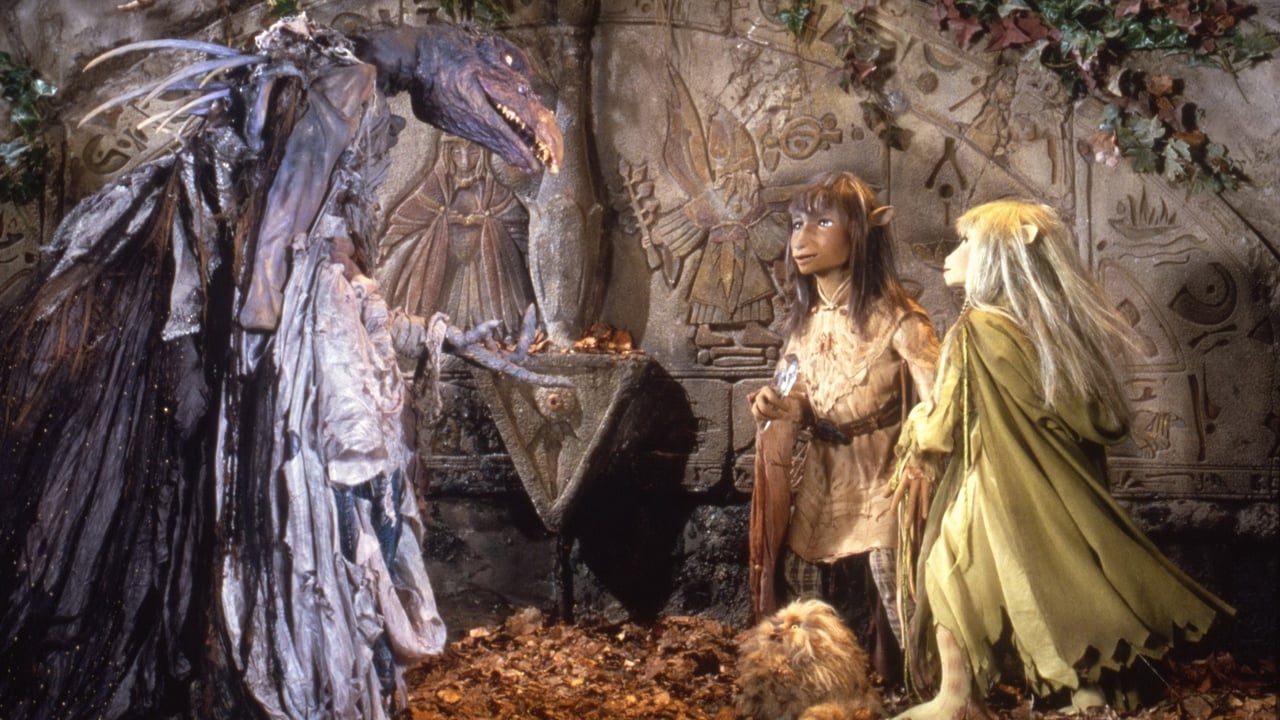
What truly sets The Dark Crystal apart, especially looking back from our CGI-saturated present, is its staggering commitment to practical artistry. Every single character, every creature, every whispering plant exists as a tangible puppet, brought to life with astonishing intricacy. This wasn't just felt and ping-pong balls; this was groundbreaking animatronics, sophisticated puppeteering requiring multiple operators, and full-body suits that pushed the boundaries of the craft. The world itself, conceived by the legendary fantasy artist Brian Froud (who Henson sought out after seeing his book The Land of Froud), feels utterly real, ancient, and lived-in. You can almost smell the damp earth of the swamps and feel the oppressive weight of the Skeksis' decaying castle. Froud's designs weren't just window dressing; they were the soul of Thra.
### Creatures of Nightmare and Wonder
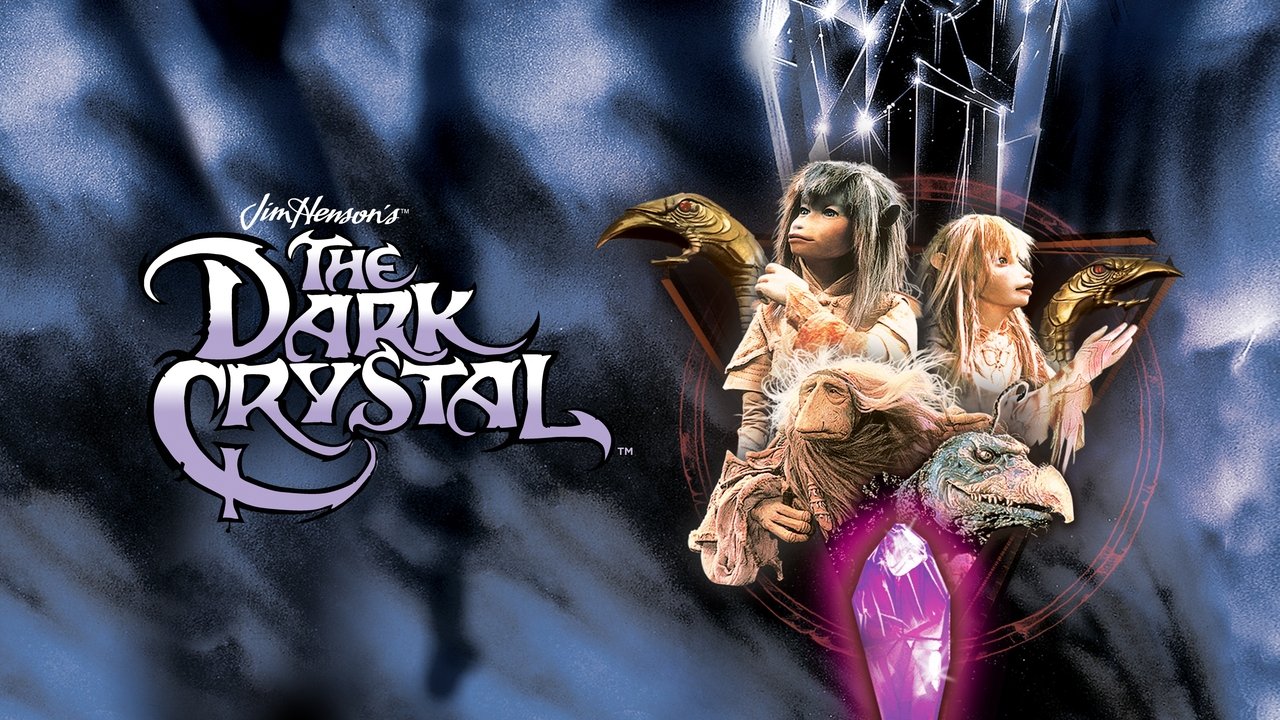
Let's be honest, the Skeksis were pure nightmare fuel for many young viewers renting this from the corner store. Their rasping voices, particularly the insidious whining of the Chamberlain ("Mmmmmmmmm!"), their decaying finery, and their casually cruel plotting – it was genuinely unnerving. The infamous scene where they drain the life essence from Podlings? Shudder-inducing stuff, even now! This darkness was intentional. Henson wanted to create a fantasy film that didn't shy away from peril, echoing the darker undertones found in classic Grimm fairy tales. Reportedly, early test screenings with more Muppet-like Skeksis voices fell flat; the shift to harsher, more alien tones was crucial.
Counterbalancing the Skeksis' menace are the heroes: Jen (Stephen Garlick), earnest and initially uncertain, and Kira (Lisa Maxwell), resourceful, connected to nature, and accompanied by the adorably ferocious furball, Fizzgig. While perhaps not the most deeply complex characters in fantasy history, their journey is compelling, carried by the sheer visual wonder surrounding them and the palpable danger they face. And who could forget Aughra, the crusty, one-eyed keeper of secrets, voiced with magnificent eccentricity by Billie Whitelaw (known for her chilling role in The Omen)? Operating Aughra was reportedly one of the most complex puppeteering challenges, requiring Frank Oz himself to operate the mouth while others handled eyes and body movements.
### Henson's Daring Vision and Retro Fun Facts
Making The Dark Crystal was a monumental undertaking, a passion project for Jim Henson that consumed five years of dedicated effort. Filming complex scenes involving multiple large puppets was notoriously difficult and slow. The Skeksis banquet scene, for example, was a logistical nightmare, coordinating numerous puppeteers crammed beneath the set. The film's $15 million budget was significant for the time, representing a considerable gamble for Henson's company. While it performed respectably at the box office, grossing around $41.4 million worldwide, it wasn't the runaway smash some might have expected, and initial critical reception was mixed – some found it visually stunning but perhaps a bit slow or overly earnest. IMDb users currently rate it a solid 7.1/10, while Rotten Tomatoes shows a 79% critics score, reflecting its eventual appreciation.
Did you know the Skeksis and Mystics originally had fully developed languages created for the film? While simplified in the final cut, remnants can still be heard. Also, the initial script concepts were even darker, delving deeper into the origins and philosophies of Thra. Henson and writer David Odell were aiming for something profound, layered beneath the adventure. And the film's stunning, evocative score? That's the work of Trevor Jones, who would later score another 80s fantasy classic, Labyrinth.
### A Legacy Forged in Crystal
Despite the initial mixed reactions, The Dark Crystal endured. Its uniqueness, its unparalleled practical effects, and its sheer imaginative scope secured its place as a beloved cult classic. It resonated with viewers who appreciated its artistry and weren't afraid of its darker edges. It stood as a testament to what could be achieved without digital intervention, inspiring countless artists and filmmakers. Its influence lingered, eventually blossoming into novels, comics, and the critically acclaimed Netflix prequel series, The Dark Crystal: Age of Resistance (sadly cancelled after one season, but a brilliant expansion of the world nonetheless). Watching the original now, you see the seeds of that expanded universe, the richness of a world begging for more exploration.
The Dark Crystal remains a singular achievement. It’s a film that dared to be different, blending breathtaking beauty with genuine darkness, all brought to life through the magic of puppetry. It might feel paced differently than modern blockbusters, focusing more on atmosphere and world-building than rapid-fire action, but its power lies in its immersive quality and its unwavering commitment to its unique vision.

VHS Heaven Rating: 9/10
This score reflects the film's groundbreaking technical artistry, its unforgettable world-building by Brian Froud, its sheer ambition, and its enduring cult status. While the protagonists might feel slightly archetypal and the pacing occasionally deliberate by today's standards, the stunning practical effects, the genuinely unsettling villains, and the overall unique atmosphere make it a landmark of 80s fantasy cinema. It’s a film that truly feels handcrafted, a quality that shines ever brighter in retrospect.
So, dust off that imaginary tape case. The Dark Crystal is more than just a movie; it's a portal to another time, another place, a testament to the enduring power of imagination and practical magic that defined an era of filmmaking. Mmmmmmmmm!