Ah, the scent of damp earth and ancient pines... Some films don't just tell a story; they transport you, body and soul, to another time and place. Forget polished castles and choreographed sword fights for a moment. Cast your mind back to the deep, moss-covered forests of childhood imagination, where danger felt thrillingly real and friendships were forged in defiance of the grown-up world. That's the primal magic captured in Tage Danielsson's 1984 masterpiece, Ronia, the Robber's Daughter (Ronja Rövardotter), a film that likely felt less like a typical rental and more like stumbling upon an ancient, leather-bound myth tucked away on the video store shelves.
### Born in a Thunderstorm
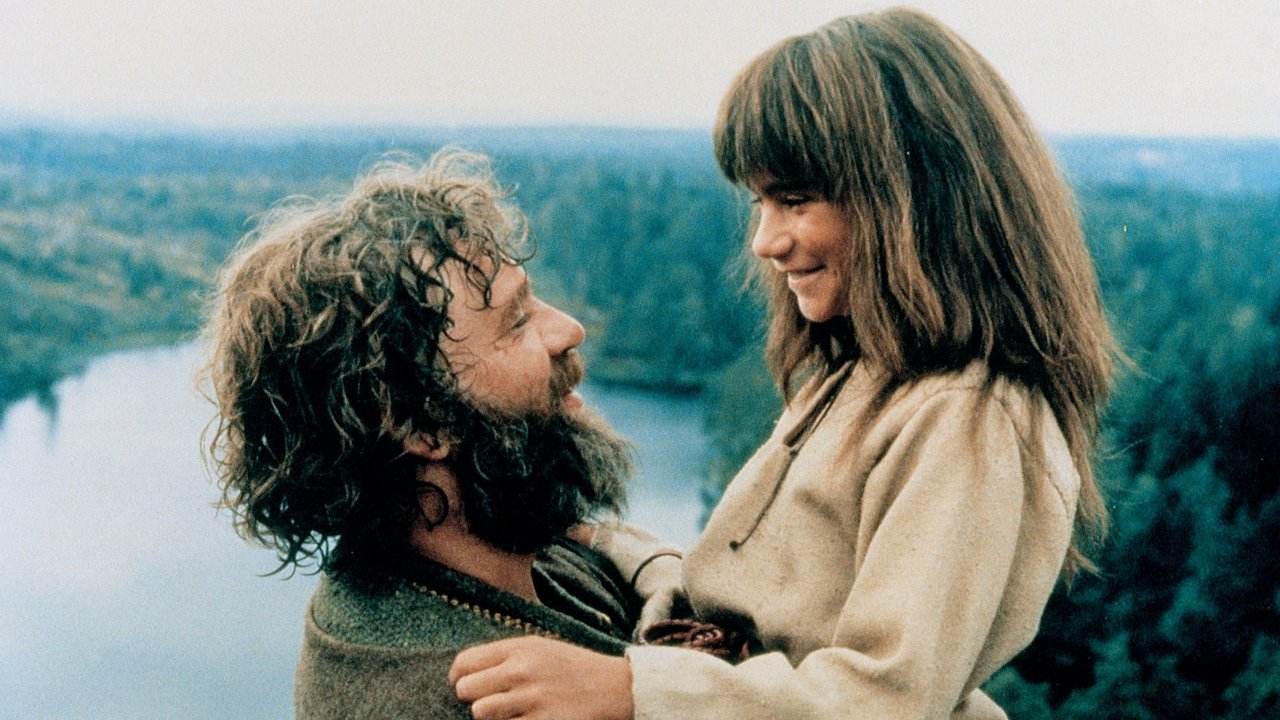
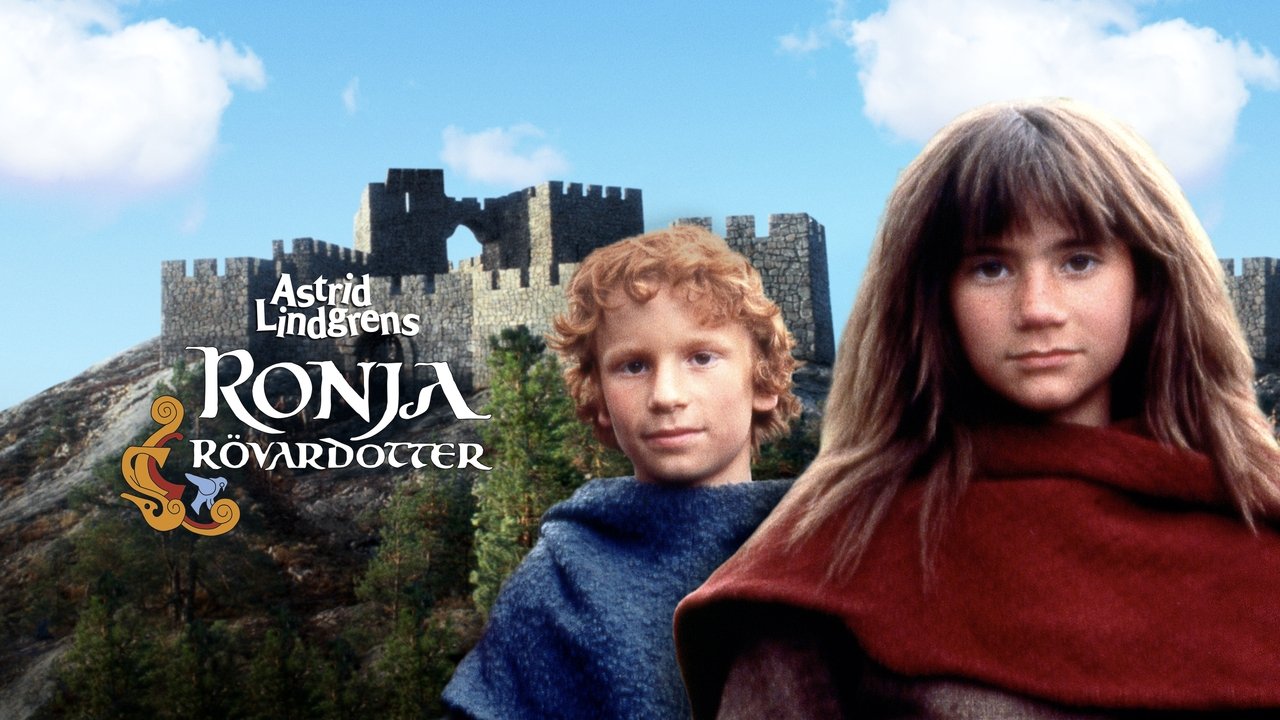
The film bursts onto the screen with the same ferocious energy as its heroine's birth during a wild thunderstorm that literally splits her father's fortress in two. Ronia (played with incredible naturalism by newcomer Hanna Zetterberg) is the cherished daughter of Mattis (Börje Ahlstedt, a powerful presence), the boisterous chief of a clan of good-natured, if rather grubby, robbers. Their home, Matt's Fort, perched precariously in the sprawling, enchanted woods, is now divided by a chasm known as Hell's Gap. And who should move into the other half? None other than Borka, Mattis's sworn enemy, and his clan – including his son, Birk (Dan Håfström).
What unfolds is less a conventional adventure plot and more a deeply felt exploration of childhood independence, the absurdity of inherited hatred, and the profound connection between humanity and the natural world. This is, after all, penned by the legendary Astrid Lindgren, the mind behind Pippi Longstocking, who adapted her own novel for the screen. Lindgren’s touch is unmistakable – the blend of genuine peril with moments of pure joy, the unflinching look at complex family dynamics, and the deep respect for a child's perspective.
### A Forest Alive and Untamed
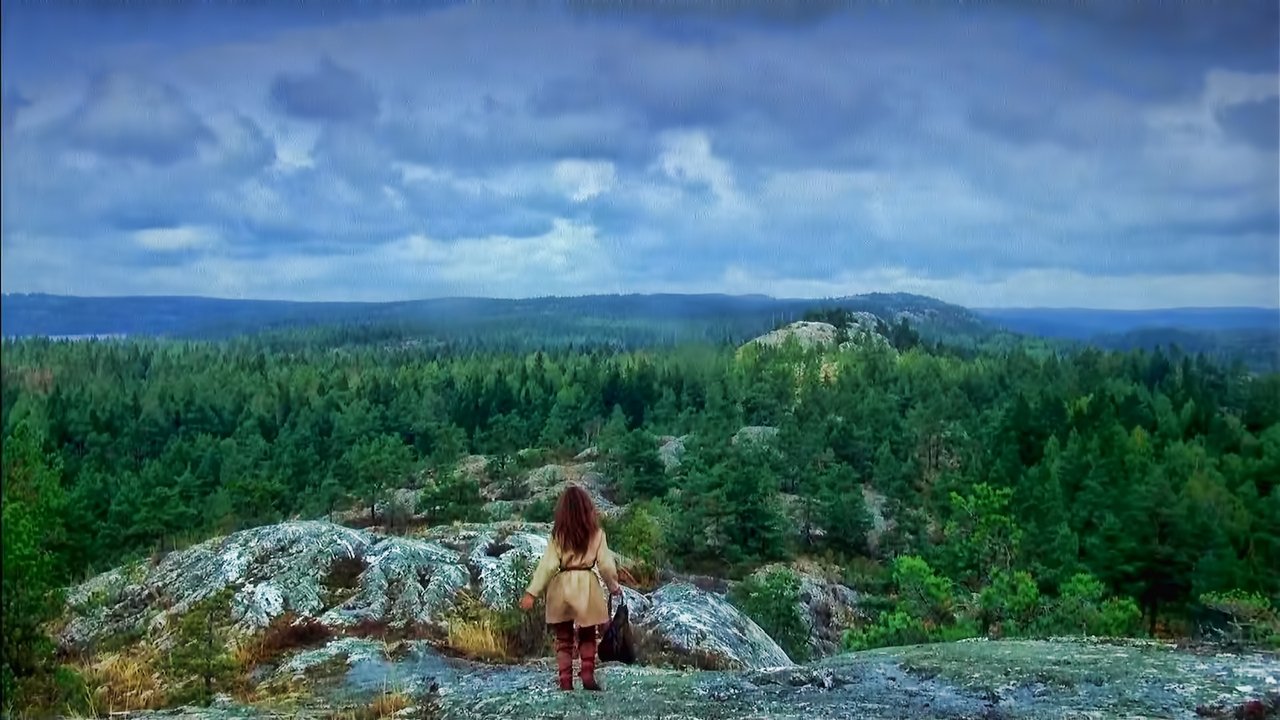
Forget manicured fantasy landscapes. The forests in Ronia feel ancient, vast, and genuinely dangerous. Director Tage Danielsson masterfully uses the stunning Swedish wilderness (much of it filmed in Dalarna and Jämtland) not just as a backdrop, but as a living, breathing character. Ronia learns its secrets, its beauty, and its terrifying inhabitants – the screeching Harpies (truly nightmare-inducing for young eyes back in the day!) and the unsettlingly passive Grey Dwarves. I distinctly remember watching those Harpy scenes through laced fingers, the practical effects possessing a tangible, eerie quality that modern CGI often struggles to replicate. It wasn't slick, but it felt real.
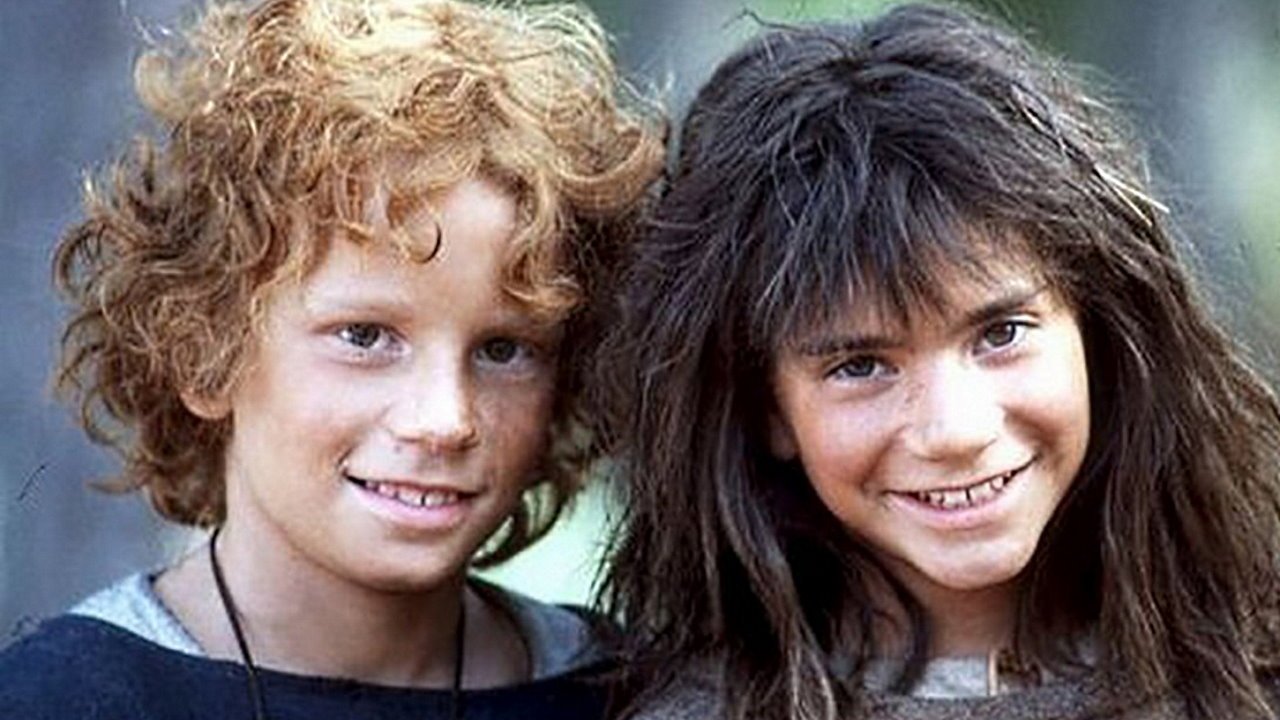
The core of the film, of course, is the forbidden friendship between Ronia and Birk. Hanna Zetterberg and Dan Håfström possess a remarkable, unforced chemistry. Their bond feels authentic, growing from initial rivalry to a deep, unspoken understanding that transcends their parents' pointless feud. Their decision to run away and live wild in the forest, surviving in Bear's Cave, is both a desperate act of defiance and a powerful statement about forging your own path. It’s a segment that truly captures the spirit of youthful rebellion and self-discovery.
### More Than Just a Children's Tale
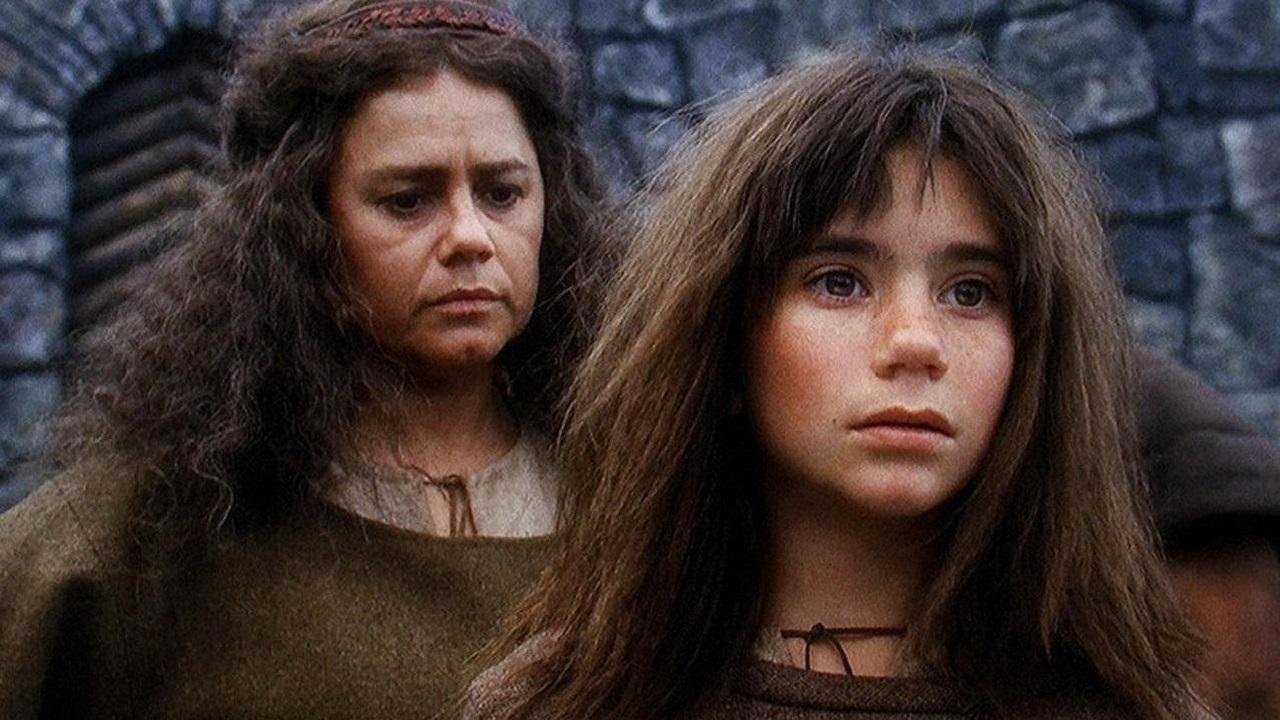
While often categorized as a children's film, Ronia deals with surprisingly mature themes. The stubborn pride of Mattis, his possessive love for Ronia clashing with her need for independence, the weariness of Lovis (Ronia’s wise mother), and the slow, painful process of reconciliation – it’s all handled with nuance. Börje Ahlstedt's portrayal of Mattis is particularly memorable; a hulking, emotional figure capable of great rage and equally great tenderness. His pain when Ronia chooses Birk feels palpable.
Retro Fun Facts: It’s fascinating to note that Astrid Lindgren herself wrote the screenplay, ensuring its faithfulness to her vision. The film was a colossal success in its native Sweden, becoming the highest-grossing film there in 1984, and even snagged a Silver Bear at the 35th Berlin International Film Festival – a testament to its quality appealing beyond just a young audience. The budget was significant for a Swedish production at the time, allowing for the scale and location work that make the film so immersive. Its enduring legacy is clear, even inspiring an animated series adaptation by Studio Ghibli decades later in 2014 (Ronja, the Robber's Daughter), co-produced with Polygon Pictures.
Finding this on VHS often meant venturing into the 'Family' or perhaps even the 'Foreign Language' section (if your store had one!), away from the explosive action covers. The tape itself might have seemed unassuming, but playing it unleashed something wilder, earthier, and perhaps more profound than many contemporary blockbusters. It wasn't about saving the world; it was about finding your place within it, respecting its power, and learning to bridge the divides created by foolish pride.
### The Verdict
Ronia, the Robber's Daughter is a unique gem from the VHS era. It’s a film that trusts its audience, young or old, to engage with complex emotions and challenging themes. It celebrates courage, questions authority, and immerses you completely in its breathtaking, slightly dangerous natural world. The performances are heartfelt, particularly from the young leads and Börje Ahlstedt, and the direction captures a raw, almost primal beauty. While the pacing might feel deliberate compared to modern films, and some effects are charmingly dated, its emotional core remains incredibly powerful.
Rating: 9/10
This score reflects the film's unique artistic vision, its emotional depth, the stunning realization of its world, and its enduring power as a thoughtful, adventurous story that respects both childhood and nature. It’s a near-perfect adaptation that captures the spirit of Lindgren’s work beautifully.
For anyone seeking a nostalgic trip back to a time when fantasy felt grounded, wild, and full of heart, popping Ronia into the VCR (or finding it streaming!) is like rediscovering a hidden path into a forest you thought you’d forgotten – just watch out for those Harpies.