Okay, settle in, pour yourself something comfortable, and let’s rewind the tape to 1983. Sometimes a film arrives with relatively little fanfare compared to the era's blockbusters, yet lodges itself firmly in your memory, not through explosions or high-concept sci-fi, but through the sheer, undeniable power of human connection and transformation. Educating Rita is precisely that kind of film, a deceptively simple story that unfolds with profound warmth, wit, and a lingering touch of melancholy.
An Unlikely Classroom
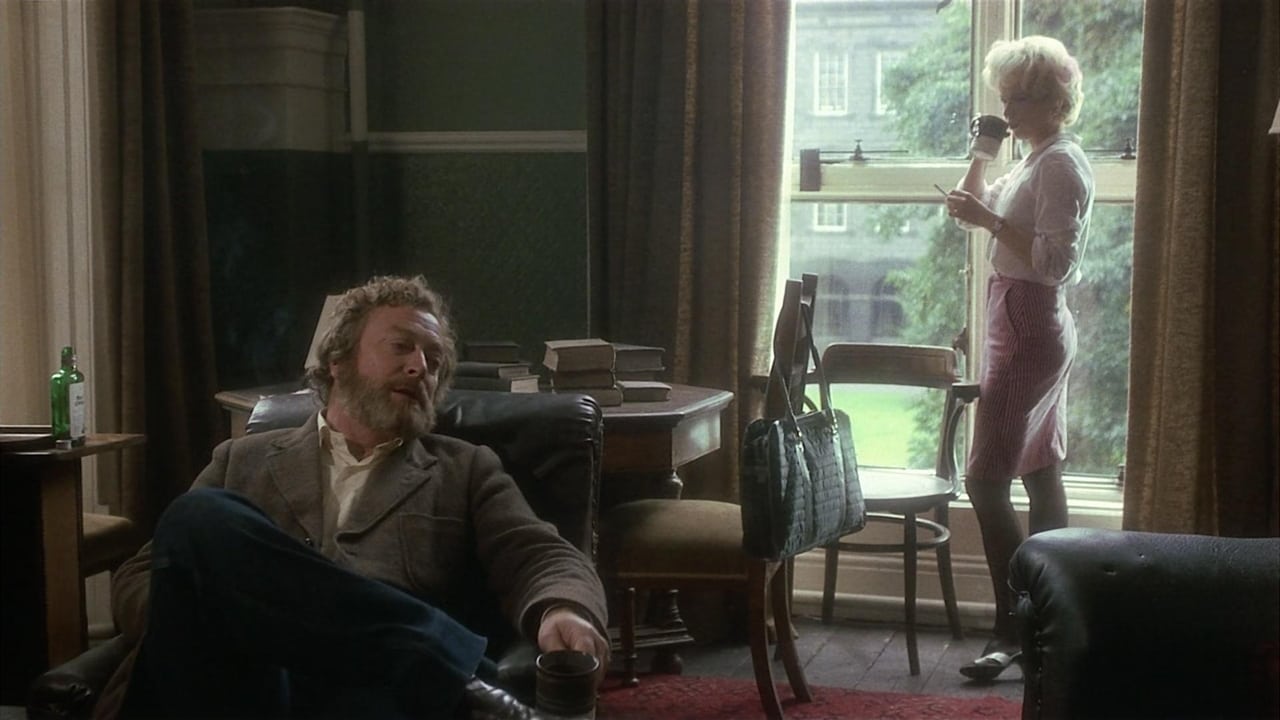
What happens when a sharp, hungry mind, stifled by circumstance, collides with a brilliant intellect dulled by disillusionment? That's the captivating core of Educating Rita. We meet Susan 'Rita' White (Julie Walters in a performance that instantly announced a major talent), a working-class hairdresser in Liverpool, bursting with untutored intelligence and a desperate yearning for more. She signs up for an Open University literature course, seeking not just knowledge, but a different way of being. Her tutor is Dr. Frank Bryant (Michael Caine), a once-respected poet now drowning his academic boredom and marital strife in scotch, hidden behind strategically placed books in his chaotic university office. That office, cluttered and smelling faintly of whisky and old paper, becomes their battleground, their sanctuary, and the crucible for them both.
The Chemistry of Opposites
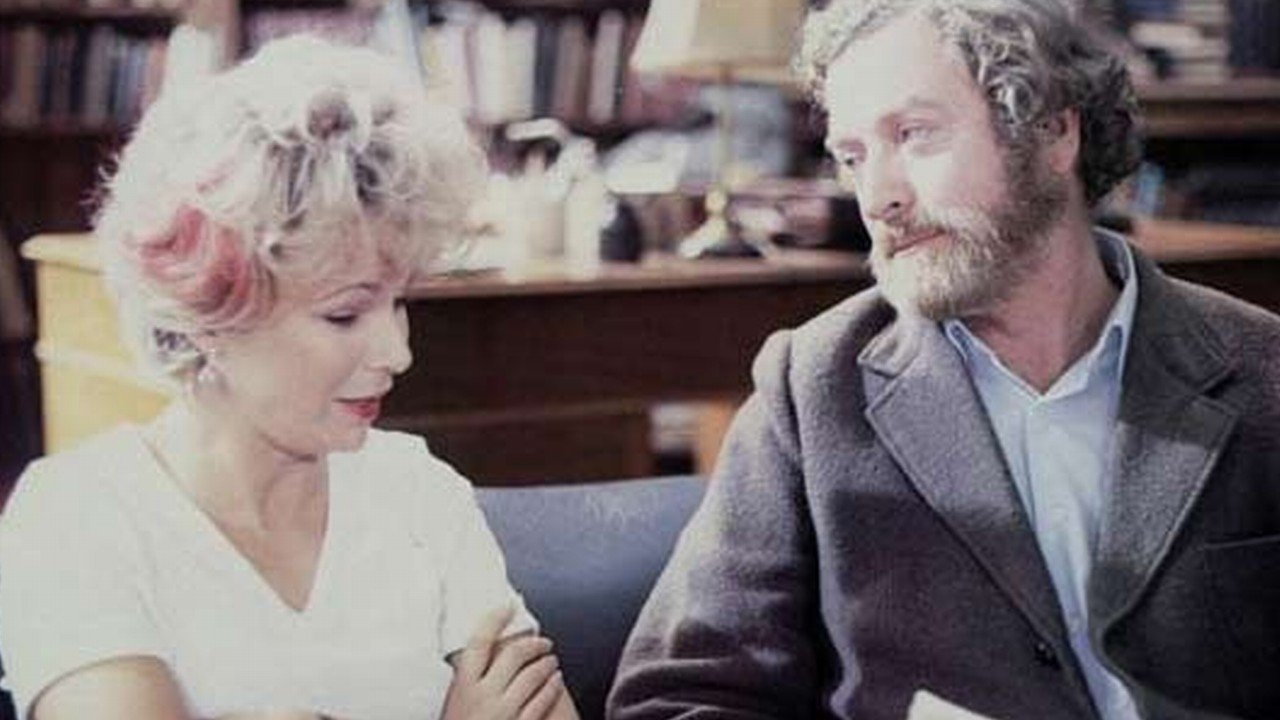
The magic hinges entirely on the dynamic between these two souls. Julie Walters, reprising the role she originated to massive acclaim on the London stage, is simply incandescent. It was her first major film role, and she seized it, earning BAFTA and Golden Globe awards and an Oscar nomination. She perfectly captures Rita's raw energy, her unfiltered honesty ("It's crap, isn't it?" she declares of one canonical text), and the vulnerability beneath her bravado. You see the lights turning on behind her eyes as she grapples with Forster, Chekhov, and Blake, her world expanding with every tutorial. It's a performance brimming with life, instantly relatable even decades later.
Opposite her, Michael Caine delivers one of his most nuanced and affecting performances. Frank is a man who has retreated from life, using cynicism and alcohol as armour. He’s initially amused, then intrigued, and finally deeply moved by Rita's passion. Caine masterfully conveys Frank's weariness, his flashes of brilliance, his growing affection for Rita, and the painful self-awareness that her transformation forces upon him. There’s a profound sadness in his portrayal, the weight of potential unrealized. Remember, Caine had already worked with director Lewis Gilbert on the very different, swaggering Alfie (1966); here, Gilbert, also known surprisingly for helming three Bond films including The Spy Who Loved Me (1977), guides Caine to a much quieter, more internalised place. It's a testament to both actor and director that this character study feels so compelling.
More Than Just Lessons
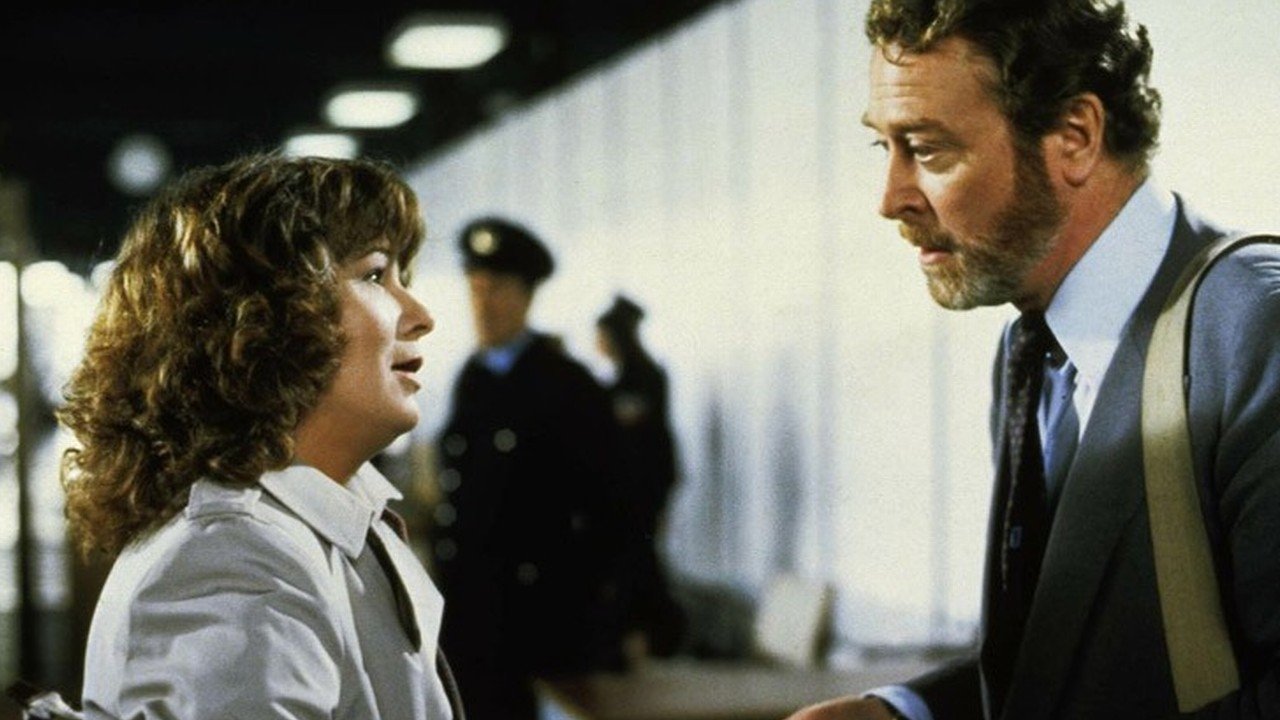
Willy Russell, adapting his own smash-hit play, retains the sharp dialogue and keen observations about class and culture in Britain. The film deftly explores the complexities of education. Is it merely about acquiring knowledge and passing exams, adopting the language and mannerisms of a different social stratum? Or is it about genuine self-discovery? Rita initially wants to "know everything," but as she absorbs the culture Frank introduces, she begins to shed parts of her old self. There's a poignant irony here: as Rita finds her voice and confidence, gaining the intellectual tools she craved, Frank sees her losing some of the unique, unvarnished honesty that initially drew him in. Doesn't this touch on a timeless question about assimilation and the price of belonging?
Retro Fun Facts
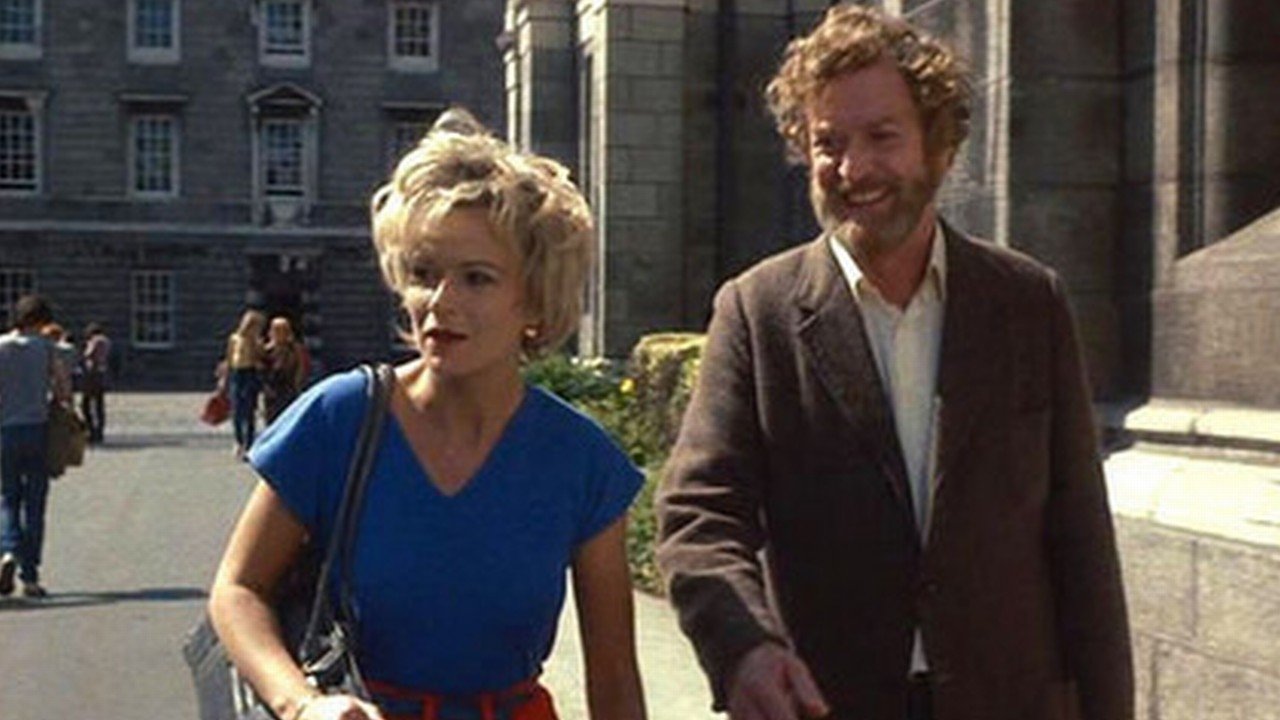
It’s fascinating how movie magic happens. Though set in an English university city, the film was largely shot at Trinity College and University College Dublin. This perhaps lends the academic setting a slightly different visual texture than expected, enhancing the feeling of Frank's world being separate and distinct. Willy Russell apparently had to fight to keep Julie Walters in the lead role for the film adaptation against studio pressure for a more established movie star – a decision vindicated by her awards haul and iconic performance. The film itself was a solid success, made for a modest budget (around $4 million) and finding a receptive audience, particularly in the UK and US, proving that character-driven stories could still resonate.
The Lingering Echo
Watching Educating Rita today, perhaps on a well-worn VHS tape pulled from the shelf, feels like revisiting old friends. The early 80s setting is distinct – the hairstyles, the specific anxieties about class mobility – but the core emotional journey remains remarkably potent. It avoids easy answers. Rita's transformation is celebrated, yet tinged with the bittersweet awareness of what might be lost. Frank's decline is tragic, yet his influence on Rita is undeniable. There's a beautiful ambiguity in their final scenes, a sense that their connection has irrevocably changed them both, but their paths must diverge. What resonates most deeply, perhaps, is the film’s gentle insistence on the importance of seeing – truly seeing – another person, and the unexpected ways growth can occur when two disparate lives intersect. It reminds us that sometimes the most profound education happens outside the curriculum.

Rating: 8.5/10
This score reflects the film's powerhouse performances, particularly Walters' star-making turn and Caine's masterful vulnerability, alongside Willy Russell's sharp, witty, and insightful script. It captures a specific time and place beautifully while exploring universal themes of self-discovery, class, and the complex nature of education. It loses a fraction perhaps for feeling occasionally rooted in its stage origins, but its emotional honesty and the sheer joy of watching these two actors spar and connect make it an enduring gem from the VHS era.