There's a certain kind of simmering injustice that feels particularly potent when confined to the pressure cooker of a small town. It’s a feeling powerfully captured in Jean-Jacques Annaud's sharp 1979 French comedy-drama, Hothead (originally, and perhaps more aptly, titled Coup de tête). Watching it again recently, decades after first encountering it likely on a slightly worn tape perhaps sourced from a specialty rental shop, I was struck by how keenly it dissects the fickle nature of community favour and the almost unbearable weight of being an outsider. This isn't your typical feel-good sports movie; it's something far more complex and cutting.
The Pressure Cooker of Trincamp
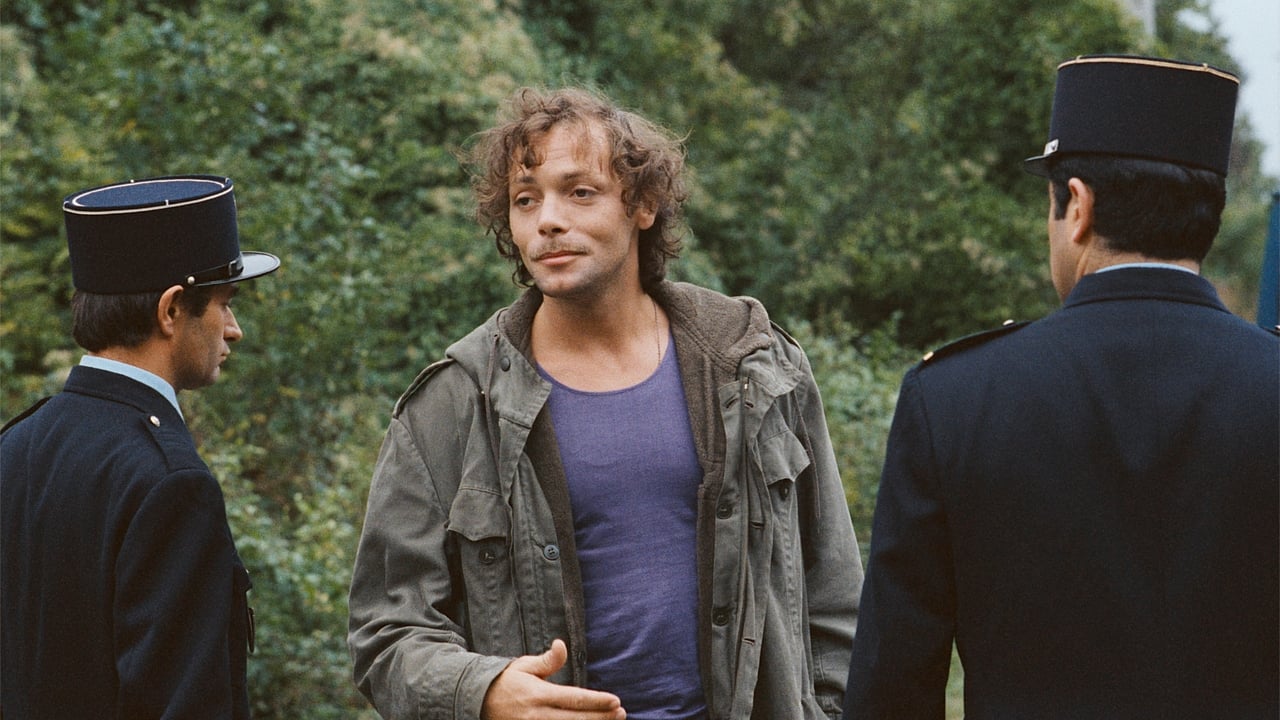
The film plunges us into the fictional French town of Trincamp, a place where life seems to revolve entirely around the fortunes of its struggling football (soccer) team. Director Jean-Jacques Annaud, who would later give us grander spectacles like The Name of the Rose (1986) and Seven Years in Tibet (1997), demonstrates an early mastery of atmosphere here. He paints Trincamp not just as a location, but as a character in itself – insular, judgmental, and prone to sudden shifts in collective mood. The air feels thick with unspoken hierarchies and petty grievances, all amplified by the shared obsession with the local club. You can almost smell the damp chill of the provinces and feel the eyes watching from behind lace curtains.
A Star Is Scorned... Then Suddenly Needed

At the heart of this stifling environment is François Perrin, portrayed with astonishing, raw energy by the legendary Patrick Dewaere. Perrin is a talented but volatile player recently kicked off the factory team (and subsequently fired from his job) after clashing with the team's star player and, by extension, the town's influential elite. He’s defiant, impulsive, and carries a chip on his shoulder the size of a football pitch. When a rape occurs and Perrin is conveniently framed by the powerful figures he antagonized, the town swiftly turns him into a pariah.
Dewaere's performance is simply magnetic. He embodies Perrin's simmering rage, his wounded pride, and his flashes of vulnerability with an authenticity that feels almost dangerous. It’s impossible to look away. Knowing Dewaere’s own turbulent life and tragic end in 1982 adds a layer of poignancy to his portrayal of desperate defiance, but even without that context, his work here is electrifying. He rightfully won the César Award for Best Actor for this role, capturing a man pushed to the edge, who finds himself suddenly, absurdly, indispensable.
The Turn of the Tide

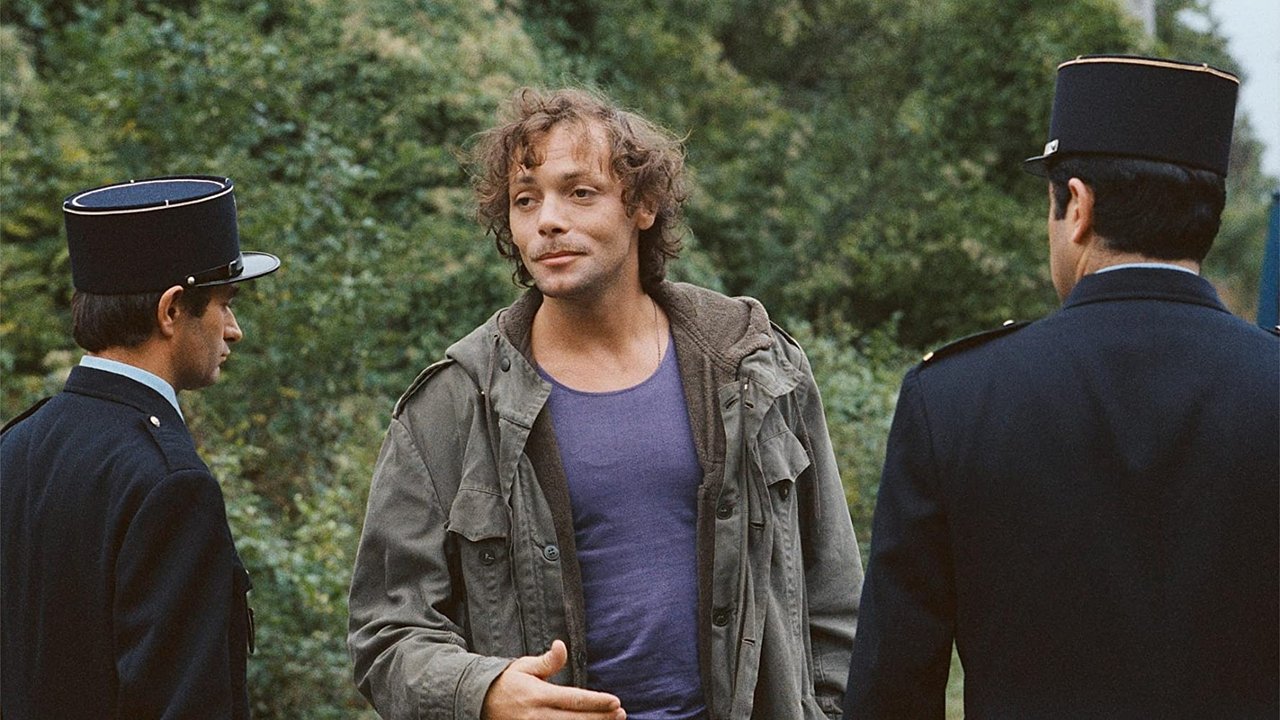
The film’s central irony kicks in spectacularly. On the way to a crucial away game, the bus carrying Trincamp’s team crashes. With key players injured, who is the only capable player left nearby, albeit currently residing in the local police station holding cell? François Perrin, of course. In a sequence rich with dark humour and biting satire, the very townspeople who scorned him now plead for his help. The club president (played with oily charm by Jean Bouise, who also won a César for Best Supporting Actor) orchestrates his temporary release, promising him the world if he can just win the game.
This reversal lays bare the town's hypocrisy. Loyalty, justice, morality – it all becomes secondary to the possibility of sporting glory. Perrin, keenly aware of the absurdity, leverages his newfound (and likely temporary) power to exact subtle, and sometimes not-so-subtle, revenge on those who wronged him. The narrative, penned by Annaud and Alain Godard, deftly balances these moments of cathartic payback with the underlying tension – what happens after the final whistle blows?
Beyond the Pitch: Retro Insights
Coup de tête wasn't just a film; it felt like a cultural moment in France. The title itself, meaning "Headbutt," perfectly encapsulates Perrin's combative nature and the film's confrontational stance. Its critique of small-town mentality and the almost religious fervor surrounding football resonated deeply.
- Dewaere's Intensity: Patrick Dewaere was renowned for his commitment and often improvisational approach. Reports suggest he brought much of his own fiery personality to Perrin, making the character feel intensely real and unpredictable. His collaboration with Annaud here resulted in one of his most defining roles.
- Location, Location, Location: Much of the film was shot in Auxerre and Meaux, French towns that provided the perfect backdrop of provincial life, adding layers of authenticity to the story's setting.
- Critical Acclaim: Beyond the Césars for Dewaere and Bouise, the film also snagged the award for Best Writing, cementing its status as a critical darling in France, even if its international reach on VHS might have been more niche – a gem waiting to be discovered by curious renters exploring the foreign film section.
Lingering Questions
Does the film feel dated? Perhaps in its specific depiction of 1970s French life and football culture. But its core themes? The precariousness of reputation, the ease with which communities turn on individuals, the corrupting influence of power (even on a small scale), and the bittersweet taste of vindication – these feel startlingly relevant. Doesn't the story of Perrin, the outcast suddenly hailed as a hero for convenience, echo stories we still see playing out in sports, politics, and beyond?

What truly lingers after the credits roll is the potent blend of sharp satire and genuine human drama, anchored by Dewaere's unforgettable performance. It’s a film that makes you chuckle darkly one moment and wince with recognition the next. It reminds us that sometimes, the most important victories aren't won on the field, but in reclaiming one's dignity against the odds.
Rating: 9/10
This score reflects the film's masterful blend of social commentary and character study, Annaud's assured direction, and, above all, Patrick Dewaere's absolutely towering central performance. It’s sharp, funny, poignant, and features one of the most compelling anti-heroes of late 70s French cinema. Hothead isn't just a football movie; it's a timeless look at the flawed heart of a community, still beating with uncomfortable truths even on a decades-old VHS tape.