Okay, pop that tape in the VCR, maybe hit tracking just right, because we're diving into a mid-90s gem that felt both completely out-of-left-field and utterly fabulous: To Wong Foo, Thanks for Everything! Julie Newmar (1995). Forget explosions and car chases for a moment; this road trip swaps testosterone for tiaras, showcasing three of Hollywood's leading men as you'd never quite seen them before. It landed in rental stores like a glitter bomb, a vibrant splash of colour and heart that charmed its way into many a late-night viewing session.
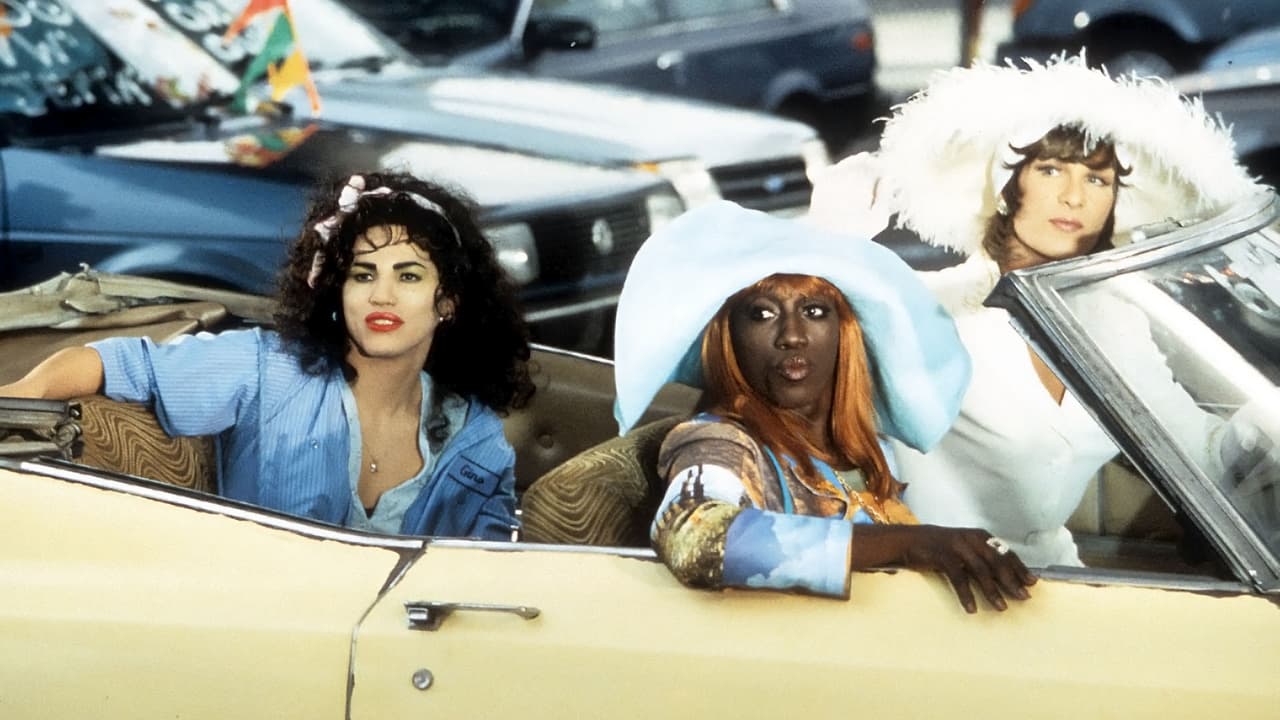
### From Action Stars to Drag Royalty
Let's be honest, the casting alone was enough to make you do a double-take at the video store shelf. Wesley Snipes as the elegant, sophisticated Vida Boheme? Patrick Swayze as the sharp-tongued but motherly Noxeema Jackson? And relative newcomer John Leguizamo stealing scenes as the fiery "drag princess-in-training," Chi-Chi Rodriguez? It sounded improbable, maybe even a recipe for awkwardness. Yet, under the direction of Beeban Kidron (who'd previously helmed the quirky drama Used People in 1992), this trio delivered performances brimming with conviction, humour, and surprising depth. Seeing tough guys Snipes and Swayze embrace femininity with such commitment wasn't just a gimmick; it was a testament to their range and a bold move in the mainstream landscape of 1995. Apparently, Swayze was so committed he avoided his wife Lisa Niemi on set, wanting to stay fully immersed in Noxeema's persona.
### Stranded in Snydersville
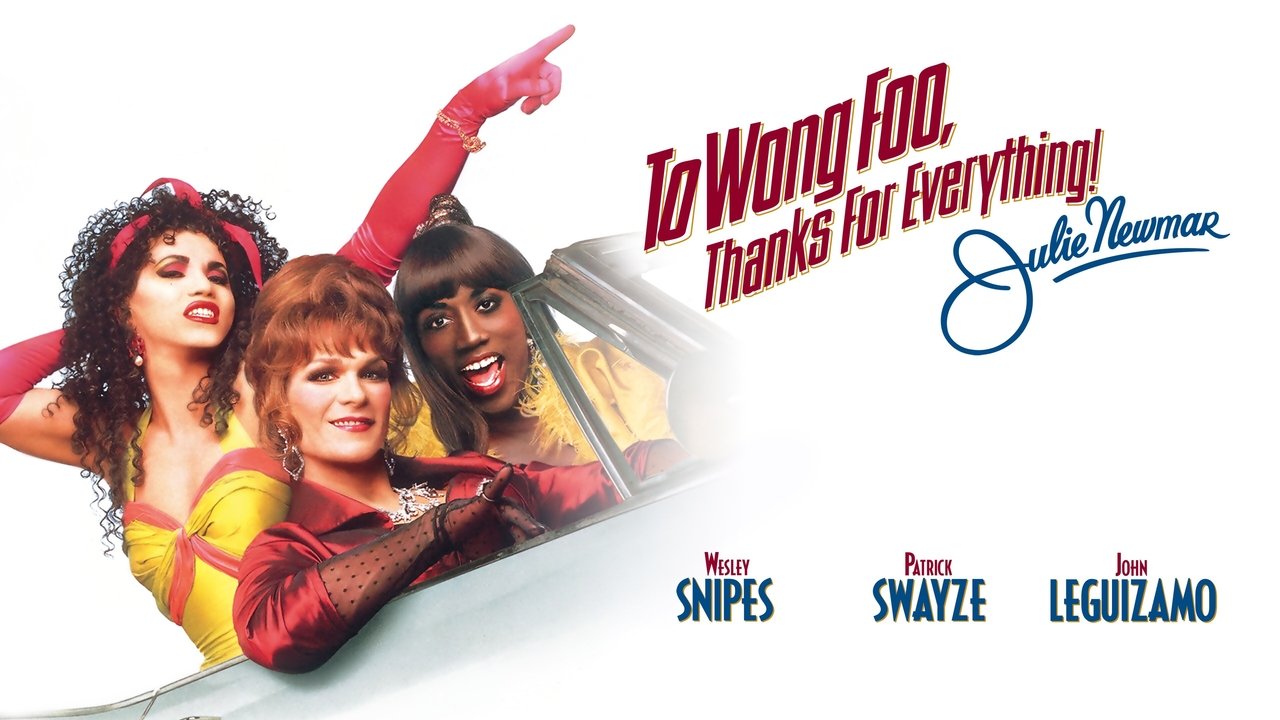
The premise, penned by Douglas Carter Beane (who'd later find huge success on Broadway), is pure fish-out-of-water gold. After winning a New York drag competition, Vida and Noxeema cash in their plane tickets to Hollywood to buy a vintage Cadillac convertible, intending to drive Chi-Chi cross-country for the "Miss Drag Queen of America" pageant. Their journey hits a literal bump in the road when the Caddy breaks down in the tiny, blink-and-you'll-miss-it Midwestern town of Snydersville. Forced to wait for repairs, the three queens, initially mistaken for wealthy socialites, find themselves temporarily embedded in this conservative, buttoned-up community.
What follows is a delightful clash of cultures. Vida, Noxeema, and Chi-Chi, with their innate glamour and worldly wisdom (filtered through a fabulous lens), start subtly shaking things up. They befriend the lonely, kind-hearted Carol Ann (a wonderful Stockard Channing) trapped in an abusive marriage to the menacing Virgil (Chris Penn, perfectly embodying small-town threat), teach the local women about fashion and self-worth, and even help young Bobby Ray (Jason London) find the courage to woo the girl he likes. The film cleverly uses the drag personas not just for laughs, but as catalysts for change and self-acceptance within the town. Remember how satisfying it felt seeing Carol Ann finally blossom under their guidance?
### Beneath the Powder and Paint
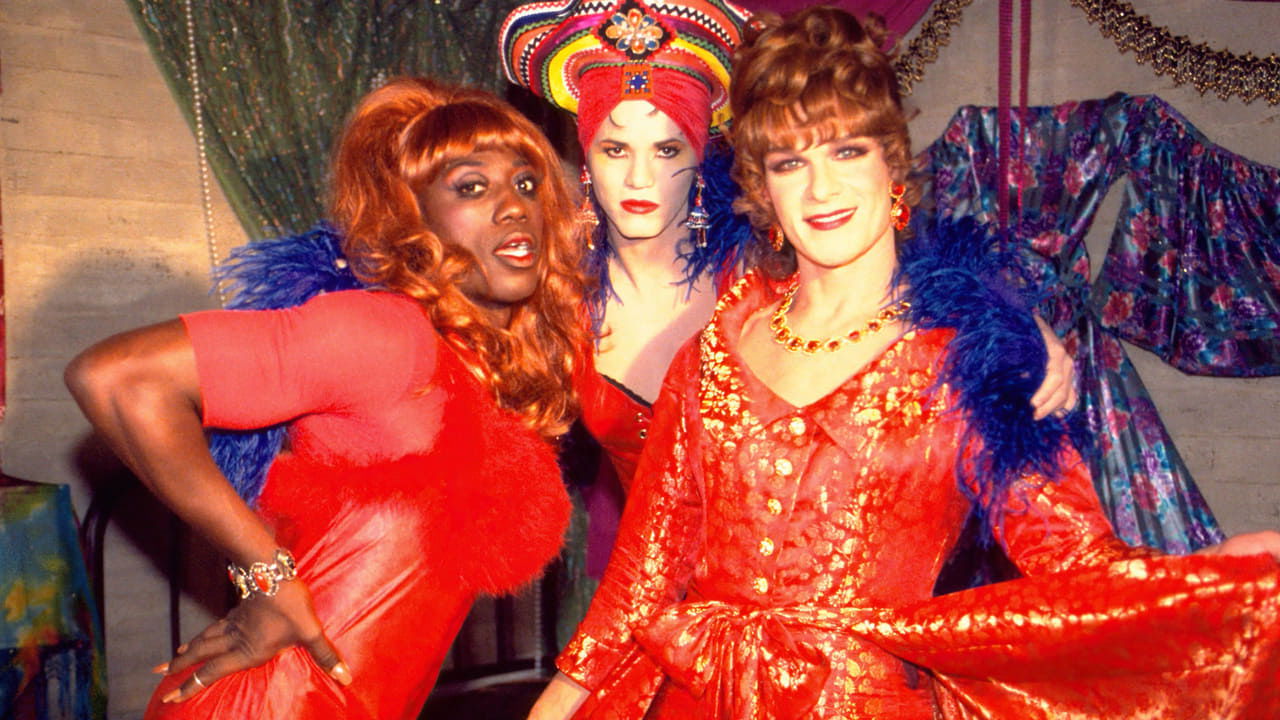

While To Wong Foo arrived hot on the heels of the Australian indie hit The Adventures of Priscilla, Queen of the Desert (1994), leading to inevitable comparisons, it carves out its own distinct identity. Where Priscilla was perhaps edgier and more bittersweet, To Wong Foo aims squarely for the heartstrings, delivering a warmer, more accessible fairy tale. The script is packed with quotable lines ("Little Latin boy in drag, why are you crying?") and genuinely funny situations, but it never loses sight of its core message about finding your people and embracing who you are. The production design and costumes are, naturally, a highlight – transforming Snipes, Swayze, and Leguizamo required hours in the makeup chair and wardrobes bursting with sequins and style. Leguizamo, having prior experience performing in drag, apparently gave his co-stars plenty of tips.
The film wasn't afraid to touch on darker themes, like domestic abuse and homophobia (personified by Chris Penn's unsettling Sheriff Dollard, who pursues the trio after an earlier encounter), but it handles them with a surprisingly gentle touch, always prioritizing hope and resilience. And who could forget the titular Julie Newmar? Her signed photo serves as a guiding talisman for Vida, and her actual cameo near the end feels like a perfect blessing bestowed upon the journey. The origin of the title itself is a charming bit of trivia: writer Douglas Carter Beane supposedly saw the photo in a restaurant and was inspired.
### A Feel-Good Rewind
Upon release, To Wong Foo was a moderate box office success (grossing around $47 million worldwide against a $15 million budget – not bad!) but perhaps didn't quite get the critical acclaim it deserved at the time, often overshadowed by the Priscilla comparisons. However, like so many beloved VHS tapes, its reputation has only grown over the years. It’s become a cherished comfort watch, a film celebrated for its humour, its warmth, and its pioneering (for Hollywood) depiction of drag culture with empathy and affection. The soundtrack, featuring classics like Patti LaBelle's "Turn It Out" and Salt-N-Pepa's "I Am The Body Beautiful," is pure 90s feel-good energy.
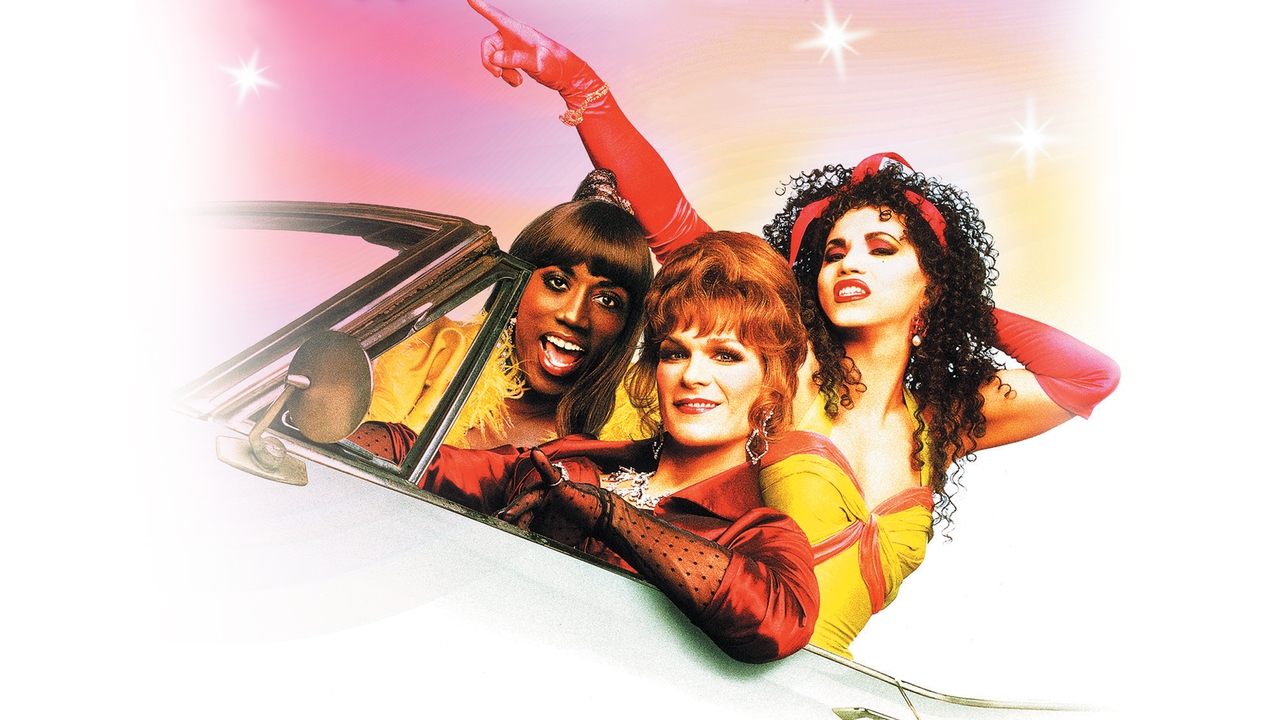
Rating: 8/10
To Wong Foo earns its high marks for sheer audacity, infectious charm, and the unforgettable performances of its central trio. While some plot elements might feel a bit sweet or simplistic through modern eyes, the film's genuine heart, witty script, and message of acceptance remain potent. It navigates its potentially tricky subject matter with grace and humour, leaving you feeling better for having watched it.
Final Take: A road trip powered by charisma, kindness, and killer heels, To Wong Foo is a reminder that sometimes the most fabulous treasures were found tucked away on the comedy shelves of the video store, ready to brighten your night with unexpected warmth and sparkle. Definitely worth hitting rewind on.