There's a certain kind of New York story, frantic yet somehow intimate, that seemed to flourish in the late 70s and early 80s. It’s a world captured perfectly on those slightly fuzzy VHS tapes, the city itself feeling like another character – bustling, demanding, yet capable of surprising tenderness. Arthur Hiller’s Author! Author! (1982) fits snugly into this niche, offering a portrait of domestic chaos swirling around a Broadway playwright that feels both specific to its time and surprisingly resonant. What lingers most, perhaps unexpectedly, is the image of Al Pacino, an actor synonymous with volcanic intensity, navigating this whirlwind with a frazzled, deeply human warmth.
A Playwright's Tangled Web
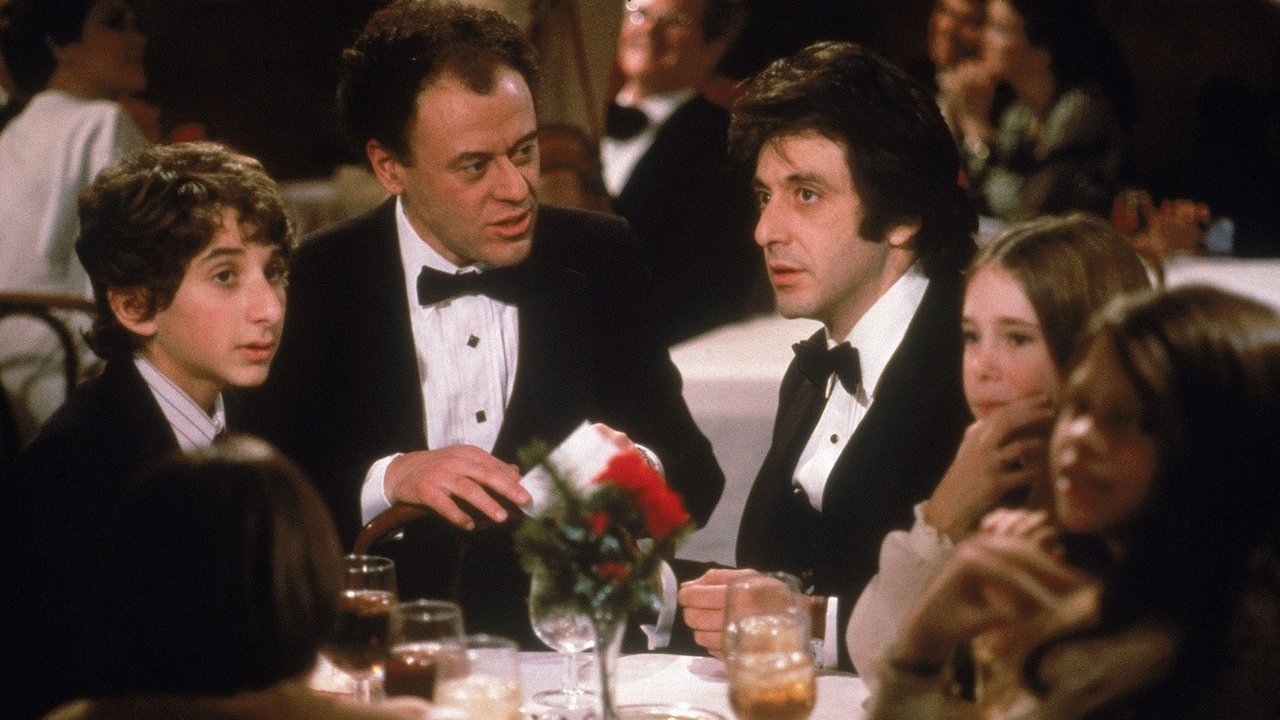
The premise, penned by playwright Israel Horovitz drawing heavily from his own life experiences, centers on Ivan Travalian (Al Pacino). Ivan is trying to salvage his latest play during frantic out-of-town previews while simultaneously dealing with the sudden departure of his wife, Gloria (Dyan Cannon). The complication? Gloria leaves behind not only Ivan but her four children from three previous marriages, plus their shared young son. Suddenly, Ivan is a single father to a bustling, disparate brood, juggling rewrites, rehearsals, and the emotional turmoil of five kids who desperately need stability. It’s a setup ripe for both sitcom shenanigans and genuine pathos, and the film tries earnestly to deliver both. Hiller, who masterfully balanced romance and tragedy in Love Story (1970), aims for a similar blend here, capturing the harried energy of Ivan's life against the backdrop of the theatre world and a distinctly pre-Giuliani New York.
Pacino Against Type?
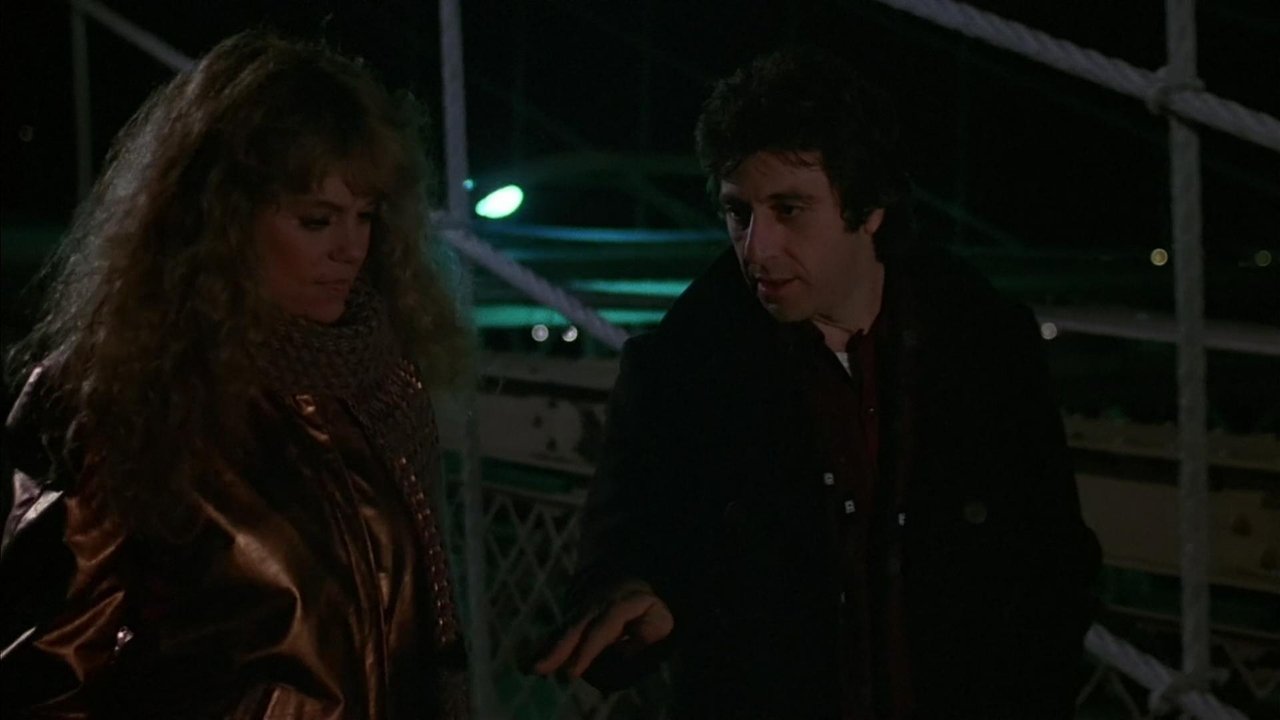
Seeing Pacino in this role, sandwiched between the gritty intensity of Cruising (1980) and the operatic violence of Scarface (1983), feels like discovering a hidden track on a familiar album. He reportedly took the part seeking lighter fare, and perhaps connecting with Horovitz’s personal story of artistic struggle and parental responsibility. There’s no denying the effort; Pacino sheds the simmering danger for weary exasperation and palpable affection. His Ivan is overwhelmed but fundamentally decent, his love for these children – biologically his or not – feeling authentic. Watching him try to reason with five kids while fielding notes from producers is both comedic and touching. Does he completely disappear into the role of a frazzled dad? Maybe not entirely – the Pacino intensity flickers occasionally, particularly in his theatrical dealings – but the vulnerability he displays is compelling. It's a performance that showcases a different, gentler frequency for the actor, one we rarely saw again with such prominence.
A House Full of Personalities
The film leans heavily on the ensemble, particularly the children. They are, collectively, the source of Ivan's stress and his ultimate anchor. While managing such a large young cast must have presented challenges on set – a logistical feat in itself – the kids largely avoid cloying sentimentality. Ari Meyers (later of Kate & Allie fame) stands out as the eldest stepdaughter, acting as a sort of de facto den mother. Their interactions with Ivan feel naturalistic, capturing the messy, overlapping dialogue and shifting alliances of a real family unit under pressure. Dyan Cannon does her signature turn as the vivacious but unreliable Gloria, a whirlwind of emotion who creates chaos in her wake. And then there's Tuesday Weld as Alice Detroit, the compassionate lead actress in Ivan's play who offers a potential path towards a more stable future. Weld brings a grounded sensitivity that contrasts nicely with Cannon's effervescence, offering Ivan (and the audience) a glimpse of calm amidst the storm.

Finding Family in the Frenzy
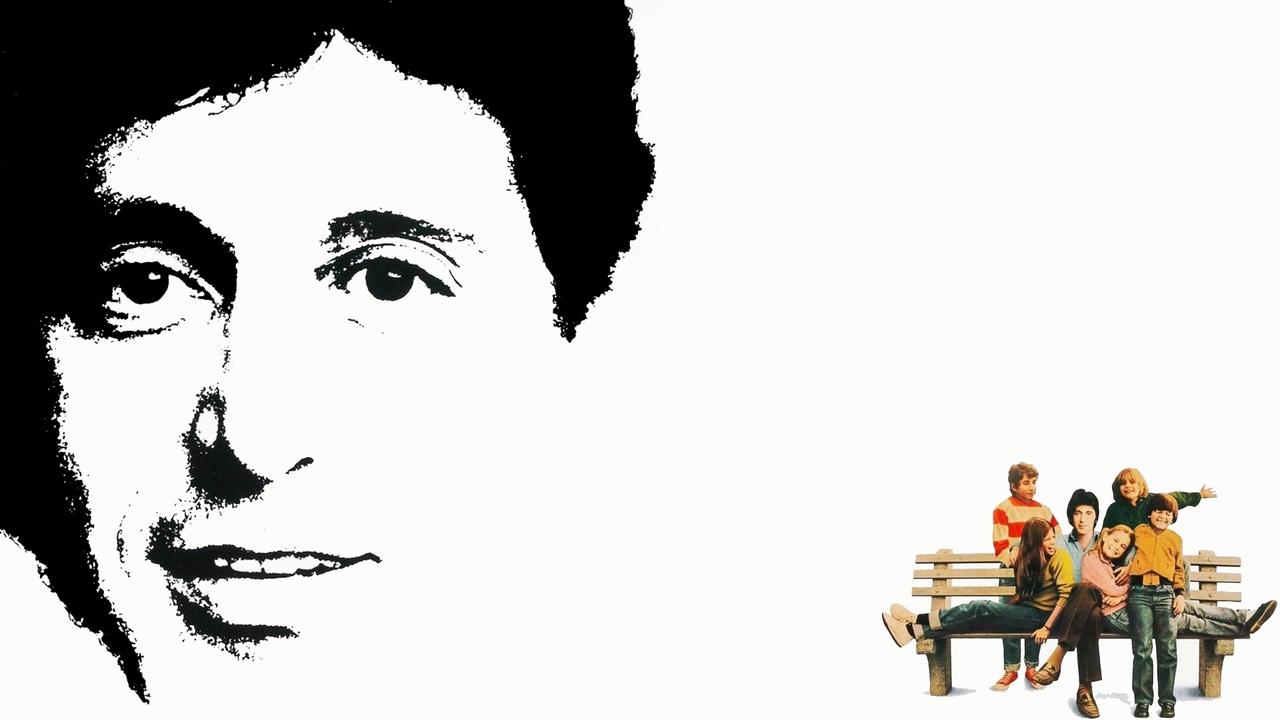
Horovitz's script, born from the raw reality of raising his own children after a separation, gives the film its emotional core. It asks questions about responsibility – what do we owe the children in our lives, regardless of biology? How does one balance creative passion with the relentless demands of family? These themes resonate, even if the execution sometimes dips into the kind of earnest sentimentality common in early 80s dramedies. The film’s $13 million budget didn’t translate into box office success (grossing only around $12.6 million), suggesting audiences perhaps weren't ready for this particular brand of Pacino, or maybe the blend of Broadway backstage drama and domestic strife felt slightly uneven. Critics at the time were similarly divided, praising Pacino's effort but often finding fault with the script's structure or perceived emotional manipulation. Yet, viewed through the nostalgic lens of VHS Heaven, these elements feel less like flaws and more like hallmarks of their era.
That Early 80s Feeling
There’s an undeniable charm in revisiting this kind of film today. It evokes memories of browsing video store shelves, maybe picking this one up expecting a typical Pacino thriller and being pleasantly surprised (or perhaps confused) by its gentle heart. The slightly grainy picture, the specific look of early 80s New York apartments, the very idea of juggling Broadway previews with five kids – it all feels wonderfully specific. It's a film less concerned with high-stakes plotting and more focused on the small, messy, often contradictory moments that make up a life. It reminds us that even cinematic titans known for portraying gangsters and rebels could step into the relatable shoes of a parent just trying to keep it all together. Remember finding gems like this nestled between the blockbusters?
Rating: 6/10
Author! Author! isn't a masterpiece, and its blend of comedy and drama doesn't always perfectly coalesce. The sentimentality can occasionally feel heavy-handed, and the plot mechanics sometimes strain credulity. However, Pacino's warm, committed performance offers a fascinating glimpse of the actor exploring a different register, and the film’s exploration of found families and the pressures of balancing art and life feels genuinely heartfelt. It’s anchored by believable turns from the child actors and captures a specific early 80s New York energy. For fans of Pacino curious about his less-seen work, or for anyone with affection for the earnest dramedies of the era, this tape is worth dusting off.
It leaves you pondering not grand dramatic questions, but quieter ones about the unexpected ways families form and the quiet heroism often required just to get through the day.