It begins and ends around a Thanksgiving table, a framing device both comforting and deceptively simple for the intricate, often messy web of lives unfolding within. Watching Woody Allen's Hannah and Her Sisters (1986) today feels like revisiting not just a film, but an entire emotional landscape particular to that slice of the mid-80s. It wasn't the kind of tape you grabbed for explosions or jump scares; renting this felt like settling in for something quieter, more resonant, a complex tapestry of adult relationships that lingered long after the VCR clicked off.
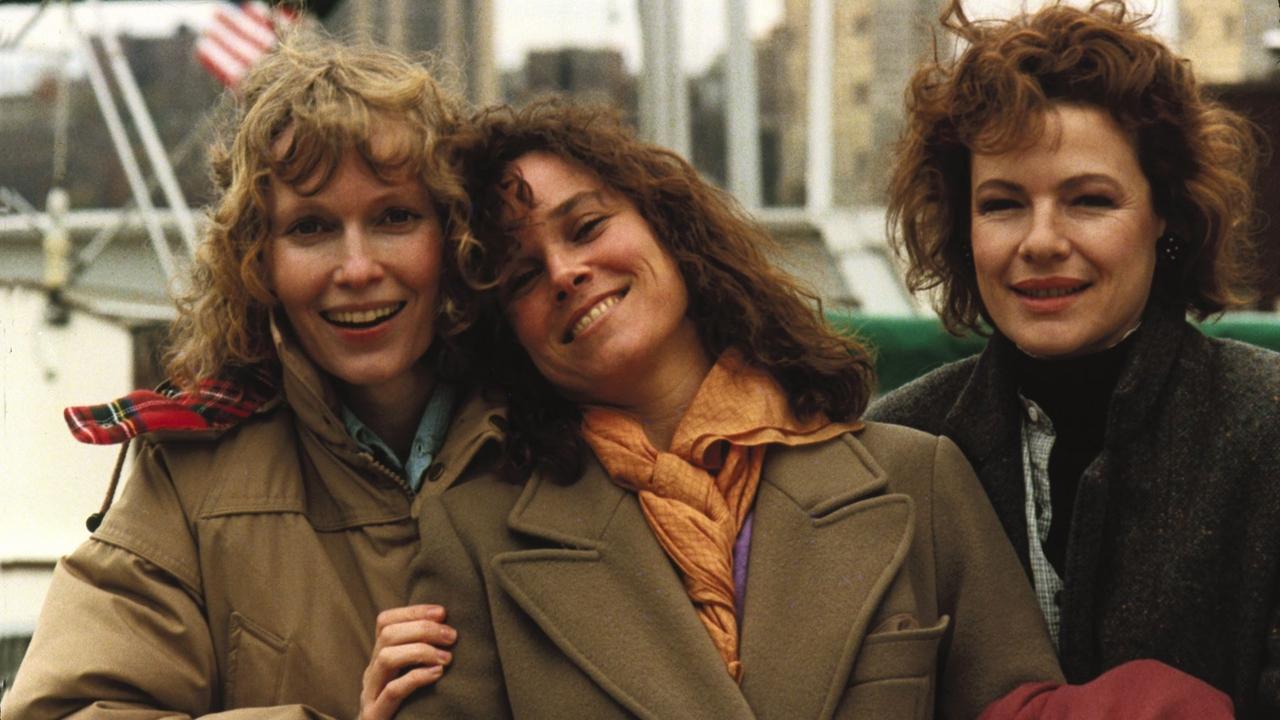
A Family Portrait, Cracks and All
At its heart, the film orbits three sisters in New York City. There's Hannah (Mia Farrow), the successful actress, devoted wife, and seemingly stable center around which everyone else revolves. Then Lee (Barbara Hershey), living with a pretentious older artist, Frederick (Max von Sydow), feeling creatively and emotionally stifled. And finally, Holly (Dianne Wiest), the flailing, insecure bundle of nerves bouncing between acting auditions, catering businesses, and romantic entanglements. Their lives intersect, overlap, and sometimes collide dramatically over two years, bookended by those crucial Thanksgiving gatherings.
What makes Hannah and Her Sisters endure isn't necessarily a groundbreaking plot – infidelity, existential angst, artistic frustration, and the search for connection are familiar Allen territories. Instead, it's the sheer, unvarnished humanity he captures. The film excels in portraying the quiet desperations, the unspoken tensions, and the fragile alliances that define so many families. Allen uses chapter-like intertitles, almost like a novel, allowing us glimpses into individual characters' thoughts and anxieties, creating a rich, polyphonic narrative.

Performances That Breathe
The ensemble cast here is nothing short of remarkable, each actor finding a specific truth in their character. Mia Farrow embodies Hannah's nurturing strength but also hints at the potential burdens and perhaps unknowing complacency that come with being the reliable one. Barbara Hershey conveys Lee's yearning and quiet dissatisfaction with subtle grace. And Dianne Wiest? Her performance as Holly is a masterclass in vulnerability and neurotic charm, a performance brimming with insecurity and desperate hope that rightly earned her an Academy Award for Best Supporting Actress. You feel every failed audition, every awkward social encounter, every flicker of ambition.
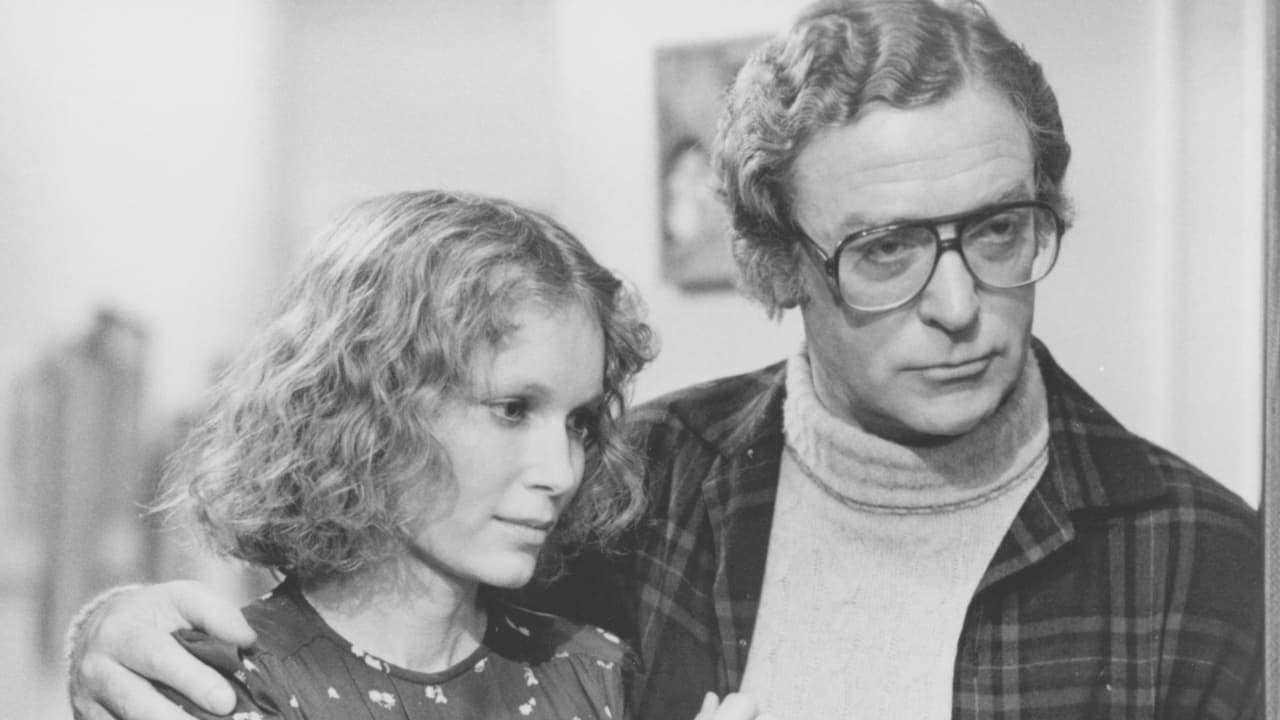
Then there's Michael Caine as Elliot, Hannah's husband, who becomes infatuated with Lee. Caine delivers a performance of exquisite inner conflict, his suave exterior barely concealing a swirling vortex of desire, guilt, and self-deception. It’s a complex portrayal that avoids easy caricature; Elliot isn't simply a villain. Apparently, Caine initially approached the role thinking Elliot was the romantic hero, only for Woody Allen to gently correct him: "No, he's the schmuck." That understanding informs the brilliance of the performance – the awareness of his own weakness – and secured Caine his own well-deserved Oscar for Best Supporting Actor. Allen himself appears as Mickey Sachs, Hannah's hypochondriac ex-husband, navigating his own existential terror with trademark wit and anxiety. His journey towards finding some semblance of meaning provides the film's most overtly philosophical (and often funniest) thread.
New York State of Mind
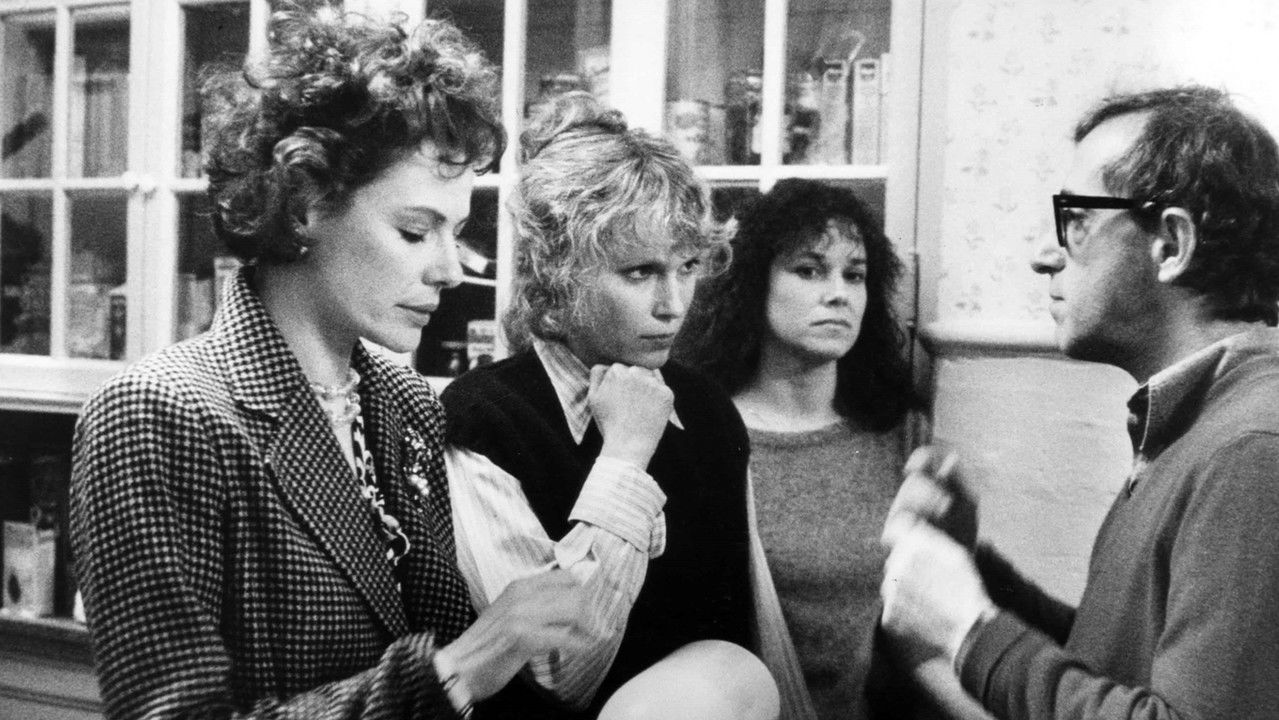
Allen's direction is fluid and observational. His camera drifts through apartments, lingers on faces, and captures the specific energy of Manhattan in the 80s – the bookstores, the cinemas, the bustling streets, the quiet parks. It feels less like watching a movie and more like being granted intimate access to these people's lives. The city isn't just a backdrop; it's woven into the fabric of their experiences, shaping their encounters and moods. The film's structure, moving between characters and moments, punctuated by classical pieces and jazz standards, feels perfectly attuned to the rhythms of urban life and the ebb and flow of complex relationships. Made for a reported $6.4 million, its $40 million domestic gross (roughly $110 million today) and critical adoration, including that Best Original Screenplay Oscar for Allen, proved audiences were hungry for sophisticated, character-driven stories.
Why It Still Resonates
Watching Hannah and Her Sisters now, perhaps on a format far removed from the hefty VHS cassette I first rented from a long-gone local store, its power remains undiminished. It asks questions about love, fidelity, mortality, and the messy business of finding happiness – or at least acceptance. What does it mean to be connected? How do we navigate the often-contradictory desires that pull us in different directions? The film doesn't offer easy answers, but rather presents these human dilemmas with uncommon empathy and intelligence. It acknowledges the pain and confusion but ultimately lands on a note of cautious optimism, suggesting that even amidst the chaos, connection and moments of grace are possible.
Rating: 9/10
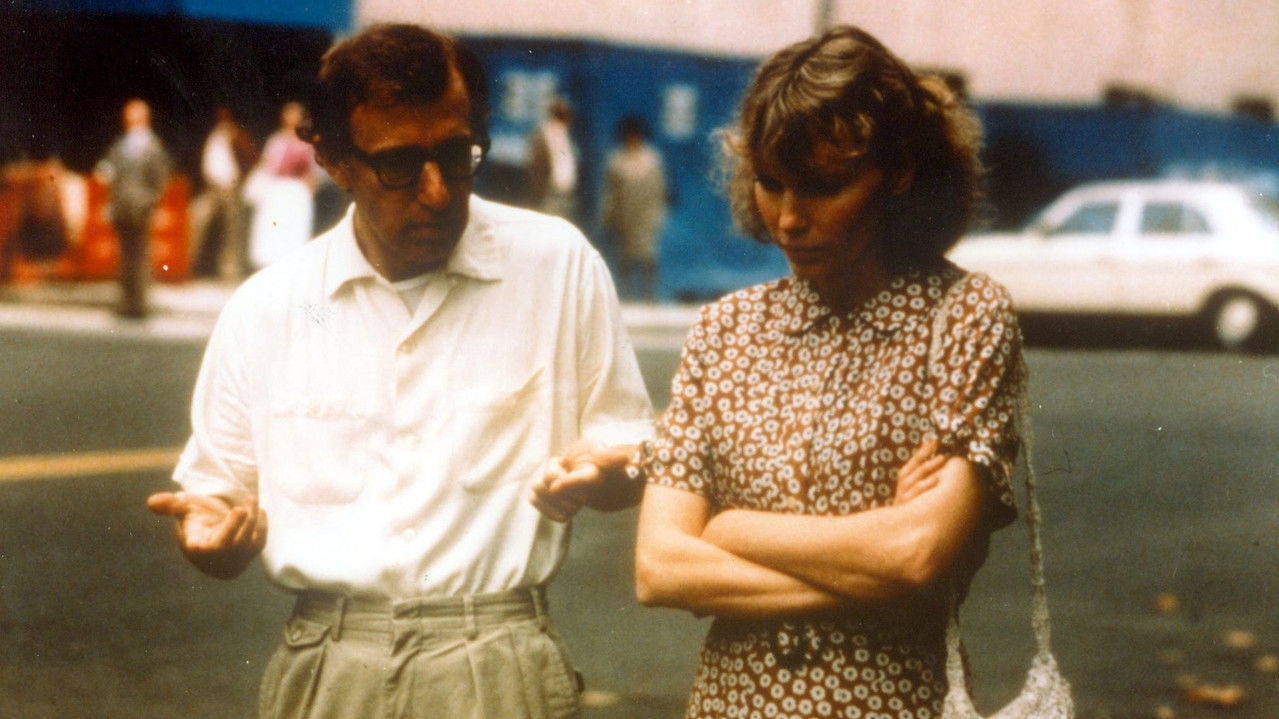
This score reflects the film's masterful ensemble acting, its intelligent and deeply human script, and Allen's assured direction. It's a high point in his filmography, capturing a specific blend of comedy and drama with exceptional skill. The performances, particularly from Caine and Wiest, are career highlights, and the film’s thoughtful exploration of complex relationships feels timeless. It avoids neat resolutions, embracing ambiguity in a way that feels true to life.
Hannah and Her Sisters remains a rich, rewarding cinematic experience, a reminder that sometimes the most profound stories are found not in grand gestures, but in the quiet intricacies of the human heart, played out around a familiar dinner table. It leaves you pondering the delicate, resilient, and often bewildering nature of family itself.