## When the Wrong Man Gets the Right Reward: Revisiting 'Hero' (1992)

It starts with a crash, a terrifying spectacle piercing through a rainy Chicago night. A passenger plane goes down, and amidst the chaos, fire, and fear, someone walks into the wreckage and starts pulling people out. An anonymous act of staggering courage. But what happens when the identity of that hero becomes... complicated? That's the knot at the heart of Stephen Frears' 1992 film Hero (or Accidental Hero, as it was known outside the US – a title change reportedly made to avoid confusion with 1988's The Accidental Tourist). Watching it again now, decades removed from its initial release, the film feels like a fascinating time capsule, a Frank Capra-esque premise filtered through the burgeoning cynicism of the early 90s.
An Unlikely Samaritan
At the center of it all is Bernie LaPlante, played with magnificent scuzziness by Dustin Hoffman. Bernie isn't just unlikeable; he's a petty thief, a deadbeat dad, a fast-talking con man perpetually looking for the angle, the shortcut, the score. He’s the guy who loses a shoe rescuing people from a burning plane and complains about it. Hoffman leans into Bernie’s abrasive nature, refusing to sand down the character’s rough edges. It’s a performance that dares you to find sympathy, forcing us to confront the uncomfortable truth that heroism can emerge from the most unexpected, even undeserving, sources. Bernie stumbles into heroism reluctantly, driven perhaps less by altruism than by a fleeting impulse he barely understands himself, before vanishing back into the anonymity he prefers.
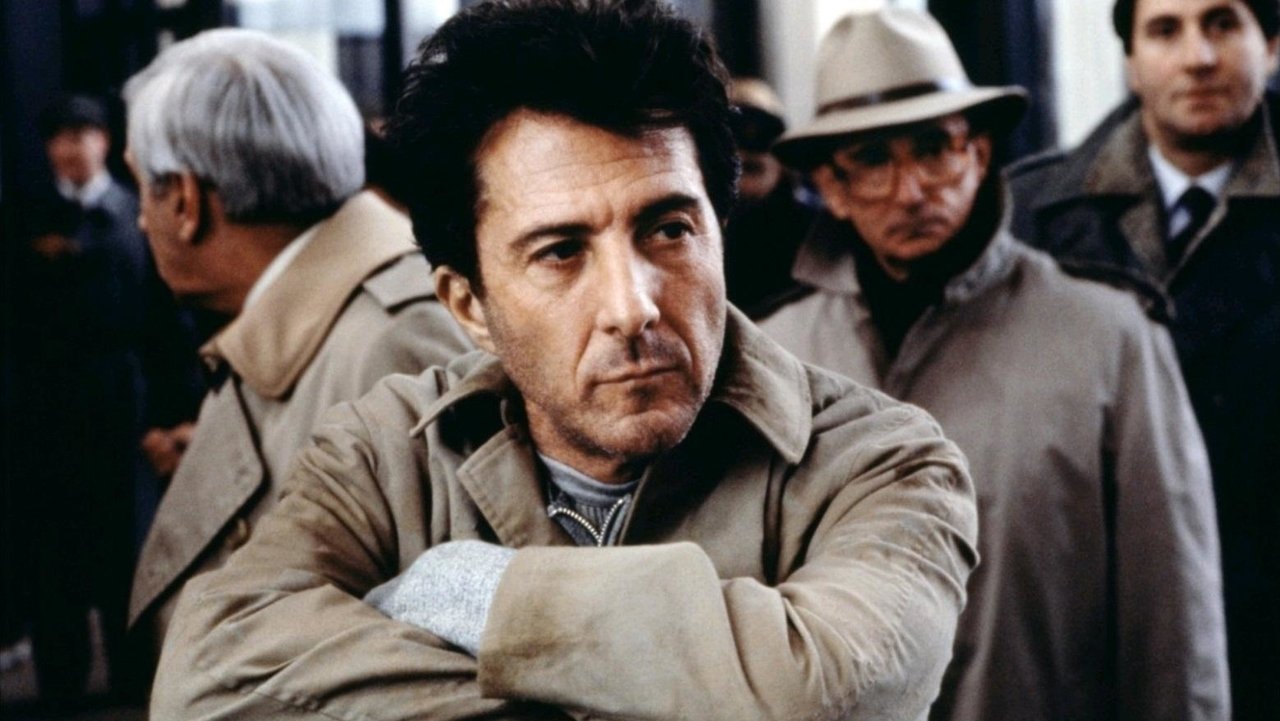
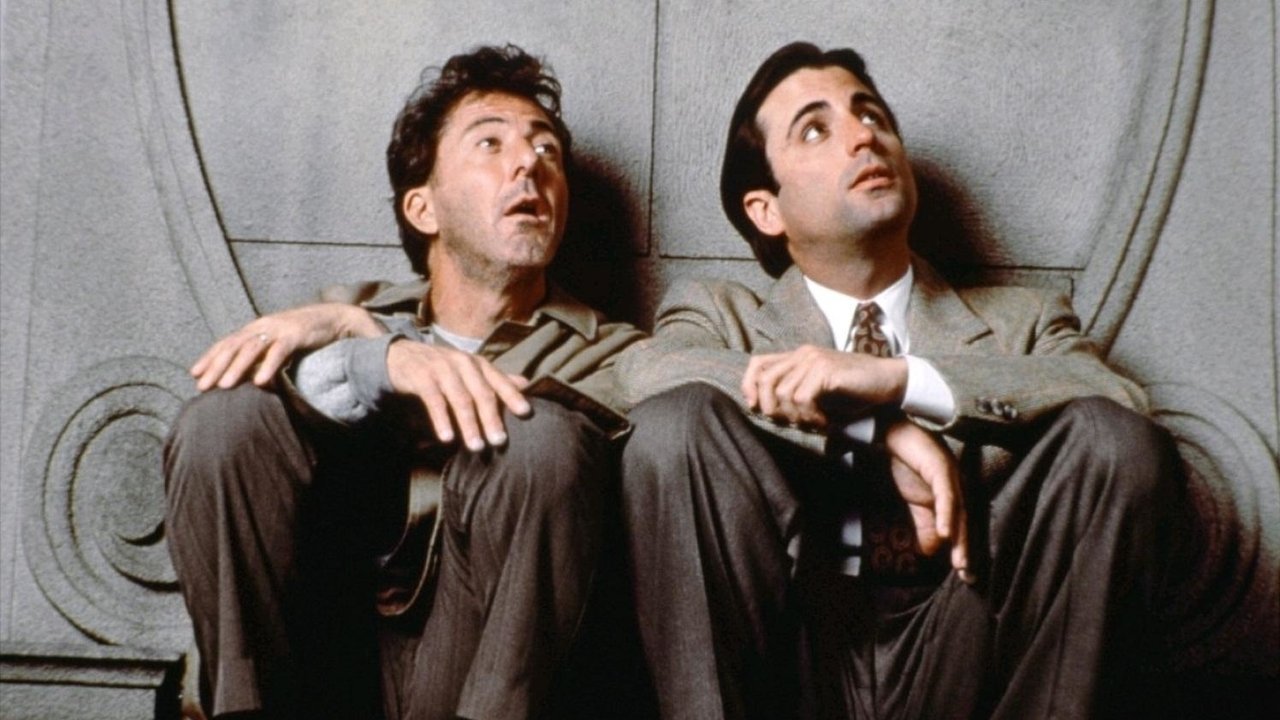
His counterpoint is John Bubber (Andy Garcia), a handsome, articulate, homeless Vietnam vet who happens upon Bernie's remaining shoe (containing clues to the rescue) and, with a nudge from circumstance, finds himself lauded as the "Angel of Flight 104." Garcia plays Bubber with a smooth, almost ethereal charm. He looks the part, sounds the part, and quickly becomes the media darling everyone wants the hero to be. Garcia masterfully portrays a man initially swept up in a lie, then grappling with the weight and warmth of undeserved adoration. Doesn't his performance perfectly capture that seductive pull of wanting to be better than you are, even if it's built on falsehood?
The Media Machine and the Message
Caught between these two men is Gale Gayley (Geena Davis), an ambitious television reporter who was on the downed plane. Saved by the anonymous hero, she launches a campaign – complete with a million-dollar reward from her network – to find him. Davis, fresh off her powerhouse role in Thelma & Louise (1991), brings a sharp intelligence and vulnerability to Gale. She’s initially driven by the story, the career boost, but her interactions with both Bernie and Bubber force her to question the narrative she’s helping to shape. Her journey reflects the film's core exploration: what is the real story, and does the public even want it if it doesn't fit the preferred, feel-good mold? The news station, with its slick operations and ratings-hungry director Deke (a perfectly cast cameo by Chevy Chase), serves as a potent symbol of how media can construct, and sometimes distort, reality. Remember those frantic news cycles of the early 90s? Hero captures that burgeoning 24/7 pressure quite effectively.

Crafting the Conundrum
Stephen Frears, known for navigating complex characters in films like Dangerous Liaisons (1988) and The Grifters (1990), directs with a steady hand, balancing the comedic elements (mostly stemming from Bernie's sheer inappropriateness) with the underlying drama and social commentary. The screenplay, credited to Laura Ziskin (who also produced and reportedly conceived the story after pondering media cynicism), Alvin Sargent (Ordinary People, Spider-Man 2), and David Webb Peoples (Blade Runner, Unforgiven), feels layered. It asks compelling questions about the nature of identity, the performance of virtue, and whether society values the deed or the image of the doer.
Retro Fun Facts: Behind the Heroics
- The spectacular plane crash sequence, a major set piece early in the film, was notoriously complex and expensive to film, involving detailed miniatures and large-scale practical effects on studio backlots, showcasing the kind of tangible filmmaking magic that feels distinct to the era.
- Despite its stellar cast and compelling premise, Hero was a box office disappointment, grossing only around $19.5 million domestically against a $42 million budget (roughly $85 million today). Perhaps its blend of cynicism and sentimentality didn't quite connect with audiences at the time, or maybe it got lost in the shuffle of other early 90s releases. Its international title, Accidental Hero, arguably captures the film's essence more directly.
- The script reportedly went through significant development. Bringing in talents like Sargent and Peoples suggests a commitment to nailing the tricky tonal balance and thematic depth.
- Joan Cusack also delivers a memorable supporting performance as Bernie's exasperated lawyer, adding another layer of grounded reality amidst the media circus.
Does the Truth Matter?
What lingers most after watching Hero again isn't just the clever premise or the strong performances, but the questions it poses about our collective need for heroes and the stories we tell ourselves. Bernie, the actual hero, is deeply flawed, messy, and inconvenient. Bubber, the imposter, is palatable, inspiring, and fits the narrative perfectly. The film forces us to ask: If the 'wrong' person does the right thing for murky reasons, does it diminish the act itself? And if a 'right' seeming person provides comfort and inspiration based on a lie, where does the greater value lie?
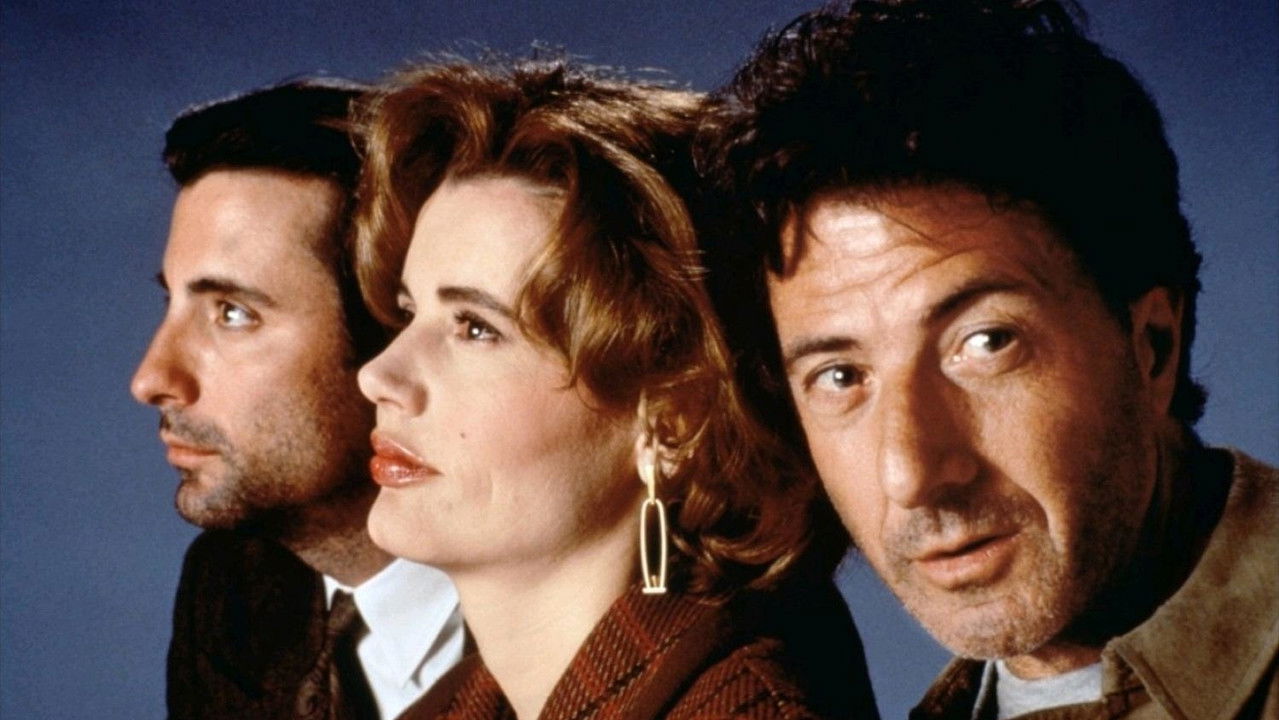
It’s a film that feels remarkably relevant today, perhaps even more so in our era of curated online personas and viral narratives. It doesn't offer easy answers, instead leaving the viewer to ponder the complexities of human nature and the often-blurry line between perception and reality. My old VHS copy got plenty of wear, and revisiting it now confirms its thoughtful exploration remains compelling.
VHS Heaven Rating: 7.5/10
Hero stands as a well-crafted, thought-provoking dramedy anchored by excellent performances, particularly Hoffman's committed portrayal of an anti-hero. Its exploration of media manipulation and the nature of heroism feels timely, and Frears navigates the tricky tone with skill. While it might have underperformed initially and perhaps gets occasionally caught between satire and sentimentality, its core dilemma is fascinating and executed with intelligence. It didn't become the timeless classic some might have expected, but it remains a truly engaging piece of early 90s filmmaking that deserves revisiting. It leaves you wondering, long after the credits roll, about the heroes we choose and the stories we prefer to believe.