Okay, rewind your minds with me. Picture this: the cusp of the 80s, the local video store shelves lined with tantalizing covers, and amidst the slashers and space operas, there’s this one box. Little Darlings. Two of the biggest teen idols of the moment staring out, promising summer camp shenanigans. But unlike the goofy antics of Meatballs that hit the year before, this 1980 flick felt… different. It possessed a buzz, a certain notoriety whispered about on playgrounds and in locker rooms. It wasn't just about pranks; it was about something far more awkward, exciting, and frankly, for its time, audacious.

### Summer Camp Confidential
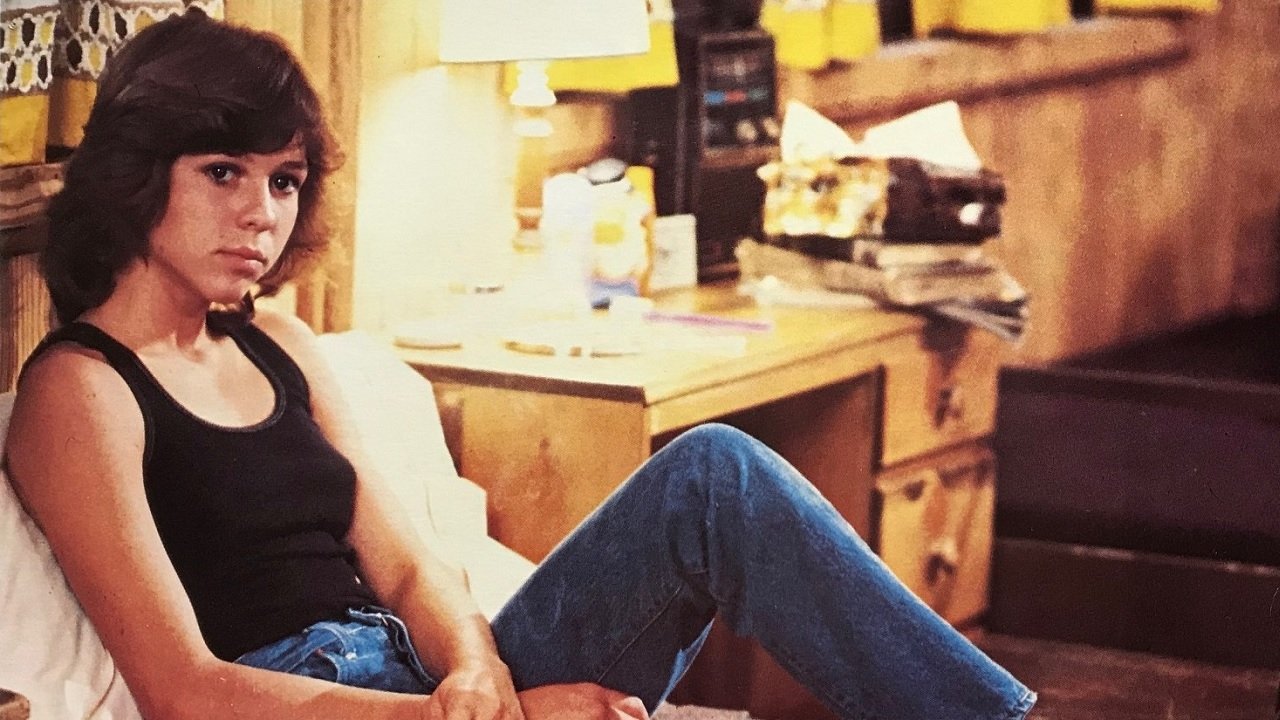
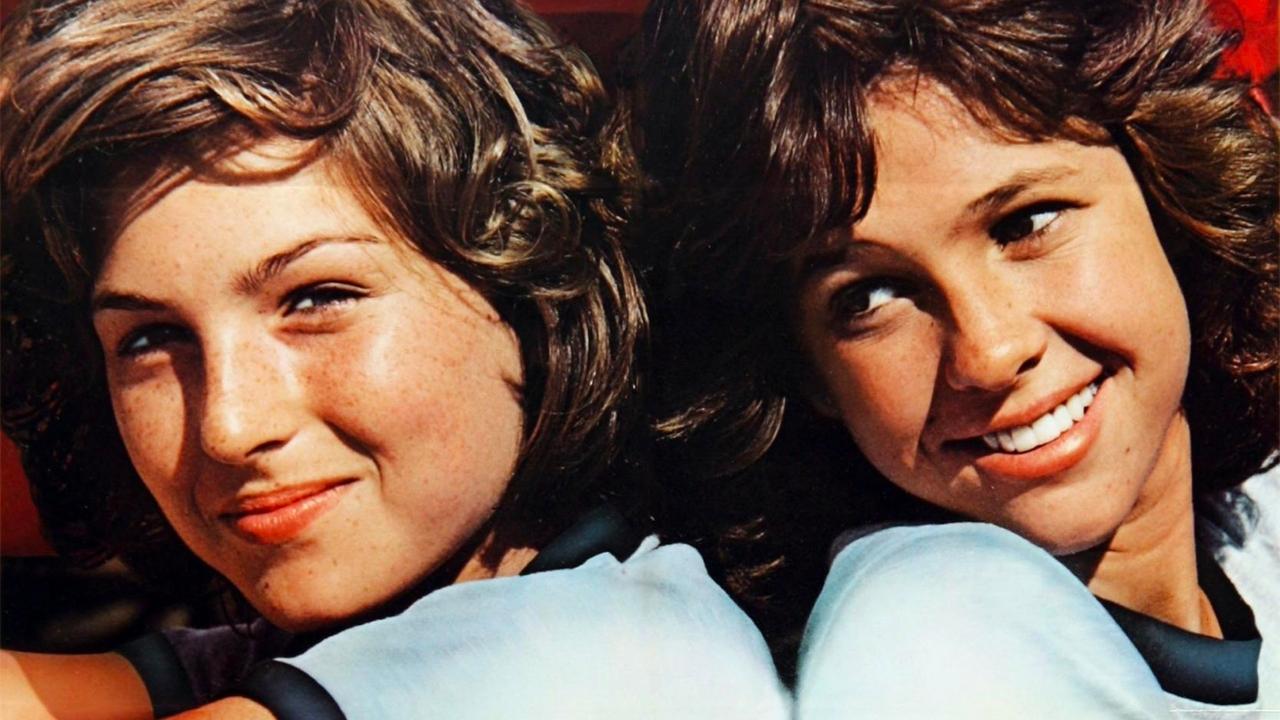
Little Darlings drops us smack into the middle of Camp Little Wolf, a seemingly idyllic summer retreat that quickly becomes a battleground for teenage hormones and social hierarchy. The conflict centres on two girls from opposite sides of the tracks: Ferris Whitney (Tatum O'Neal), the sophisticated, slightly aloof rich girl, and Angel Bright (Kristy McNichol), the tough-talking, chain-smoking kid from the wrong side of town. These weren't just any actresses; they were bonafide phenomena. O'Neal, still radiating the glow of being the youngest-ever Oscar winner for Paper Moon, and McNichol, fresh off two Emmy wins for the TV drama Family. Their real-world stardom absolutely crackled on screen, making their instant rivalry feel electric.
The premise that sparked all the talk? A cruel, competitive bet cooked up in the bunks: who can lose their virginity first before the summer ends? Ferris sets her sights on the older, handsome camp counselor, Gary (Armand Assante), while Angel targets Randy (Matt Dillon), a cocky boy from the nearby boys' camp. It’s a setup that feels quintessentially late-70s/early-80s – frank, a little uncomfortable, and exploring territory many teen films wouldn't dare touch so directly.

### More Than Just a Bet?
Directed by Ronald F. Maxwell, who would later helm the sprawling historical epic Gettysburg (quite the directorial shift!), Little Darlings walks a tightrope between raunchy teen comedy and surprisingly poignant coming-of-age drama. Written by Kimi Peck and Dalene Young, the script doesn't shy away from the awkwardness, the peer pressure, and the genuine emotional vulnerability simmering beneath the surface of teenage bravado. Yes, there are food fights (an absolute prerequisite for 80s camp movies, it seems!) and goofy moments, but the core of the film lies in the contrasting journeys of Ferris and Angel.
O'Neal brings a fascinating blend of world-weariness and hidden insecurity to Ferris. You see the cracks in her sophisticated facade as she pursues a man clearly too old and experienced for her, mistaking manipulation for romance. McNichol, meanwhile, absolutely nails Angel's street-smart toughness, which barely conceals a desperate longing for connection and a fear of intimacy. Her interactions with Matt Dillon, in one of his earliest and most memorable roles, feel raw and authentic, capturing the fumbling, often confusing nature of first relationships. And let's not forget Armand Assante as Gary; he manages to make the character charming yet appropriately unsettling, a necessary complexity for the storyline to work. His casting was a smart move, lending a certain weight to Ferris’s misguided pursuit.
### Retro Fun Facts: Controversy and Success
Little Darlings wasn't just another teen movie; it courted controversy right out of the gate, primarily due to its R-rating and frank handling of teenage sexuality. This was a time when such topics in mainstream film, especially starring such young, popular actresses, were still relatively shocking. Paramount Pictures leaned into this, with marketing that hinted at the provocative nature of the story. Despite, or perhaps because of, the controversy, the film was a significant financial success. Reportedly made on a modest budget (estimated around $5 million), it pulled in over $21.4 million domestically – a tidy profit that proved audiences were ready for (or at least curious about) stories tackling these themes. Filmed primarily at Hard Labor Creek State Park in Rutledge, Georgia, the setting provided that perfect, slightly hazy summer camp backdrop essential for the era's aesthetic. While some critics at the time found it exploitative, others recognized its attempt to portray the complexities of female adolescence with more honesty than usual.
### Does it Hold Up in the Rewind?
Watching Little Darlings today is definitely a trip back in time. The fashion, the dialogue, the very specific anxieties – it’s undeniably a product of its era. Some aspects, particularly the central bet and Ferris's storyline with Gary, might feel uncomfortable or problematic through a modern lens. The film doesn’t always navigate these tricky waters perfectly. However, what still resonates is the surprisingly earnest exploration of female friendship that develops between the two rivals. Beneath the competition and the posturing, Ferris and Angel find common ground in their shared vulnerability and confusion about growing up. Their tentative steps toward understanding each other feel genuine and provide the film's emotional anchor. It captures that weird, intense, sometimes toxic but often deeply felt bond that can form between teenage girls.
It’s a film that remembers how confusing and messy navigating adolescence can be, especially when grappling with burgeoning sexuality and societal expectations. It doesn’t offer easy answers, and the ending isn’t neatly tied up, reflecting a maturity often lacking in simpler teen fare.
***
VHS Heaven Rating: 7/10
Justification: Little Darlings earns its score for the powerhouse performances of its young leads, Tatum O'Neal and Kristy McNichol, who truly carry the film with remarkable depth for their age. Its willingness to tackle complex, controversial themes head-on in 1980 deserves recognition, setting it apart from fluffier contemporaries. While certain elements haven't aged perfectly and the central premise can feel exploitative, its surprising emotional honesty, particularly regarding female friendship and the awkwardness of growing up, still resonates. Add solid supporting turns from Armand Assante and Matt Dillon, its notable box office success despite the R-rating, and its undeniable place as a memorable, if slightly thorny, piece of early 80s cinema, and you have a film that's more than just a nostalgic curiosity.
Final Thought: It might not be the feel-good summer camp romp some VHS covers promised, but Little Darlings remains a fascinating, flawed, and surprisingly frank snapshot of teenage girlhood at the dawn of the 80s – a tape worth dusting off for its boldness alone.