Okay, pull up a chair, maybe grab a comforting beverage. Let's talk about a film that might have slipped past your radar back in the Blockbuster days unless you frequented the 'Foreign Films' section, but one that hits with a peculiar, almost unsettling resonance even now: Coline Serreau’s 1992 French comedy-drama, La Crise (The Crisis). It’s not about explosions or aliens, but about the kind of implosion many dread – the day when the carefully constructed scaffolding of a comfortable life suddenly gives way.

Remember those films that used humor not just for laughs, but to make sharp, sometimes uncomfortable observations about the way we live? La Crise belongs firmly in that category. It doesn’t offer easy answers or neat resolutions, which perhaps makes its presence on a dusty VHS shelf feel even more intriguing today. It asks us to look at ourselves, our relationships, and the often-absurd ways we navigate personal turmoil.
When It Rains, It Pours Parisian Style
The setup is brutally simple, yet instantly relatable. Victor (Vincent Lindon) is a successful Parisian consultant, seemingly living the good life. Then, in the span of a few hours, his world collapses. He’s fired from his job, and upon arriving home, discovers his wife has left him. Just like that. What follows isn't a quest for revenge or a grand gesture, but something far more grounded and, frankly, more human: Victor embarks on a desperate, increasingly frantic search for sympathy. He needs someone, anyone, to listen to his tale of woe.
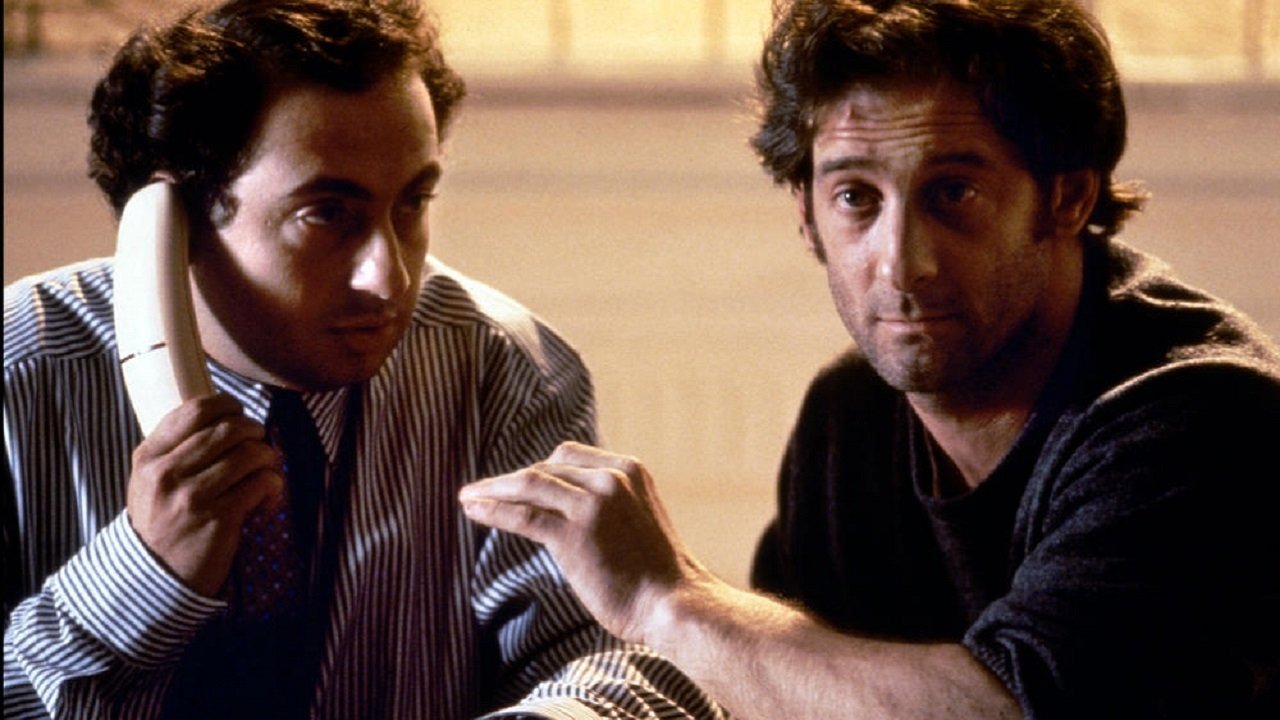
Lindon, already a compelling presence in French cinema, is pitch-perfect here. He captures that specific blend of shock, self-pity, and simmering entitlement that defines Victor. He’s not immediately likable in his meltdown; there’s a blindness to his privilege, an assumption that his problems should automatically take precedence. It's a performance that dares you to empathize while simultaneously recognizing the character’s deep flaws. Doesn't that feel uncomfortably familiar sometimes, the way we can get lost in our own narratives during tough times?
No Room at the Inn (For Your Problems)
Here's where Coline Serreau’s (who gifted us the original Trois hommes et un couffin / Three Men and a Cradle back in '85) sharp, César Award-winning script truly shines. Victor turns to his friends, his family, even near-strangers, expecting a shoulder to cry on. Instead, he finds that everyone else is drowning in their own, often far more severe, crises. His sister Isa (Zabou Breitman, wonderfully neurotic) is juggling relationship chaos, his mother (Maria Pacôme, stealing scenes with acidic pronouncements) offers barbed advice rather than comfort, and his friends reveal anxieties and betrayals simmering beneath their own respectable veneers.
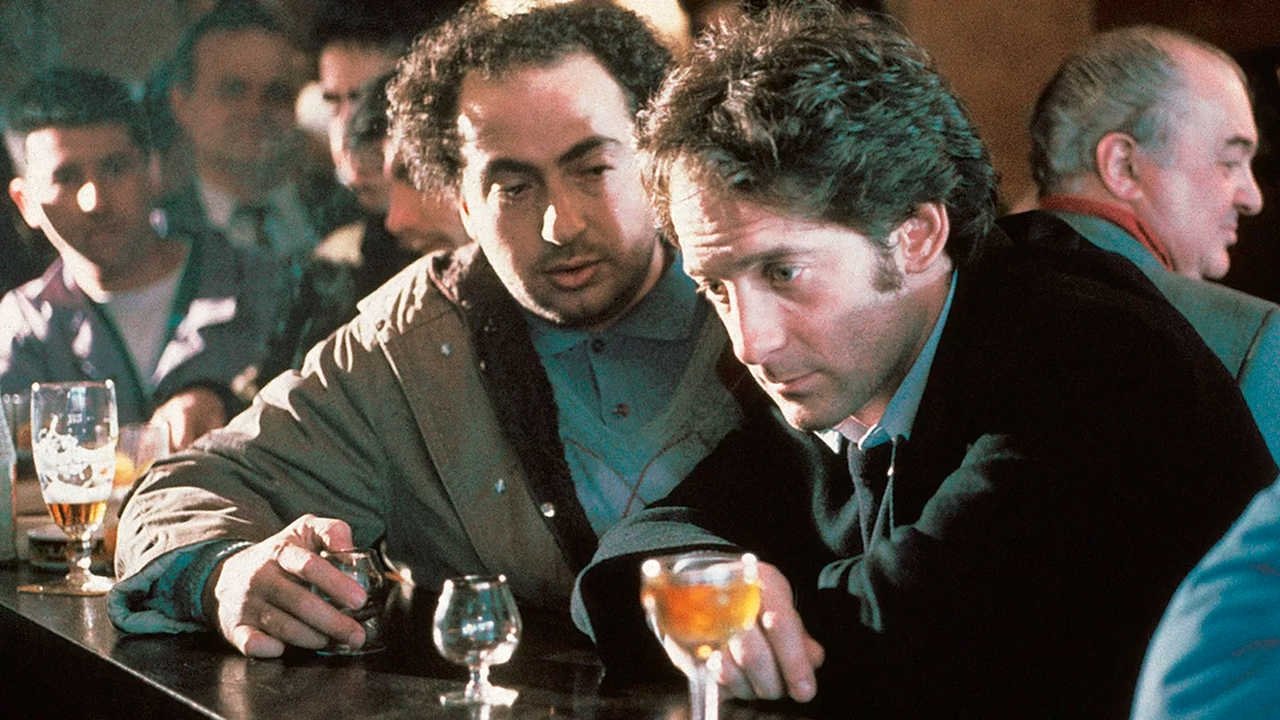

The film becomes a darkly comedic tapestry of modern urban alienation. Everyone is talking, but few are truly listening. Everyone is performing stability while grappling with hidden insecurities. It’s a snapshot of a society fraying at the edges, something that felt particularly poignant against the backdrop of economic uncertainty in early 90s Europe, and perhaps resonates even louder today.
The Unexpected Anchor
Amidst this whirlwind of self-absorbed characters, Victor finds an unlikely, almost accidental confidante in Michou (Patrick Timsit). Michou is homeless, seemingly simple-minded, yet possesses a strange, unvarnished wisdom and a surprising capacity for genuine connection, albeit expressed in unconventional ways. Timsit, known primarily as a stand-up comic in France at the time, delivers a remarkable performance, balancing comedic eccentricity with moments of profound vulnerability. It earned him a well-deserved César nomination for Best Supporting Actor. Their odd-couple dynamic forms the film's surprising emotional core – the successful man stripped bare finding a strange solace with someone society has largely discarded.
Retro Fun Facts & Lingering Echoes
La Crise was a significant hit in France, striking a chord with audiences and critics alike, snagging that Best Writing César for Serreau and racking up multiple acting nominations. It captured a specific cultural moment, but its themes feel timeless. While perhaps not a staple in every North American video store, subtitled copies did circulate, offering a different flavor of 90s cinema – less gloss, more grit, more introspection. I recall finding films like this tucked away, gems that felt like a discovery, a different kind of movie night experience than the usual Hollywood fare.
Watching it now, the film feels less like a pure comedy and more like a societal X-ray disguised as one. The humor is often born from awkwardness, from the jarring collision of Victor's expectations with the messy reality of other people's lives. There are moments you laugh, certainly, but it’s often followed by a pang of recognition. Serreau avoids easy sentimentality. Does Victor truly change by the end? Does anyone? The film leaves that ambiguous, suggesting that perhaps the best we can hope for is a flicker of self-awareness amidst the ongoing chaos.
Rating and Final Thought
8/10
La Crise earns its points for its sharp writing, uniformly excellent performances (especially from Lindon and Timsit), and its unflinching look at human connection – or the lack thereof – in modern life. It uses comedy not as an escape, but as a lens to examine uncomfortable truths. It might lack the visual spectacle of its blockbuster contemporaries, but its emotional and intellectual impact lingers.
It’s a potent reminder from the VHS vaults that sometimes the most profound crises aren't external threats, but the internal landscapes we navigate and the often-fumbling ways we reach out to each other. What happens when the noise of our own problems drowns out everything else? La Crise doesn't preach, but it certainly makes you think.