Step through the faded grandeur of a Moscow communal apartment, circa 1956, and you enter the irresistible world of The Pokrovsky Gates (Покровские ворота). It’s a place brimming with life, arguments, artistic aspirations, and tangled romantic knots – a microcosm rendered with such warmth and wit by director Mikhail Kozakov that it feels less like watching a film and more like eavesdropping on neighbours you’ve somehow known forever. This wasn't a blockbuster that stormed Western cinemas; originally made for Soviet television in 1982 (released 1983), its charm radiated outwards, eventually finding its way onto cherished VHS tapes for those seeking cinematic gems beyond the usual Hollywood fare.
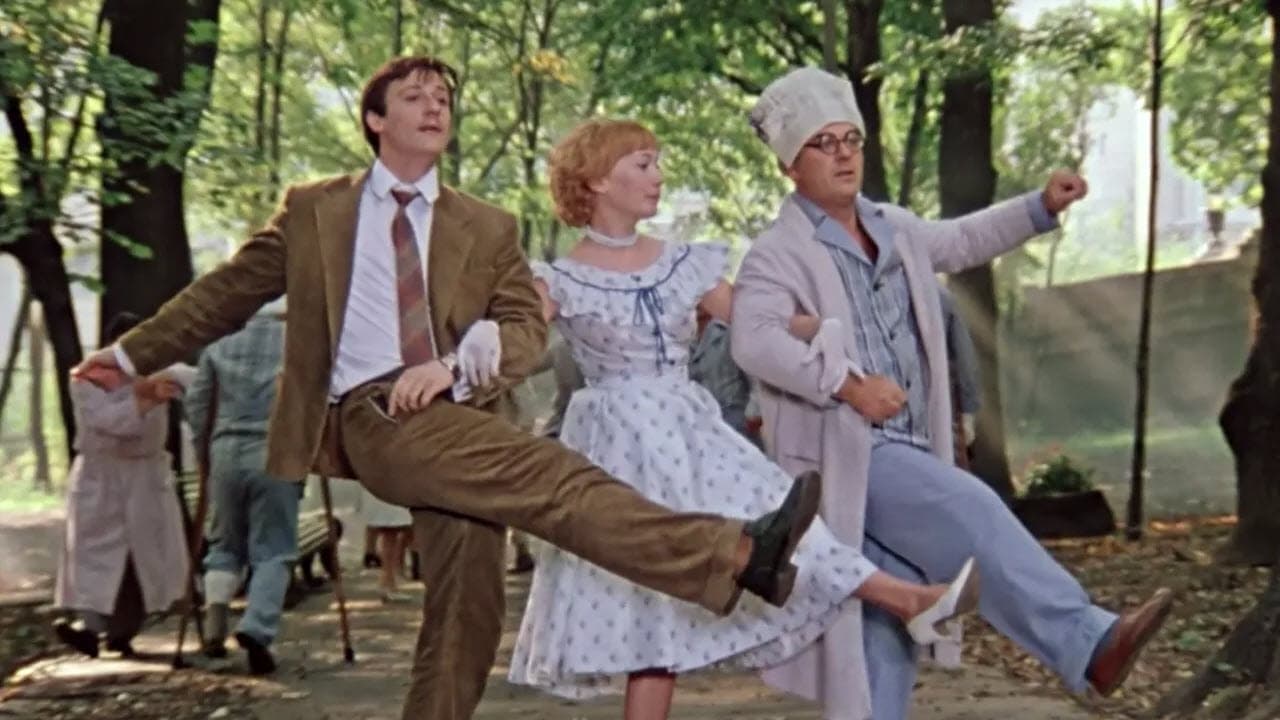
A Whirlwind Named Kostik
The catalyst for much of the gentle chaos is Kostik Romin, played by a young, impossibly energetic Oleg Menshikov in a role that instantly announced him as a major talent. Kostik arrives from the provinces to study history, moving in with his kindly Aunt Alisa (Sofiya Pilyavskaya). He’s ambitious, charmingly naive, and possesses an infectious optimism that throws the apartment’s established dynamics into delightful disarray. Menshikov doesn’t just play Kostik; he is the embodiment of youthful exuberance, navigating the eccentricities of his new neighbours with wide-eyed curiosity and a talent for getting entangled in their affairs. It’s a performance bursting with life, a reminder of that potent cocktail of hope and slight bewilderment that defines being young and finding your way. Remember feeling that invincible, slightly clueless energy? Kostik bottles it perfectly.
The Heart of the Matter: A Communal Tapestry
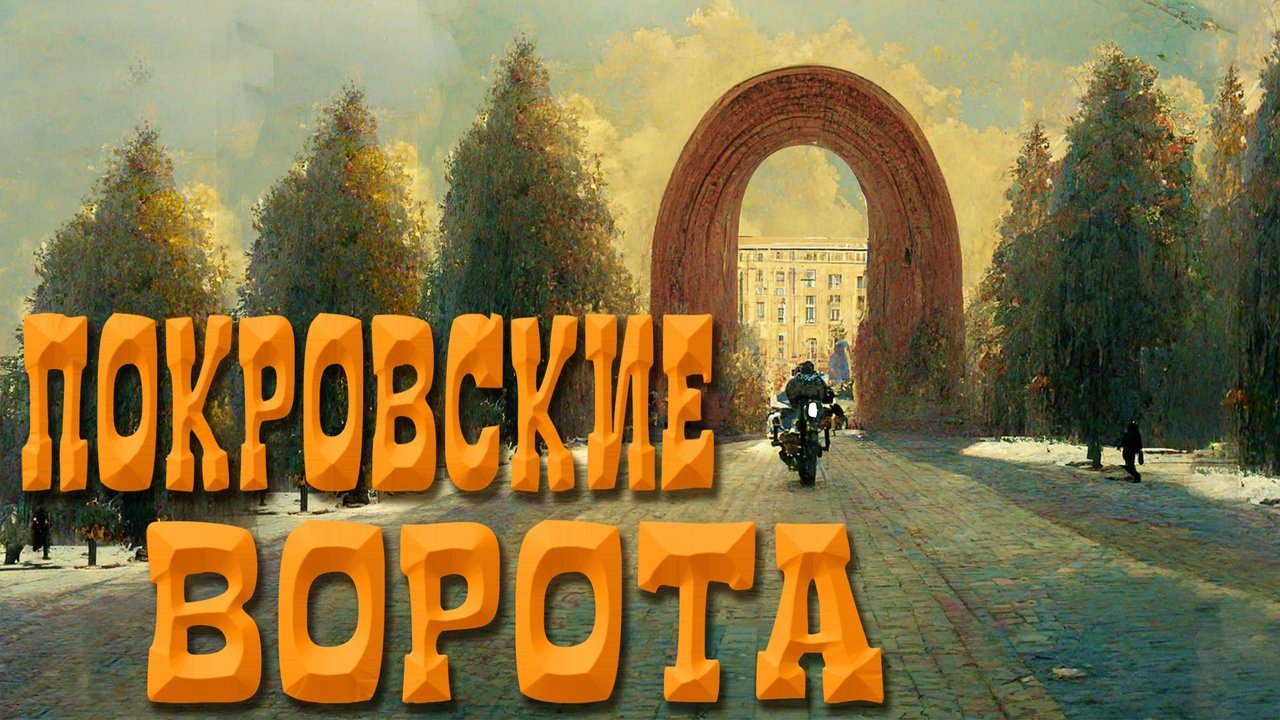
At the core of The Pokrovsky Gates lies the complex, often hilarious, relationship between Margarita Pavlovna (Inna Ulyanova), her ex-husband Lev Khobotov (Anatoly Ravikovich), and her current partner, the imposing but secretly sensitive Savva Ignatyevich (Viktor Bortsov). Margarita, a force of nature who translates poetry and manages her men with equal dramatic flair, still shares the apartment with the meek, intellectual Khobotov, even as she embarks on a new life with the practical Savva. Ulyanova is magnificent, delivering lines with theatrical relish and impeccable timing. You can almost feel the floorboards vibrate with her pronouncements. Ravikovich, meanwhile, finds the quiet dignity and gentle absurdity in Khobotov, a man adrift in his own home. Theirs is a situation ripe for farcical misunderstanding, yet Kozakov, working from Leonid Zorin's sparkling, semi-autobiographical play (Zorin himself lived near the actual Pokrovsky Gates in his youth), finds the human heart beneath the humour.
Adding another layer of soulful comedy is the performance poet Arkady Velyurov, brought to life with wonderful world-weariness by the great Leonid Bronevoy (whom many might recognize from the iconic Soviet spy series Seventeen Moments of Spring). Velyurov, constantly seeking inspiration and an appreciative audience, drifts through the narrative, offering commentary both poignant and absurd. His sighing pronouncements and artistic agonies are a perfect counterpoint to the romantic entanglements swirling around him.
Crafted Charm and Enduring Echoes
Despite being made in the early 80s, Kozakov masterfully evokes the atmosphere of the post-Stalinist "Thaw" era of the 1950s. The sun-drenched Moscow streets, the period details within the apartment, the fashions – it all feels authentic, a lovingly crafted time capsule. This wasn't achieved without effort; recreating the specific mood and look of the 50s on location in 80s Moscow presented its own set of challenges for the production team. Yet, the result feels effortless on screen. The film’s visual style is bright and optimistic, matching Kostik’s own outlook, and the dialogue crackles with wit. Many lines from The Pokrovsky Gates became instant catchphrases in Russia and remain widely quoted even today – a testament to the sharpness of Zorin's writing and the indelible nature of the performances.
It's fascinating to think that this film, now considered a beloved classic of Soviet cinema, was initially conceived for television. Its subsequent theatrical release and enduring popularity speak volumes about its universal themes and captivating characters. It captures something essential about shared living, the bittersweet pangs of past loves, the hopeful energy of youth, and the simple, profound connections forged in the everyday dance of life. It doesn’t shy away from the frustrations and tensions of communal living, but ultimately celebrates the resilience and affection that can blossom even in cramped quarters. Does it make you think about the unlikely friendships or bonds formed in your own past living situations?
There's a particular warmth here, a gentle humanism that feels increasingly rare. It’s a film devoid of cynicism, choosing instead to find the humour and heart in human folly. Watching it feels like settling in with old friends – flawed, perhaps eccentric, but fundamentally decent people trying to navigate life and love.
Rating: 9/10
This score reflects the film's sheer, undeniable charm, its brilliant ensemble cast firing on all cylinders (Menshikov, Ulyanova, Bronevoy, and Ravikovich are all superb), the witty and insightful script, and its remarkable success in capturing a specific time and place with warmth and humour. It's a near-perfect blend of comedy, romance, and gentle nostalgia. While perhaps a specifically Soviet story on the surface, its themes of youth, love, and navigating complicated relationships resonate universally.
The Pokrovsky Gates remains a delightful confection, a reminder that sometimes the most profound stories are found not in grand epics, but in the shared laughter and quiet heartbreaks echoing through the thin walls of an ordinary apartment building. It’s a film that leaves you smiling, perhaps a little wistful, and utterly charmed.