It starts deceptively simply, doesn't it? A mother checking on her sleeping infant daughter, convinced the child has stopped breathing. An act born of fierce, almost suffocating love, it sets the stage for one of the most indelible mother-daughter relationships captured on film. Watching Terms of Endearment (1983) again, decades after first sliding that well-worn cassette into the VCR, that opening scene hits differently. It’s not just foreshadowing; it's the thesis statement for everything that follows – the push and pull, the dependence and defiance, the messy, infuriating, unbreakable bond between Aurora Greenway and her daughter, Emma.
An Unbreakable, Unbearable Bond
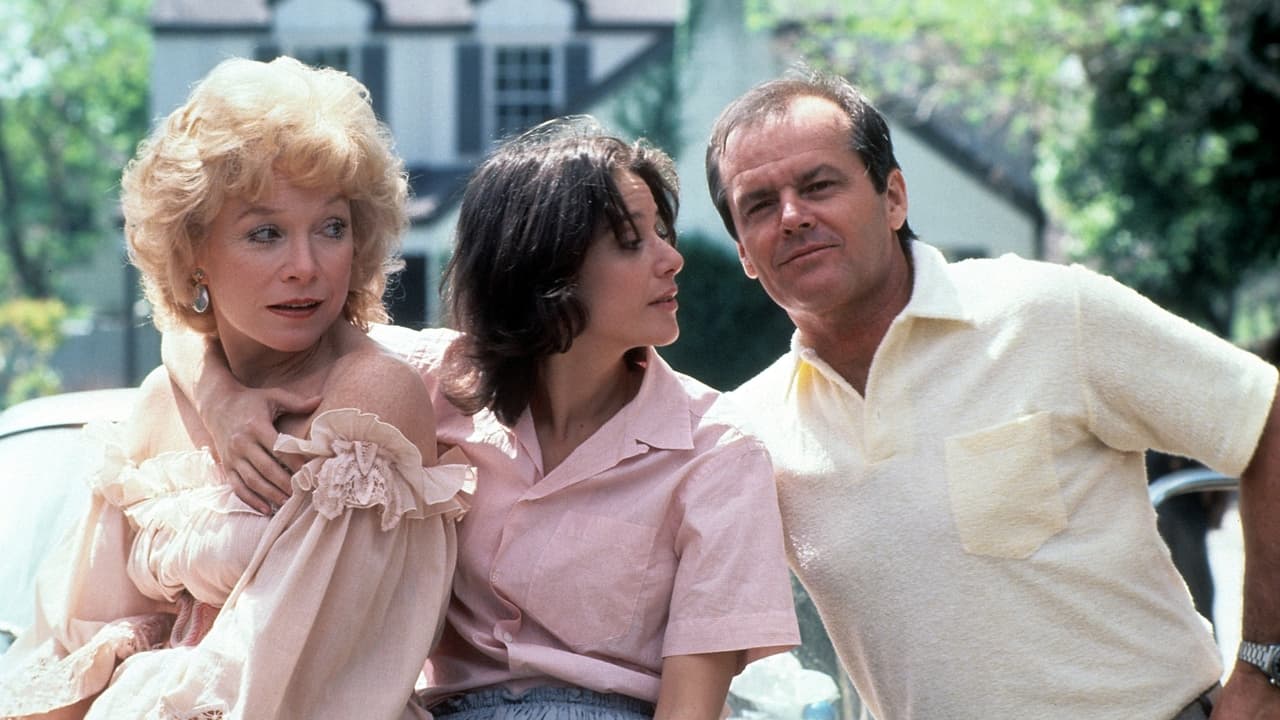
Directed and adapted with remarkable sensitivity by James L. Brooks (who would later gift us Broadcast News (1987) and As Good as It Gets (1997)) from Larry McMurtry's novel, Terms of Endearment navigates the treacherous landscape of family life with a rare, unflinching honesty. This isn't a Hollywood fantasy of perfect harmony. It's a sprawling, thirty-year chronicle of disagreements, misunderstandings, reconciliations, and ultimately, enduring love. Shirley MacLaine inhabits Aurora Greenway completely. She’s prickly, vain, judgmental, yet fiercely protective and deeply vulnerable beneath the carefully constructed facade. It's a performance of meticulous control and sudden, raw outbursts – a woman clinging desperately to her standards in a world, and a daughter, determined to deviate. I remember hearing stories about the on-set friction between MacLaine and Debra Winger, who plays Emma with such earthy, restless vitality. Whether truth or legend, that tension seems to crackle beneath the surface, adding a layer of almost uncomfortable authenticity to their frequent clashes. Winger’s Emma is the counterpoint: impulsive, yearning for independence yet perpetually tethered to her mother, making choices both liberating and self-destructive. Their phone calls, often filled with barbs and unspoken pleas, are masterclasses in conveying complex history and emotion through dialogue that feels utterly lived-in.
Life's Messy Tapestry
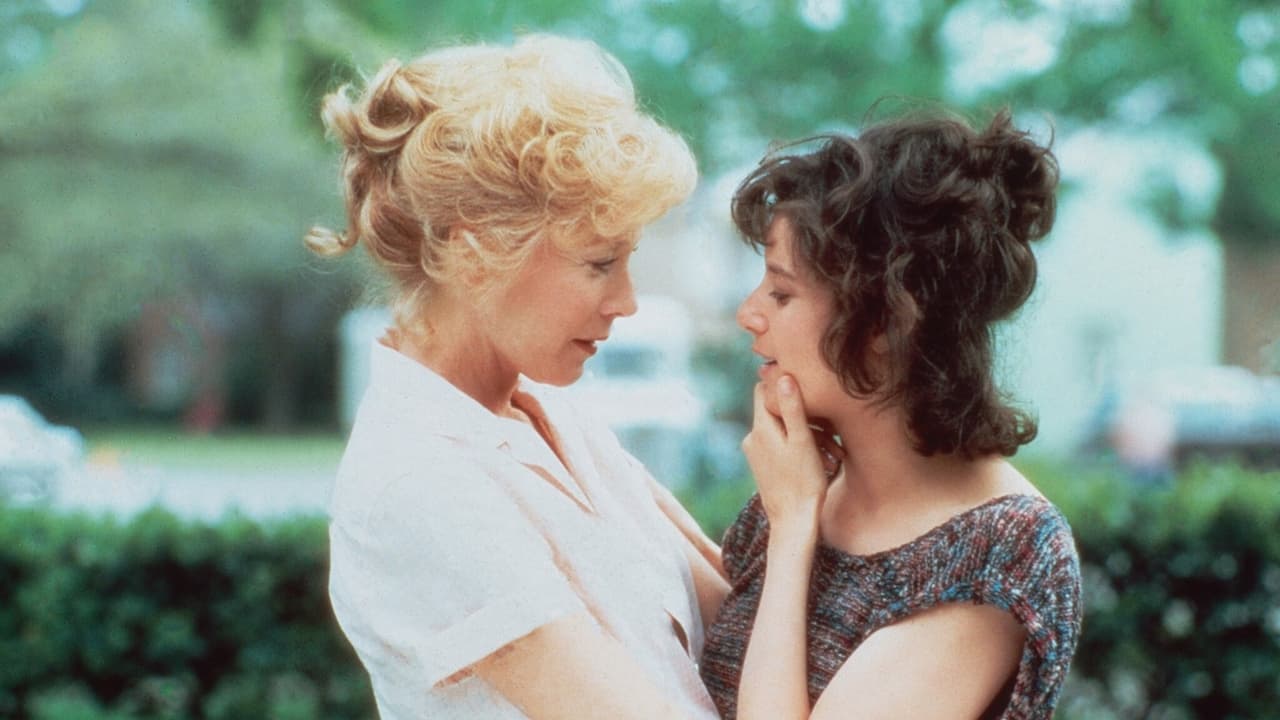
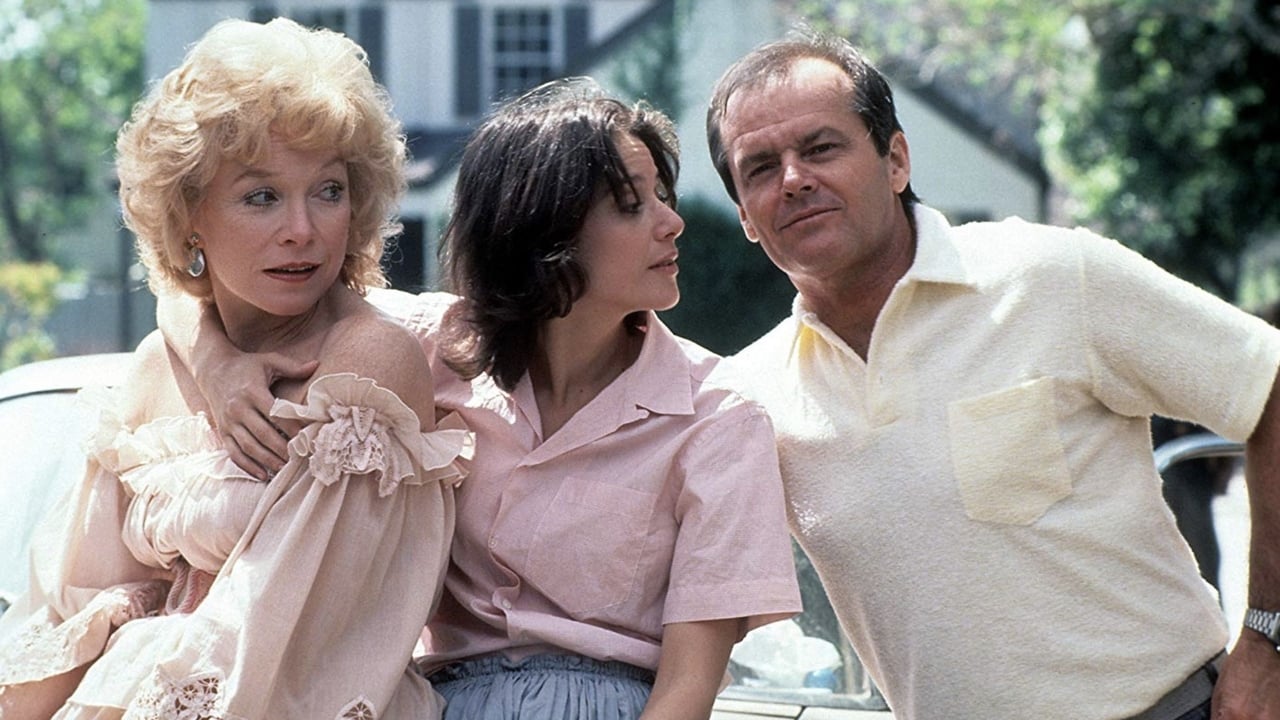
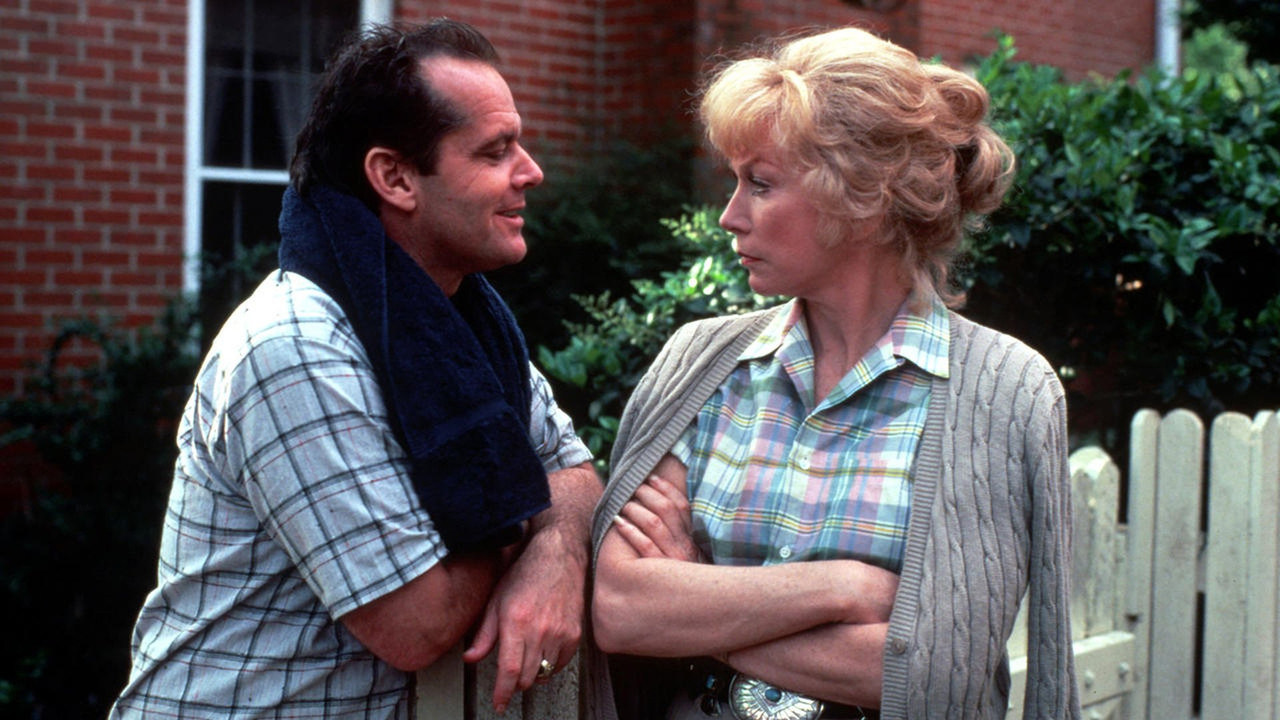
What Brooks achieves so brilliantly is the film's tonal tightrope walk. It’s genuinely funny – often laugh-out-loud funny – thanks largely to the characters' sharp wit and recognisable flaws. Aurora's meticulous rituals, her snobbery, Emma's exasperated reactions – these moments feel earned, drawn from the real frustrations and absurdities of family dynamics. Then there's Garrett Breedlove, the former astronaut neighbour, played with iconic, almost effortless charisma by Jack Nicholson. Brooks famously wrote the part specifically for Nicholson (after considering Burt Reynolds), expanding it significantly from the novel. And thank goodness he did. Garrett breezes into Aurora's regimented life like a force of nature – charmingly inappropriate, slightly dangerous, and utterly captivating. His scenes with MacLaine are electric, a collision of guardedness and unexpected vulnerability. Nicholson reportedly filmed his role relatively quickly, yet his presence looms large, injecting a jolt of unpredictable energy precisely when the film needs it. His performance, like MacLaine's, earned him a well-deserved Oscar.
More Than Tears: The Craft of Emotion
But the laughter always coexists with a profound undercurrent of melancholy, a recognition of life's inherent fragility. The film doesn't shy away from infidelity (both Emma's with the gentle Sam Burns, played touchingly by John Lithgow, and her husband Flap's, portrayed with believable weakness by Jeff Daniels), disappointment, financial struggles, and ultimately, devastating illness. [Spoiler Alert for the film's final act] The shift in the final act, as Emma confronts cancer, could easily have tipped into mawkish sentimentality. Yet, Brooks handles it with restraint and devastating honesty. The focus remains squarely on the characters' reactions, their fumbling attempts to cope, their enduring connections. Aurora's fierce advocacy for her daughter's pain management ("Give my daughter the shot!") is a primal roar of maternal love, a moment seared into cinematic memory. Winger's portrayal of Emma's decline is heartbreakingly brave and unvarnished. It's here the film truly earns its tears, not through manipulation, but through the accumulated weight of these flawed, deeply human lives we've come to know so intimately. [End Spoiler]
Echoes Through Time
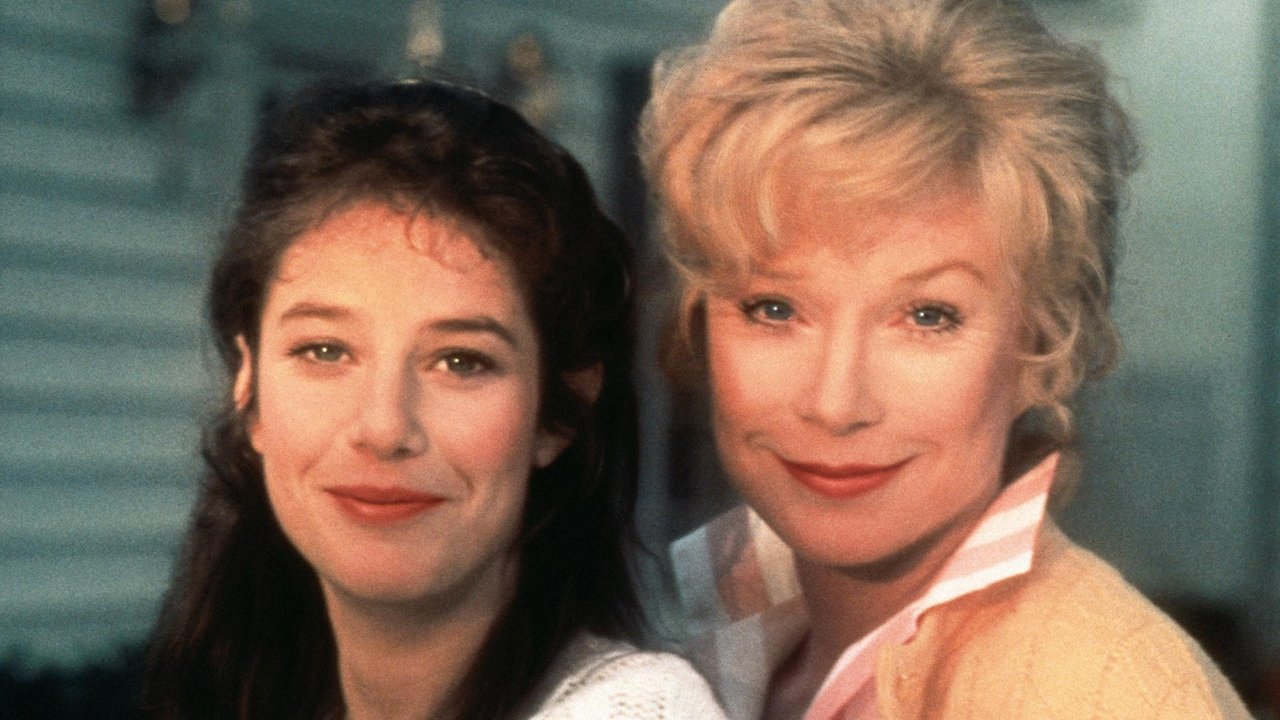
Made for around $8.5 million, Terms of Endearment became a critical and commercial behemoth, grossing over $108 million domestically (that's roughly $330 million today!) and sweeping five major Academy Awards, including Best Picture. MacLaine's joyful cry of "I deserve this!" upon accepting her Best Actress statue felt like a release for Aurora as much as for the actress herself. It resonated because the film resonated. It wasn't just a 'chick flick' or a 'tearjerker', labels often used dismissively back then. It was a film about life – messy, complicated, funny, tragic, and ultimately, precious. Watching it now, on a screen far sharper than my old CRT, the hairstyles might look dated, the cars chunkier, but the emotional truth remains remarkably potent. It reminds us that the people who push our buttons the hardest are often the ones anchored deepest in our hearts. Doesn't that complexity feel more real than any idealized portrayal?
Rating: 9/10
This score reflects the film's masterful blend of humor and pathos, anchored by powerhouse performances, particularly from MacLaine, Winger, and Nicholson. James L. Brooks' direction and screenplay navigate complex emotional territory with grace and unflinching honesty, avoiding easy sentimentality. While its pacing reflects its era and the sprawling narrative might feel slightly episodic to some modern viewers, its emotional core is undeniable and earned. It set a benchmark for the dramedy genre, proving that laughter and tears could coexist profoundly.
Terms of Endearment remains a vital, moving piece of cinema – a film that understands that love, especially family love, is often defined not by its ease, but by its endurance through the most difficult terms imaginable.