There’s a particular kind of silence that can fill a marriage, isn't there? Not the comfortable quiet of shared understanding, but the echoing void where conversation used to live. It’s this very silence, thick with unspoken needs and vanished dreams, that greets us in the opening moments of Shirley Valentine (1989), emanating from a Liverpool kitchen that feels both intimately familiar and deeply melancholic. Shirley Bradshaw, née Valentine, talks to her wall, and in doing so, she talks directly to us, laying bare a life lived in the service of others, where her own self seems to have evaporated somewhere between the chip pan and the washing line.
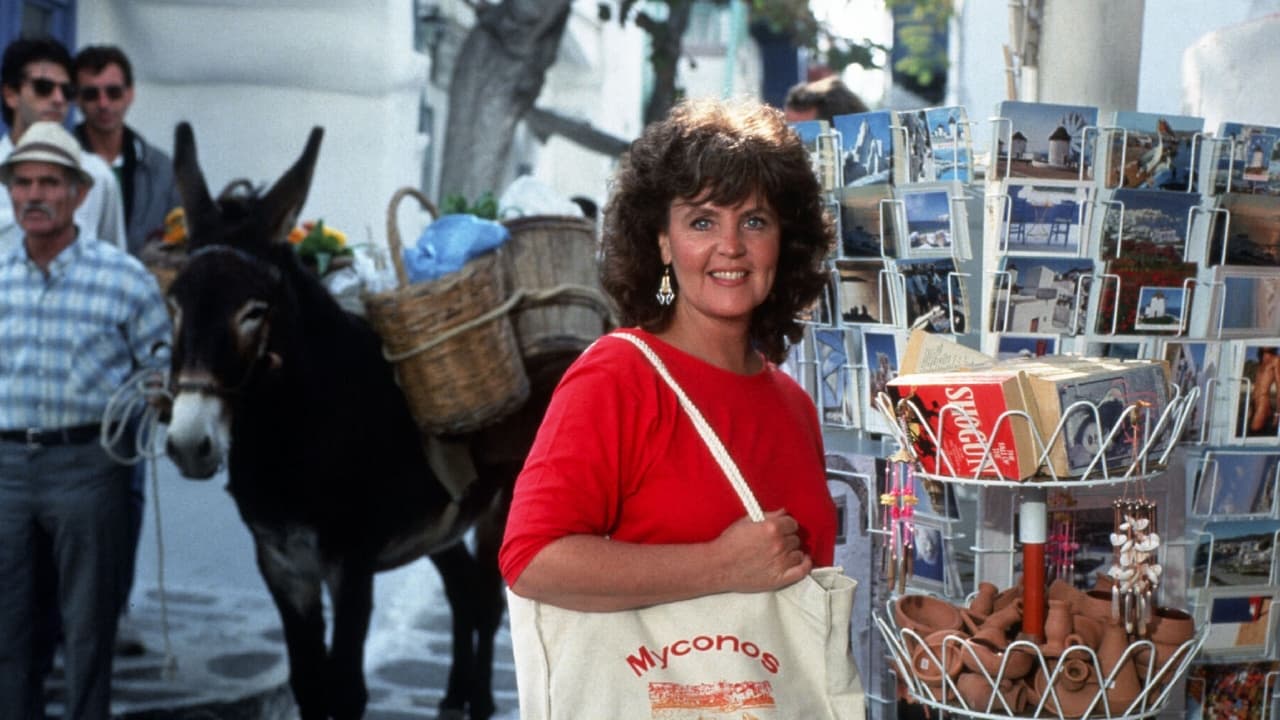
A Voice Finds Its Volume
What makes Shirley Valentine resonate so profoundly, decades after its VHS release often found it nestled between blockbuster action flicks and high-concept comedies on the rental shelves, is the astonishing central performance by Pauline Collins. Reprising the role she originated and triumphed with on stage (winning both Olivier and Tony Awards), Collins is Shirley. It’s not just acting; it feels like witnessing a soul unfurl. Her direct address to the camera, a carry-over from Willy Russell's original play (which he masterfully adapted himself for the screen), could have felt stagey or forced. Instead, under the sensitive direction of Lewis Gilbert (who previously collaborated with Russell on the equally brilliant Educating Rita from 1983), it becomes an intimate confession, drawing us into Shirley’s world with irresistible warmth, wit, and vulnerability. We see the years of quiet disappointment etched on her face, the flicker of the adventurous girl she once was, buried beneath layers of routine and her husband Joe’s predictability (“Dinner’s in the oven, Joe.” “Is it steak?”). Collins makes Shirley’s journey not just believable, but utterly captivating. You root for her, not just to find happiness, but to simply find herself again.
From Liverpool Grey to Grecian Gold
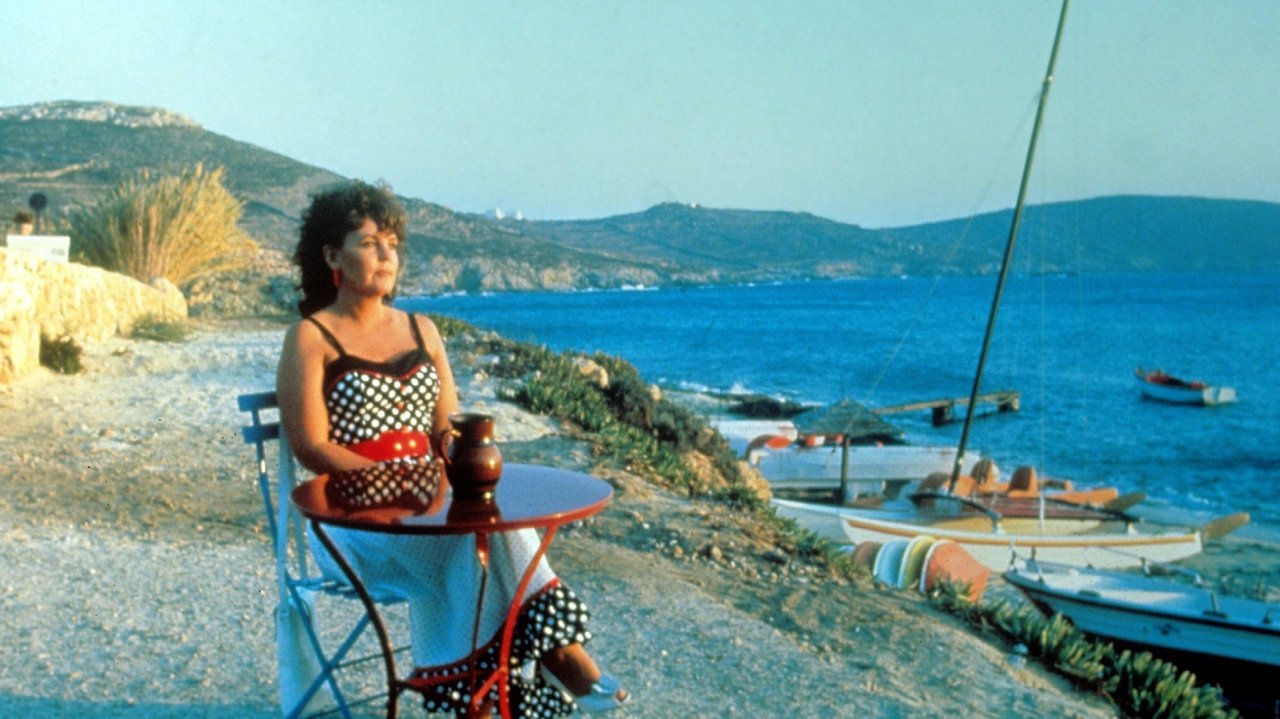
The film cleverly uses its locations to mirror Shirley’s internal transformation. The muted tones and cramped spaces of her Liverpool home visually represent her constrained existence. It’s a world lovingly rendered but undeniably suffocating. Then comes the liberating offer: a trip to Greece, courtesy of her feminist friend Jane (Alison Steadman, wonderfully sharp). The moment Shirley steps onto the sun-drenched shores of Mykonos, the film bursts into vibrant colour. Gilbert captures the dazzling light, the turquoise water, the whitewashed walls – it’s not just a change of scenery; it's a visual metaphor for Shirley shedding her old skin. This contrast was entirely intentional, with filming taking place authentically on location in both suburban Liverpool and the stunning Greek islands, making the visual shift feel earned and impactful.
Of course, Greece brings Costas, the charismatic taverna owner played with effortless charm by Tom Conti. Their relationship is less a grand romance and more a catalyst – a reminder to Shirley of her own desirability and capacity for joy. Conti plays Costas with just the right amount of ambiguity; is he genuine, or just a practiced charmer? Ultimately, it doesn't entirely matter. His role is to hold up a mirror to Shirley, allowing her to see the vibrant woman staring back.
More Than Just a Holiday Fling

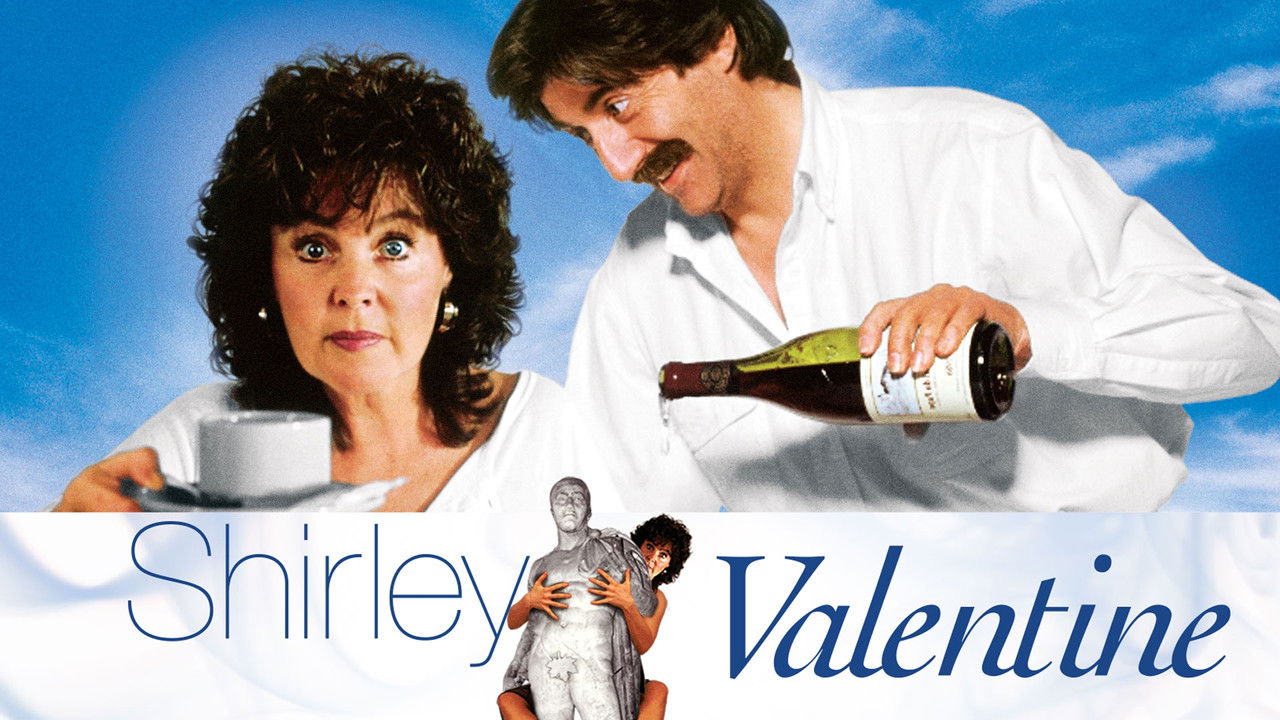
It's easy to dismiss Shirley Valentine as a simple "woman finds herself abroad" story, but that would be selling it short. Russell's writing, full of observational humor and poignant truths, elevates it beyond cliché. Shirley’s transformation isn't just about escaping her husband or finding romance; it’s about rediscovering her own voice, her own desires, and the courage to claim them. Remember the scene where she finally sits down at a table by the sea, ordering a glass of wine? It’s such a simple act, yet Collins infuses it with the weight of decades of self-neglect finally being lifted. It’s a quiet revolution happening right before our eyes.
The film tapped into something potent upon its release. Made on a relatively modest budget (around $6 million), it became a significant sleeper hit, particularly beloved in the UK, grossing nearly ten times its budget worldwide. It clearly struck a chord, especially with female audiences who perhaps saw echoes of their own lives or aspirations in Shirley's journey. Collins deservedly received an Academy Award nomination for Best Actress, cementing the role as iconic. The phrase "doing a Shirley Valentine" even entered the lexicon for a time, synonymous with breaking free from monotony.
The Enduring Warmth
Watching Shirley Valentine today, perhaps on a format far removed from the chunky VHS tape I first rented from the corner shop (expecting a light comedy and finding so much more), its magic endures. The 80s fashions and settings provide a nostalgic backdrop, but the core themes – the search for identity, the courage to change, the realization that it's never too late to start living – are timeless. It’s a film that wraps you in a warm embrace, makes you laugh, might make you shed a tear, and ultimately leaves you feeling hopeful. It reminds us that the most important conversations we have are often the ones we have with ourselves, even if, sometimes, we start by talking to the wall.
Rating: 9/10
This score reflects the near-perfect alchemy of Pauline Collins's unforgettable, Oscar-nominated performance, Willy Russell's witty and profound script, and Lewis Gilbert's sensitive direction. It masterfully adapts its stage origins, delivering humour and heartbreak in equal measure. It might seem simple on the surface, but its emotional depth and enduring message about self-discovery make it a standout gem from the era, a film that truly earns its place in the heart.
What truly lingers after the credits roll? Perhaps it's the quiet power of Shirley's final realization – not that she found paradise in Greece, but that she rediscovered it within herself. And isn't that the most profound journey any of us can take?