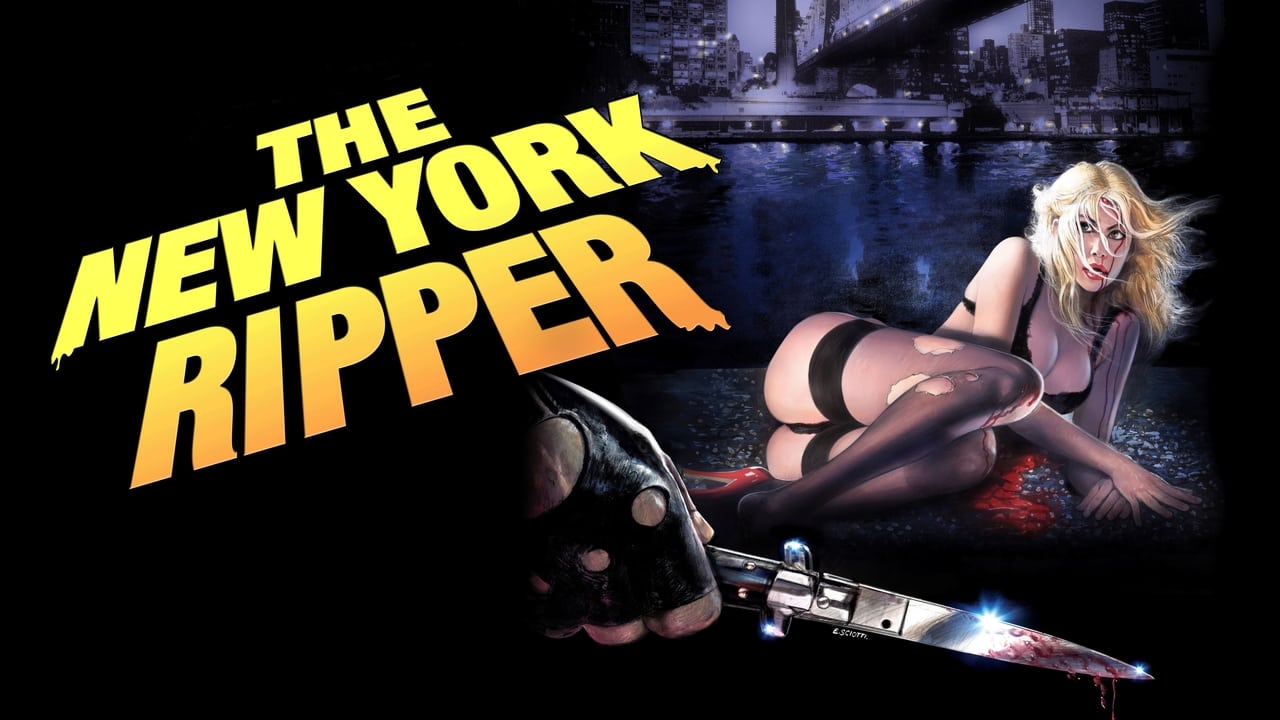
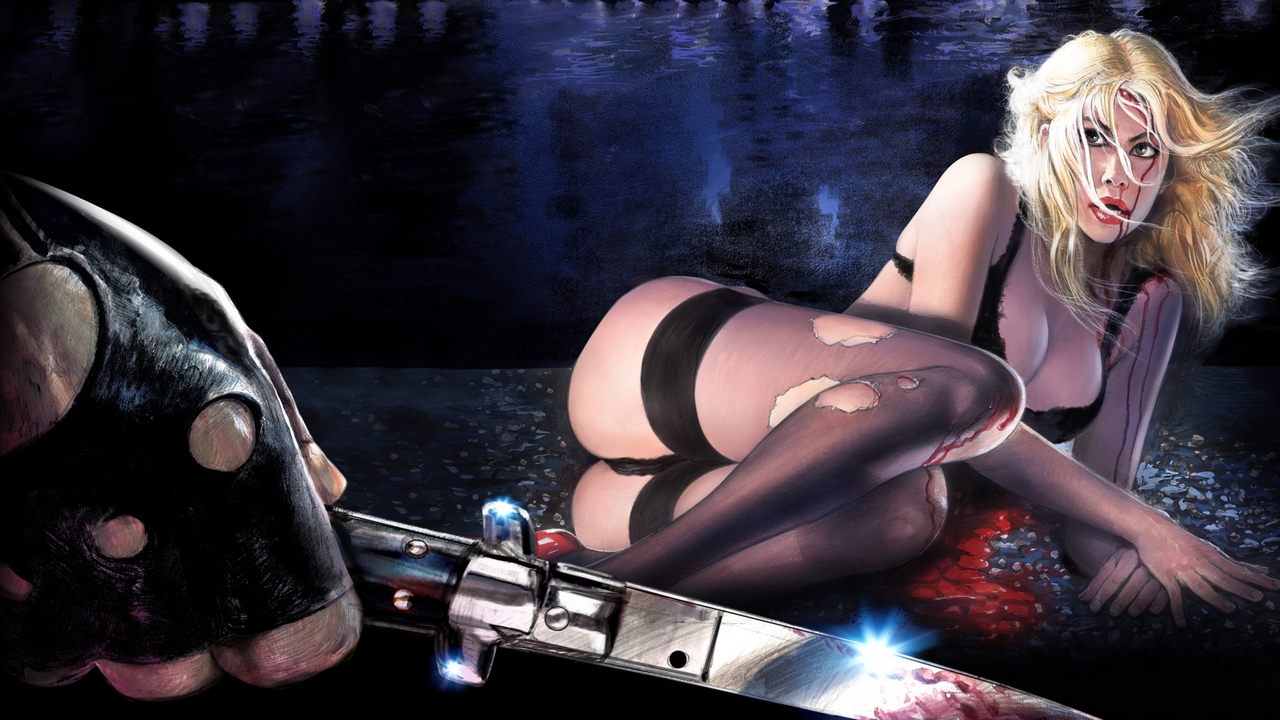
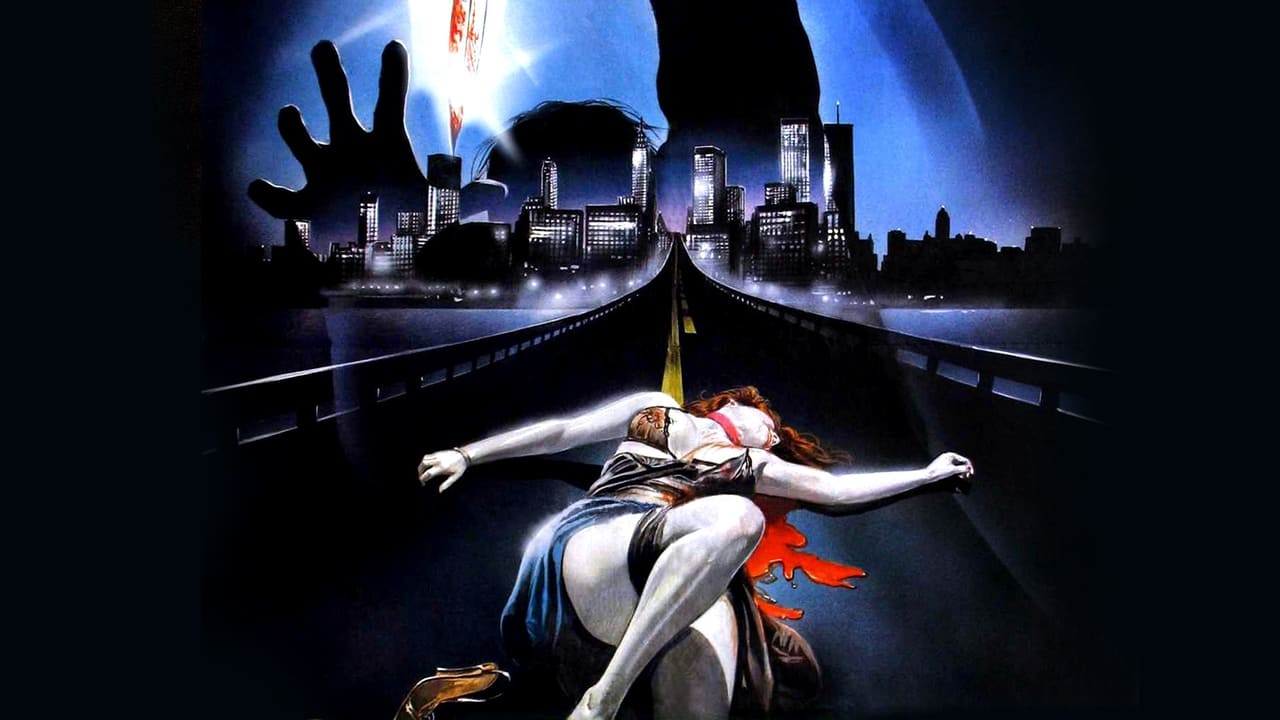
Some tapes felt heavier in the hand, didn't they? Not physically, perhaps, but weighted with a certain reputation, a darkness that seemed to emanate from the plastic shell itself. Lucio Fulci's The New York Ripper (1982) was one of those tapes. Its lurid cover art, often glimpsed on the higher shelves or maybe even kept behind the counter at more cautious rental stores, promised something transgressive, something ugly. And Fulci, the Italian maestro of the macabre, known for pushing boundaries with films like Zombi 2 (1979) and The Beyond (1981), delivered exactly that – a film soaked in grime, nihilism, and a level of brutality that still feels shocking today.
City of Rot
Forget the glossy postcards. Fulci plunges us headfirst into the sleazy, decaying underbelly of early 80s New York City. The cinematography isn't interested in beauty; it captures the peeling paint, the overflowing trash cans, the neon glow reflecting off wet, dirty streets. It's a city teetering on the edge, seemingly indifferent to the horrors unfolding within it. This authenticity is palpable – Fulci insisted on shooting on location, capturing the genuine grit rather than relying on studio backlots, lending the film an almost documentary-like feel amidst the stylized carnage. This tangible sense of place makes the violence feel grounded, less fantastical, and infinitely more disturbing. The atmosphere is thick with despair, punctuated by a jarring, often sleazy jazz-funk score by Francesco De Masi that feels deliberately inappropriate, adding another layer of unease.
The Quacking Nightmare
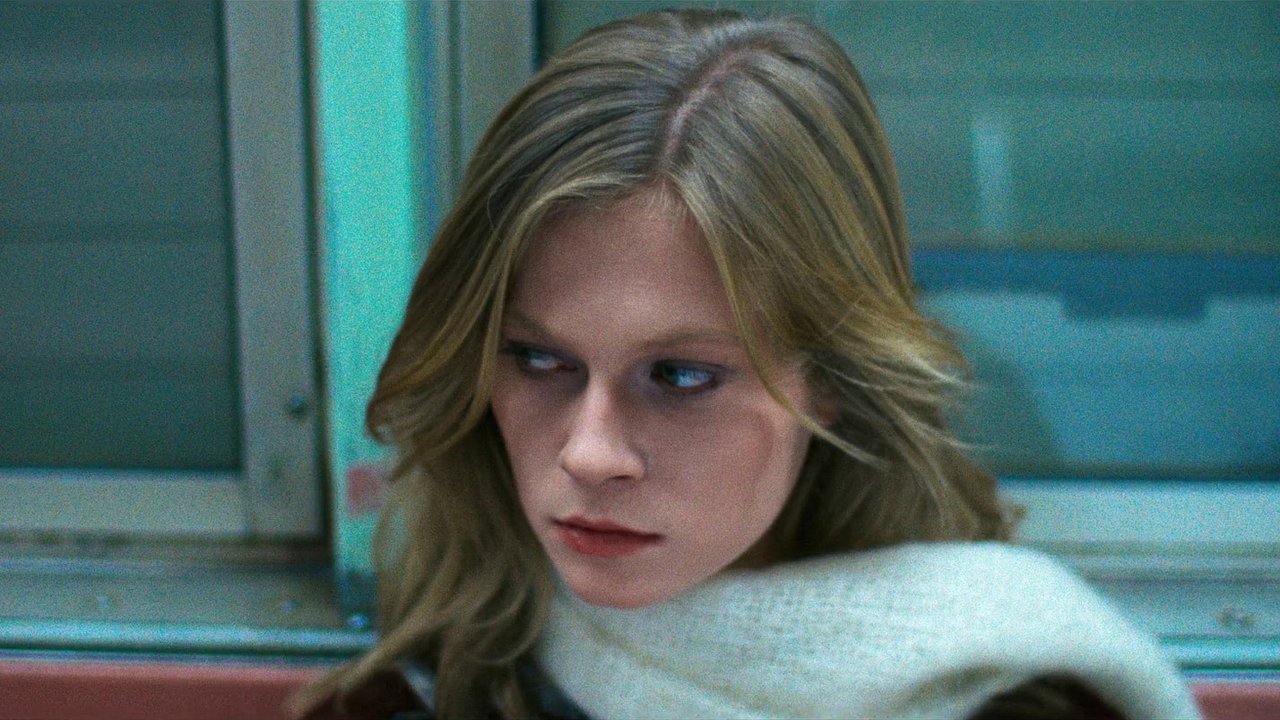
The plot itself is standard giallo/slasher fare, deceptively simple on the surface. A mysterious killer is brutally murdering women across the city, taunting the police with phone calls delivered in a bizarre, high-pitched quacking voice – a choice so weirdly off-kilter it becomes genuinely unnerving rather than comical. Tasked with stopping the carnage is the perpetually weary Lieutenant Fred Williams (Jack Hedley), a cynical, seen-it-all cop who feels utterly overwhelmed by the depravity he confronts. Hedley brings a certain grounded exhaustion to the role, a necessary anchor amidst the escalating madness. The investigation leads him through a sordid cast of characters inhabiting the city's fringes, each encounter peeling back another layer of urban decay.
Fulci Unleashed
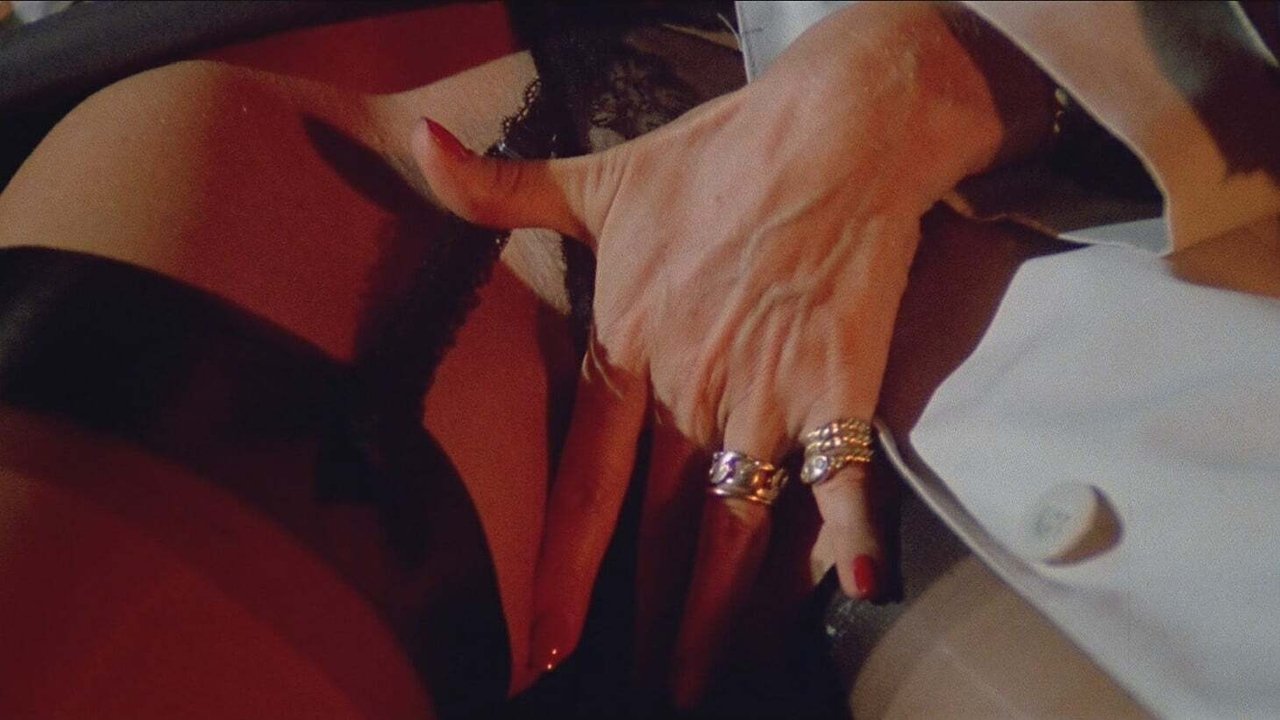
Where The New York Ripper truly earns its infamous reputation is in its unflinching depiction of violence. Fulci was never one for subtlety, but here he seems determined to test the limits of audience endurance. The murders are graphic, protracted, and often possess a disturbing sexual sadism that goes far beyond typical slasher movie tropes. Eyes, throats, bodies – nothing is sacred, and the practical effects, while perhaps dated by modern CGI standards, retain a visceral, stomach-churning impact. They look wet, painful, and distressingly real. There's a notorious sequence involving a broken bottle that became emblematic of the film's extremity. It's not just gore for gore's sake, though; it feels like an integral part of Fulci's bleak worldview, a statement on the inherent violence lurking beneath society's surface. Yet, that infamous "Donald Duck" voice for the killer, reportedly adopted because Fulci found the actor's natural voice insufficiently menacing, remains a point of contention – does it add a layer of surreal horror, or does it veer into unintentional absurdity? For many viewers back in the day, hearing that childish quack juxtaposed with extreme violence was profoundly unsettling.
A Reputation Forged in Controversy
It's impossible to discuss The New York Ripper without acknowledging its place in the annals of controversial cinema. Landing squarely in the middle of the UK's "video nasty" moral panic, it was prosecuted, heavily cut, and banned in numerous countries. Its graphic content, particularly the perceived misogyny in its portrayal of violence against women, sparked outrage. Watching it now, it feels less like a celebration of violence and more like a howl of despair from the abyss. Fulci himself often deflected claims of misogyny, arguing he showed the ugliness of violence without romanticizing it. Whether you accept that defense or not, the film undeniably struck a nerve, becoming a symbol of cinematic transgression that adventurous VHS hunters sought out precisely because of its forbidden status. I distinctly remember the hushed tones friends would use when discussing whether they’d actually seen it, as if admitting to watching was itself a minor act of rebellion.
Enduring Ugliness
The New York Ripper is not an easy watch. It’s a grimy, mean-spirited, and often repellent film. It lacks the gothic beauty of The Beyond or the pulpy thrills of Zombi 2. Yet, it possesses a raw, brutal power that’s hard to shake. It’s Fulci at his most nihilistic, offering a vision of urban decay and human cruelty that feels disturbingly potent. It’s a film that aims to provoke, to disgust, and to leave you feeling unclean long after the tape hiss fades. Does that make it "good"? That's a question every viewer has to answer for themselves.
VHS Heaven Rating: 5/10
Justification: This score reflects the film's undeniable effectiveness in achieving its grim goals and its historical significance as a notorious piece of exploitation cinema, balanced against its repellent content and arguably thin characterization outside of the central cop. Fulci's direction is technically competent in creating a truly oppressive atmosphere, and the practical effects are gruesomely memorable. However, its relentless brutality and bleakness make it a challenging, often unpleasant experience that pushes beyond entertainment into endurance for many. It succeeds perhaps too well at being nasty.
Final Thought: Decades later, The New York Ripper remains a potent and ugly artifact of its time – a film that dragged viewers through the muck and dared them not to look away. It’s not easily forgotten, nor perhaps should it be, serving as a stark reminder of how far exploitation cinema could push the boundaries of taste and decency in the wild west days of VHS.