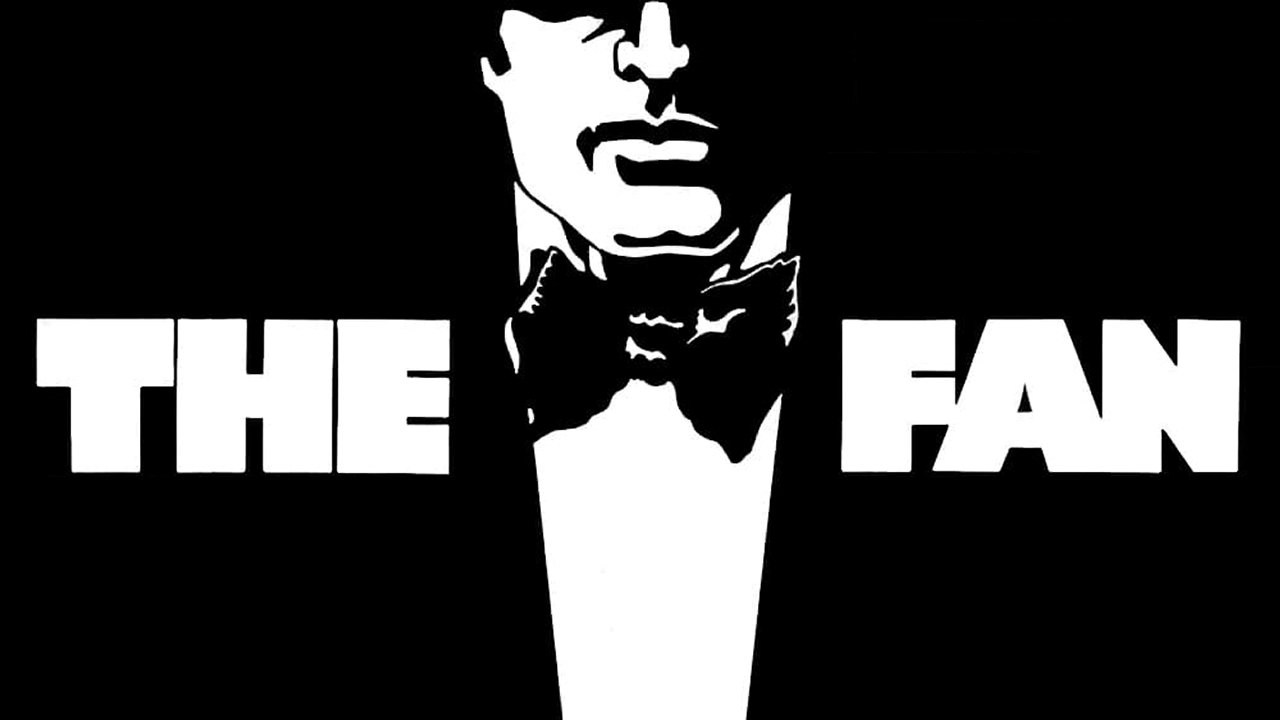
The letters arrive like clockwork, first admiration, then adoration, finally curdling into something possessive, demanding. They speak of a connection only the writer perceives, a bond forged in the spotlight's glare but twisted in the shadows of obsession. This isn't fan mail; it's a countdown. This is the unnerving pulse beneath the glamour in Edward Bianchi's 1981 thriller, The Fan, a film that taps into the chilling vulnerability that comes with fame, leaving a residue of unease long after the tape stops whirring.
### Broadway Dreams, Backstage Nightmares
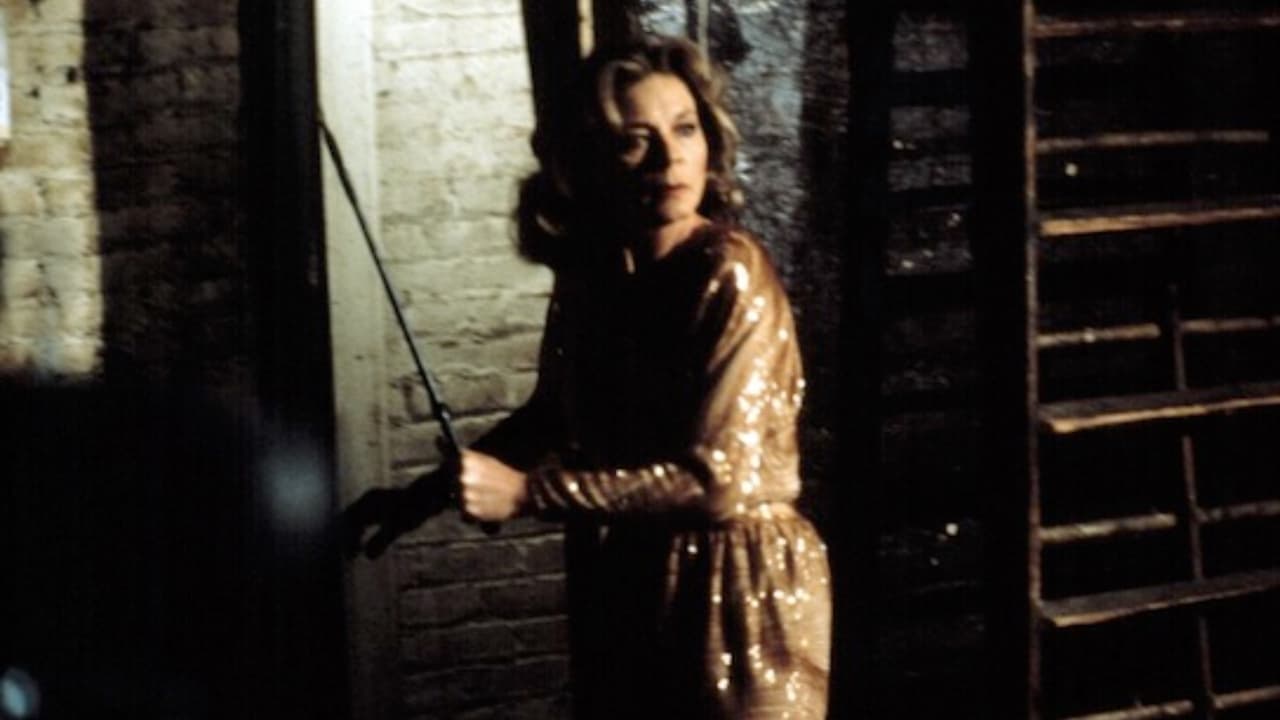
At the heart of The Fan is Sally Ross (Lauren Bacall), a legendary actress attempting a comeback in a demanding Broadway musical. She embodies weary glamour, a star weathered but not broken, pouring her energy into rehearsals under the watchful eye of choreographer Jake Berman (James Garner), also her protective ex-husband. But amidst the backstage bustle and bright lights, a darkness gathers. Douglas Breen (Michael Biehn), a young record store clerk, watches Sally from afar, his admiration festering into a dangerous fixation. His increasingly unhinged letters, initially dismissed, soon escalate into threats when his perceived intimacy is rejected, painting a grim portrait of entitlement turned violent.
The premise itself taps into a primal fear – the admirer turned predator. What elevates The Fan beyond a simple stalker narrative is its unsettling patience and the cold performance at its core. This isn't about jump scares; it's about the slow, creeping dread of knowing someone is watching, closing in, and utterly convinced of their righteousness. Bianchi, primarily known for commercials and music videos before this feature debut, uses the contrasting worlds of glittering Broadway and grimy, lonely New York apartments to great effect. The stage offers escape and illusion, while the city streets represent the inescapable, often dangerous, reality lurking just outside the theatre doors.
### A Star Under Siege
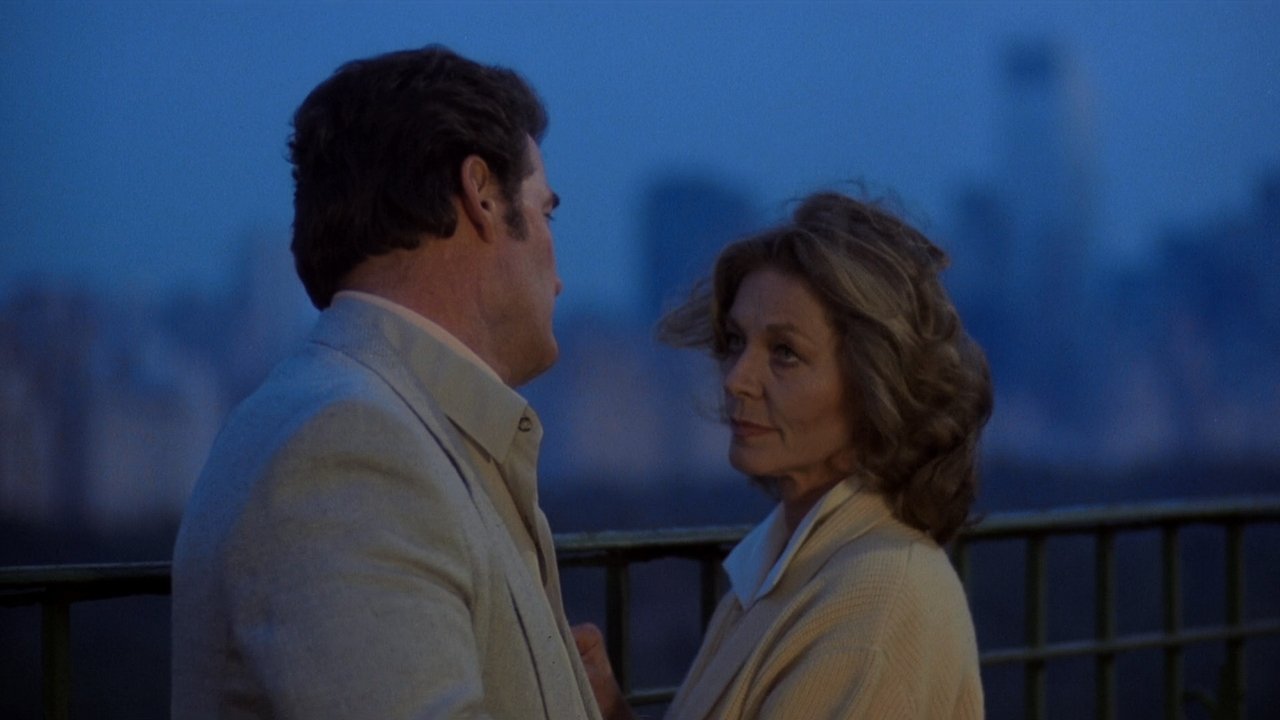
Seeing Lauren Bacall, an icon of Hollywood's Golden Age, in this kind of vulnerable, psychologically tormented role is compelling. She brings a lifetime of poise and steely reserve, but allows cracks to show as Sally's carefully constructed world begins to fracture under Breen's relentless attention. It’s a performance layered with frustration, fear, and the inherent loneliness of stardom. Interestingly, Bacall famously disliked the film's eventual lurch into more explicit slasher territory, feeling it betrayed the psychological tension of Bob Randall's source novel. She reportedly signed on expecting a Hitchcockian thriller, not the visceral violence that punctuates the final act – a fascinating piece of behind-the-scenes friction that reflects the film’s own tonal shift. This tension between psychological study and outright horror gives The Fan a strange, sometimes jarring, energy.
### The Face of Obsession
While Bacall anchors the film with star power, it's Michael Biehn who truly chills the blood. Years before he became iconic as Kyle Reese in The Terminator (1984) or Corporal Hicks in Aliens (1986), Biehn delivers a terrifyingly controlled performance as Douglas Breen. He’s not a cartoon villain; he’s unnervingly quiet, methodical, his sense of rejection manifesting not in explosive rage (at first), but in a chillingly logical progression towards violence. His politeness in early interactions makes his later actions even more disturbing. There’s a vacant intensity in his eyes, a conviction that he is owed Sally’s affection, that makes him one of the more memorable stalker figures of the era. Doesn't that quiet detachment still feel more unsettling than overt menace? Biehn embodies the banal face of obsession, the frightening possibility that the person next to you could harbor such dark intent.
### Score, Style, and Sharp Edges
Complementing the unsettling atmosphere is the score by Pino Donaggio, a frequent collaborator with Brian De Palma on films like Carrie (1976) and Dressed to Kill (1980). Donaggio’s music expertly blends soaring, almost romantic themes (reflecting Breen’s delusion) with sharp, dissonant stabs of tension that underscore the mounting danger. The film's look captures that specific early 80s New York grit – a city both glamorous and decaying, mirroring Sally's own precarious situation.
However, the film isn't without its flaws. The tonal shift Bacall objected to is noticeable. For much of its runtime, The Fan operates as a tense psychological thriller, but the final reels embrace graphic violence, including some nasty knife work, that feels somewhat abrupt. While effective in its own right, delivering genuine shocks that likely had audiences gasping back in '81, it arguably sacrifices some nuance for visceral impact. The practical effects, though, typical of the era, have a raw, disturbing quality that CGI often lacks. Remember how real those moments felt on a flickering CRT screen late at night?
### Lasting Resonance?
The Fan sits in an interesting space – not quite a full-blown slasher, not purely a psychological study. It grossed a modest $3.1 million against its approximate $9 million budget, perhaps hampered by its difficult themes and mixed tone. It didn't achieve the iconic status of some contemporary thrillers, yet it lingers in the memory, particularly for Biehn's performance and its unflinching look at the dark side of adoration. It feels like one of those tapes you might have rented on a whim, expecting one thing and getting something altogether more disturbing. It captures a specific type of early 80s urban anxiety, the fear of random violence lurking beneath the surface of everyday life.
***
VHS Heaven Rating: 6.5/10
Justification: The Fan earns points for its palpable atmosphere of dread, Lauren Bacall's committed performance, and especially Michael Biehn's chillingly effective portrayal of the antagonist. Pino Donaggio's score is another significant asset. However, the somewhat jarring tonal shift towards graphic violence in the final act, while impactful, feels slightly at odds with the preceding psychological build-up, and some plot elements feel underdeveloped. It doesn't quite reach the heights of the era's best thrillers, but its central performances and unsettling core make it a worthwhile, if uncomfortable, watch.
Final Thought: More than just a celebrity stalker flick, The Fan is a potent reminder from the VHS vaults that admiration, unchecked and unreciprocated, can fester into something truly monstrous, leaving scars long after the spotlight fades.