Childhood trauma doesn't just scar; sometimes, it sharpens the axe. And rarely has that grim truth been wielded with such blunt, controversial force as in 1984's notorious holiday slasher, Silent Night, Deadly Night. This wasn't just another entry in the booming stalk-and-slash cycle; this was the film that dared to put Santa Claus himself behind the blade, triggering parental picket lines and cementing its place in the annals of disreputable VHS gold. Pull up a chair, dim the lights, and let's revisit the chilling tale that gave Saint Nick a body count.
Naughty is Punished
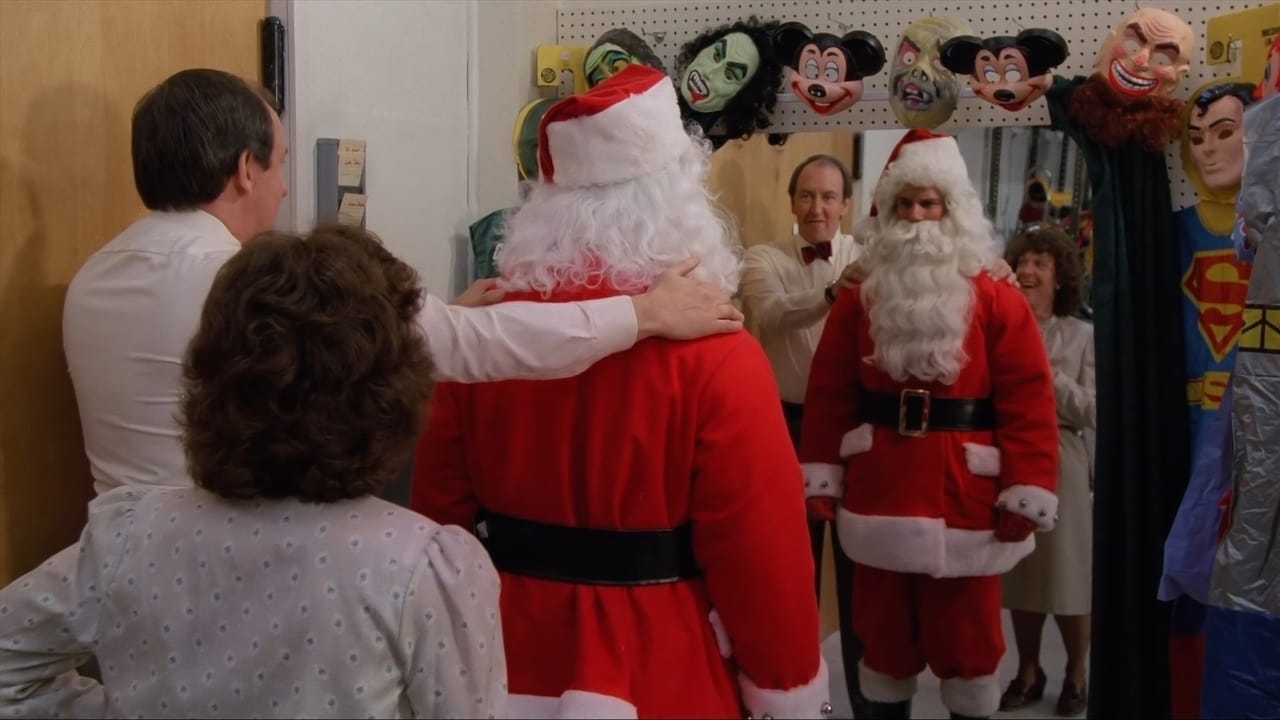
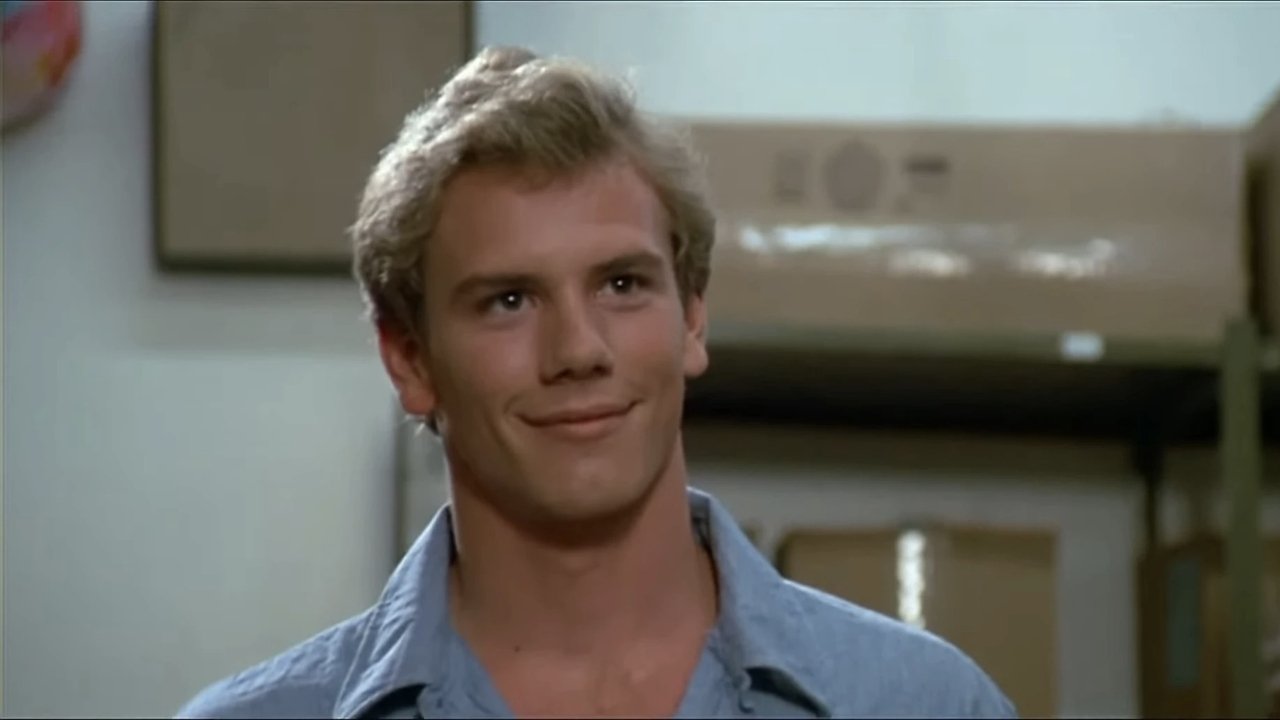
The premise is deceptively simple, yet deeply unsettling. We witness young Billy Chapman's horrific childhood trauma: seeing his parents brutally murdered by a criminal in a Santa suit on Christmas Eve. Compounding this terror is his subsequent stay in a strict Catholic orphanage under the tyrannical gaze of Mother Superior, played with chilling conviction by Lilyan Chauvin. Her constant refrain – "Punishment is absolute, punishment is necessary!" – drills into Billy a warped sense of morality where 'naughty' behaviour demands violent retribution. Years later, a triggered adult Billy (Robert Brian Wilson) snaps while forced to wear a Santa costume for his job, embarking on a Yuletide killing spree.
It's a grim origin story, far darker than many of its contemporaries. Director Charles E. Sellier Jr., ironically best known for the wholesome family fare The Life and Times of Grizzly Adams, doesn't shy away from the psychological damage. The film spends significant time establishing Billy’s broken psyche, making his eventual rampage feel less like random slaughter and more like the tragic culmination of deep-seated pain. This commitment to the backstory gives Silent Night, Deadly Night a layer of bleakness that elevates it slightly above mere exploitation, even as it fully embraces the tropes of the genre.
The Controversy and the Chill
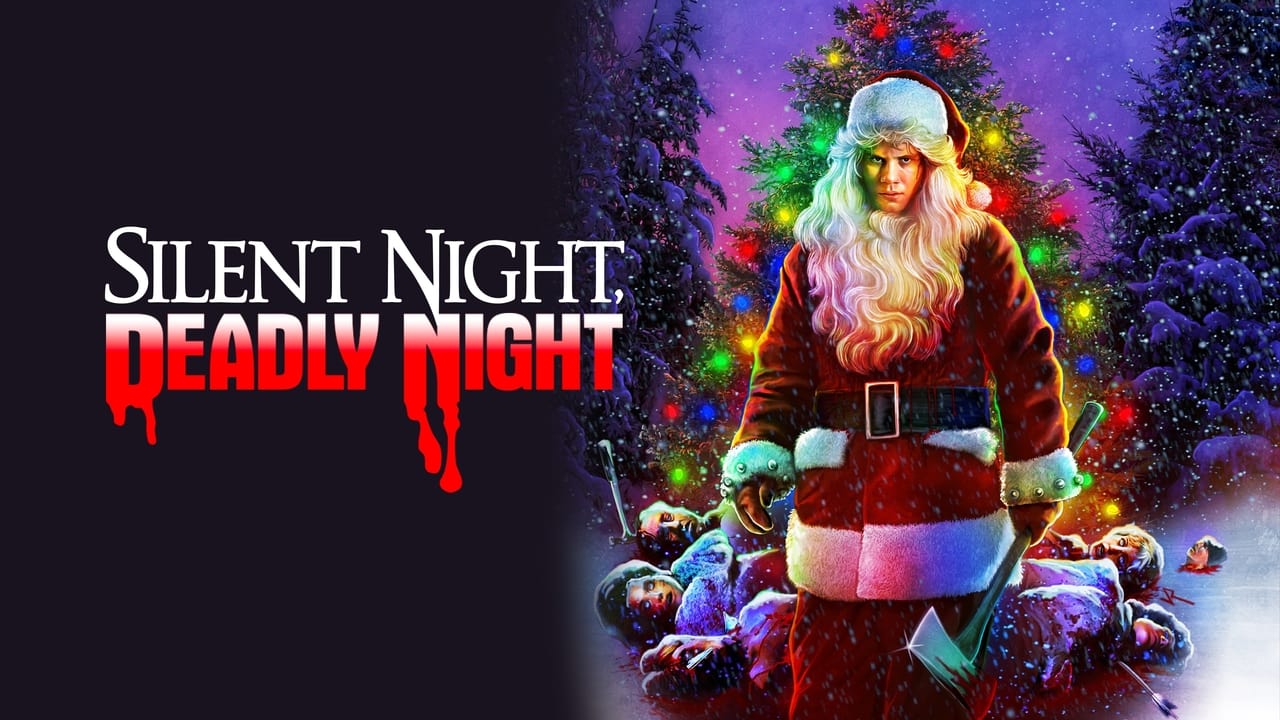
You can't discuss this film without mentioning the firestorm it ignited upon release. The marketing, featuring a killer Santa wielding an axe, provoked outrage. Parent groups protested, demanding it be pulled from theaters. Famously, critics Siskel & Ebert condemned the film on their show, reading out the names of the production companies and declaring "Shame, shame, shame!" TriStar Pictures buckled under the pressure, pulling ads within a week and yanking the film from cinemas shortly after, despite it actually performing quite well. Made for a mere $750,000, it grossed around $2.5 million in its brief run – proving controversy could, indeed, sell tickets. This notoriety, of course, only fueled its legend on home video. Finding that menacing VHS box, often tucked away in the horror section, felt like unearthing forbidden fruit.
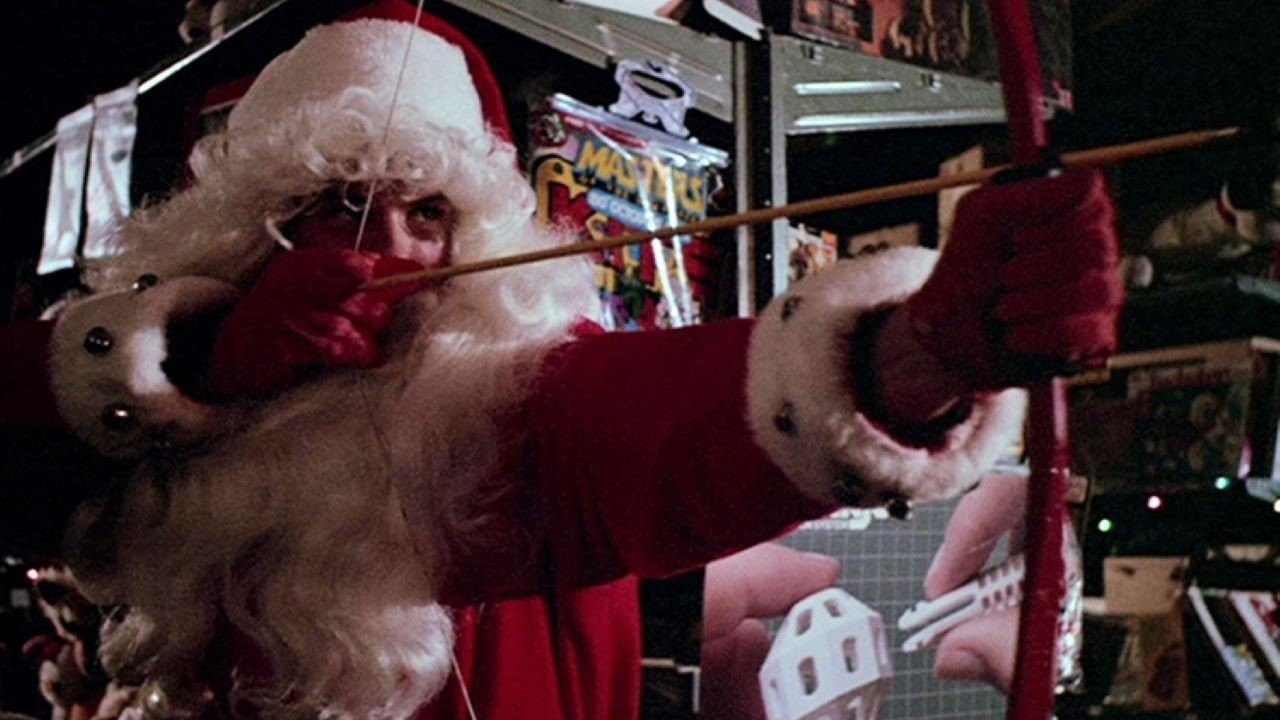
Beyond the controversy, the film cultivates a genuinely grimy atmosphere. Shot on location in snowy Utah, the desolate winter landscapes add to the isolation and dread. The killings, while adhering to slasher formula, have a mean-spirited edge. The infamous antler impalement scene remains a standout of practical effects brutality from the era – disturbingly visceral even today. It’s this commitment to a downbeat tone and unsparing violence, combined with the taboo-shattering killer Santa concept, that allows the film's chill to linger. Doesn't that stark, snowy setting perfectly contrast the supposed warmth of the season?
Legacy in Red
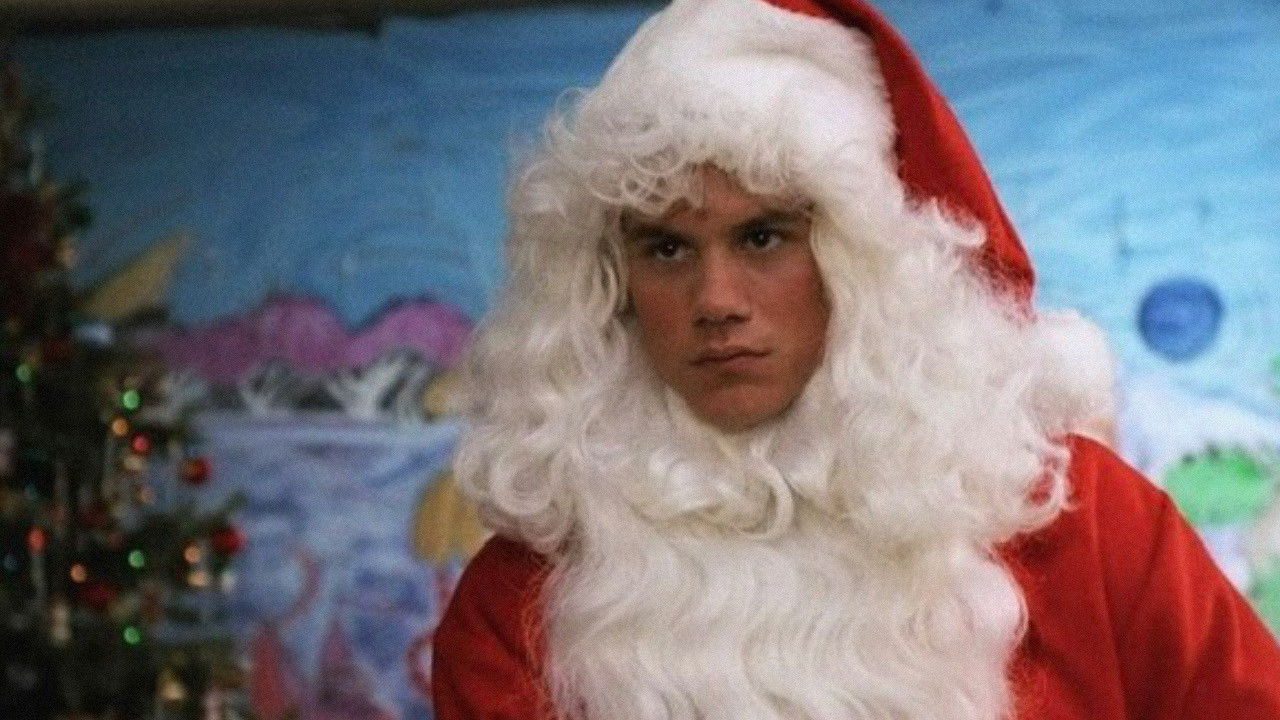
While Robert Brian Wilson gives Billy a certain haunted quality, it's Lilyan Chauvin as Mother Superior who truly steals the show. Her performance is iconic, a terrifying embodiment of rigid, unforgiving authority. Her scenes provide some of the film's most memorable and psychologically potent moments. It's worth noting that Wilson largely vanished from acting after this role, fueling rumors for years until he resurfaced decades later, having simply moved on from the industry – a curious footnote to a film steeped in infamy.
Silent Night, Deadly Night wasn't particularly sophisticated, and its low budget certainly shows in places. The pacing can drag, and some performances outside the leads are standard slasher fodder. Yet, its power lies in its audacity and its surprisingly grim psychological underpinnings. It tapped into a primal unease, twisting beloved holiday iconography into something terrifying. This wasn't just about jump scares; it was about corrupting innocence, a theme that resonated deeply, whether viewers were outraged or morbidly fascinated.
The film's cult status is undeniable, spawning a surprisingly resilient franchise. While Silent Night, Deadly Night Part 2 (1987) is mostly remembered today for its recycled footage and the unintentionally hilarious "Garbage Day!" scene, the original remains a significant marker in the 80s slasher landscape – a film that truly tested the boundaries of mainstream horror.
***
VHS Heaven Rating: 6/10
Justification: Silent Night, Deadly Night earns its 6 for sheer audacity, its surprisingly grim tone, a standout villainous performance from Lilyan Chauvin, and its undeniable cult legacy fueled by real-world controversy. It successfully weaponizes holiday cheer into genuine dread, featuring some memorably brutal practical effects (those antlers!). However, it's held back by uneven pacing, some standard slasher clichés, and visible low-budget constraints. It’s not high art, but it’s a potent and historically significant piece of 80s horror sleaze.
Final Thought: More than just a killer Santa flick, this film remains a chilling reminder of how easily festive symbols can be warped, leaving a stain on the snowy landscape of holiday horror that subsequent films are still trying to wash away. It’s the cinematic equivalent of finding coal – and maybe an axe – in your stocking.