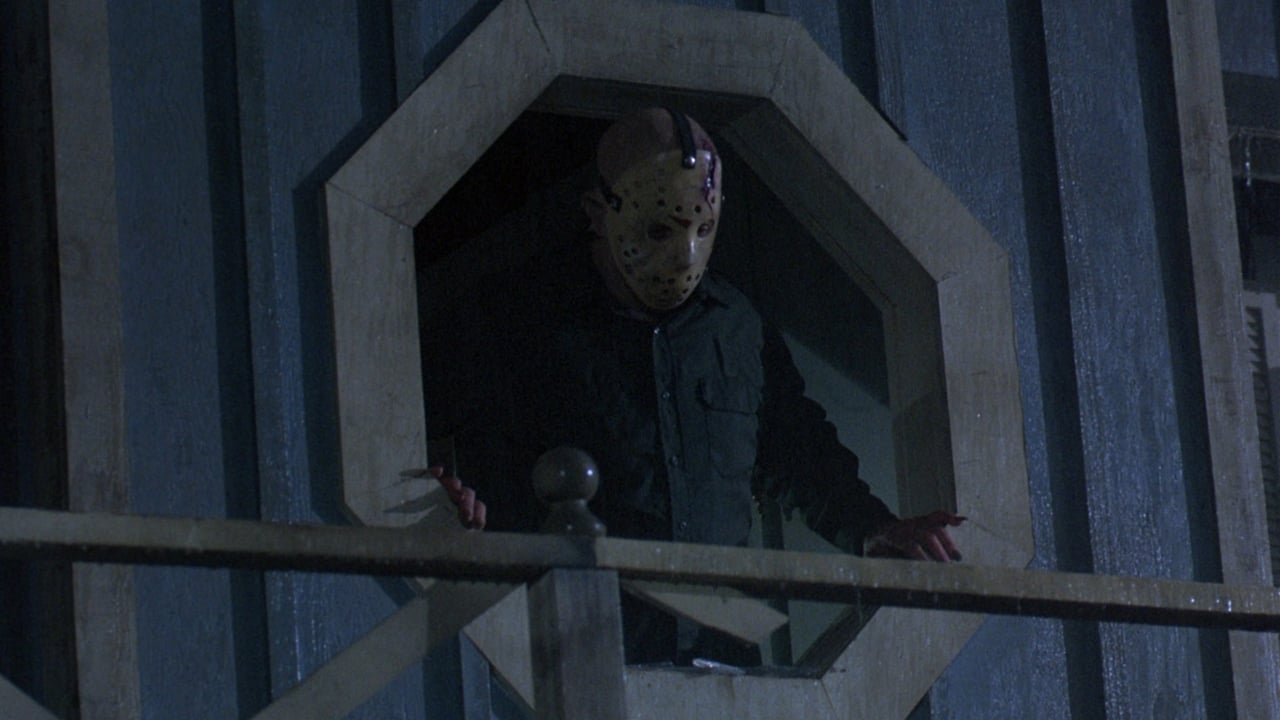
The rain fell hard that night at Crystal Lake, washing away the aftermath of the previous massacre but doing little to cleanse the palpable sense of dread. Jason Voorhees, presumed dead (again), lay cold on a slab in the Wessex County morgue. But as anyone who ever haunted the horror aisle of a video store knows, true evil doesn't stay down for long. Friday the 13th: The Final Chapter (1984) arrived with a chilling promise in its title, a declaration that this time, the nightmare truly ended. We huddled closer to our flickering CRT screens, clutching worn VHS boxes, ready to believe it.
The Master Returns for One Last Kill
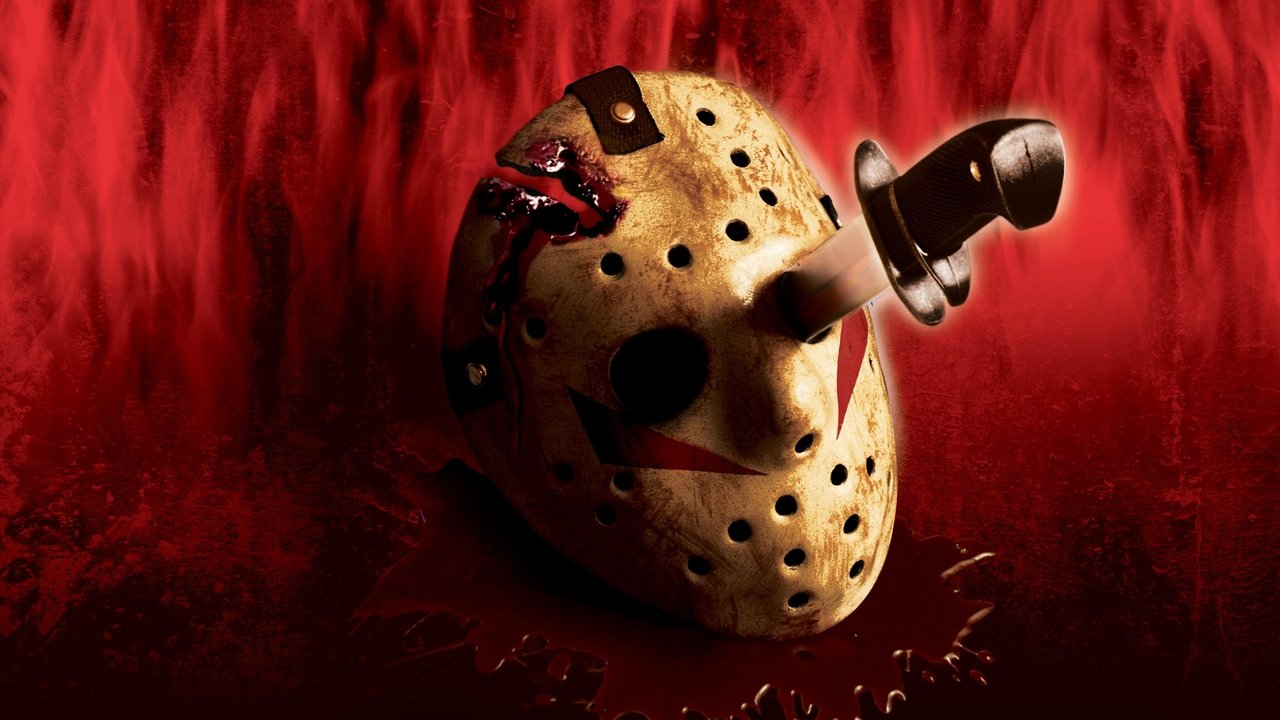
What immediately set The Final Chapter apart, and arguably cemented its status as a high point in the sprawling franchise, was the return of makeup effects maestro Tom Savini. Having crafted the memorably gruesome effects for the original 1980 film, Savini famously sat out Parts 2 and 3. He returned for this installment reportedly with one goal: to definitively kill the monster he felt subsequent films had misrepresented. This intent bleeds onto the screen. There’s a renewed sense of visceral horror, a grimy, mean-spirited energy that feels less like a theme park ride and more like a genuine descent into brutality. Savini wasn't just providing gore; he was orchestrating Jason's demise with a vengeful artistry that felt personal. Remember the sheer, wince-inducing impact of some of these kills? They weren't just inventive; they felt painful, thanks to Savini's commitment to practical, physical horror.
A Cast That Stands Out (Before Falling Down)
Directed by Joseph Zito, known for the similarly gritty slasher The Prowler (1981), the film benefits from his no-nonsense approach. Zito keeps the pace relentless, establishing the inevitable victims – a houseful of horny teenagers next door to the Jarvis family – with efficient, if familiar, strokes. But within that familiar framework, there are performances that linger. Crispin Glover, pre-Back to the Future (1985), delivers perhaps the most unforgettable slice of 80s weirdness with his character Jimmy's spastic solo dance. It’s a moment of pure, unadulterated awkwardness that somehow makes his eventual, corkscrew-assisted demise even more jarring. Did anyone else rewind that dance scene, just baffled and amused?
The real heart of the film, however, lies with the Jarvis family. Kimberly Beck brings a grounded strength to final girl Trish, but it’s young Corey Feldman as Tommy Jarvis who truly steals the show. Pre-Gremlins (1984) and The Goonies (1985), Feldman imbued Tommy with a believable fascination for masks and monsters, a trait that proves crucial. His quiet intensity and resourcefulness provide a compelling counterpoint to Jason's hulking menace. Rumor has it Feldman immersed himself in the role, studying horror makeup and monster lore, adding a layer of authenticity to his character's pivotal transformation.
Relentless Dread, Savini's Showcase

Forget jump scares built purely on loud noises; The Final Chapter excels in building atmosphere through relentless pursuit and the chilling certainty of Jason's presence. Zito uses the rainy setting and shadowy woods effectively, creating a claustrophobic playground for Voorhees. Jason himself, unmasked briefly in Part III but fully realised here under Savini's gruesome vision, feels more imposing, more monstrous. The effects work, particularly in the film's climax, is a masterclass in 80s practical gore. Savini poured his expertise into Jason's final moments, crafting sequences that were shocking then and remain stomach-churningly effective today. The studio, Paramount Pictures, genuinely intended this to be the end, investing a decent $2.6 million budget (which reaped a hefty $33 million return) and allowing Savini the freedom to deliver a definitive, graphic end to their hockey-masked cash cow.
Not Quite the End, But Still a Benchmark
Of course, we all know how the "Final Chapter" moniker worked out. Jason would return just one year later in A New Beginning, albeit in a different form, proving that box office success trumps narrative finality every time. Yet, the irony doesn't diminish this film's impact. It represents a peak for the franchise – arguably the most balanced entry, delivering the requisite body count with Savini's unparalleled effects, anchored by a genuinely compelling protagonist in Tommy Jarvis, and directed with ruthless efficiency. It’s the quintessential 80s slasher experience distilled: familiar tropes executed with maximum impact, memorable characters (even the doomed ones), and gore effects that pushed the boundaries. It introduced Tommy Jarvis, a character who would carry the fight against Jason forward, adding a new dynamic to the series. I remember that VHS tape being a prized possession, passed around friends, each viewing feeling like witnessing something forbidden and thrillingly final.
VHS Heaven Rating: 8/10
This score reflects the film's standing as arguably the best pure Jason Voorhees slasher in the original Paramount run. It delivers exactly what fans crave: relentless pacing, creative and brutal kills courtesy of Tom Savini at the top of his game, a memorable young hero in Corey Feldman's Tommy Jarvis, and an iconic villain hitting his stride. While the plot is standard slasher fare, the execution under Joseph Zito is tight, atmospheric, and genuinely impactful for its era. The slight deduction comes from the inherent formulaic nature of the genre, but within that formula, The Final Chapter hits nearly every mark with brutal precision.
It may not have been the end, but Friday the 13th: The Final Chapter felt like a definitive statement, a high-water mark for gritty, practical horror that still sends a shiver down the spine when those cabin lights go out. Doesn't that final, unsettling shot of Tommy still echo with a certain dark promise?