Okay, grab a fresh tape—or maybe just settle into your favorite chair. We’re diving into something a bit heavier today, a film that bypasses the usual neon glow of the early 80s for something more introspective and emotionally raw. Remember those French dramas that occasionally popped up in the 'International' section of the video store, promising complex characters and tangled relationships? André Téchiné's Hotel America (original title: Hôtel des Amériques) from 1981 is exactly that kind of discovery, a haunting character study set against the windswept backdrop of off-season Biarritz.
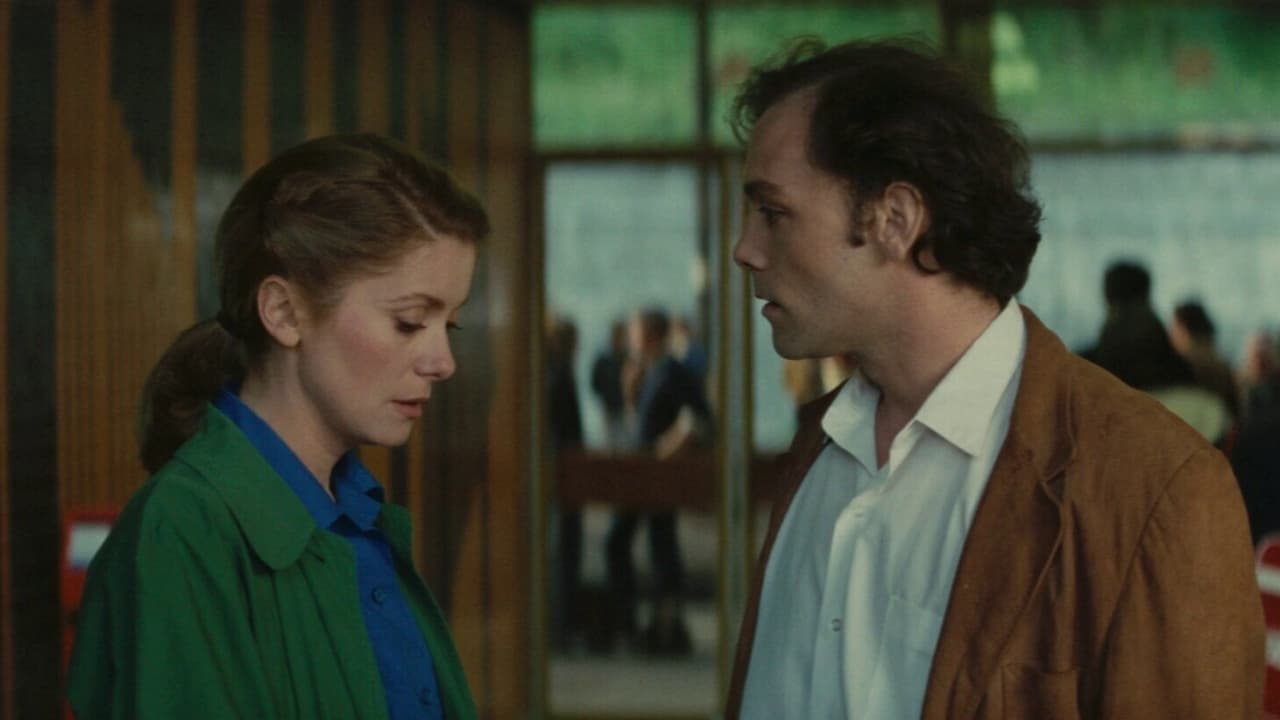
A Chance Collision, A Fateful Connection
What happens when two solitary souls, adrift in their own private storms, literally collide? That's the catalyst for Hotel America. Hélène (Catherine Deneuve), an anesthesiologist carrying the weight of a past love affair that ended tragically, is driving through the rain-slicked streets when she accidentally strikes Gilles (Patrick Dewaere). He’s seemingly okay, but the encounter irrevocably binds these two disparate individuals. Hélène is composed, elegant, yet emotionally guarded, working through her grief in quiet isolation. Gilles is volatile, aimless, charming one moment and jarringly unpredictable the next, living a marginal existence with his friend Bernard (Etienne Chicot). Their meeting isn't a meet-cute; it's the start of a turbulent, almost unwilling connection, fueled by loneliness, misunderstanding, and a strange, undeniable pull.
The Weight of Performance
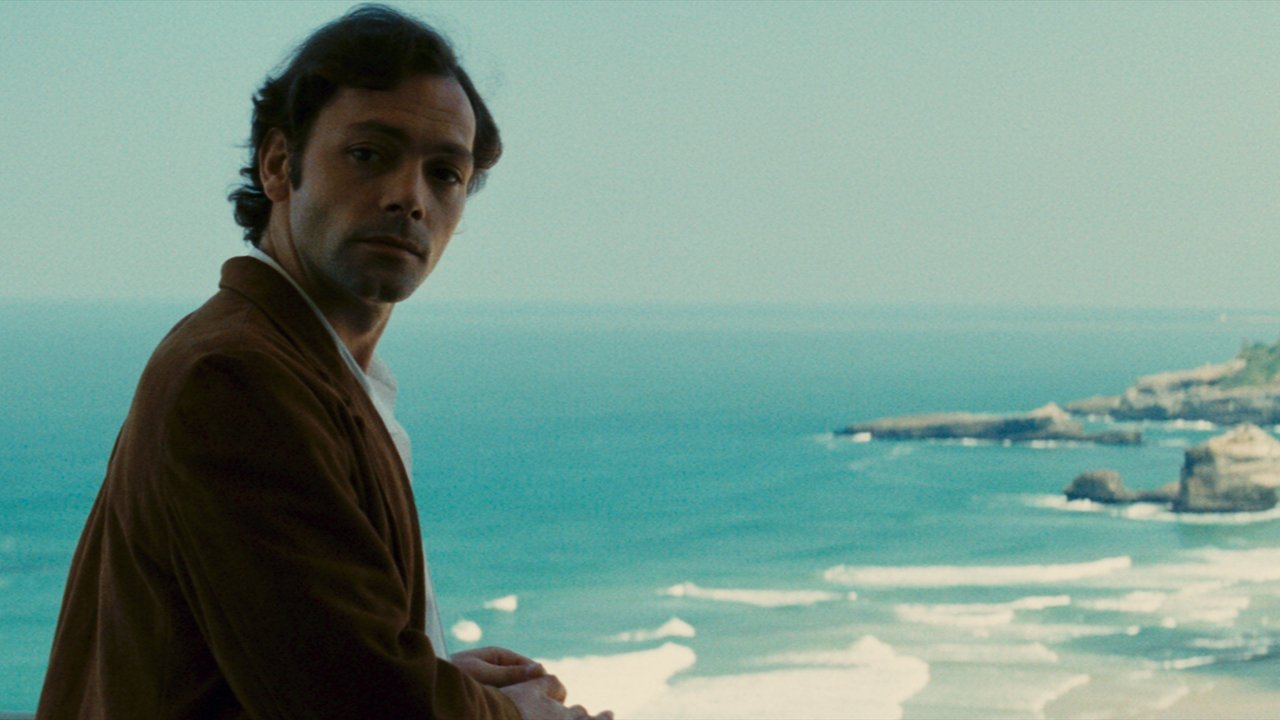
This film rests heavily on the shoulders of its two leads, and their performances are magnetic, albeit in vastly different ways. Catherine Deneuve, already a screen legend, delivers a masterclass in restraint. Hélène’s sorrow isn’t worn openly; it’s etched in the subtle tension around her eyes, the careful way she moves, the moments where her professional composure almost cracks. She embodies a certain kind of bourgeois ennui, complicated by genuine pain. Deneuve, who had worked with Téchiné before on Écoute voir (1979), brings an essential gravity to Hélène, making her aloofness feel like a defense mechanism rather than simple coldness.
Then there's Patrick Dewaere. Watching him as Gilles is a profoundly affecting experience, tinged with the unavoidable knowledge of his tragic death by suicide less than a year after the film's release. Dewaere invests Gilles with a raw, almost dangerous energy. He’s charming, yes, but also deeply insecure, prone to baffling shifts in mood and impulsive actions. There's a desperation beneath his seemingly carefree facade, a longing for connection that manifests in destructive ways. It’s a performance of astonishing vulnerability and kinetic power, capturing a man flailing against circumstances and his own nature. His chemistry with Deneuve is fascinating—less romantic spark, more like two incompatible elements reacting unpredictably. Dewaere earned a well-deserved César nomination for Best Actor for this role, a testament to its impact. Etienne Chicot, also nominated for Best Supporting Actor, provides a crucial anchor as Gilles' more grounded, pragmatic friend, often acting as a bewildered observer to the central relationship's chaos.
Téchiné's Atmospheric Touch
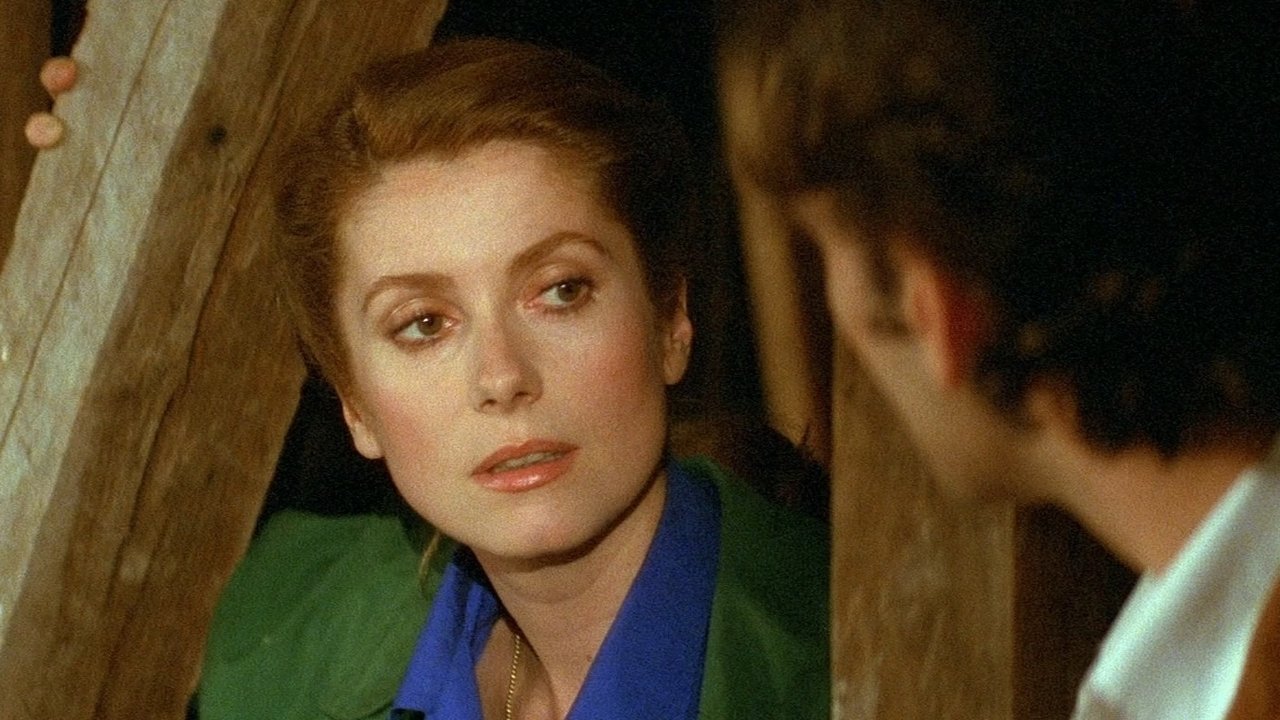
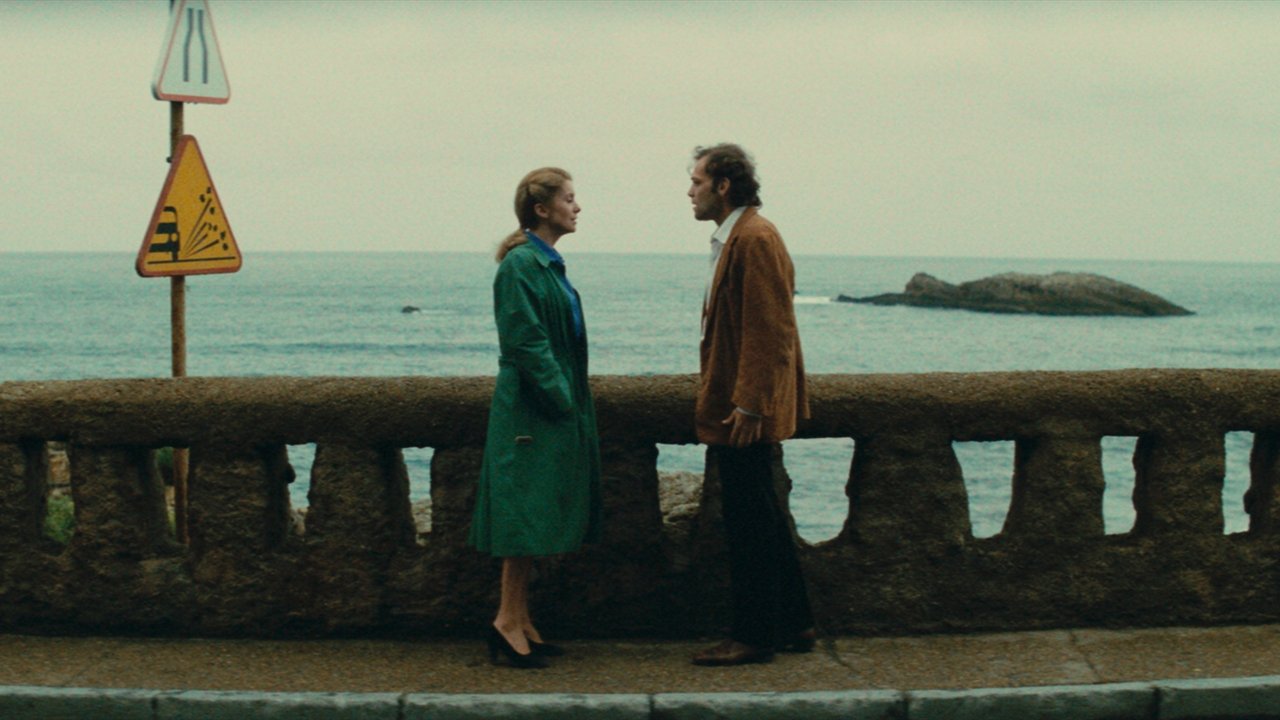
Director André Téchiné, known for later acclaimed films like My Favorite Season (1993) and Wild Reeds (1994), crafts a distinct mood here. Biarritz in the off-season becomes a character itself – grey skies, deserted beaches, empty promenades. The cinematography captures this beautifully, reflecting the internal desolation of the characters. There's a realism to Téchiné's approach; the conversations feel unscripted, the emotional beats land with an unsettling honesty. He avoids easy melodrama, letting the tension build through quiet observation and sudden bursts of emotional intensity. The film doesn't offer easy answers or resolutions; like life, the relationship between Hélène and Gilles is messy, complicated, and ultimately leaves scars.
Retro Fun Facts: Echoes and Endings
The production itself carries a certain weight. Filmed on location in Biarritz, the setting provides more than just atmosphere; it underscores the feeling of being out of place, out of time, much like the characters themselves. The film’s budget was reportedly around 9.5 million French Francs (roughly $1.8 million USD in 1981, maybe around $6 million today), a respectable sum for a French production at the time. While not a blockbuster, it resonated critically, particularly for Dewaere's performance. The shadow hanging over the film, of course, is Dewaere's passing in July 1982. Hotel America became one of his final screen appearances, lending scenes of Gilles' despair an almost unbearable poignancy in retrospect. It serves as a powerful reminder of a unique talent lost far too soon.
A Different Kind of Rewind
Hotel America isn't the kind of film you pop in for light entertainment. It demands attention, patience, and a willingness to engage with complex, sometimes frustrating characters. Why are they drawn together? Is it love, loneliness, or simply the random impact of fate? Téchiné leaves these questions open, focusing instead on the emotional textures of their interaction. Watching it today, it feels like a stark contrast to the often more formulaic relationship dramas we might see. Its emotional honesty, the way it portrays the difficulty of true connection between damaged people, feels remarkably contemporary. It explores the uncomfortable truth that sometimes, proximity doesn't bridge the gaps within us.
What lingers most strongly after the credits roll? Perhaps it's the unsettling feeling of unresolved tension, the memory of Dewaere's raw nerve performance, or the pervasive melancholy of the seaside setting. It’s a film that sits with you, prompting reflection on the unpredictable paths of grief and attraction.
Rating: 8/10
Justification: Hotel America earns its score through its exceptional lead performances, particularly the haunting work by Patrick Dewaere, and Catherine Deneuve’s nuanced portrayal. André Téchiné’s atmospheric direction and the film’s unflinching look at a difficult, complex relationship create a powerful, if somber, viewing experience. It avoids easy sentimentality, offering instead a mature and emotionally resonant character study that feels authentic and lingers long after watching. The slightly challenging pace and downbeat nature might not appeal to everyone, keeping it just shy of a higher mark, but its artistic merits are undeniable.
Final Thought: A potent and melancholic piece of early 80s French cinema, Hotel America is a must-see for fans of character-driven drama and stands as a poignant showcase for the immense, tragically curtailed talent of Patrick Dewaere.