It starts not with a bang, but with a kind of weary sigh. A palpable sense of lives lived just slightly off-kilter, even before tragedy strikes. Watching Bertrand Blier's Beau Pere (1981) again, decades after first encountering it likely tucked away in the 'World Cinema' section of a local video store, is to be reminded that French cinema of this era wasn't afraid to wade into profoundly uncomfortable waters, asking questions few mainstream films dared to whisper. This isn't a comfortable watch, nor was it ever meant to be. It lingers, unsettlingly, forcing a confrontation with complex, messy human emotions.
An Unconventional Arrangement
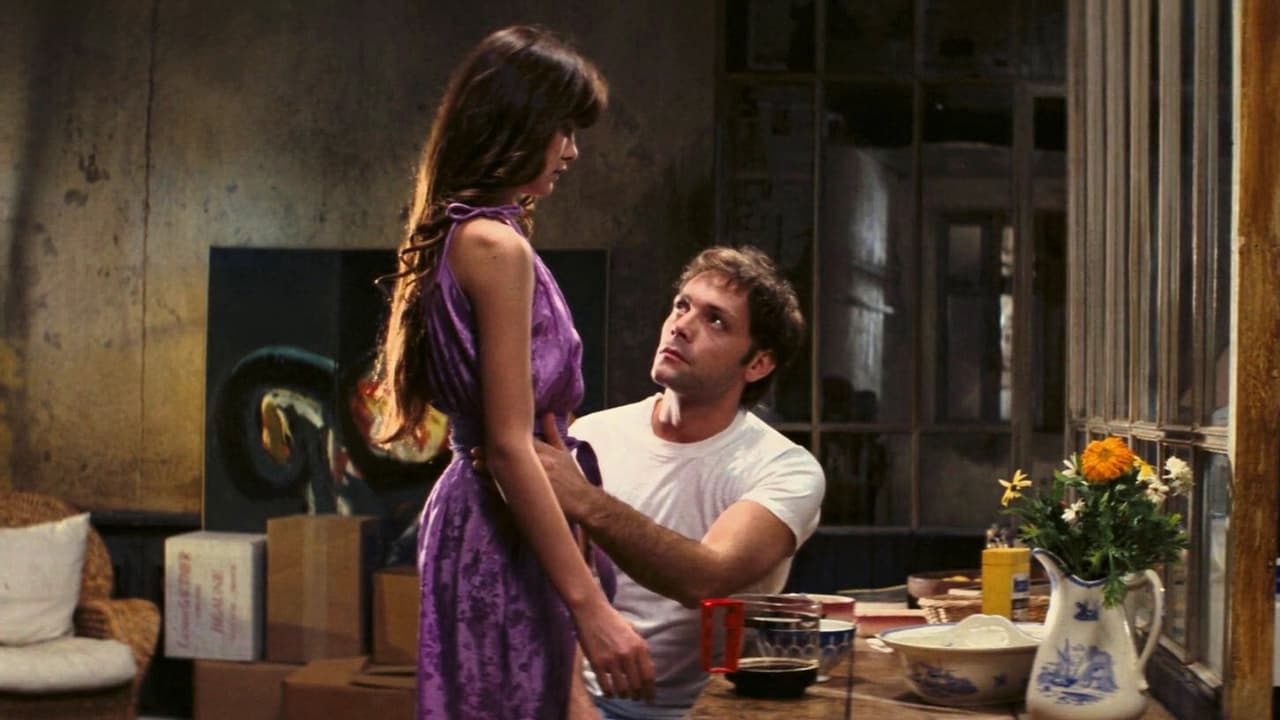
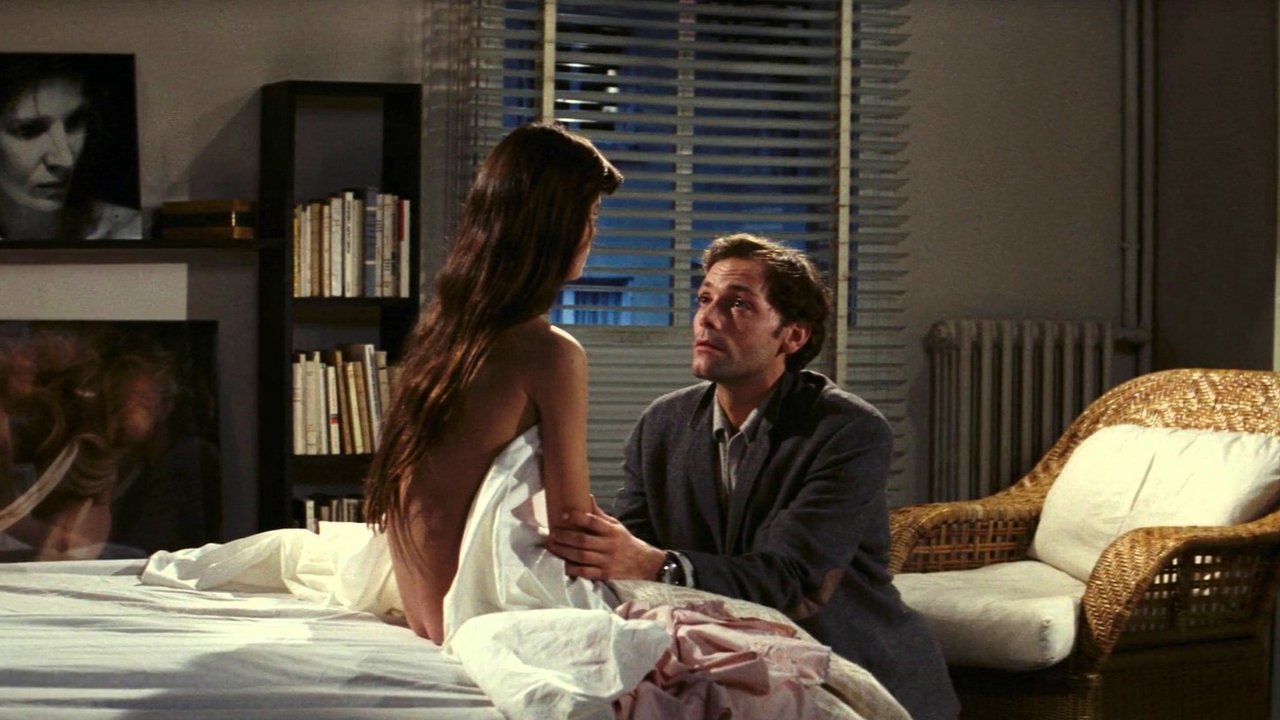
The premise itself is a landmine. Rémi (Patrick Dewaere) is a struggling pianist, coasting through life with his partner, the glamorous but fading Martine (Nicole Garcia plays her briefly but memorably). They share their lives with Marion (Ariel Besse), Martine's 14-year-old daughter from a previous relationship. When Martine is abruptly killed in a car accident, Rémi finds himself the reluctant guardian of his stepdaughter. Grief hangs heavy in the air, but soon, something even more complicated emerges: Marion’s burgeoning, insistent attraction towards Rémi.
Blier (Going Places, Get Out Your Handkerchiefs), never one for simple morality tales, steers directly into the storm. The film doesn't shy away from the taboo, presenting Marion’s desires and Rémi’s tortured confusion with a stark, almost observational honesty. There’s no easy villain here, no straightforward victimisation. Instead, Blier focuses on the bewildering landscape of grief, loneliness, and nascent sexuality colliding in a small Parisian apartment.
The Haunting Presence of Patrick Dewaere
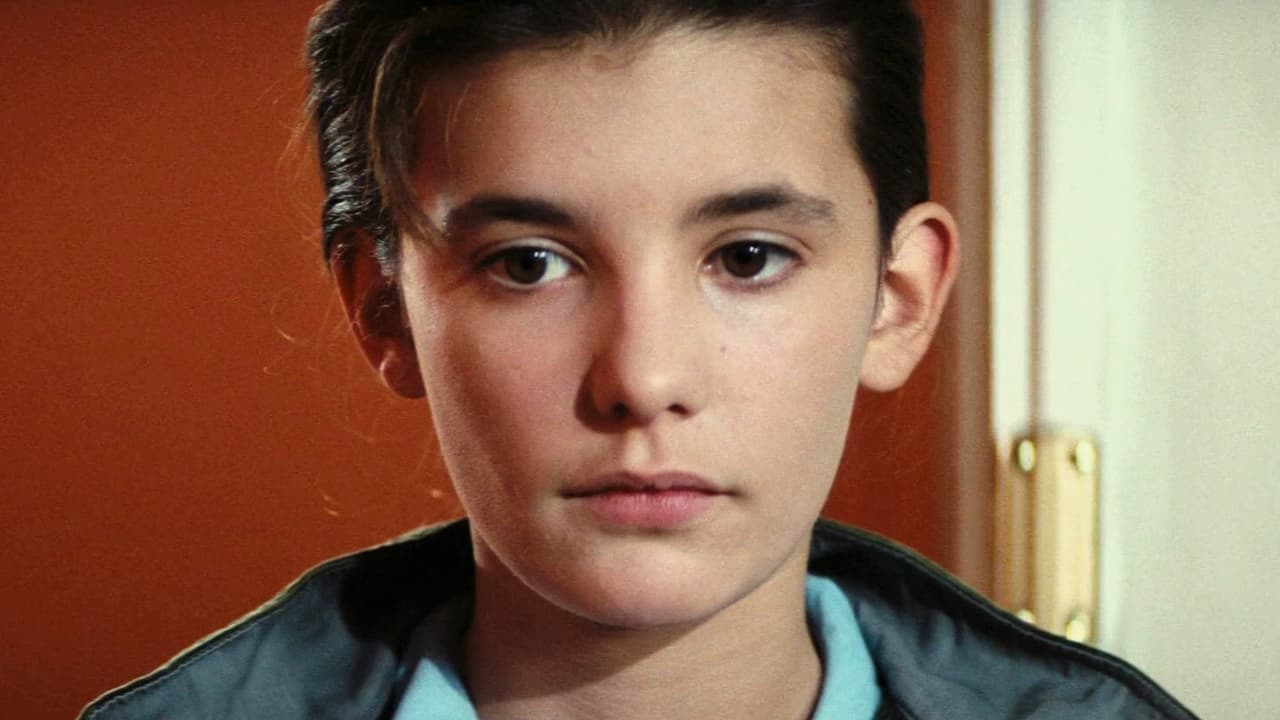
At the absolute core of Beau Pere is the towering, heartbreaking performance of Patrick Dewaere. As Rémi, he is simply magnificent. His face is a roadmap of exhaustion, melancholy, and a deep-seated bewilderment. He’s not predatory; he’s adrift, overwhelmed by responsibility and the inappropriate affections of a girl who represents his last link to the woman he lost. Dewaere embodies the character's passivity and internal conflict with a naturalism that’s almost painful to watch. He makes Rémi’s paralysis utterly believable – the way he tries, and fails, to impose conventional morality onto an unconventional, emotionally charged situation.
Knowing that Dewaere tragically took his own life just a year later, shortly after completing his next film (Paradis pour tous), casts an undeniable shadow over his performance here. There's a vulnerability, a profound sadness etched into his portrayal that feels deeply personal. He had collaborated with Blier multiple times, and reportedly felt a strong connection to the melancholic aspects of Rémi. His performance isn't just acting; it feels like bearing witness to a soul wrestling with immense weight.
A Difficult Debut
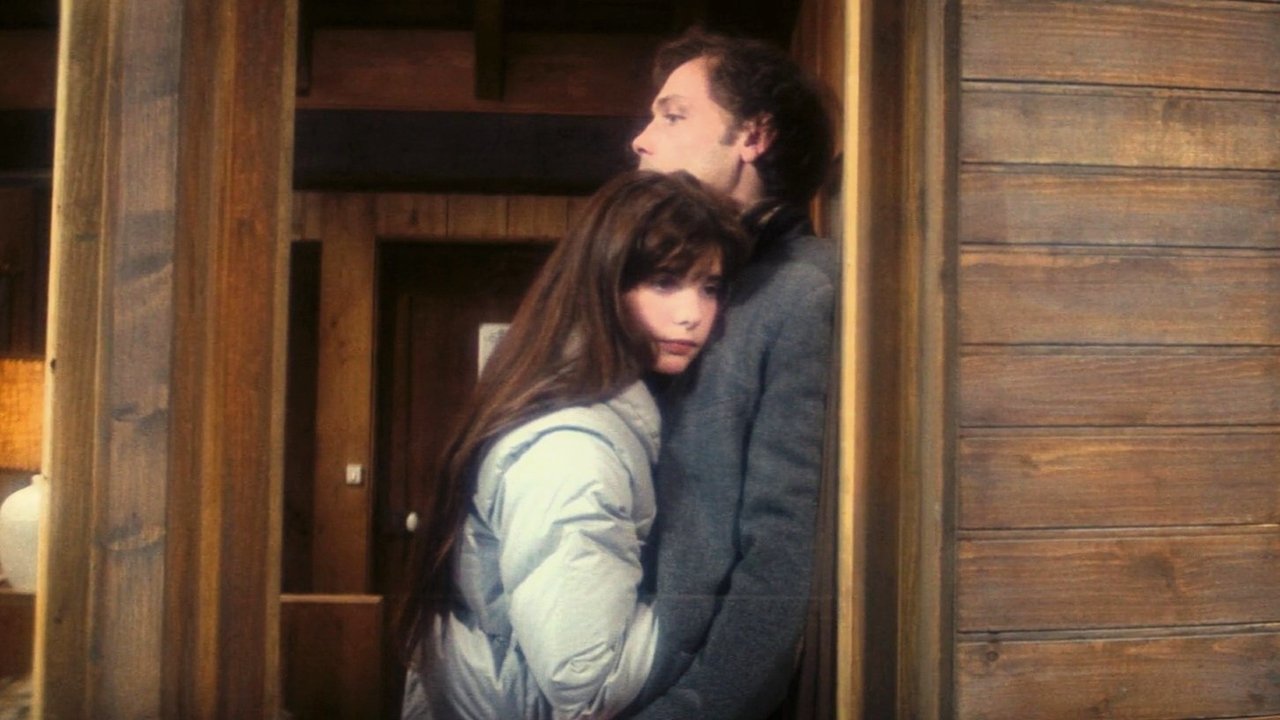
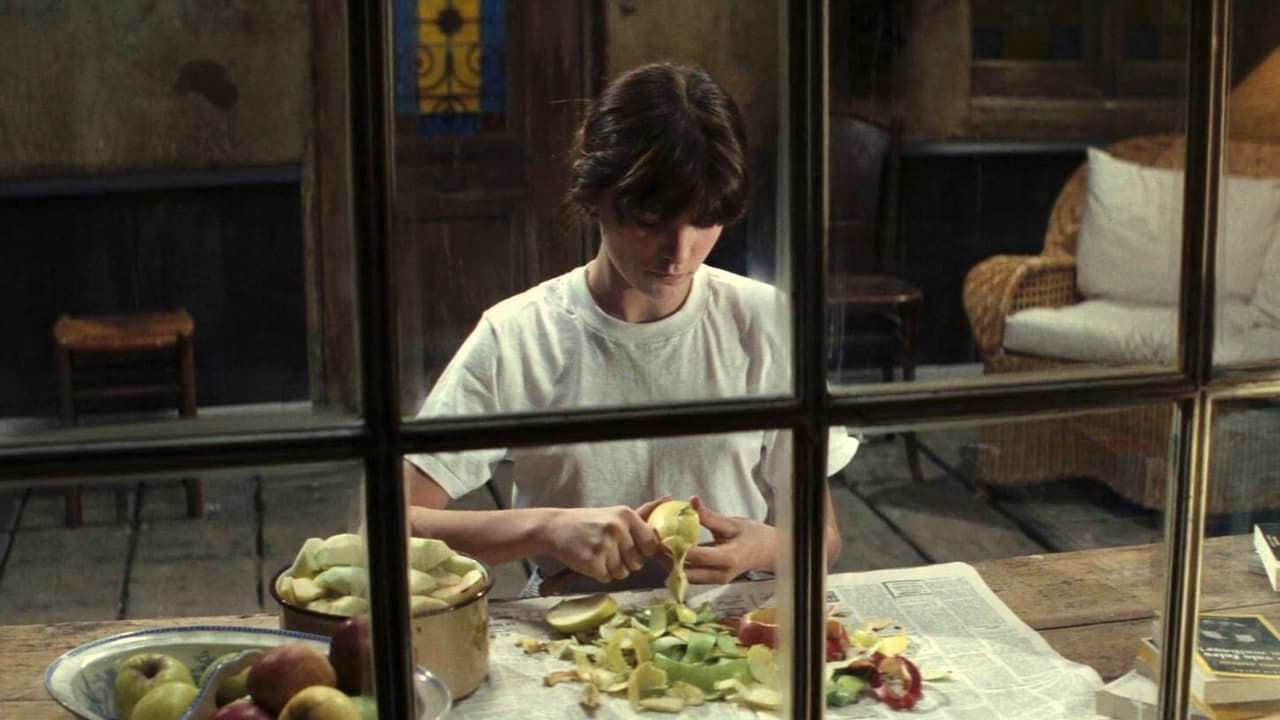
Matching Dewaere's complexity is the challenging performance of Ariel Besse as Marion, in her screen debut. Just 15 during filming, Besse navigates incredibly difficult terrain. Blier presents Marion not merely as Lolita-esque provocation, but as a young woman grappling with intense loss, asserting her own desires in the only way she perhaps knows how. It's a portrayal that demands maturity beyond her years, and Besse delivers a performance that is both unsettlingly direct and tinged with the awkwardness of adolescence. The film walks a tightrope here, and Besse’s commitment to the character's perspective, however problematic, is key to the film's unsettling power. It's a brave performance, undoubtedly shaped by Blier's uncompromising direction.
The Blier Touch
Blier’s direction is typically unsentimental. The camera often observes, rather than judges. He uses the confined spaces of the apartment effectively, emphasizing the claustrophobia of Rémi and Marion's situation. There are moments of Blier's characteristic dark, almost absurd humor, but they are fleeting, often serving only to highlight the underlying tragedy and awkwardness. The film earned a nomination for the Palme d'Or at the 1981 Cannes Film Festival, a testament to its perceived artistic merit despite its controversial subject matter. It wasn't a huge box office smash, perhaps understandably given the challenging themes, but it certainly generated discussion.
Finding this on VHS back in the day... well, it wasn't your typical Friday night rental alongside the latest action flick. It was the kind of film that stuck with you, prompting hushed conversations or quiet contemplation. It represented a different kind of cinema, one that wasn't afraid to leave you feeling unresolved, even disturbed. It’s a reminder that the shelves of those old video stores held not just escapism, but gateways to complex, adult storytelling.
Reflections in the Static
Does Beau Pere still resonate? Absolutely. Its power lies in its refusal to simplify. It forces us to consider uncomfortable truths about grief, attraction, and the blurred lines of responsibility. Dewaere’s performance alone makes it essential viewing for anyone interested in French cinema or just raw, powerful acting. It's a film that trusts its audience to grapple with ambiguity, a quality often missing in contemporary filmmaking. What lingers most is the profound sadness, the sense of characters trapped by circumstance and their own complex, often contradictory, feelings.
Rating: 8/10
This score reflects the film's artistic bravery, Blier's assured direction, and, above all, the unforgettable performances, particularly Patrick Dewaere's masterclass in melancholy. It’s a challenging, thought-provoking piece of 80s cinema that doesn't offer easy comfort, docking points only for the inherent discomfort that might make it difficult for some viewers, and perhaps narrative elements that feel less nuanced by today's standards. However, its power to provoke and linger is undeniable.
It remains a stark, haunting film – a complex character study wrapped in a controversial premise, and a potent reminder of the talents we lost when Dewaere departed far too soon.