There’s a certain kind of quietude that settles over you after watching André Téchiné’s Wild Reeds (Les Roseaux sauvages), a feeling akin to sitting by a slow-moving river on a hot, lazy afternoon, contemplating the currents both visible and unseen. Released in 1994, this wasn't the kind of film you'd typically find dominating the New Releases wall at Blockbuster, sandwiched between action blowouts and broad comedies. No, discovering Wild Reeds often felt more like uncovering a hidden gem, perhaps tucked away in the ‘World Cinema’ section, its simple VHS cover hinting at something deeper, more resonant. And resonate it does, even decades later.

### That Languid Summer of '62
The film transports us to the sun-drenched southwest of France in 1962. The air hangs heavy, not just with the summer heat, but with the anxious uncertainty of the Algerian War winding down, its repercussions rippling even into the lives of teenagers at a provincial boarding school. Téchiné, who co-wrote the screenplay with Gilles Taurand and Olivier Massart, drawing partially from his own adolescence, masterfully uses this historical backdrop not as the main event, but as a subtle, pervasive pressure cooker for the intensely personal dramas unfolding among four young protagonists: François (Gaël Morel), Serge (Stéphane Rideau), Maïté (Élodie Bouchez), and Henri (Frédéric Gorny). It's a film about awakenings – political, sexual, emotional – and the often confusing, sometimes painful, process of discovering who you are when the world around you is also in flux.
### Currents of Identity
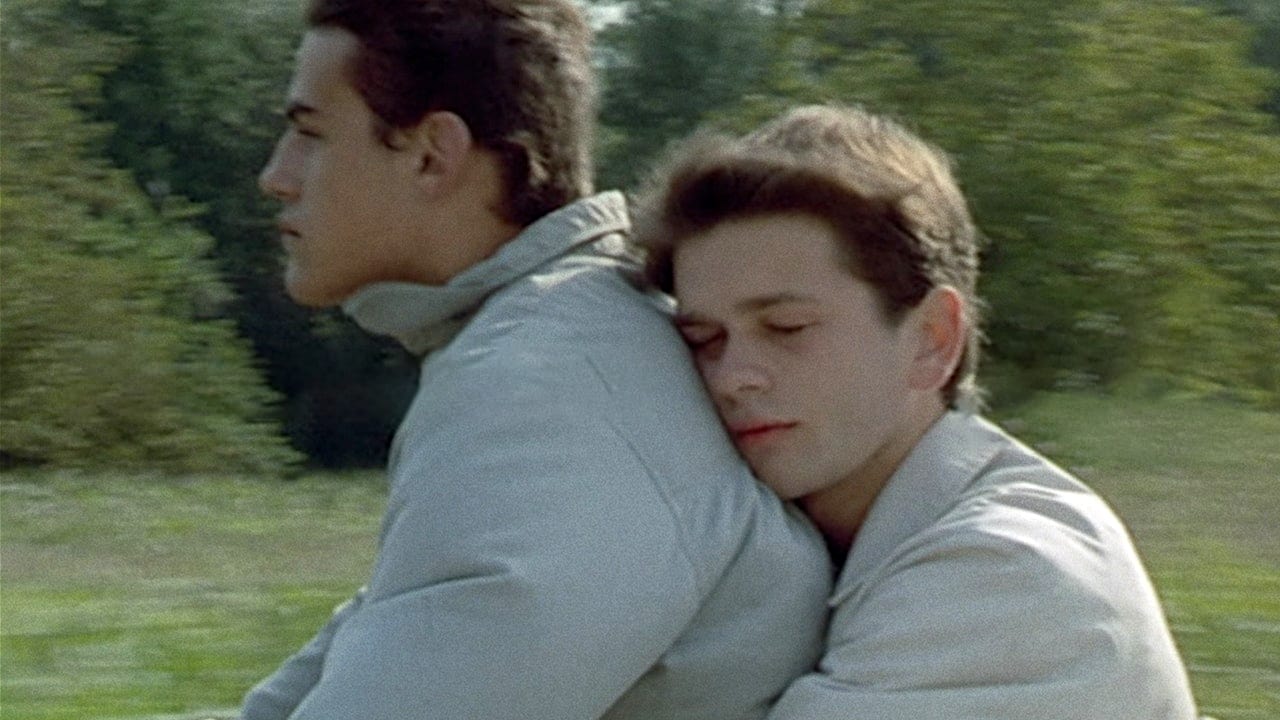
What strikes you immediately about Wild Reeds is its profound sensitivity and lack of judgment. François is grappling with his attraction to Serge, the straightforward farmer's son, while Serge finds himself drawn to Maïté, the thoughtful daughter of their communist teacher. Meanwhile, Henri, an older pied-noir refugee scarred by his experiences in Algeria, disrupts their fragile ecosystem with his own volatile mix of trauma and ideology. Téchiné doesn't offer easy answers or neat resolutions. Instead, he observes his characters with immense empathy, allowing their confusion, desires, and tentative explorations of intimacy to unfold naturally. The film explores burgeoning homosexuality, heterosexual attraction, political conviction, and adolescent alienation with a nuance rarely seen. It asks, without ever needing to state it explicitly: how do the seismic shifts of history shape the intimate landscapes of our own hearts?
### Performances of Raw Honesty
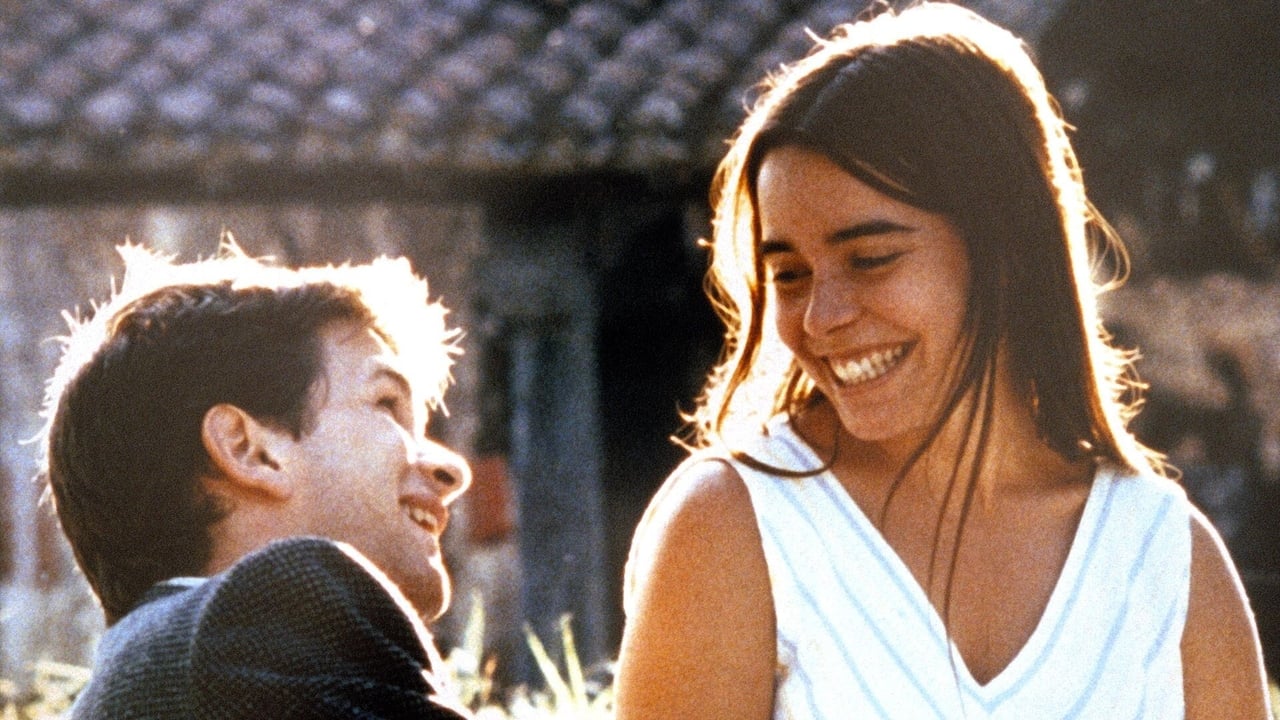
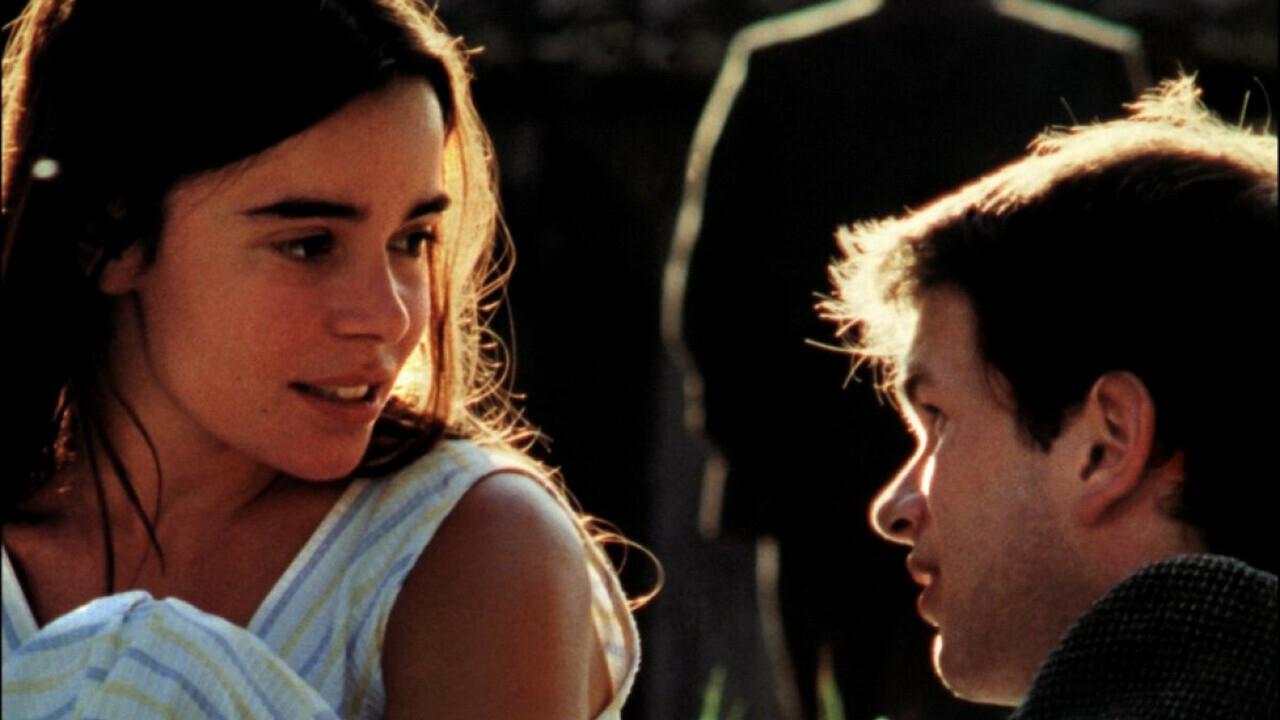
The young cast, largely unknown at the time, is simply luminous. Gaël Morel embodies François's vulnerability and intellectual searching with aching authenticity. His quiet observations and internal struggles form the film's sensitive core. Stéphane Rideau brings a captivating blend of physicality and unexpected tenderness to Serge, a boy caught between traditional expectations and unfamiliar feelings. And then there's Élodie Bouchez, who won a richly deserved César Award for Most Promising Actress for her portrayal of Maïté. She is radiant – intelligent, fiercely principled, yet capable of surprising emotional shifts. Her friendship with François is one of the film’s most beautifully realized elements, a platonic intimacy built on shared confusion and burgeoning self-awareness. Even Frédéric Gorny as the troubled Henri makes a powerful impact, representing the intrusion of a harsher reality into their relatively sheltered world. There's a lack of performative melodrama; their interactions feel utterly real, grounded in the awkward pauses, searching glances, and hesitant touches of genuine youth.
### Behind the Reeds: A Cinematic Miracle
It's fascinating to remember that Wild Reeds originated as part of a French television commission called Tous les garçons et les filles de leur âge ("All the Boys and Girls of Their Age"), where prominent directors were asked to create films about adolescence set to the music of a specific year. Téchiné's installment, initially titled Le Chêne et le Roseau ("The Oak and the Reed"), expanded beyond its brief and budget, evolving into this feature-length masterpiece. It went on to sweep the Césars, winning Best Film, Best Director, and Best Screenplay alongside Bouchez's win – a testament to its unexpected power. Filmed beautifully on location in Villeneuve-sur-Lot, the same area where Téchiné grew up, the landscape itself – the river, the fields, the titular reeds – becomes a silent character, reflecting the characters' inner states. The naturalism extends to the direction; Téchiné, known for later works like Alice and Martin (1998), employs a patient, observant style, letting moments breathe and allowing the emotional weight to build subtly.
### Why It Lingers
Watching Wild Reeds again recently, probably on a format far removed from the slightly worn VHS tape I first saw it on, I was struck by how gracefully it has aged. Its themes of identity, belonging, the clash between personal desires and political realities, and the bittersweet ache of first love remain profoundly relevant. It doesn't feel dated, perhaps because its focus is so intensely on the universal truths of human connection and confusion. It captures that specific, ephemeral moment between childhood and adulthood with a rare honesty and artistry. It’s a film that doesn’t shout; it whispers, invites you in, and leaves you thinking long after the credits roll. It reminds us that sometimes the most significant historical events are the ones that happen within the quiet chambers of the human heart. What does it truly mean to come of age when the very foundations of your world seem uncertain?
Rating: 9/10
This rating reflects the film's exceptional depth, its pitch-perfect performances, Téchiné's masterful direction, and its enduring emotional resonance. It’s a near-flawless execution of a sensitive coming-of-age story, subtly interwoven with historical context. It might lack the immediate visceral punch of some 90s classics, but its quiet power leaves a far more lasting impression.
Wild Reeds remains a benchmark of French cinema, a poignant reminder of a time when discovering such thoughtful, intimate films felt like uncovering a precious secret on the video store shelf – a secret well worth keeping, and revisiting.