It's a title that carries a certain weight, a blend of stoicism and perhaps a hint of weary defiance: Moscow Does Not Believe in Tears. Released in the West in 1980, this Soviet film arrived on our shores not with the usual Cold War suspicion, but as something quite unexpected – a profoundly human story that transcended political divides. Finding this one on the shelves of the local video store, nestled perhaps in the slightly intimidating ‘Foreign Language’ section, felt like uncovering a secret window into a world rarely seen with such warmth and empathy on Western screens. It wasn't an espionage thriller or a stark political drama; it was something far more resonant: a story about life, love, and the enduring strength of the human spirit.
From Shared Dreams to Divergent Paths
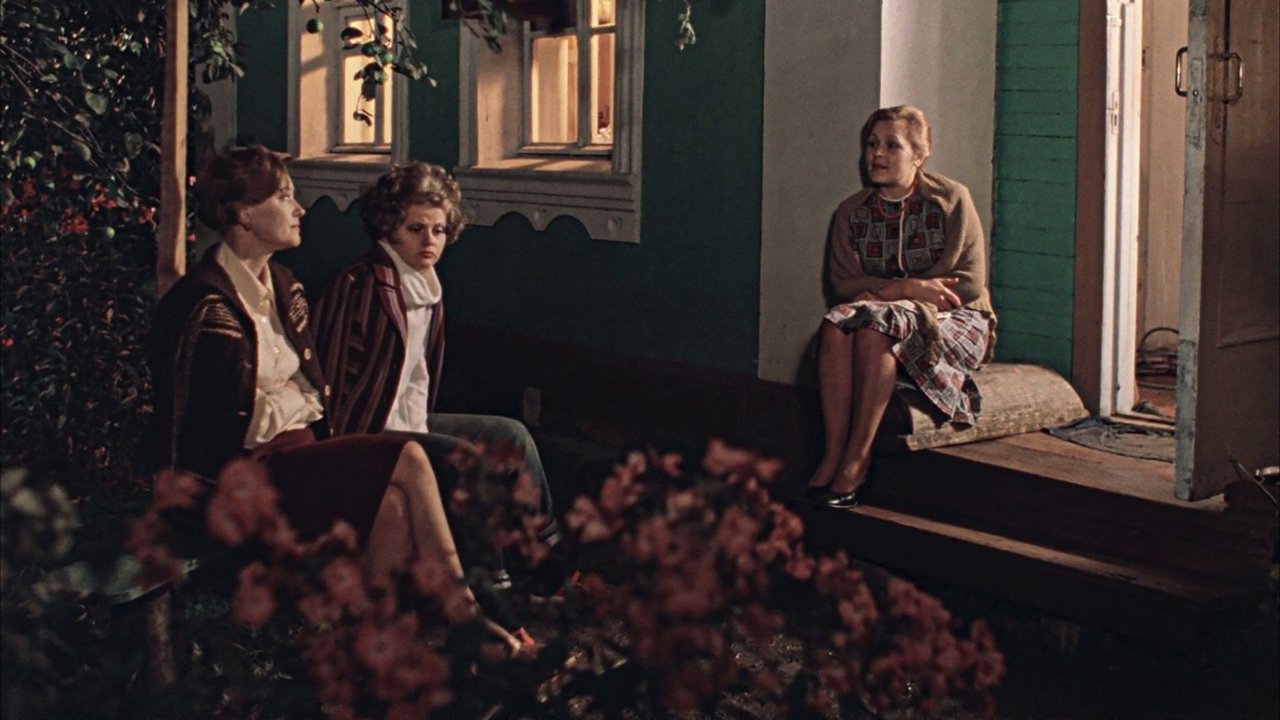
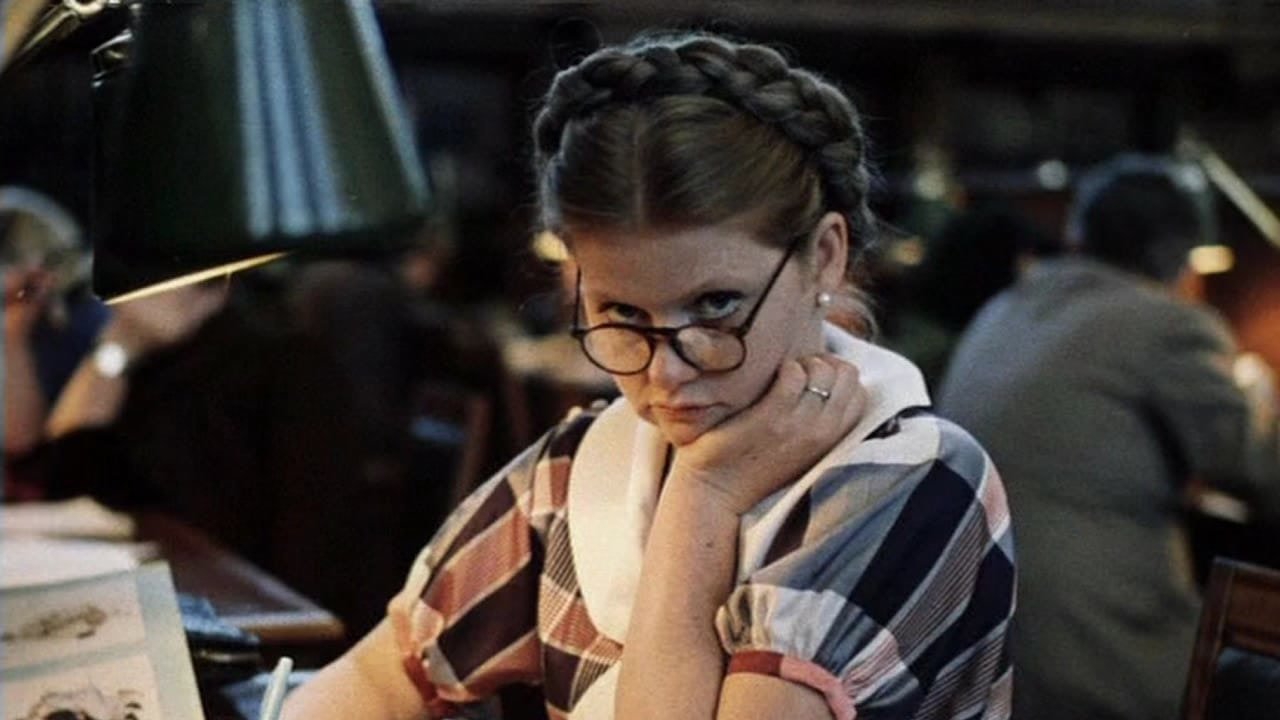
The film, directed by Vladimir Menshov, begins in the Moscow of the late 1950s, introducing us to three young women sharing a room in a workers' dormitory, each nursing different dreams. Katerina (Vera Alentova) is ambitious and studious, determined to climb the social and professional ladder. Lyudmila (Irina Muravyova) is vivacious and pragmatic, seeking a shortcut to a comfortable life through marriage. Antonina (Raisa Ryazanova) is grounded and content, finding happiness in simple domesticity. Their early interactions, filled with the hopes and anxieties of youth, lay the groundwork for a narrative that will span two decades, revealing how choices made in younger years echo profoundly through adulthood. The initial setup, involving a slightly deceptive ploy to impress potential suitors, feels almost like a light social comedy, but it soon deepens into something far more poignant.
The Weight of Years, The Strength of Character
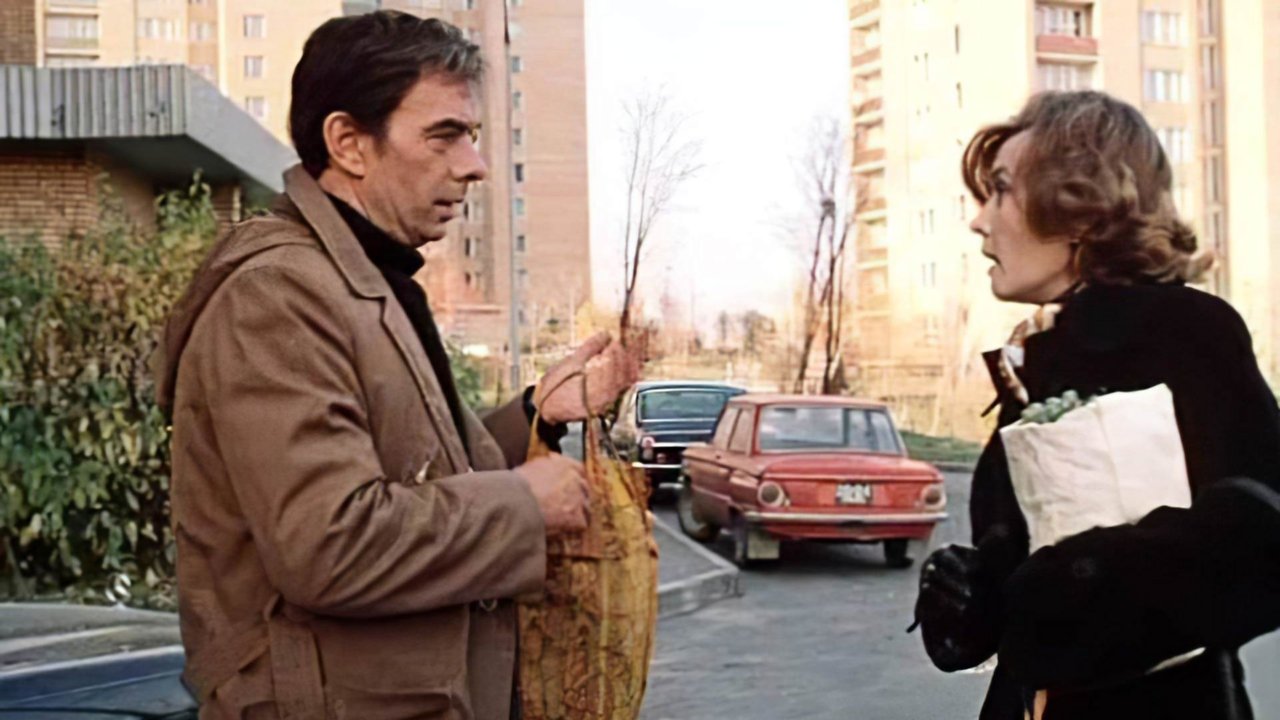
What truly elevates Moscow Does Not Believe in Tears is its masterful handling of time. A significant jump forward lands us in the late 1970s, where we find the three women navigating vastly different realities shaped by those early choices. Katerina, having faced significant hardship and single motherhood, has achieved remarkable professional success but finds personal fulfillment elusive. Lyudmila's pursuit of glamour has led to disillusionment, while Antonina remains the steady anchor of the trio. It’s this second half where the film's emotional core truly resides. We witness the complexities of middle age, the search for connection after past heartbreaks, and the quiet resilience required to keep moving forward. The narrative avoids easy sentimentality, presenting life with an honesty that feels earned.
Performances Forged in Truth
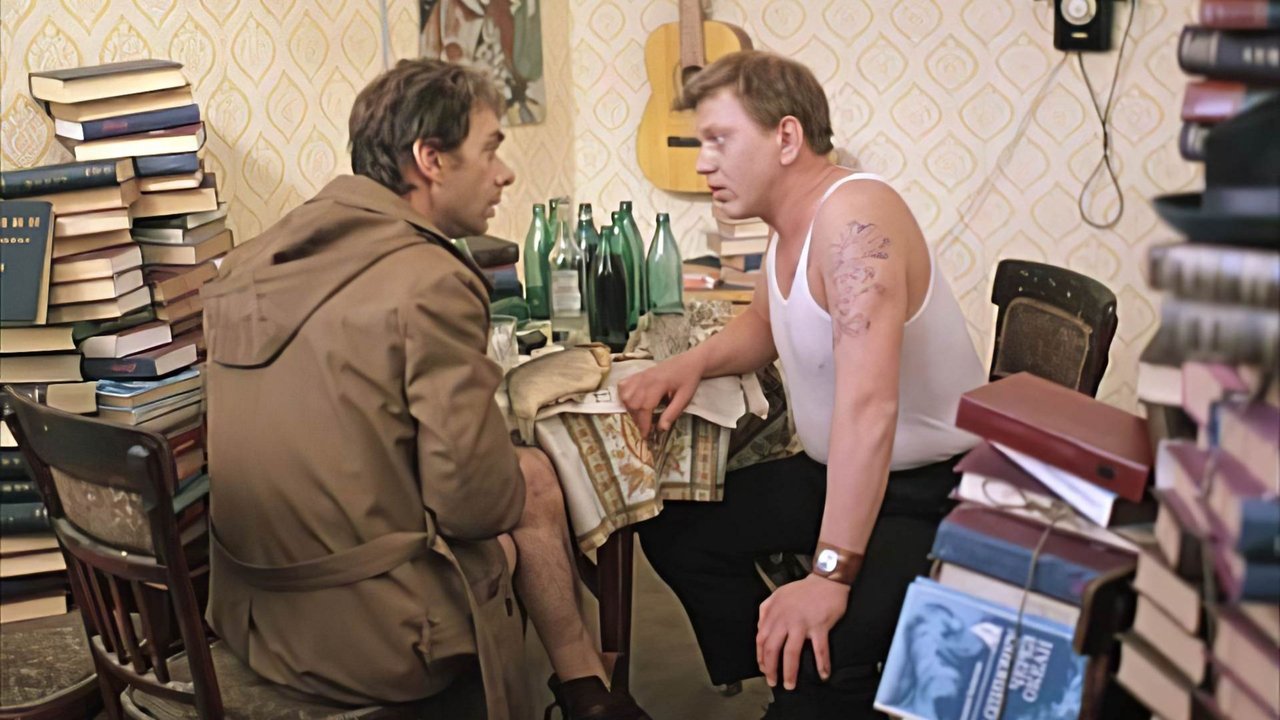
The film rests heavily on the shoulders of its cast, particularly Vera Alentova as Katerina. Her portrayal is a masterclass in understated strength. She embodies Katerina’s journey from determined youth through profound disappointment to hard-won maturity with incredible nuance. We see the intelligence in her eyes, the weariness etched by life's struggles, and the flicker of hope that refuses to be extinguished. Irina Muravyova brings a compelling energy to Lyudmila, capturing her initial spark and later melancholy, while Raisa Ryazanova offers a warm, stabilizing presence as Antonina. When Aleksey Batalov enters the picture later as Gosha, a kind, principled mechanic who connects with Katerina, his performance brings a gentle gravity and charm that feels like a welcome balm. Their chemistry is believable, portraying the tentative, hopeful connection between two people who thought love might have passed them by.
A Surprising Global Embrace
For a film depicting everyday Soviet life across decades, its international reception was remarkable. Moscow Does Not Believe in Tears snagged the Academy Award for Best Foreign Language Film in 1981, a genuine surprise that spoke volumes about its universal themes. Retro Fun Fact: Director Vladimir Menshov wasn't actually allowed to travel to Hollywood by Soviet authorities to accept his Oscar; he learned of his win from a state news report! The film was also a massive hit domestically, resonating deeply with Soviet audiences who saw their own lives and aspirations reflected on screen. There's even a persistent story that President Ronald Reagan watched the film multiple times to gain insight into the "Russian soul" before his summits with Gorbachev – a testament to its perceived authenticity and humanism, reaching across the Iron Curtain in a way few other cultural artifacts did. Finding this tape felt like accessing that shared humanity.
Beyond the Politics, A Human Story
Menshov’s direction is notable for its realism and patience. He allows the characters and their relationships to breathe, capturing the textures of Moscow life in both the 50s and 70s without overt political commentary. The focus remains squarely on the personal journeys, the joys and sorrows that define human existence regardless of the system one lives under. While not flashy, the cinematography effectively creates the distinct moods of the two eras, and the score subtly underscores the emotional beats without becoming intrusive. It’s a film crafted with care, prioritizing emotional truth over stylistic flourish. Its enduring power lies in this very simplicity and sincerity. What does Katerina’s journey – her resilience in the face of setbacks, her late-in-life chance at happiness – suggest about the enduring human need for connection and self-worth, themes that feel just as relevant now as they did then?
***
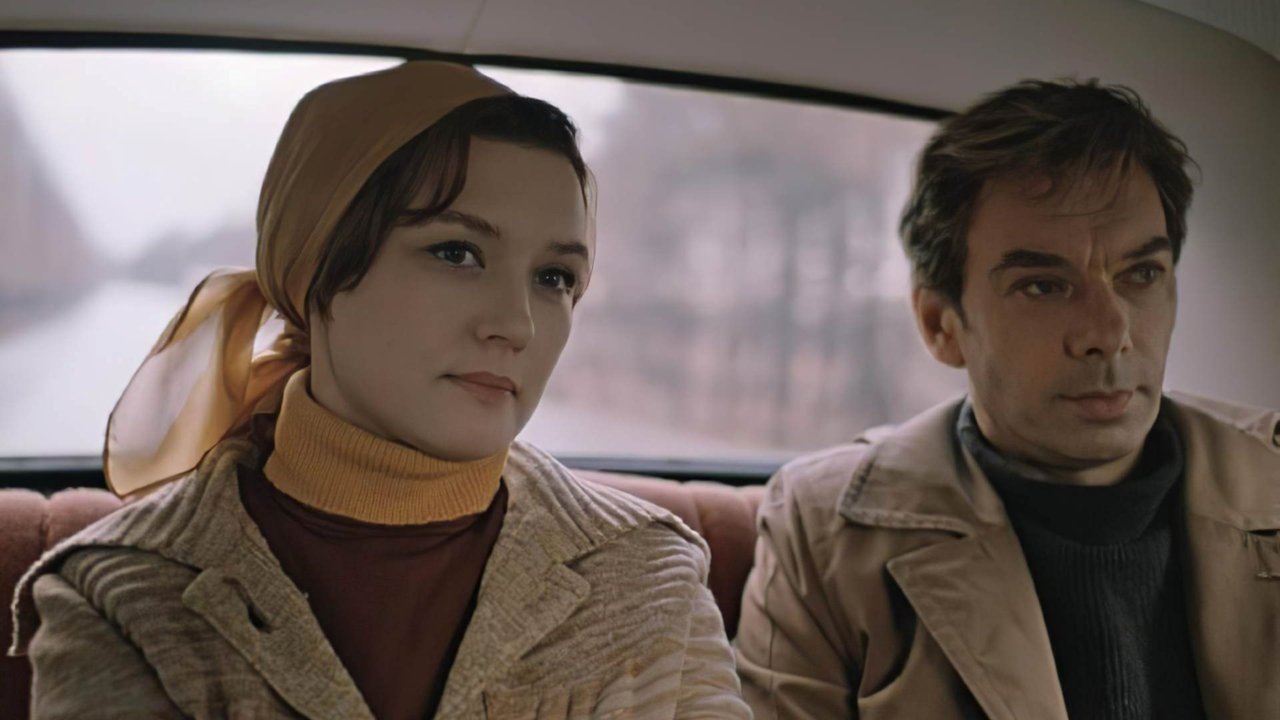
Moscow Does Not Believe in Tears remains a powerful and moving piece of cinema. It’s a film that rewards patience, slowly unfolding its characters' lives with empathy and wisdom. Watching it again after all these years, perhaps recalling that first viewing on a worn VHS tape, reinforces its status as more than just an Oscar winner; it’s a deeply affecting story about finding strength in adversity and hope in unexpected places.
Rating: 9/10
Final Thought: A beautifully rendered portrait of resilience and the enduring search for happiness, proving that compelling human stories know no borders – a treasure unexpectedly found on the video store shelf.