There's a weight to some films, isn't there? A sense not just of watching a story unfold, but of witnessing the immense, unstoppable turning of history's pages. Régis Wargnier's 1992 epic, Indochine, carries that weight with a haunting grace. Seeing it again recently, decades after first wrestling that double-VHS set out of its rental box, the feeling returned – that sense of being immersed in a world both intoxicatingly beautiful and inexorably doomed. It wasn't the usual high-octane fare we often grabbed back then; this felt different, substantial, a film demanding your time and attention, promising a journey far beyond the living room couch.
### A World on the Brink
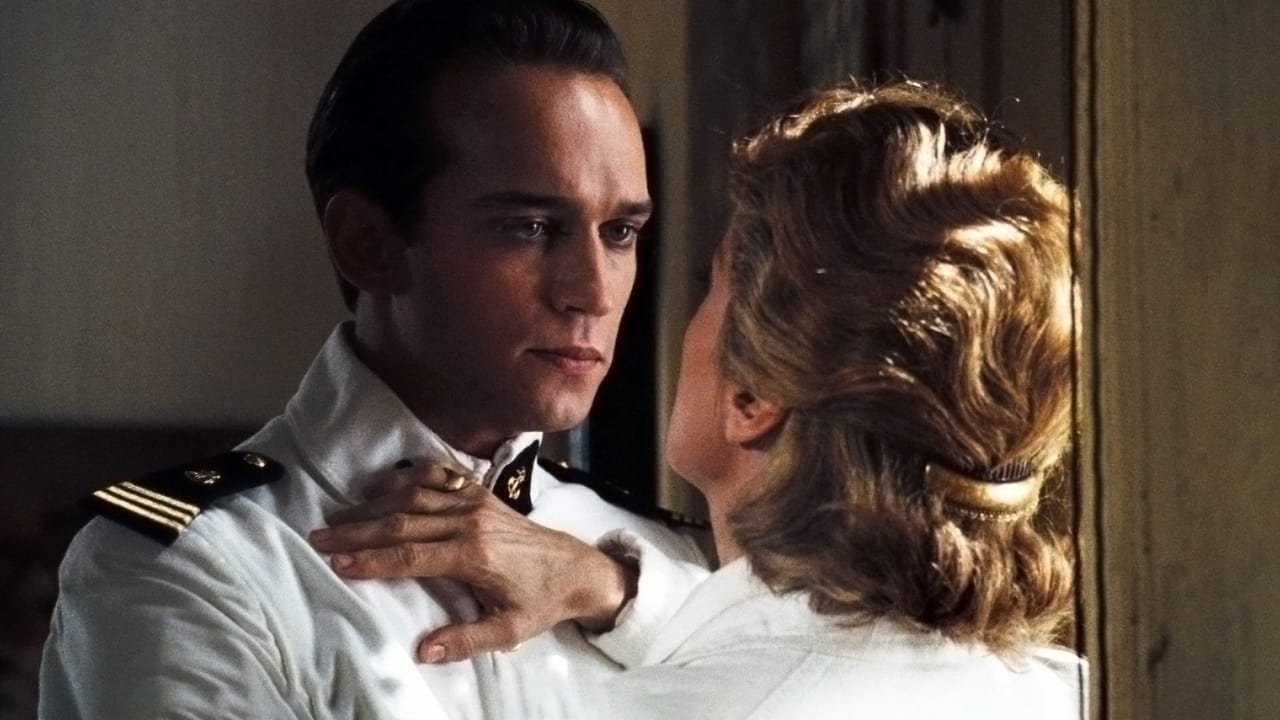
The film transports us to French Indochina (modern-day Vietnam) in the 1930s, a place simmering with quiet rebellion beneath a veneer of colonial control. At its heart is Eliane Devries, played with magnificent, icy poise by the legendary Catherine Deneuve. She's a wealthy French rubber plantation owner, a woman seemingly in command of her world, embodying the privilege and certainty of the ruling class. Yet, her deepest connection is not to France, but to her adopted Vietnamese daughter, Camille (Linh Dan Pham in a remarkable debut). Their bond, intense and complex, becomes the emotional core around which the turbulent events of history swirl.
The catalyst for disruption arrives in the form of Jean-Baptiste Le Guen (Vincent Perez), a young, idealistic French naval officer. Both Eliane and Camille fall for him, setting in motion a tragic triangle that mirrors the larger clash of cultures and loyalties engulfing the nation. What begins as personal drama soon spirals into something far larger, as Camille is drawn into the burgeoning Vietnamese independence movement, forcing everyone to confront where their true allegiances lie. Doesn't this dynamic, where personal lives are irrevocably shaped by vast political shifts, feel eternally relevant?
### Lush Vistas, Looming Shadows
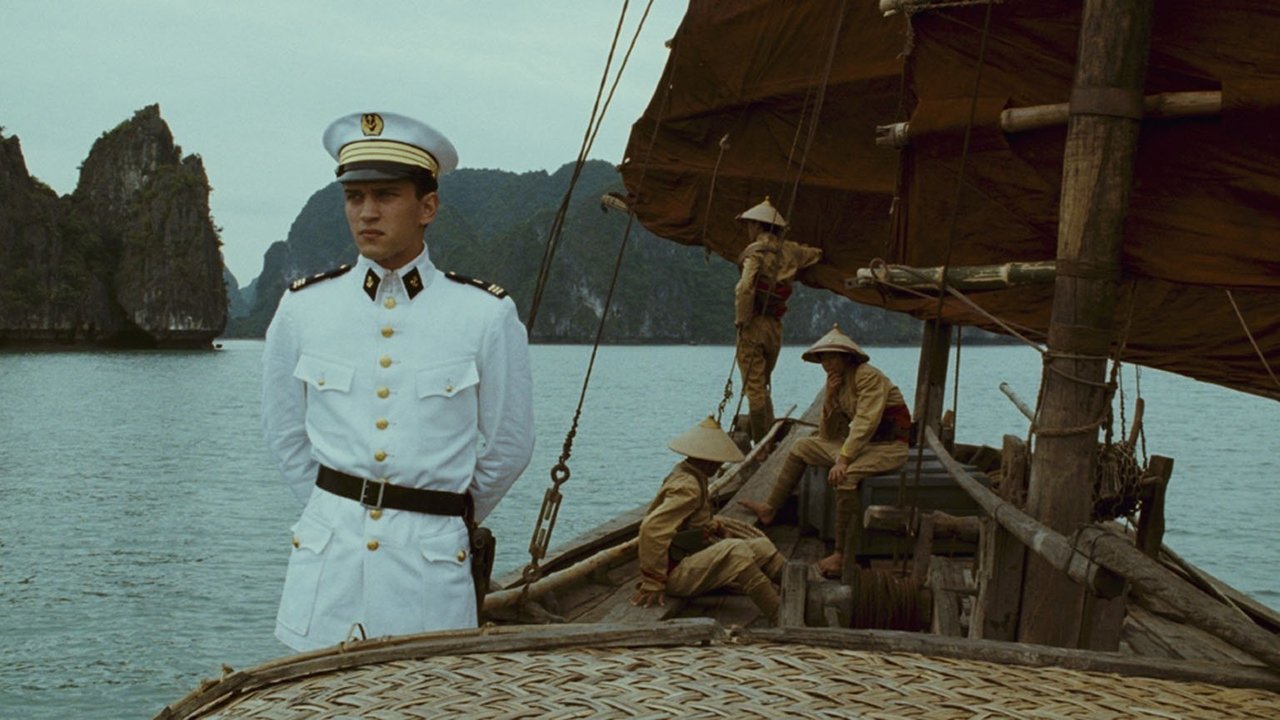
What truly sets Indochine apart, especially revisiting it now, is its breathtaking visual scope. Wargnier and his cinematographer François Catonné capture the landscapes – the staggering beauty of Halong Bay, the decaying elegance of colonial architecture, the verdant intensity of the countryside – with an artist's eye. This wasn't just filmed about Vietnam; it was filmed in Vietnam, along with Malaysia and France, a massive logistical undertaking at the time, particularly as Vietnam was cautiously reopening to the West. You feel the humidity, see the light filter through the jungle canopy, sense the vastness of the world these characters inhabit. This visual splendor, even on a fuzzy CRT screen back in the day, felt immense, transporting.
But the beauty is constantly undercut by the growing tension, the sense of an era ending. The elegance of French colonial life feels fragile, almost brittle, against the backdrop of poverty, exploitation, and the rising tide of Vietnamese nationalism. The film doesn't shy away from the brutality inherent in the colonial system, nor the desperate measures taken by those fighting against it. It paints a complex picture, avoiding easy judgments, instead focusing on the human cost of these historical forces.
### Performances That Resonate
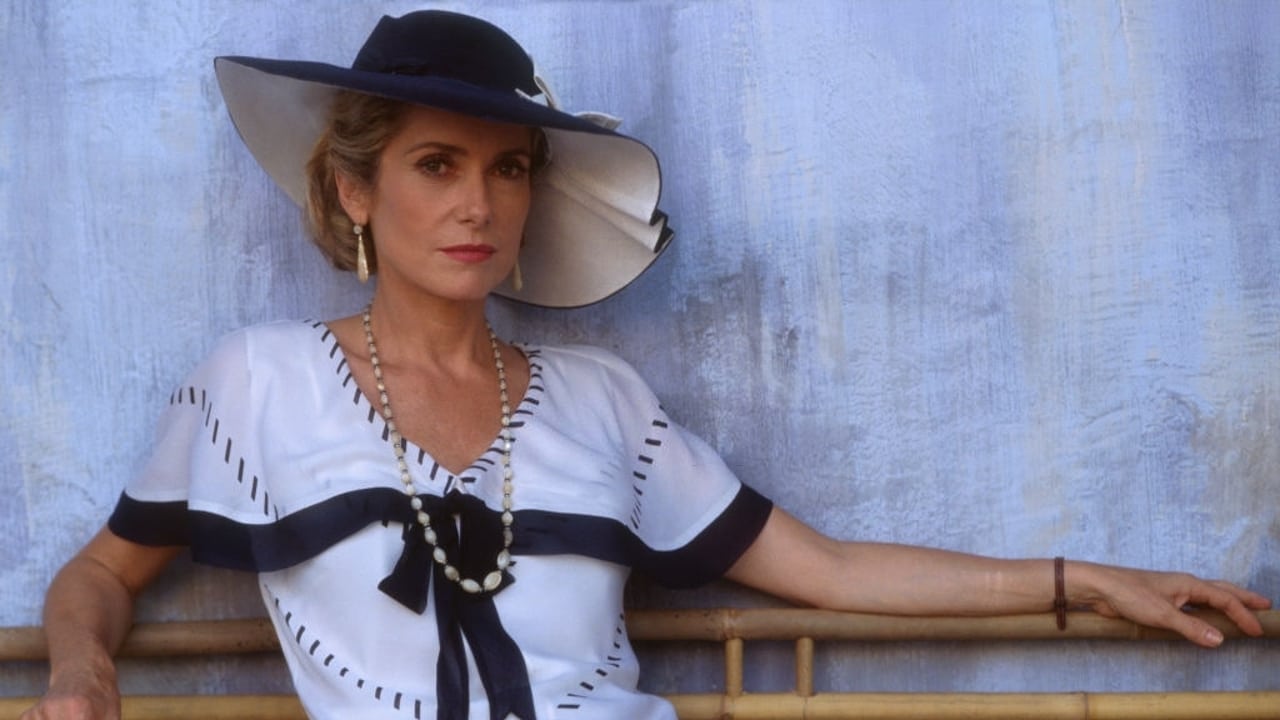
Catherine Deneuve is, predictably, masterful. Eliane is not a simple character; she's possessive, protective, sometimes wilfully blind, yet capable of deep love and sacrifice. Deneuve conveys this intricate inner life with subtle glances and shifts in posture, embodying the power and eventual powerlessness of the French presence. Her performance anchors the film with a regal gravity.
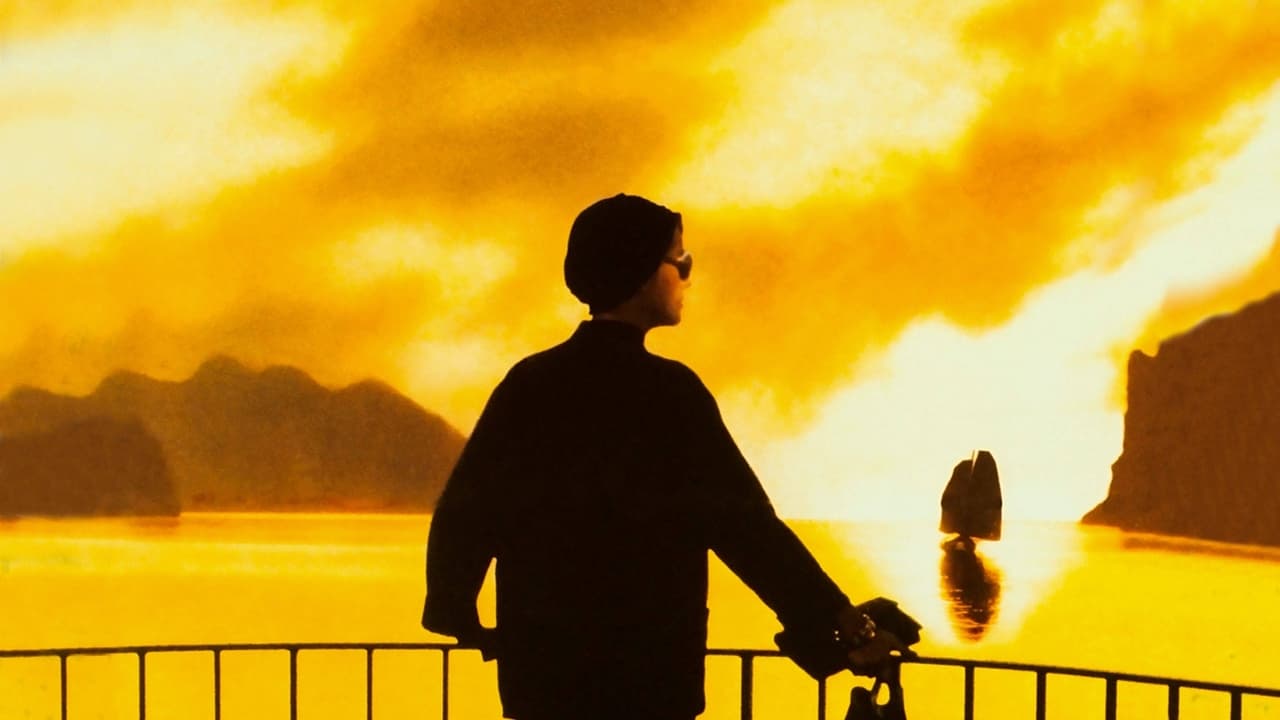
Equally compelling is the journey of Linh Dan Pham as Camille. Discovered after a reported eighteen-month search for an unknown Vietnamese-French actress who could span the character's transformation from naive princess to hardened revolutionary, Pham brings an astonishing authenticity to the role. Her transition feels earned, deeply felt, embodying the spirit of a nation awakening. Vincent Perez, then a rising European star, effectively portrays the handsome, conflicted Jean-Baptiste, caught between duty, love, and disillusionment. The chemistry between the three leads fuels the central tragedy.
### Beyond the Surface: Trivia and Texture
Indochine wasn't just another film; it was a statement. With a budget nearing $20 million USD – a colossal sum for French cinema then – it aimed for, and achieved, international prestige. Its subsequent win for the Academy Award for Best Foreign Language Film cemented its place. Remembering its release, it felt like a significant cultural event, a serious historical drama arriving amidst the usual blockbuster noise. The challenges of production were immense – coordinating thousands of extras, navigating filming permissions, recreating a specific historical period on location. It’s a testament to Wargnier’s vision that the result feels so seamless and immersive. There's a story that Deneuve herself was instrumental in securing funding and pushing the project forward, believing deeply in its potential. Knowing this adds another layer to her commanding presence on screen.
### The Lingering Echoes
Indochine is a long film, running close to three hours. On VHS, that often meant a two-tape affair, a real commitment! But the length feels justified by the epic sweep of the story, covering decades and profound personal and political transformations. It’s a film that stays with you, not just for its stunning visuals or tragic romance, but for the questions it raises about identity, belonging, and the inescapable pull of history. How much control do we truly have when caught in the currents of massive societal change?
The film masterfully uses the intimate story of Eliane, Camille, and Jean-Baptiste as a lens through which to view the complex, painful end of French colonialism in Vietnam. It’s a historical epic grounded in deeply human emotions, rendered with artistry and sensitivity.

Rating: 9/10
This score reflects the film's outstanding performances, particularly from Deneuve and Pham, its breathtaking cinematography and production design, its ambitious scope, and its emotionally resonant exploration of complex historical themes. It successfully blends personal drama with epic history, creating a powerful and unforgettable cinematic experience that felt truly special back in the VHS era and holds up remarkably well today.
Indochine remains a poignant reminder of how love, loyalty, and identity become casualties when empires crumble and new nations struggle to be born, leaving you with the haunting beauty of its images and the weight of its history long after the credits roll.