How does one capture the ocean in a teacup? That question, or something very much like it, must have haunted Raúl Ruiz as he embarked on adapting the labyrinthine final volume of Marcel Proust's In Search of Lost Time. The result, 1999's Time Regained (or Le Temps retrouvé), isn't just a film; it's a séance, a shimmering, associative drift through memory, society, and the corrosive, yet ultimately redemptive, power of time itself. Finding this on VHS back in the day felt like unearthing a hidden treasure, a far cry from the weekend's action blockbusters, demanding a different kind of attention, a willingness to surrender to its unique, intoxicating rhythm.
A Tapestry Woven from Whispers and Ghosts
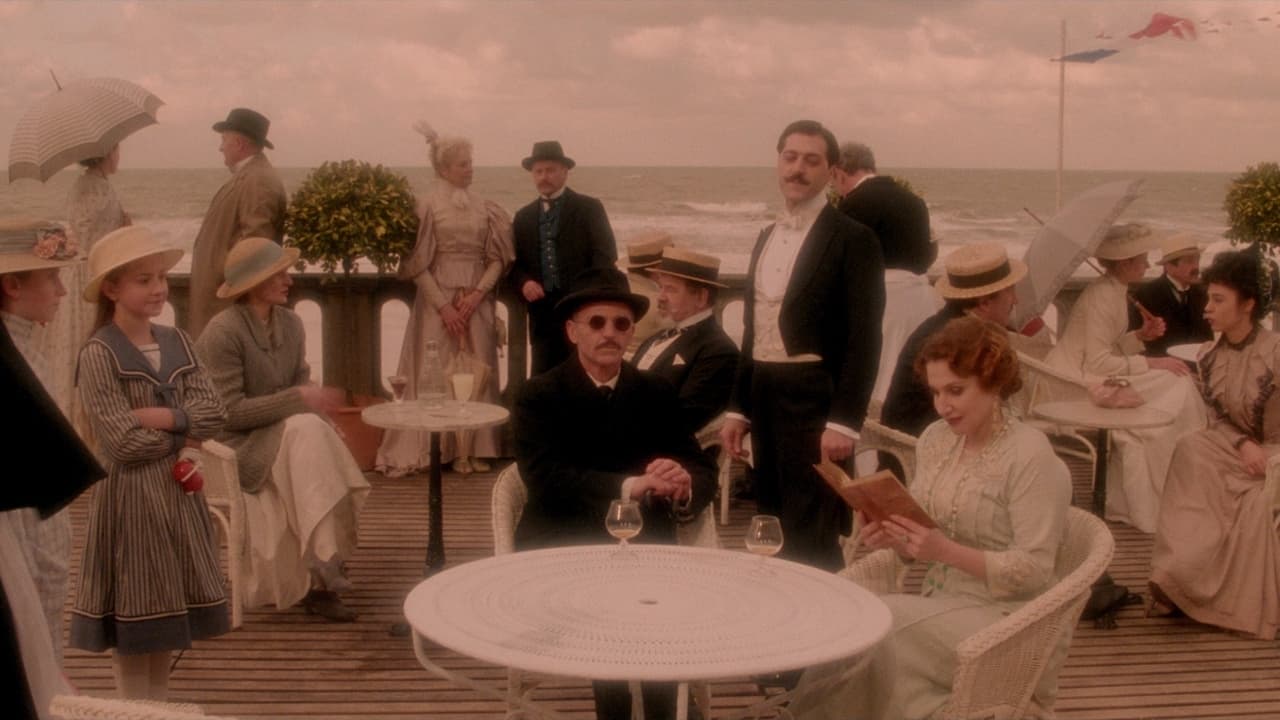
Forget linear narrative. Ruiz, a Chilean master known for his playful, often surreal cinematic explorations (like City of Pirates (1983) or later, Mysteries of Lisbon (2010)), doesn’t attempt to neatly condense Proust's sprawling masterpiece. Instead, he plunges us directly into the fragmented consciousness of the narrator, Marcel (played with watchful sensitivity, though fleetingly seen, mostly serving as our observing presence), as he lies ailing in the twilight of his life. From his sickbed, memories surface not as distinct flashbacks, but as overlapping, dissolving images – ghosts gliding through rooms, conversations echoing across decades, the Belle Époque fading into the grim realities of World War I.
The film cleverly uses the discovery of photographs and the narrator's own reflections as entry points. We revisit the salons, the loves, the rivalries, and the shifting social sands of Parisian high society. Figures like the elegant Duchesse de Guermantes (Catherine Deneuve, embodying aristocratic grace with effortless command), the enigmatic Odette de Crecy (Catherine Deneuve again, in a fascinating dual role reflecting time's passage and perception), the conflicted Saint-Loup (Pascal Greggory), and the intense Morel (Vincent Perez) drift in and out, their past selves mingling with their present. It's a dizzying, disorienting approach, yet strangely true to how memory often works – not in straight lines, but in associative leaps and emotional echoes.
Ruiz's Dreamlike Vision
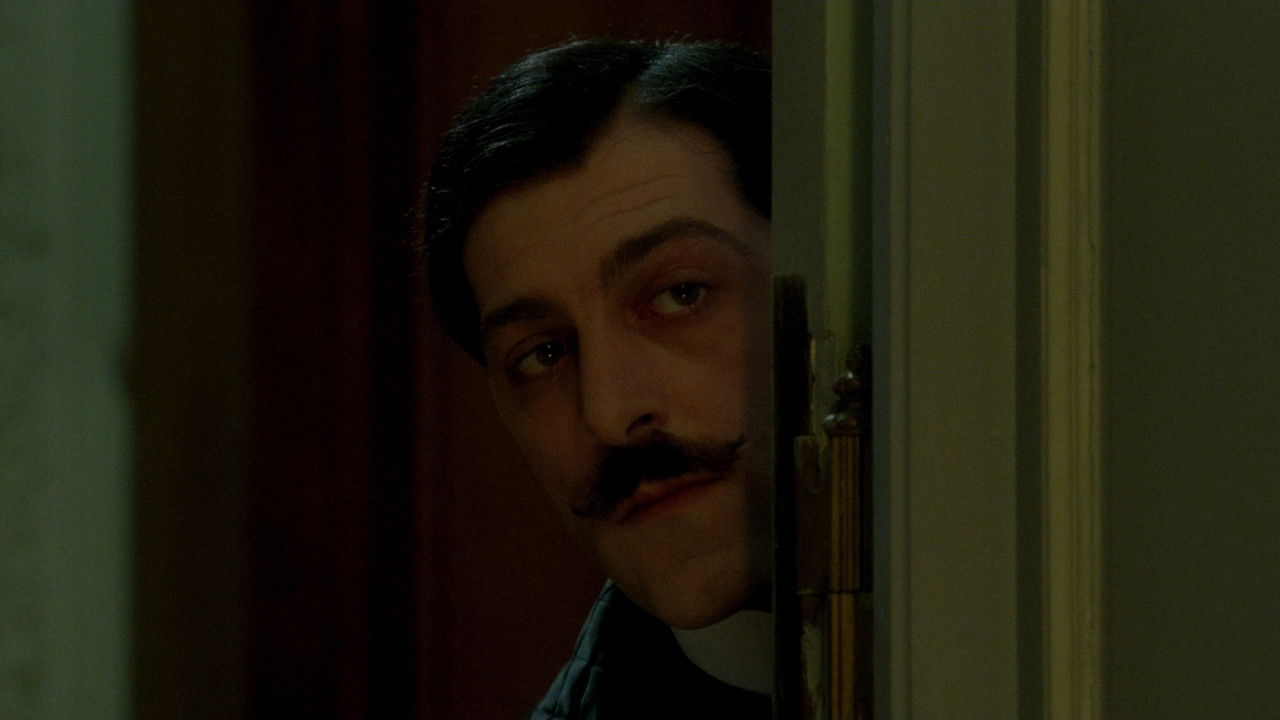
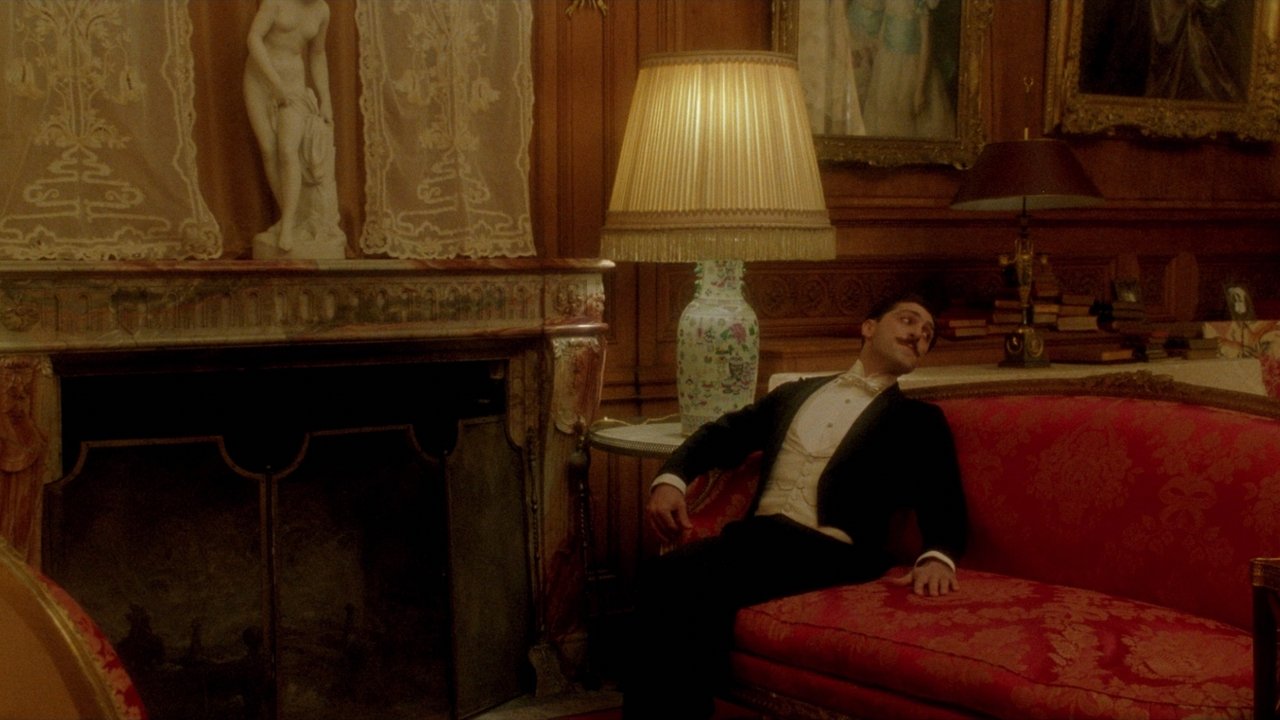
The genius here lies in Ruiz’s visual translation of Proust's dense prose. He employs gliding camera movements, slow dissolves, and layered compositions that feel less like watching a story unfold and more like drifting through a waking dream. Mirrors are everywhere, reflecting fragmented realities and the characters' own fractured selves. Rooms seem to shift and merge; a character might walk through a doorway and find themselves in a different time period entirely. It’s a technique that could feel chaotic, but under Ruiz's control, it becomes hypnotic.
Reportedly, Ruiz and his co-writer Gilles Taurand didn't just adapt the final volume; they drew incidents and characters from across Proust's entire seven-volume work, weaving them into the reflective framework of the narrator's final days. This allows the film to feel comprehensive without being exhaustive, capturing the essence rather than every detail. A fascinating production tidbit: Ruiz utilized specific optical effects, including subtle uses of split-diopter shots and carefully controlled depth of field, to visually represent the overlapping layers of memory and perception, mirroring Proust's intricate sentences. He wasn't just filming scenes; he was trying to film consciousness.
Echoes in the Ensemble
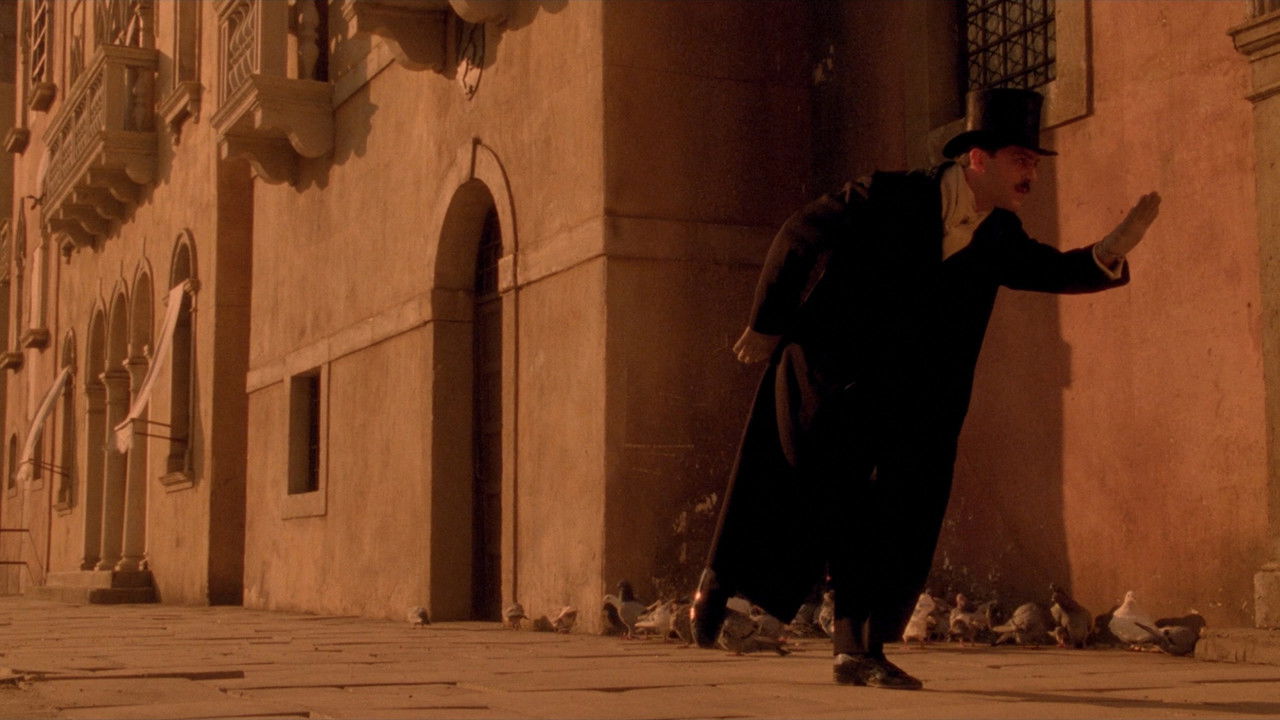
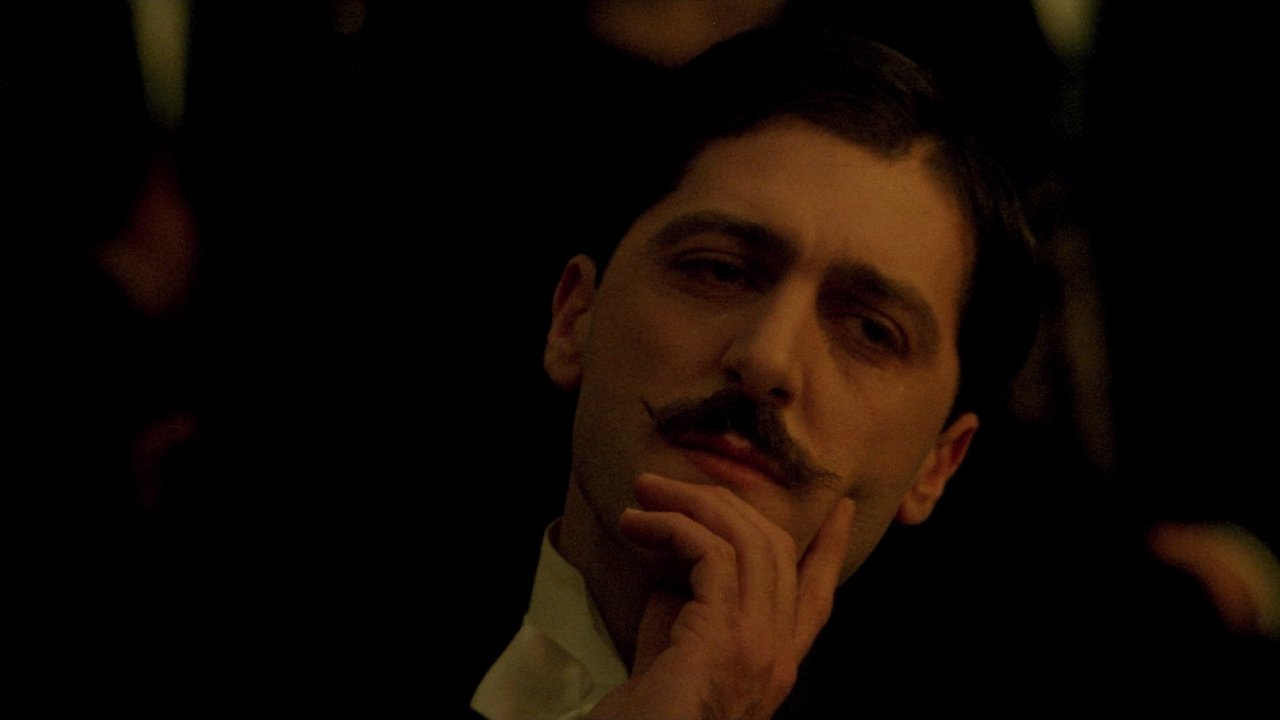
The cast is a veritable who's who of French cinema, and they inhabit these iconic literary figures with remarkable poise. Catherine Deneuve is luminous, playing both the younger Odette and the older Duchesse, highlighting the themes of transformation and the cruelty of time. Emmanuelle Béart brings a fragile intensity to Gilberte, while Vincent Perez captures the volatile mix of charm and darkness in Morel. John Malkovich makes a memorable, perhaps controversially mannered, appearance as the Baron de Charlus, embodying the era's decadence and repressed desires. Each performance contributes to the film's rich, textured feel, less about grandstanding moments and more about embodying complex inner lives glimpsed through memory's hazy filter. It’s like watching ghosts perform their own pasts.
One wonders how audiences first reacted to such an ambitious, unconventional film at the turn of the millennium, especially finding it nestled perhaps unexpectedly on the video store shelf. It certainly wasn’t your typical late-90s fare. It screened in competition at the 1999 Cannes Film Festival, garnering critical acclaim for its audacity and visual artistry, even if it inevitably puzzled some. It demands patience, a surrender to its flow. This isn't a film you passively watch; it's one you absorb, letting its images and moods wash over you.
The Lingering Taste of Time
Time Regained isn't an easy film, nor is it a conventional adaptation. It’s more akin to a visual tone poem, a meditation on the very nature of memory, art, and the passage of time. It captures the Proustian ache – the bittersweet realization that the past is irrevocably gone, yet simultaneously alive within us, shaping who we are. The final sequences, where the narrator resolves to write, to reclaim time through art, are deeply moving, offering a sense of profound purpose amidst the decay.
What stays with you long after the credits roll (or the VHS tape clicks off)? Perhaps it’s the haunting beauty of Ruiz’s visuals, the feeling of having drifted through someone else's intricate web of memories, or the sheer intellectual weight of the themes explored. It reminds us that cinema, like literature, can be a vessel for exploring the deepest, most complex aspects of human experience.
Rating: 9/10
This score reflects the film's stunning artistic achievement, its masterful direction, and its profound thematic depth. It's a near-perfect translation of an "unfilmable" work's spirit, if not its letter. The point deduction acknowledges its demanding nature; it requires patience and a willingness to engage with its unconventional structure, which might not resonate with all viewers expecting a straightforward narrative.
Time Regained is a rare cinematic experience, a film that feels less like entertainment and more like an encounter. It’s a testament to the power of memory and the enduring quest to find meaning before time runs out – a journey perfectly suited for quiet contemplation long after the screen goes dark.