### The Fragile Brilliance of Dreams on Ice

There’s a certain quality to the light in Ice Castles (1978), a soft, almost hazy glow that seems to bathe both the snowy landscapes of Iowa and the glittering rinks where dreams take flight. It reflects, perhaps, the very nature of the story itself – one of fierce ambition wrapped in a delicate, almost vulnerable package. Watching it again after all these years, pulling that familiar tape from its worn sleeve, the film feels less like a simple sports drama and more like a time capsule of earnest emotion, a reminder of a cinematic era where heartfelt sentimentality wasn't something to shy away from, but the very core of the narrative.
A Small Town Skater's Leap
At its heart, Ice Castles tells the story of Alexis "Lexie" Winston, portrayed by newcomer Lynn-Holly Johnson, a genuinely gifted figure skater plucked from obscurity in rural Iowa and thrust into the high-pressure world of competitive skating. Johnson, who was indeed an accomplished skater before turning to acting (placing second at the novice level in the 1974 U.S. Figure Skating Championships), brings an undeniable authenticity to the routines. You believe her passion on the ice, the effortless grace juxtaposed with the sheer athletic power. This wasn't just clever editing; much of the beauty we see comes directly from her own talent, grounding the more fantastical elements of her meteoric rise.
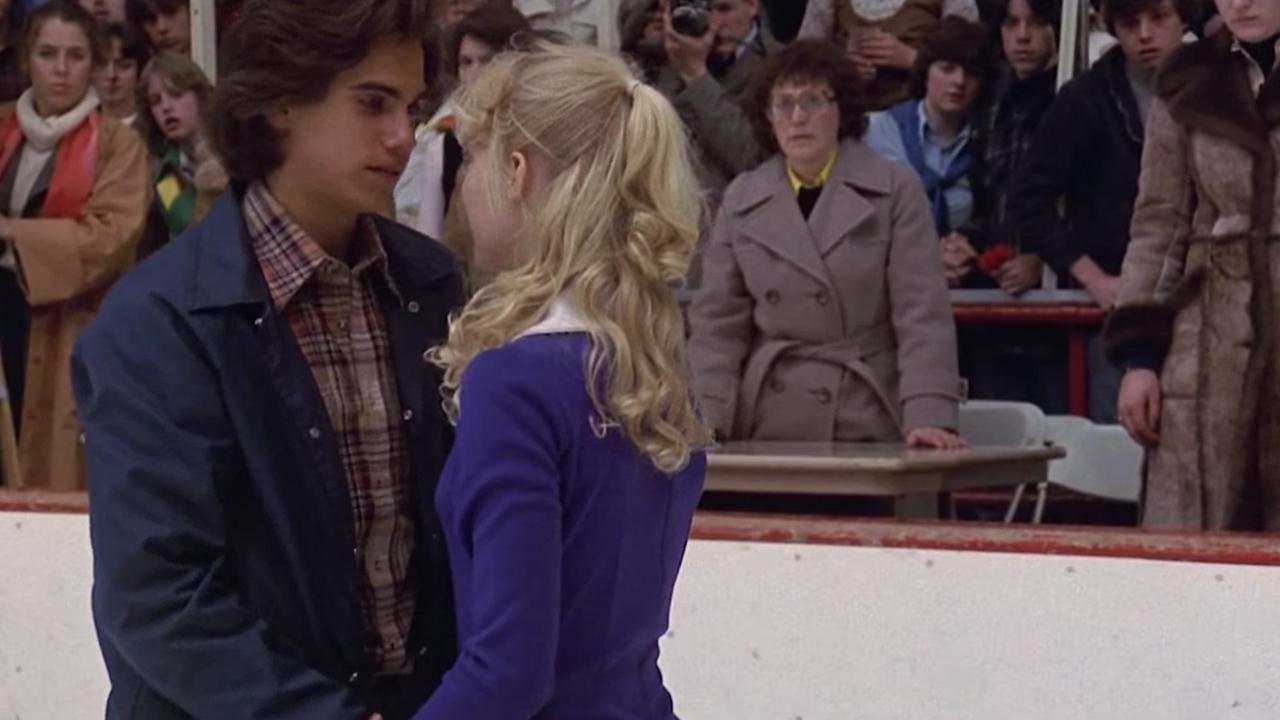
The film, directed and co-written by Donald Wrye, captures the dizzying speed of her ascent – discovered by a hardened coach (a wonderfully world-weary Colleen Dewhurst) and championed by a sports journalist. Suddenly, the local pond is replaced by national competitions, and her supportive father (the ever-reliable Tom Skerritt) and devoted boyfriend, Nick (Robby Benson, then at the peak of his teen idol status), feel worlds away. Doesn't this rapid shift, the potential loss of oneself in the pursuit of a dream, resonate even today?
Through the Eyes of Love (and Loss)
Spoiler Alert! The narrative takes a dramatic, perhaps inevitable, turn. A tragic accident during practice leaves Lexie blind, shattering her career and forcing her back to the quiet life she fought so hard to escape. It's here the film leans heavily into melodrama, yet it's handled with a sincerity that prevents it from feeling entirely manipulative. The focus shifts inward, exploring Lexie's struggle with despair, anger, and eventual resilience.
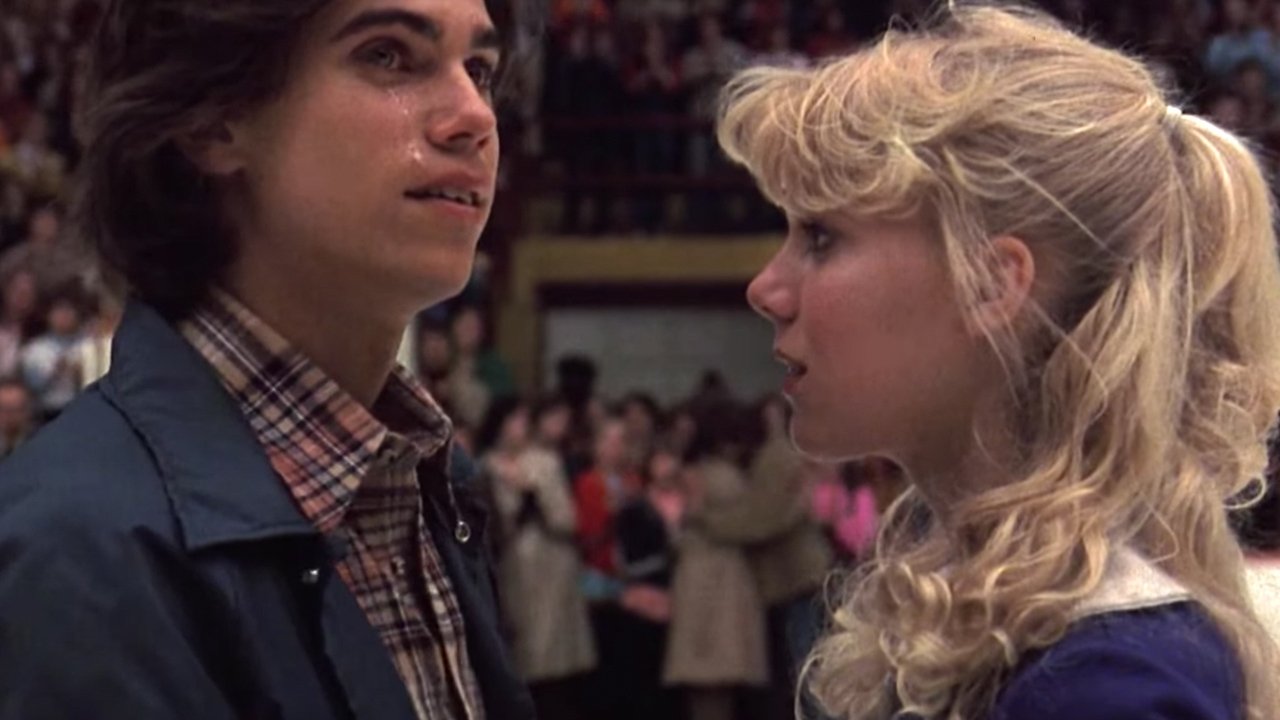
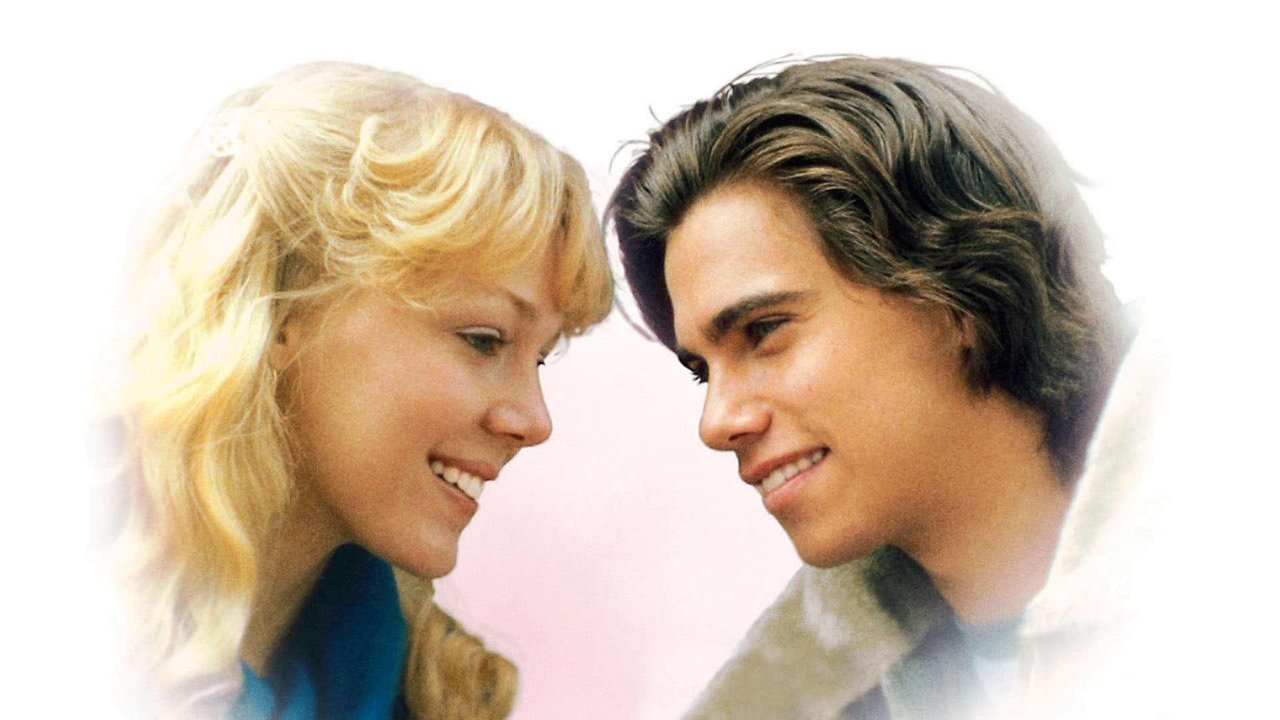
This is where Robby Benson truly shines. Nick isn't just the supportive boyfriend; he becomes Lexie's anchor, patiently helping her relearn not just how to live, but how to find joy again, even daring to help her skate once more. Benson’s performance is marked by an open-hearted earnestness that was very much his trademark in the late 70s and early 80s. There’s a vulnerability in his portrayal that complements Johnson's raw emotion. Their chemistry feels gentle and true, a believable teenage romance weathering an unimaginable storm. And who could forget Colleen Dewhurst as Beulah? Her gruff exterior barely conceals a deep well of empathy, offering tough love that feels genuinely earned.
Soundtrack to a Generation's Tears
You simply cannot discuss Ice Castles without mentioning its score. The music by the legendary Marvin Hamlisch (fresh off The Spy Who Loved Me the previous year) is lush and evocative, perfectly capturing the soaring highs and crushing lows of Lexie's journey. And then there’s the song: "Through the Eyes of Love," performed by Melissa Manchester. Nominated for an Academy Award for Best Original Song, it became an absolute phenomenon, a staple of soft rock radio and countless school dances. It’s impossible to hear those opening piano chords without being instantly transported back. The song isn’t just background music; it’s the film’s emotional heartbeat, articulating Lexie’s rediscovery of the world and her own strength. The soundtrack album itself was a significant hit, further cementing the film's place in pop culture memory.
Behind the Glitter
While critically divisive upon release – some found it overly sentimental, a common critique for melodramas of the era – Ice Castles struck a chord with audiences. Made for a modest budget (reportedly around $3 million), it grossed a very respectable $18 million, proving there was a significant audience for its brand of emotional storytelling. Filmed primarily on location in Colorado (using the iconic Broadmoor World Arena in Colorado Springs) and Minnesota, the production effectively captured both the intimacy of small-town life and the grandeur of the competitive skating world. Wrye, who conceived the story, clearly poured his heart into it, aiming for emotional resonance over gritty realism. And for many who first encountered it on a flickering CRT screen via a beloved VHS tape, that resonance remains powerful. I distinctly remember renting this multiple times, captivated by the skating and the sheer force of the emotional journey.
Legacy on Worn Tape
Is Ice Castles a perfect film? Perhaps not by cynical modern standards. Its plot beats are predictable, and the sentimentality can feel thick at times. Yet, its enduring appeal lies in its sincerity. It wears its heart on its sleeve, unafraid to explore deep emotions like love, loss, ambition, and resilience without a protective layer of irony. Lynn-Holly Johnson's performance, blending athletic prowess with burgeoning dramatic skill, remains captivating. The central romance, anchored by Robby Benson's earnestness, feels genuinely sweet. And that music... well, it speaks for itself.
For those of us who grew up with it, Ice Castles holds a special place. It’s a film about falling down and getting back up, about seeing the world differently after facing adversity, and about the enduring power of love and support. It’s a quintessential piece of late-70s emotional filmmaking, preserved forever on those treasured magnetic tapes.
Rating: 7/10
Justification: While undeniably sentimental and following familiar tropes, Ice Castles earns its points through its genuine heart, Lynn-Holly Johnson's authentic skating and earnest performance, Robby Benson's affecting turn, a strong supporting cast, and an iconic, Oscar-nominated theme song that perfectly encapsulates its emotional core. Its sincerity and exploration of resilience overcome some narrative predictability, making it a fondly remembered classic of the era, especially resonant for those who discovered it on VHS.
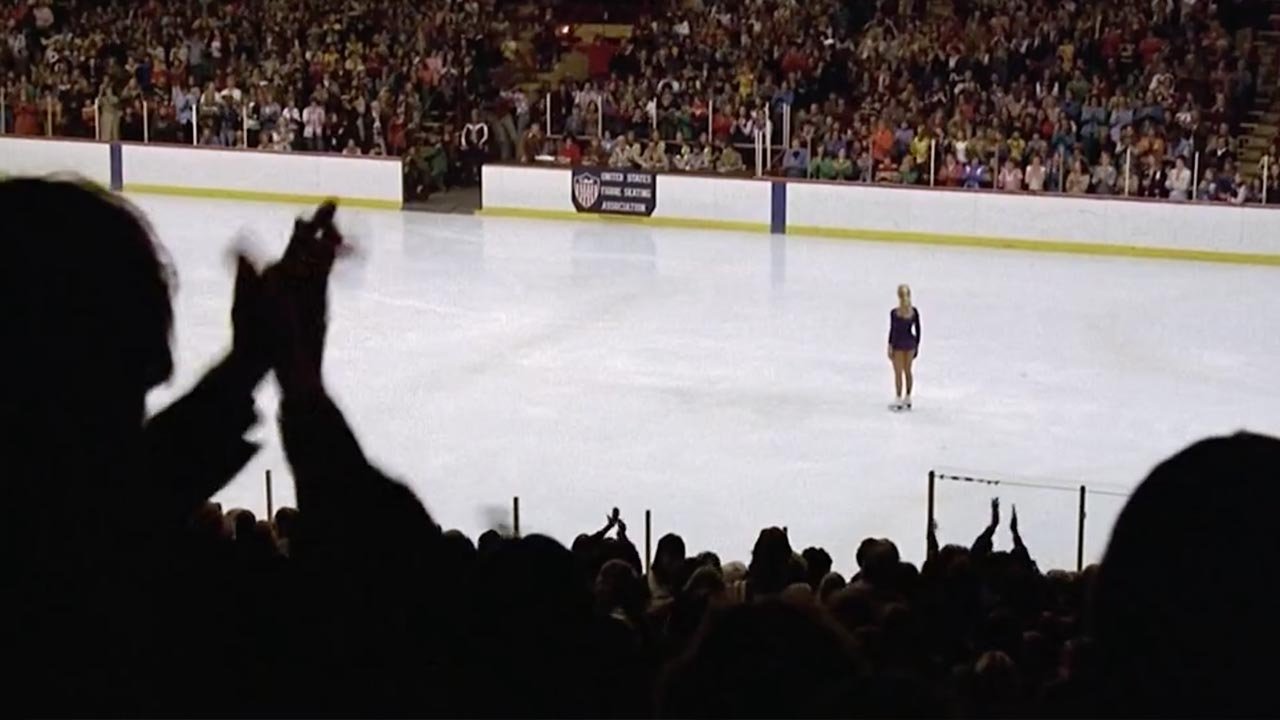
Final Thought: Even decades later, the image of Lexie finding her way back onto the ice, guided by love and her own inner strength, remains surprisingly moving – a testament to the film’s simple, enduring message.