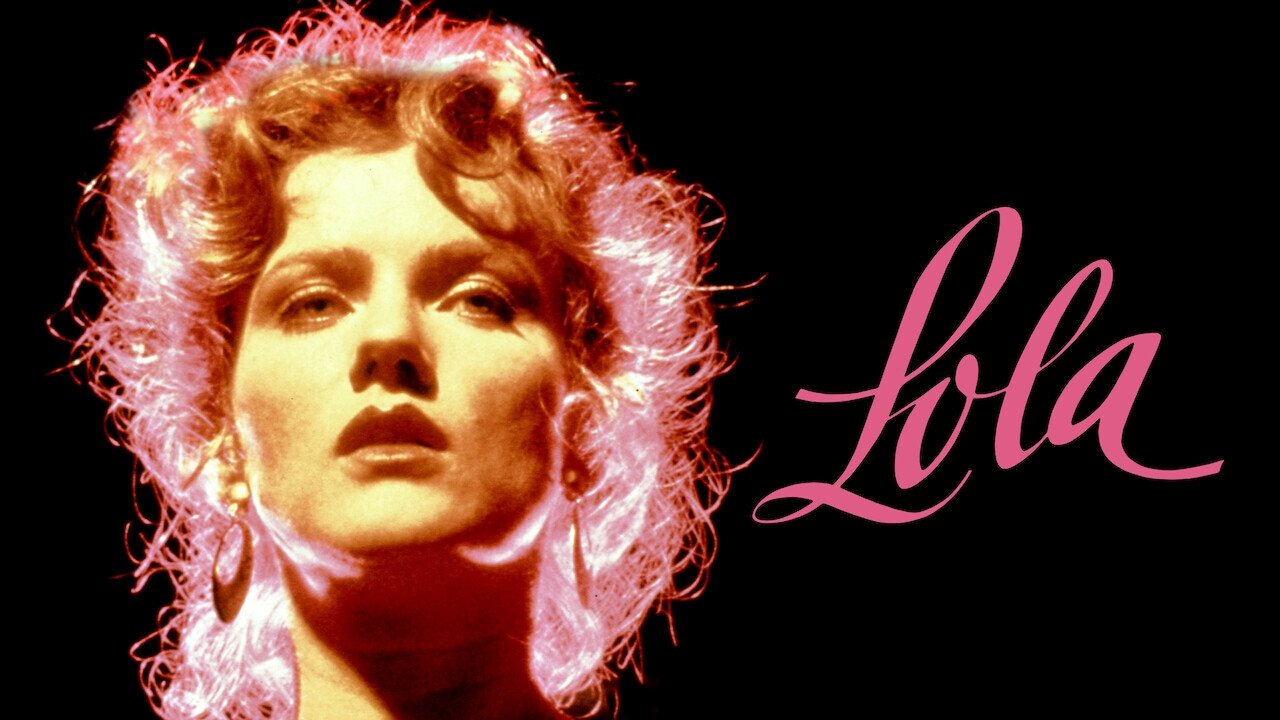
Okay, settle in. Let’s dim the lights, maybe imagine the satisfying thunk of a tape sliding into the VCR. Tonight, we're not queuing up an explosive action flick or a creature feature, but something altogether different, yet undeniably a product of its time and visually unforgettable: Rainer Werner Fassbinder's searing 1981 drama, Lola. What strikes you first, even now, watching it flicker across a screen, isn't the plot, but the look – a world drenched in colours so vivid, so artificial, they seem to hum with a strange energy, like neon signs bleeding into a rain-slicked street after midnight.
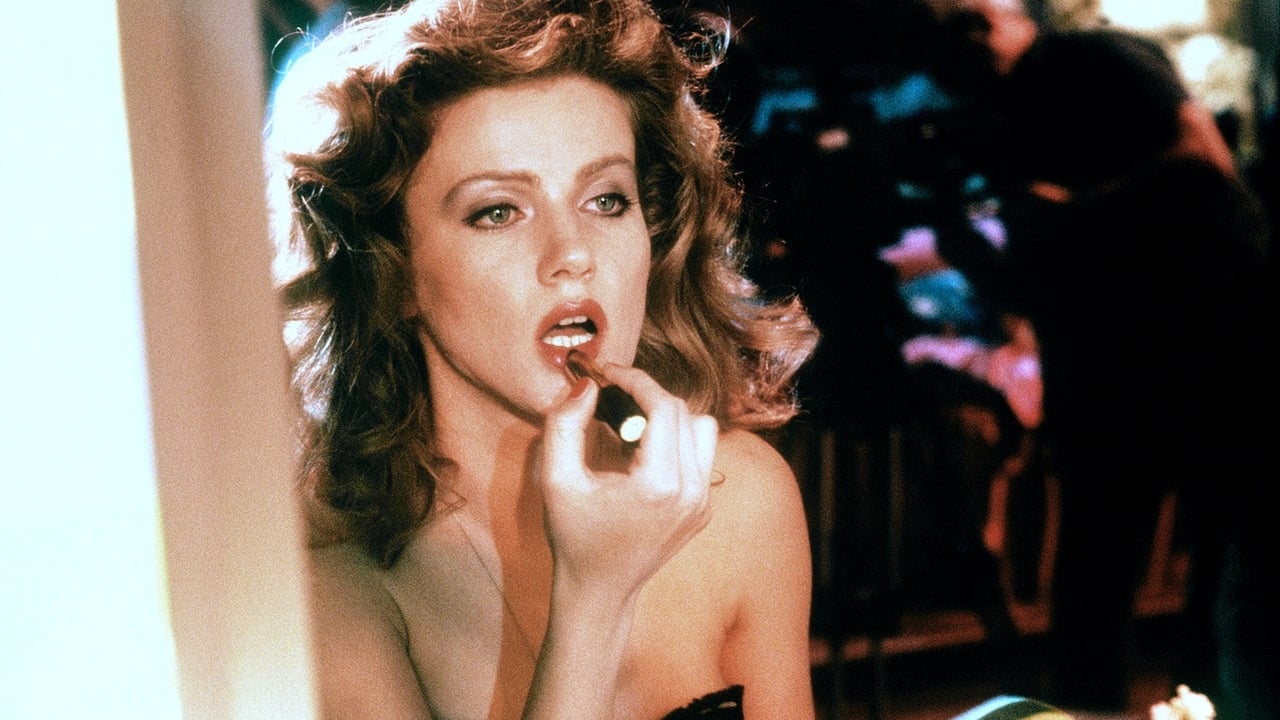
A Post-War Fairy Tale Gone Sour
Lola plunges us into Coburg, a small West German town in 1957, during the height of the Wirtschaftswunder, the post-war economic miracle. Into this seemingly prosperous setting arrives Mr. Von Bohm (Armin Mueller-Stahl), the new Building Commissioner, a man radiating upright morality and a quiet determination to root out corruption. He’s a figure of almost naive integrity in a town practically swimming in graft, led by the boarish, influential developer Schuckert (Mario Adorf). At the heart of this decadent circle is Lola (Barbara Sukowa), the town's most desired cabaret singer and prostitute, Schuckert's "kept woman," and the shimmering, enigmatic centre around which the town's power dynamics revolve. This film forms the second part of Fassbinder’s acclaimed BRD Trilogy, sandwiched between The Marriage of Maria Braun (1979) and Veronika Voss (1982), each dissecting a different facet of Germany's soul in the wake of World War II.
Candy Colours and Moral Rot
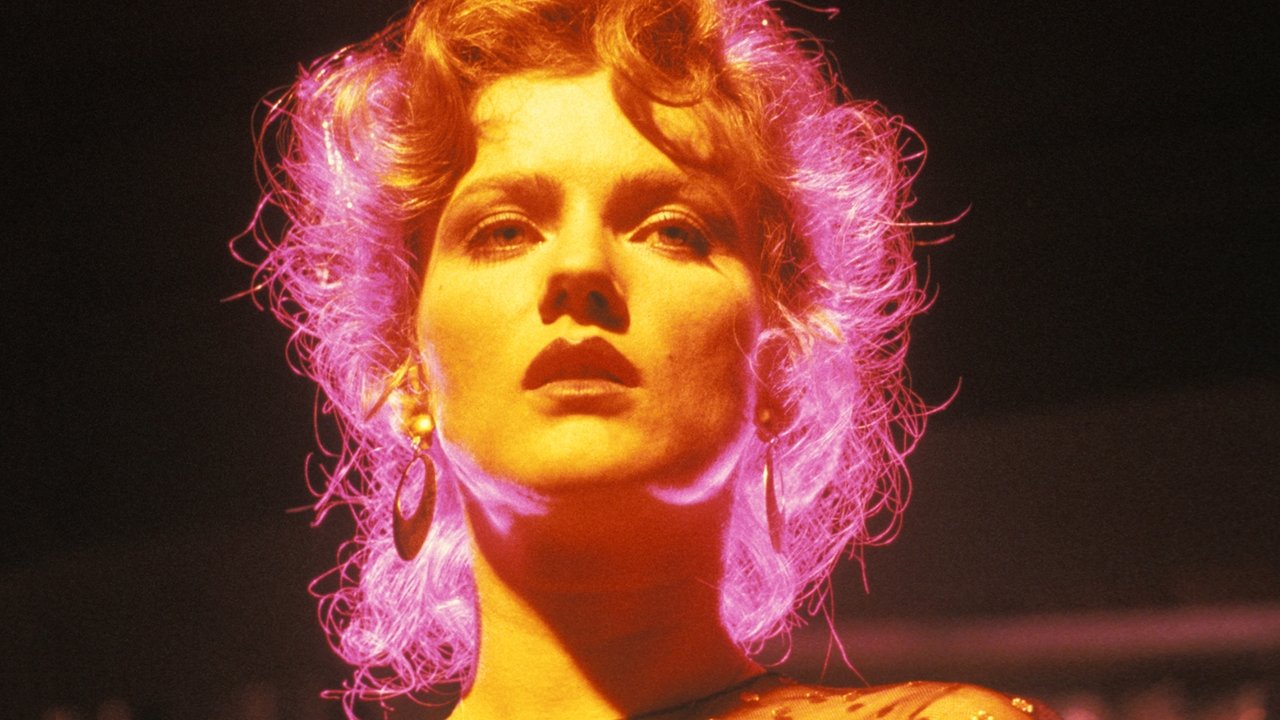
What Fassbinder achieves visually here is extraordinary, working closely with cinematographer Xaver Schwarzenberger. Inspired by the heightened melodramas of Douglas Sirk (All That Heaven Allows, Written on the Wind), Fassbinder pushes the aesthetic further. Scenes are bathed in unreal blues, lurid pinks, sickly greens, and intense reds. It’s beautiful, yes, but unsettlingly so. The perfection feels manufactured, the vibrancy like a fever dream. Does this hyper-stylised world reflect the artificial optimism of the economic boom, papering over deeper societal wounds and moral compromises? It certainly feels that way. The visual saturation acts almost like a character itself, constantly reminding us that beneath the glossy surface, something is fundamentally off-kilter. It’s a bold choice, especially for a film tackling such cynical themes, and it remains utterly distinctive.
Performances That Cut Deep
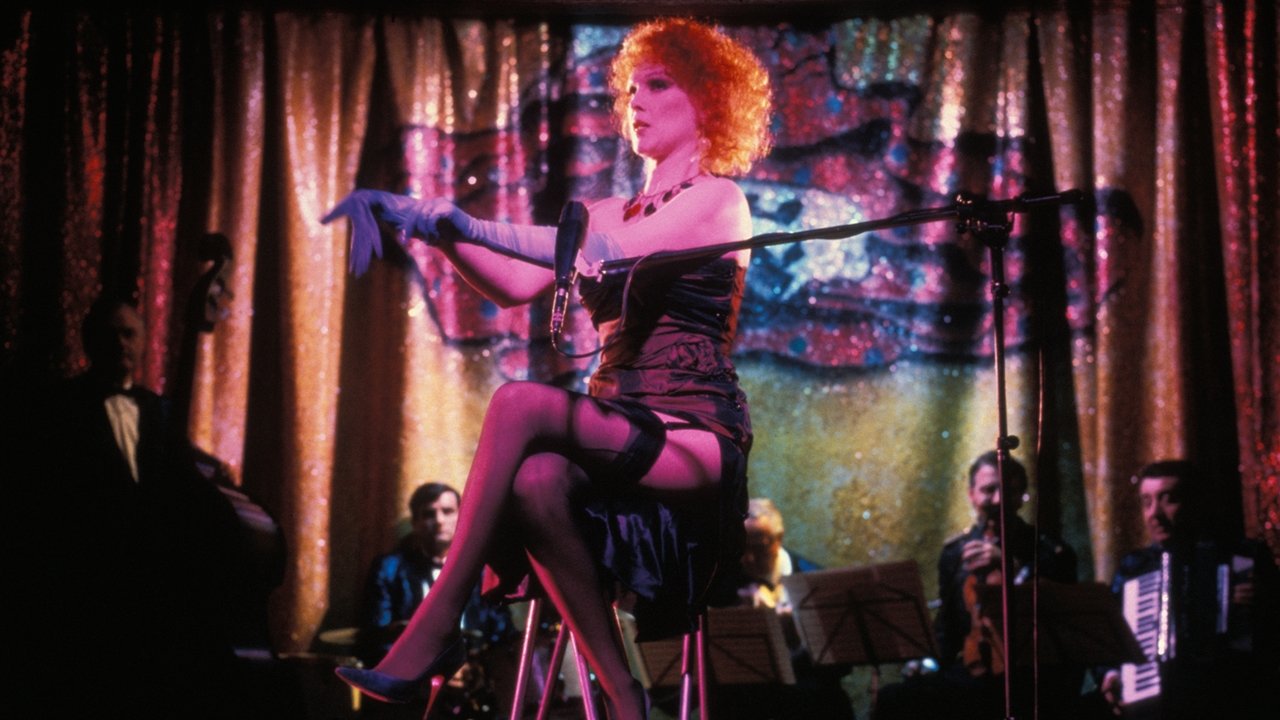
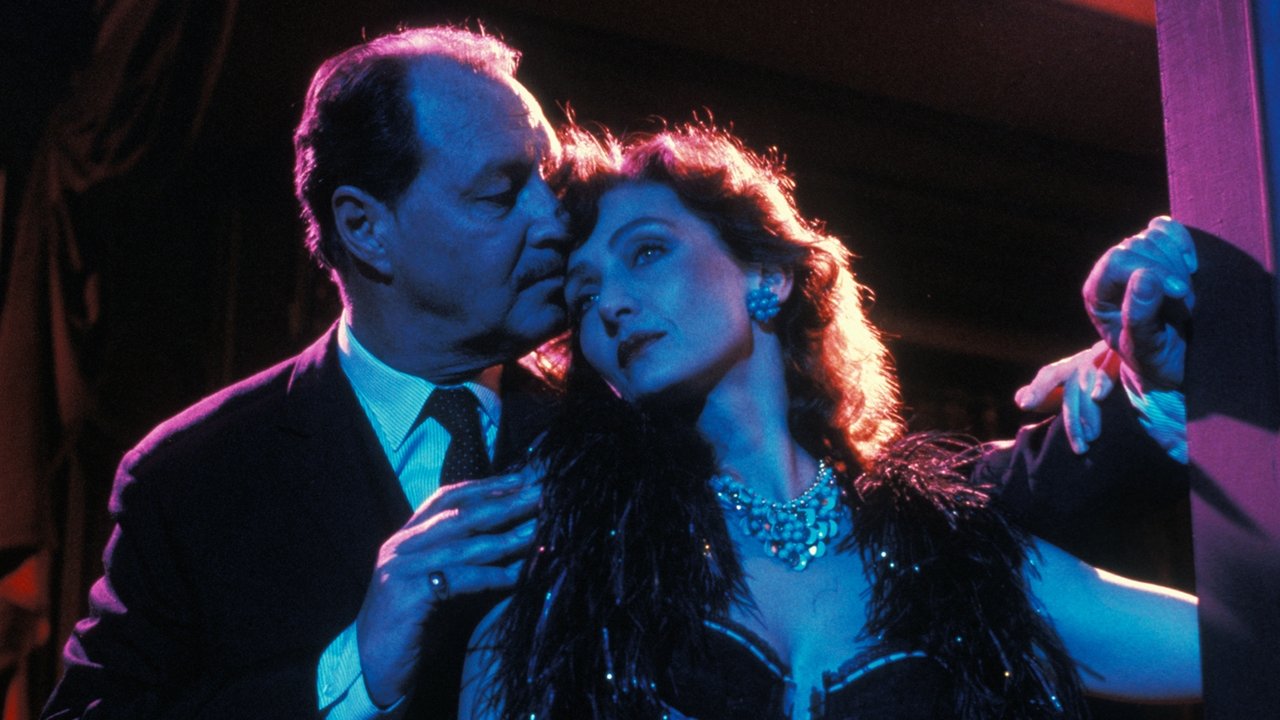
The casting is pitch-perfect. Barbara Sukowa, in the title role, is mesmerizing. She isn't just a femme fatale; Lola is a survivor, pragmatic and alluring, aware of the transactional nature of her world and leveraging her beauty and charm with shrewd intelligence. Sukowa embodies both the allure and the calculated edge, making Lola far more complex than a simple archetype. Opposite her, Armin Mueller-Stahl (who many would later recognize from films like Shine or his chilling turn in Eastern Promises) delivers a masterful performance as Von Bohm. His initial ramrod straightness slowly, heartbreakingly erodes as he falls for Lola, unaware of her profession, and becomes entangled in the very corruption he sought to expose. His journey is the film’s tragic core, a study in how idealism fares against entrenched power and seductive compromise. And Mario Adorf as Schuckert? He’s magnetic in his vulgarity, a perfect representation of the unchecked avarice driving the town.
Fassbinder's Furious Pace and Sharp Eye
It’s almost impossible to discuss Lola without acknowledging the force of nature that was Rainer Werner Fassbinder. Known for his astonishingly prolific output (directing over 40 features, plays, and TV series before his tragically early death in 1982 at just 37), he worked with a relentless intensity. Lola, despite its intricate visual design and complex themes, was reportedly shot in a mere 24 days – a testament to his focused vision and the well-oiled machine of his regular cast and crew. This wasn't just speed for speed's sake; it was part of his method, capturing a raw energy. While the budget was around 3.5 million Deutschmarks (a respectable sum, but perhaps modest considering the visual richness achieved, translating to roughly $1.5 million USD back then), Fassbinder’s genius lay in creating maximum impact through bold stylistic choices rather than sheer expense. He used light and colour not just for mood, but as direct commentary, crafting a critique of capitalism’s seductive surfaces and the moral hollowness he saw beneath Germany's post-war façade.
A Different Kind of VHS Discovery
Lola might not have been the tape grabbed for a Friday night pizza party back in the day. It demands more attention, perhaps, than the comfortable action or comedy rentals. But discovering it, maybe tucked away in the "Foreign Films" section of that beloved old video store, felt like unearthing something potent. It’s a film that uses the language of melodrama – heightened emotions, stark conflicts, symbolic visuals – to deliver a deeply cynical political statement. The questions it raises about integrity, compromise, and the true cost of prosperity linger long after the garish colours fade from the screen. Does Von Bohm’s eventual fate suggest idealism is ultimately powerless, or simply naive? How much complicity is required to maintain a "booming" society?
Rating: 8.5/10
Lola is a stunning piece of filmmaking, a visually audacious and thematically biting critique wrapped in a deceptively beautiful package. The performances are uniformly excellent, particularly from Sukowa and Mueller-Stahl, anchoring the stylized world with genuine human complexity. Its deliberate pacing and art-house sensibilities might not be for everyone seeking pure escapism, but its artistic merit and Fassbinder's unique vision are undeniable. The rating reflects its power as a piece of challenging, visually unforgettable cinema from the era, a standout work even within Fassbinder's remarkable career.