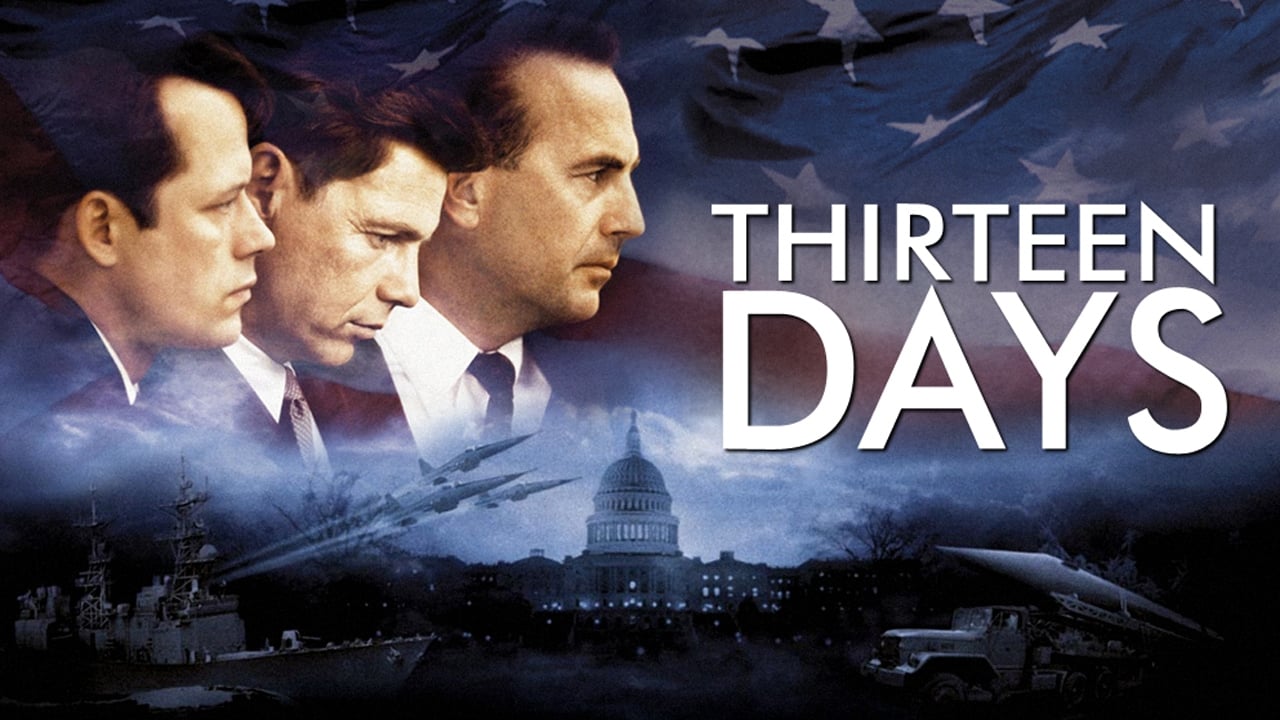
It’s rare, isn’t it, for a film to make you feel the weight of history pressing down not just on its characters, but on you, the viewer, sitting safely decades later? Roger Donaldson’s Thirteen Days (2000) achieves precisely this. While landing just at the dawn of the new millennium, slightly past our usual 80s/90s hunting ground here at VHS Heaven, it feels spiritually connected to the Cold War thrillers that populated rental shelves throughout those earlier decades. It arrived perhaps as the last gasp of a certain kind of mainstream historical drama before the landscape shifted again, and watching it now evokes a particular kind of tension – one rooted not in jump scares or explosions, but in whispered conversations, furrowed brows, and the chilling proximity of global annihilation.
### The Unseen Enemy: Tension in the Room
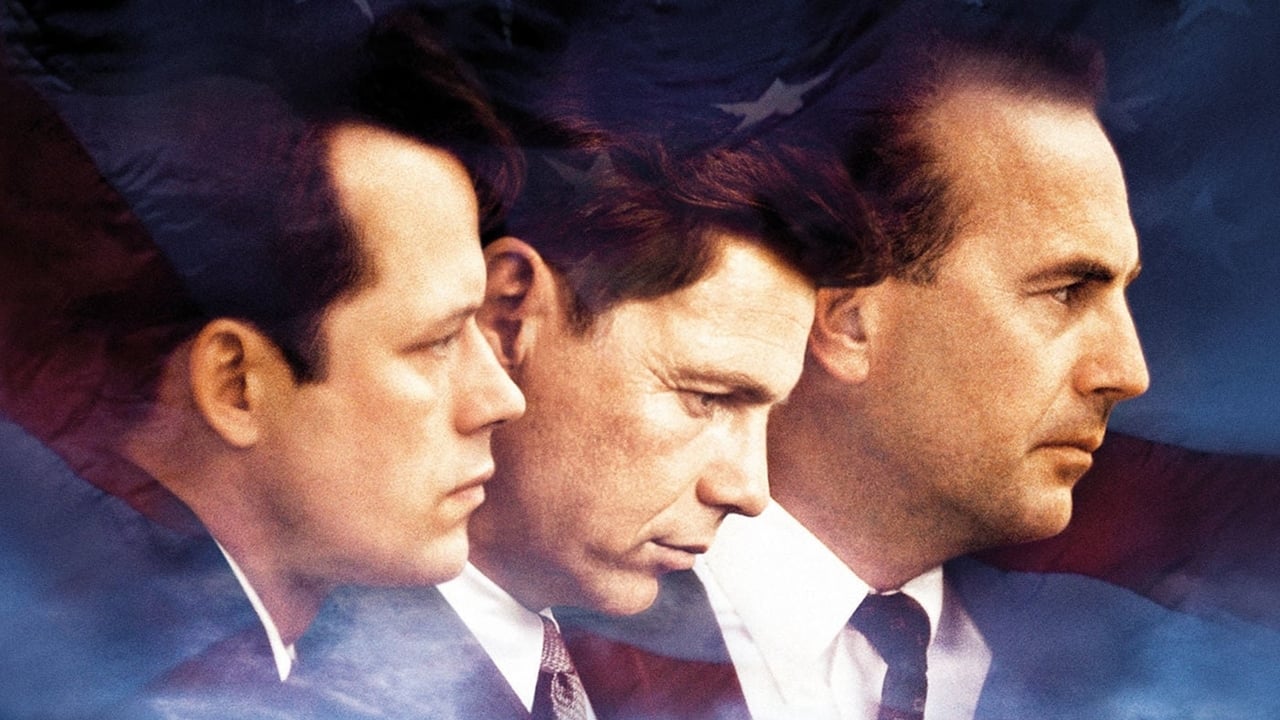
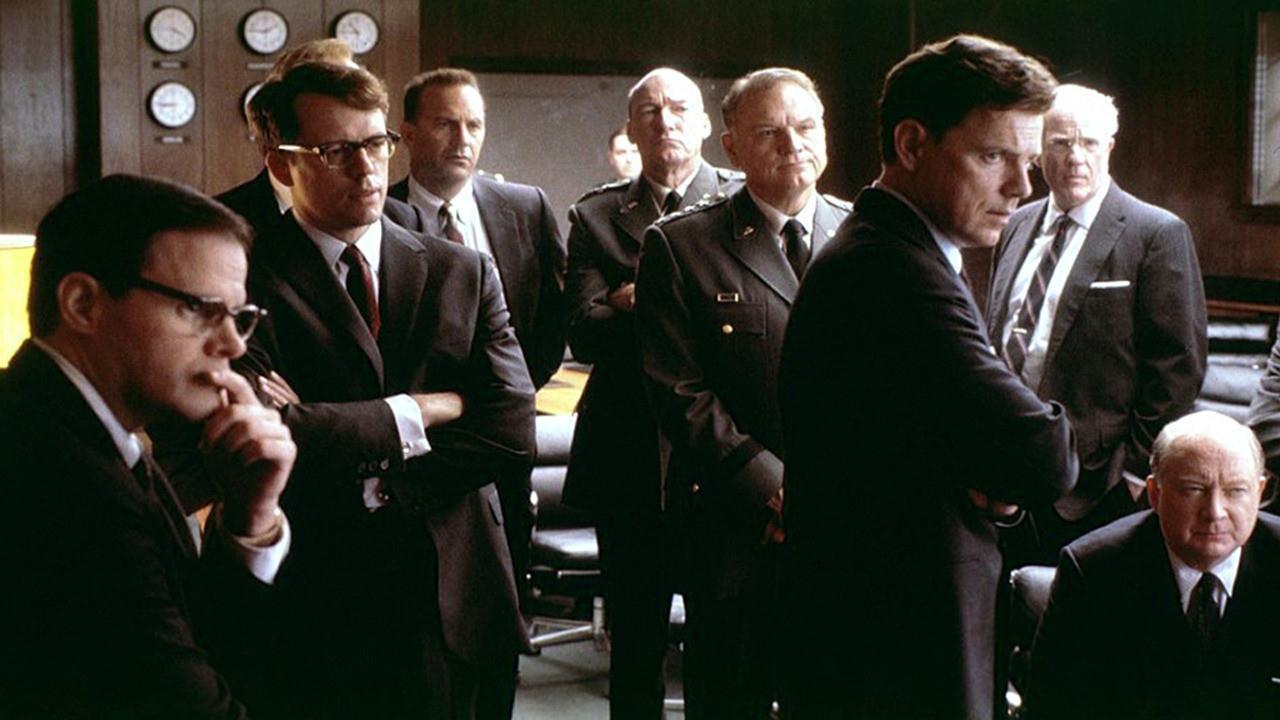
What strikes you immediately about Thirteen Days is its deliberate pacing and intense focus. This isn't a film about battlefield heroics; it's about the agonizing pressure cooker of the White House during the 1962 Cuban Missile Crisis. Donaldson, who previously navigated suspenseful corridors with Kevin Costner in the excellent No Way Out (1987), understands that true terror can reside in the implications of a grainy photograph or the strained silence between advisors. The film primarily unfolds in claustrophobic rooms – the Oval Office, Situation Room, various back channels – where men grapple with intelligence reports, diplomatic dead ends, and the terrifying realization that one wrong move could trigger nuclear war.
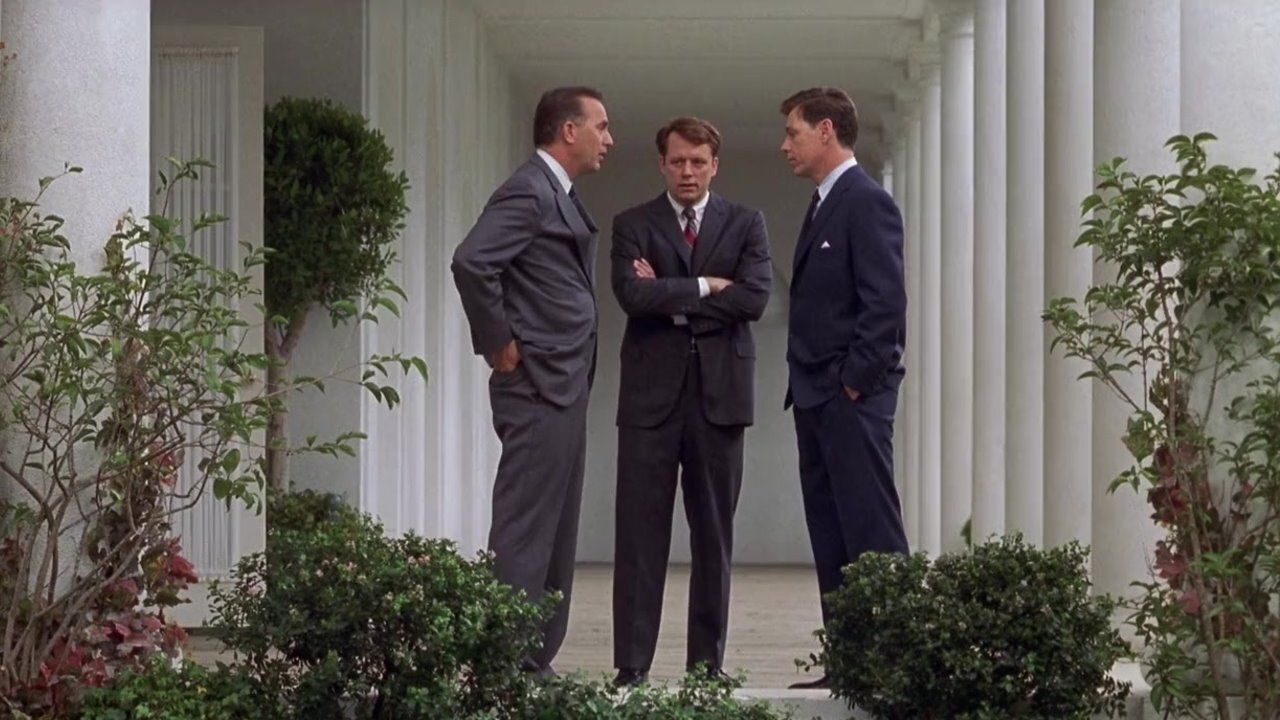
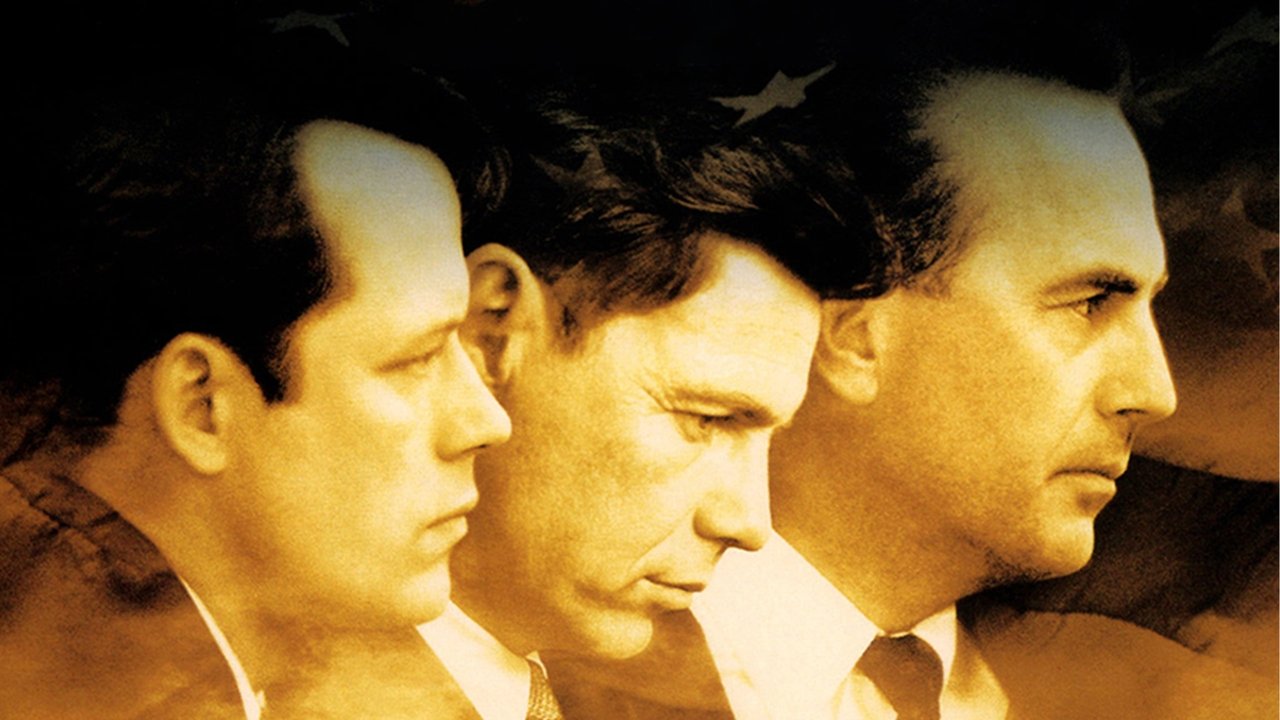
The narrative wisely anchors itself through the eyes of Kenneth O'Donnell (Kevin Costner), Special Assistant to the President. While historical accounts debate O'Donnell's exact level of influence during the crisis, screenwriter David Self uses him effectively as our relatable entry point. Costner, shedding his usual leading man charisma for a more subdued, observational role (complete with a Boston accent that drew some debate at the time, but feels functional here), becomes the audience surrogate. We see the unfolding chaos and the impossible choices through his worried gaze, grounding the high-stakes geopolitical chess match in human anxiety. It's a performance less about dramatic speeches and more about conveying the constant, grinding stress.
### Capturing Camelot Under Siege
Of course, the portrayals of John F. Kennedy and Robert F. Kennedy are crucial. Bruce Greenwood delivers a performance as JFK that is simply uncanny. It’s not just mimicry; Greenwood captures the President's thoughtful hesitation, his moments of steely resolve, the charisma weighed down by unimaginable burden. You believe this is a man intellectually and emotionally wrestling with the potential end of the world. Equally compelling is Steven Culp as Attorney General Robert F. Kennedy. Culp embodies RFK's fierce loyalty, his role as his brother's closest confidant and often more confrontational negotiator. The dynamic between Greenwood and Culp feels authentic, showcasing the fraternal bond tested under fire. Their scenes together, particularly the late-night strategy sessions, crackle with familial shorthand and shared desperation.
Donaldson makes a striking directorial choice by occasionally shifting certain sequences – particularly those involving military movements or surveillance flights – into black and white. Initially, this might seem merely stylistic, but it serves a deeper purpose. It evokes the stark, documentary feel of the era's newsreels, subtly reminding us that this isn't fiction. These monochrome moments lend a chilling gravity, visually separating the abstract strategic discussions from the tangible, dangerous reality unfolding outside the White House walls.
### Details from the Brink
For a film tackling such a well-documented event, accuracy was paramount. The production team reportedly conducted extensive research, interviewing surviving participants and combing through declassified documents and recordings. While dramatic license is inevitable, the film strives to capture the essence of the conflicting advice JFK received – the pressure from military leaders like General Curtis LeMay (portrayed with imposing certainty by Kevin Conway) advocating for aggressive action versus the cautious, diplomatic path championed by others.
Interestingly, the film had a hefty budget for its time – around $80 million – but wasn't a runaway box office success, earning closer to $66 million worldwide. Perhaps its dense, dialogue-driven nature and refusal to offer easy resolutions made it a tougher sell than typical Hollywood blockbusters. Yet, its value lies precisely in that commitment to complexity. It doesn't shy away from depicting the confusion, the miscommunications (like the U-2 spy plane accidentally straying into Soviet airspace), and the sheer terrifying luck involved in averting disaster. Remember that moment when a Soviet submarine, cornered by US destroyers dropping practice depth charges, was reportedly moments away from launching a nuclear torpedo, only to be countermanded by a single officer, Vasili Arkhipov? While not depicted in this exact detail, the film powerfully conveys the feeling that humanity was constantly one misunderstanding away from oblivion.
### Legacy of the Longest Weeks
What lingers after watching Thirteen Days? It's the profound sense of relief mixed with unease. Relief that this specific crisis was navigated, but unease at how fragile that resolution truly was. The film forces us to consider the immense burden of leadership, the role of chance in history, and the ever-present dangers of brinkmanship. Does it resonate differently now, in our own turbulent times? Absolutely. The core questions about communication, de-escalation, and the human element in moments of extreme international tension feel perpetually relevant.
It’s a film that respects its audience's intelligence, trusting them to engage with complex historical events without needing constant action beats. The power comes from the phenomenal ensemble cast, Donaldson's taut direction, and the inherent drama of the situation itself. It might have hit screens in 2000, but its Cold War heart and meticulous crafting make it feel right at home for anyone who appreciates the tightly wound political thrillers of decades past.
Rating: 8.5/10
This score reflects the film's exceptional success in generating palpable tension purely through dialogue and performance, its strong historical grounding (despite necessary dramatic choices), and the powerhouse portrayals, particularly Greenwood's JFK. It's a masterclass in sustained suspense, reminding us that the most terrifying conflicts aren't always fought with guns, but with words, nerve, and the weight of the world hanging in the balance. A truly gripping piece of historical filmmaking that stays with you long after the credits roll.