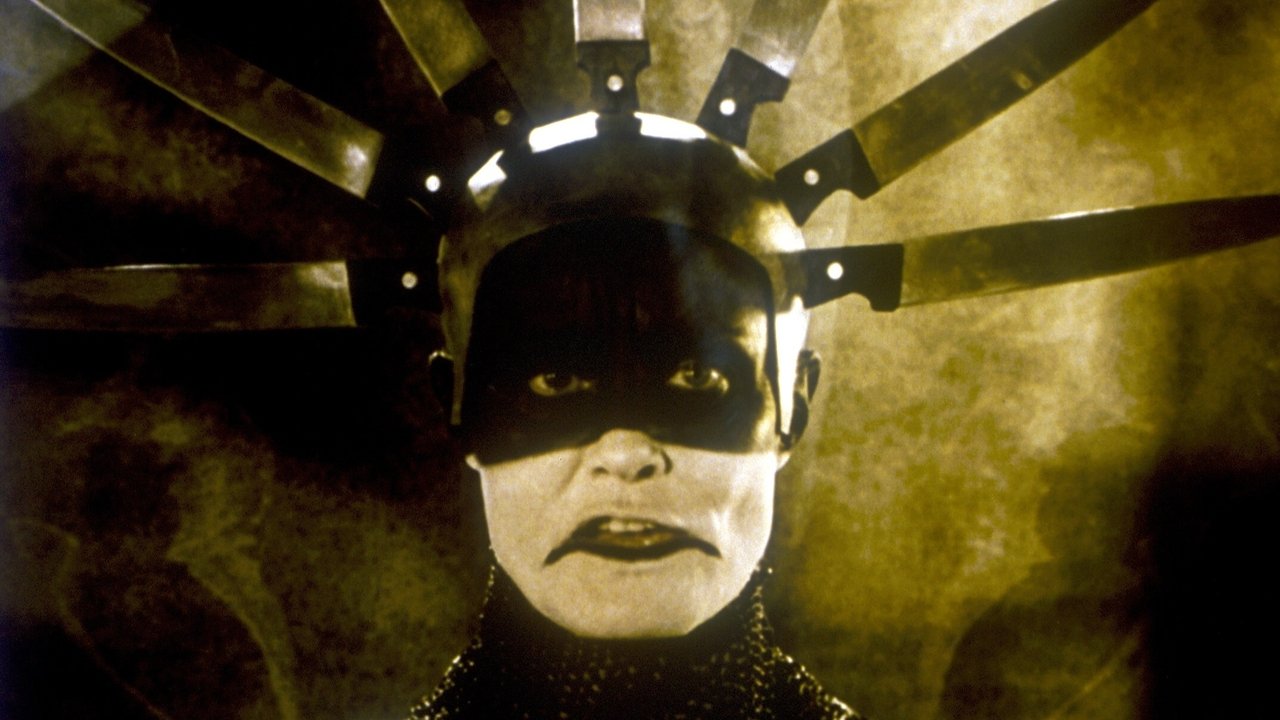
It wasn't the sort of cover art you casually glanced past in the flickering fluorescent lights of the late-90s video store. The stark imagery, the hint of Roman regalia mixed with something unsettlingly modern, promised an experience far removed from the usual blockbuster fare lining the "New Releases" wall. Renting Julie Taymor's Titus (1999) felt like an act of cinematic daredevilry. Based on what's often considered Shakespeare's most brutal and arguably least nuanced play, Titus Andronicus, this wasn't going to be a comfortable evening's viewing. And comfortable, it certainly wasn't. But unforgettable? Absolutely.
### A Vision Unleashed
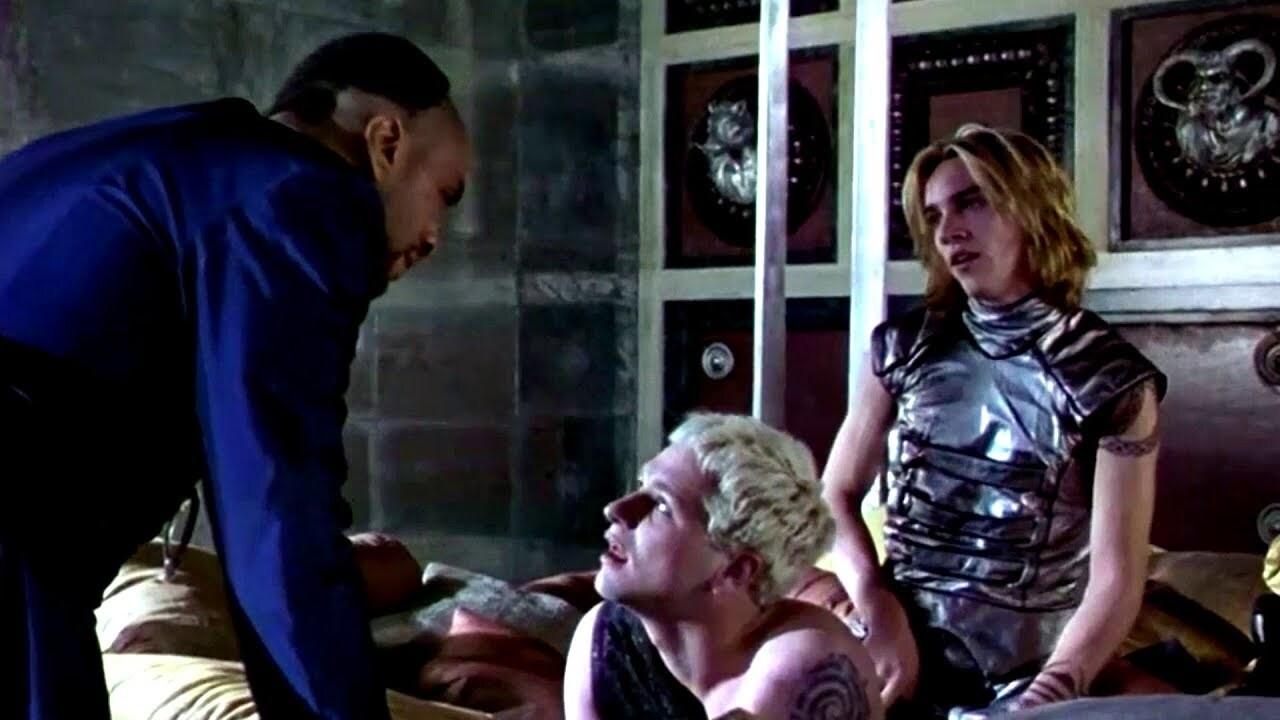
What strikes you immediately, and lingers long after the credits roll, is the sheer audacity of Taymor's vision. Making her feature film debut after dazzling the world with her stage work, notably The Lion King on Broadway, Taymor didn't just adapt Shakespeare; she detonated it, scattering the fragments across a visually arresting landscape that defied easy categorization. This wasn't merely ancient Rome; it was a fever dream of history, a collision of imperial grandeur, fascist aesthetics from the Mussolini era, punk rock energy, and decaying late-20th-century grit. Think chariots and motorcycles sharing the same cracked pavement, microphones amplifying decrees in marble halls. It sounds chaotic, and it is, but it’s a controlled chaos, meticulously designed by Taymor and production designer Dante Ferretti to underscore the timeless, cyclical nature of the play's violence and political corruption. Does this strange brew resonate with challenges far removed from Shakespearean Rome? The parallels are often unnervingly clear.
### Beauty in Brutality
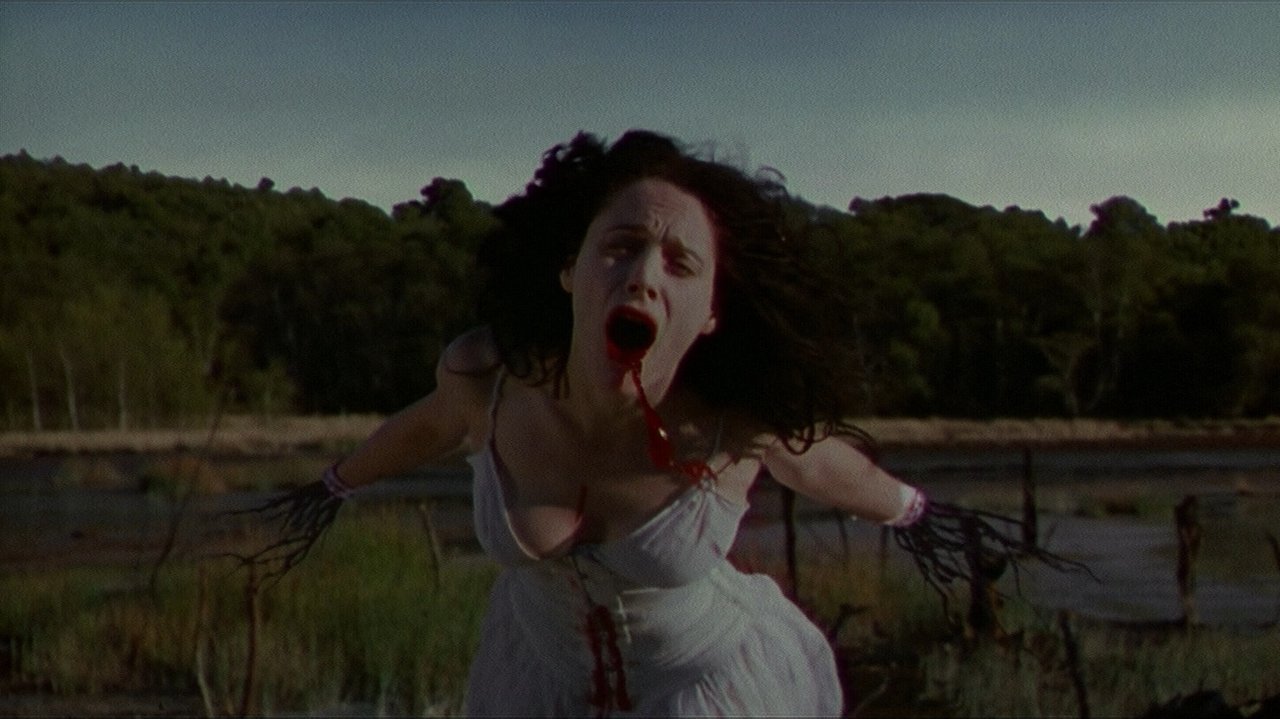
The film’s aesthetic, brought to life through Milena Canonero’s stunning, Oscar-nominated costumes and Luciano Tovoli's painterly cinematography, is both repellent and mesmerizing. Taymor forces us to confront the inherent ugliness of revenge, betrayal, and corrupted power, but she does so with such artistic intensity that it becomes hypnotic. Titus Andronicus is infamous for its litany of horrors – rape, mutilation, filicide, betrayal upon betrayal, culminating in that infamous banquet scene. Taymor flinches from none of it. Yet, the violence rarely feels gratuitous in the way of lesser exploitation films. Instead, it’s presented with a kind of heightened, theatrical stylization. Consider the horrifying aftermath of Lavinia's assault; Taymor frames it amidst reeds and water, a tableau of violation that is both disturbing and strangely beautiful, forcing contemplation rather than just revulsion. It’s a choice that polarized critics and audiences back in '99 – some found it ingenious, others excessive – but it’s undeniably bold.
### Titans of Tragedy
Anchoring this maelstrom of style and savagery are performances of staggering commitment. Anthony Hopkins, a titan himself, embodies Titus Andronicus with harrowing depth. We see the arc from revered general, rigid in his adherence to Roman tradition (a tradition demanding horrific sacrifice), to a man utterly broken by grief and loss, simmering towards an equally horrific vengeance. Hopkins navigates the Shakespearean verse with practiced ease, but it’s the raw, primal emotion he conveys, often through sheer physical presence, that truly chills. It’s a performance that feels less calculated than his Hannibal Lecter (from The Silence of the Lambs (1991)), tapping into something deeper, more ancient, and arguably more terrifying. Reportedly, Hopkins was eager to work with Taymor after being impressed by her stage productions, and his trust in her vision is palpable.
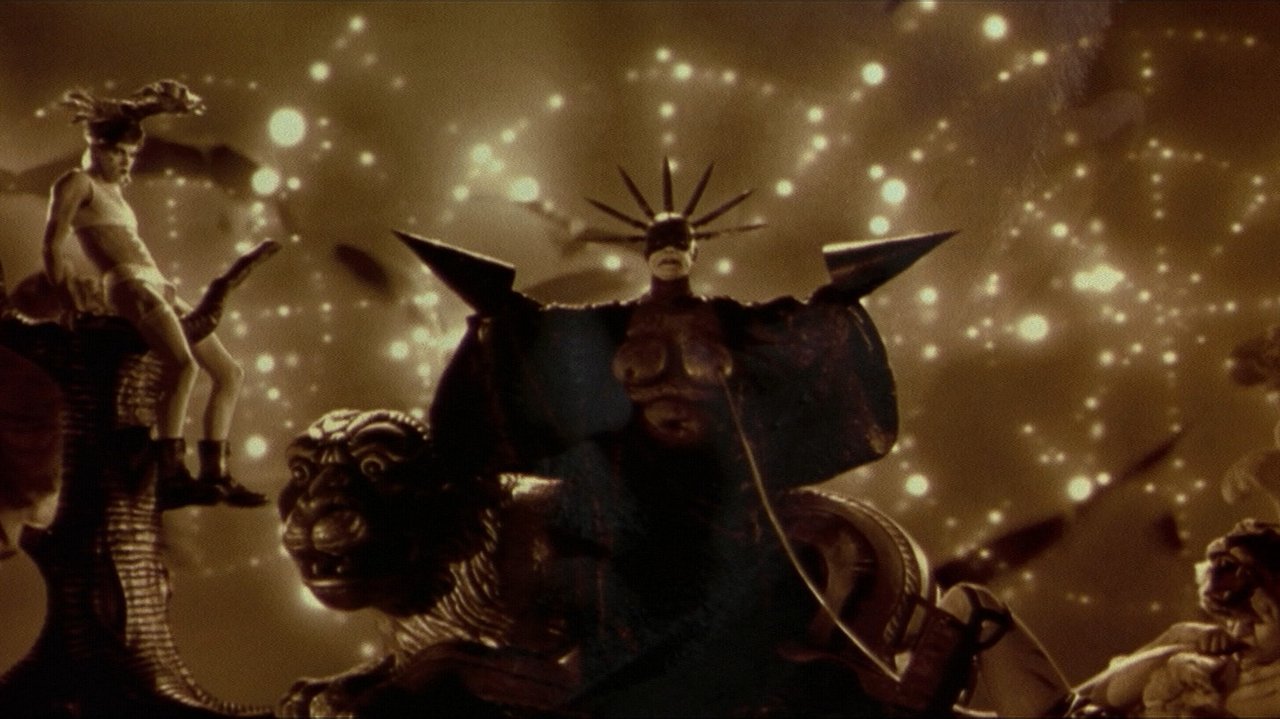
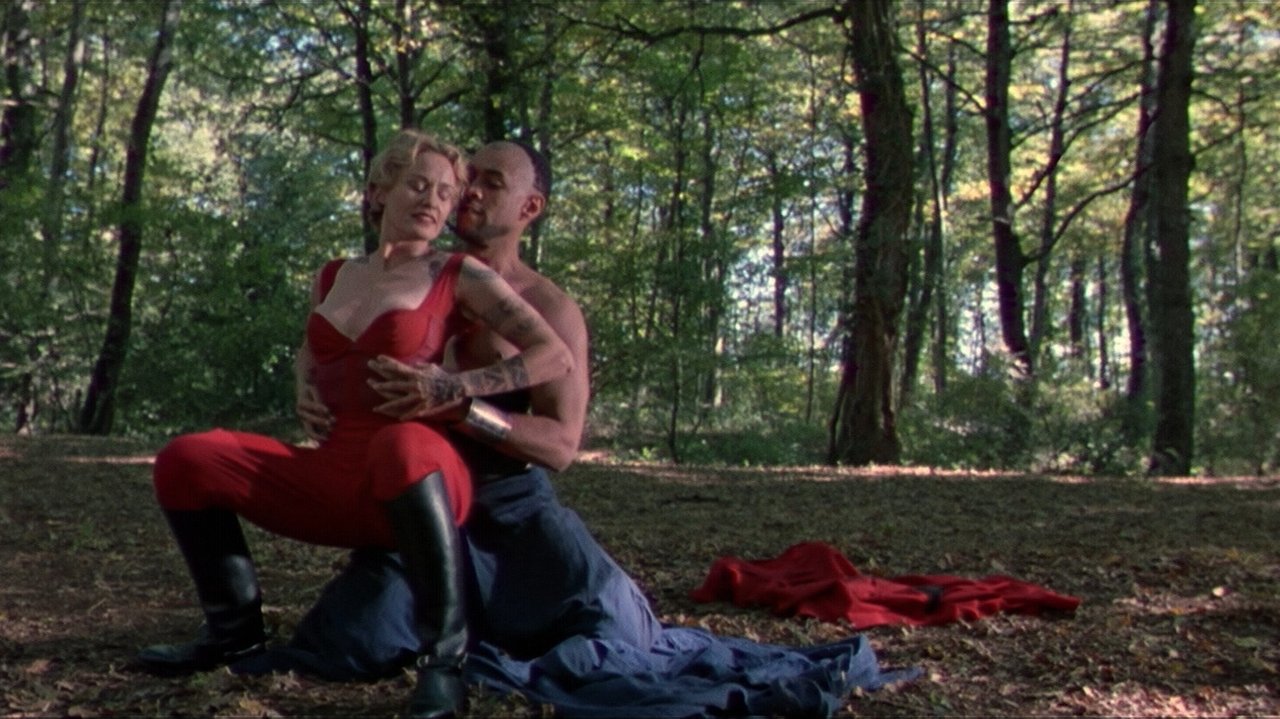
Opposite him, Jessica Lange delivers a formidable performance as Tamora, Queen of the Goths. She’s no mere villainess but a woman fueled by her own profound grief and thirst for retribution after Titus sacrifices her eldest son. Lange brings a regal fury and wounded pride to the role, making Tamora's cruelty understandable, even if unforgivable. And then there’s Alan Cumming as the preening, decadent Emperor Saturninus. Cumming steals every scene he’s in, embodying the petulant, dangerous entitlement of unchecked power with a slinky, almost reptilian charisma. His Saturninus is both pathetic and menacing, a perfect counterpoint to the stoic tragedy of Titus and the vengeful fire of Tamora.
### Echoes of the Stage, Crafted for Screen
Taymor's theatrical roots are evident throughout Titus. The use of striking tableaux, the symbolic weight given to props and costumes, the almost operatic scale of the emotions – it all speaks to her background. Yet, this is undeniably cinematic. She uses camera movement, editing, and Elliot Goldenthal's powerful, often dissonant score to create an immersive, overwhelming experience that wouldn’t be possible on stage. One fascinating tidbit is how Taymor streamlined Shakespeare's dense text, sometimes using visual storytelling or brief, impactful moments to convey complex plot points or character motivations, making the nearly 3-hour runtime feel surprisingly propulsive despite the heavy material. The film was a tough sell commercially – made for around $20 million, it barely scraped back $3 million at the box office – perhaps unsurprising given its challenging nature and R-rating battles, but its artistic ambition was undeniable.
### Still Resonating?
Watching Titus today, perhaps on a format far removed from that original VHS tape, its power hasn't diminished. If anything, its visual inventiveness feels even more remarkable in an era often dominated by digital sameness. The film remains a challenging sit, a descent into the darkest corners of human nature – the corrosive power of vengeance, the ease with which societies slip into barbarism, the devastating personal cost of political machinations. What lingers most after the film ends? Perhaps it’s the unsettling beauty Taymor finds within the horror, or the uncomfortable recognition that the cycles of violence depicted feel disturbingly relevant. It's not a film one simply "enjoys," but it's one that demands respect for its artistry, its performances, and its fearless confrontation with darkness.
Rating: 9/10
Titus earns this high score for its sheer, uncompromising artistic vision, stunning production design, powerful lead performances, and Julie Taymor's masterful direction. It successfully translates Shakespeare's most challenging play into a unique and visually unforgettable cinematic experience. The slight deduction acknowledges that its intense violence and stylized approach make it demanding and not for everyone, but its craft and impact are undeniable. It remains a potent, visceral piece of late-90s filmmaking – a savage opera painted on a canvas of ruin and revenge.