Some films don’t just flicker across the screen; they sear themselves into your memory, leaving a residue of unease that lingers long after the credits roll and the VCR clicks off. Ken Loach’s Hidden Agenda (1990) is precisely that kind of film – a powder keg of a political thriller that detonates with chilling realism, feeling less like manufactured drama and more like a smuggled dispatch from a war zone. Watching it again after all these years, its power hasn't faded; if anything, the shadows it explored feel disturbingly familiar.
Into the Labyrinth
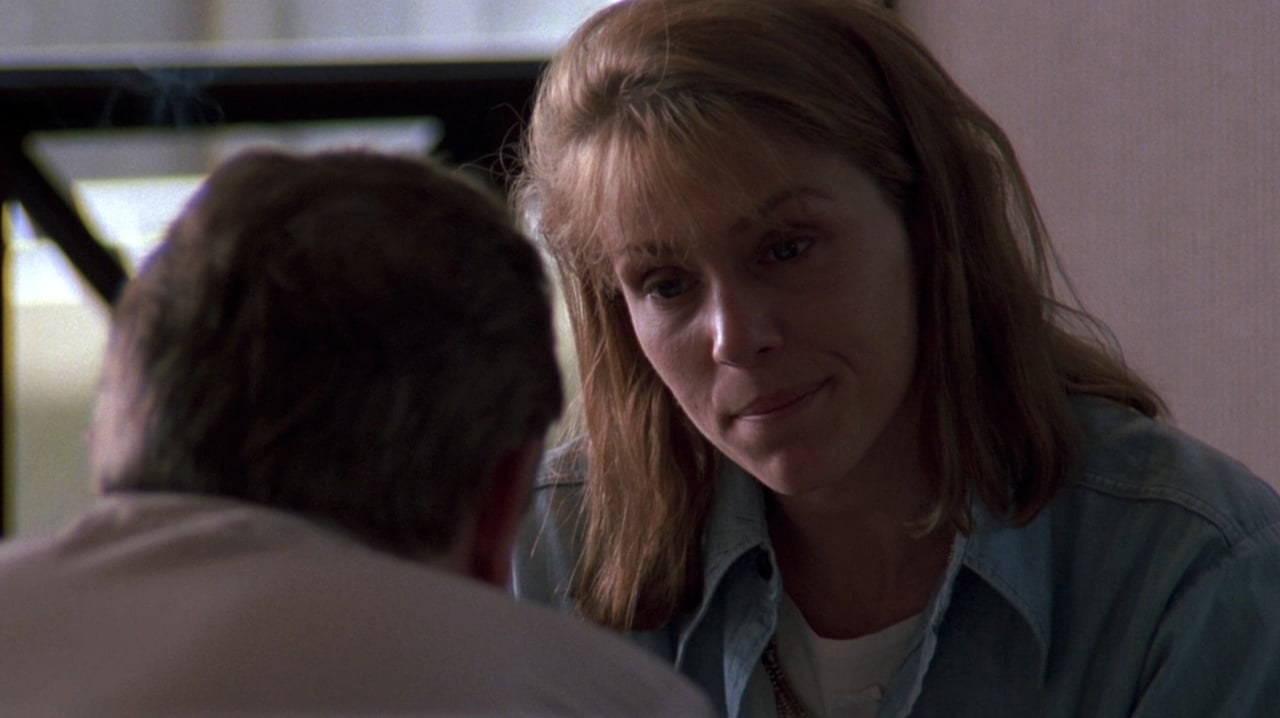
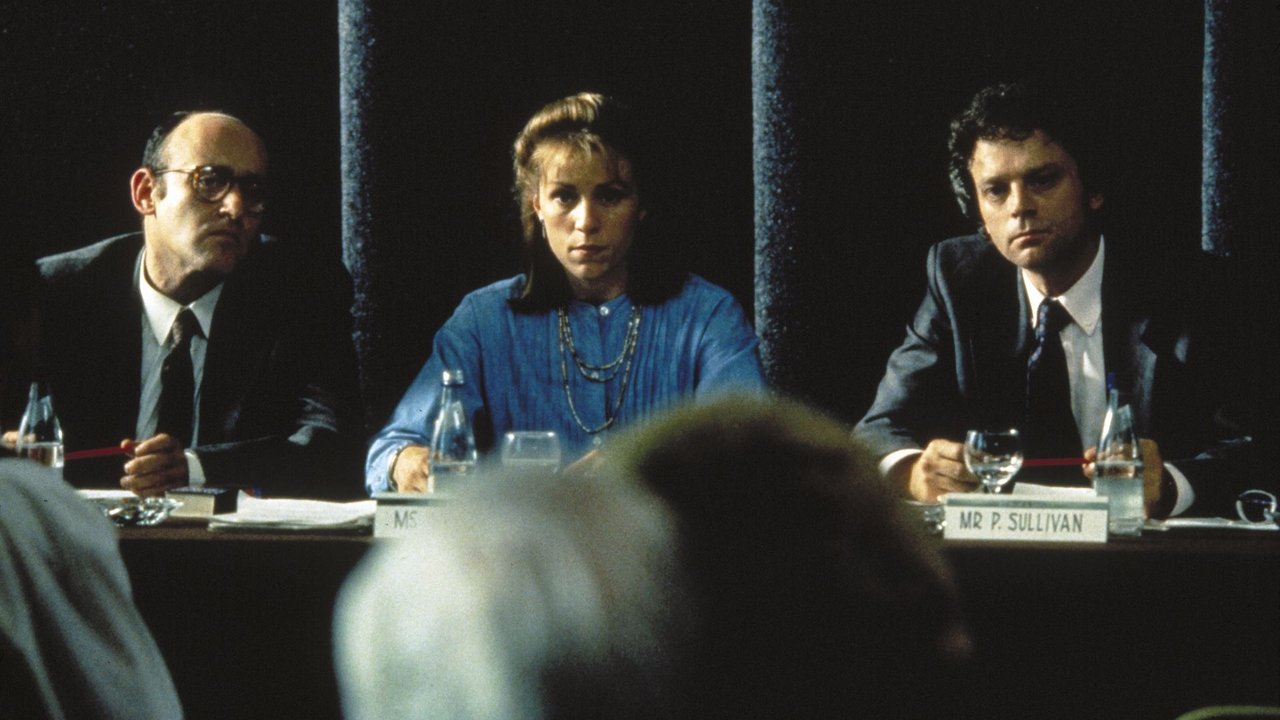
The film plunges us immediately into the fraught atmosphere of Belfast during The Troubles. An American human rights lawyer, Paul Sullivan (Brad Dourif), and his fiancée, Ingrid Jessner (Frances McDormand), are investigating alleged abuses by British security forces. When Sullivan is assassinated under suspicious circumstances, Ingrid refuses to accept the official story. Her quest for truth throws her into a treacherous maze of cover-ups, political maneuvering, and state-sanctioned violence, aided, or perhaps manipulated, by Peter Kerrigan (Brian Cox), a high-ranking police investigator brought over from Britain.
There's an oppressive weight to the Belfast depicted here, a city suffocating under surveillance and suspicion. Loach, ever the master of social realism, captures this not through dramatic flourishes but through meticulous detail: the palpable tension in the streets, the weary faces of ordinary people caught in the crossfire, the sterile chill of interrogation rooms. He achieves a documentary-like immediacy, filming on location under challenging circumstances, making the political deeply personal. You can almost smell the damp air and feel the constant, low-level hum of fear.
Truth Under Fire
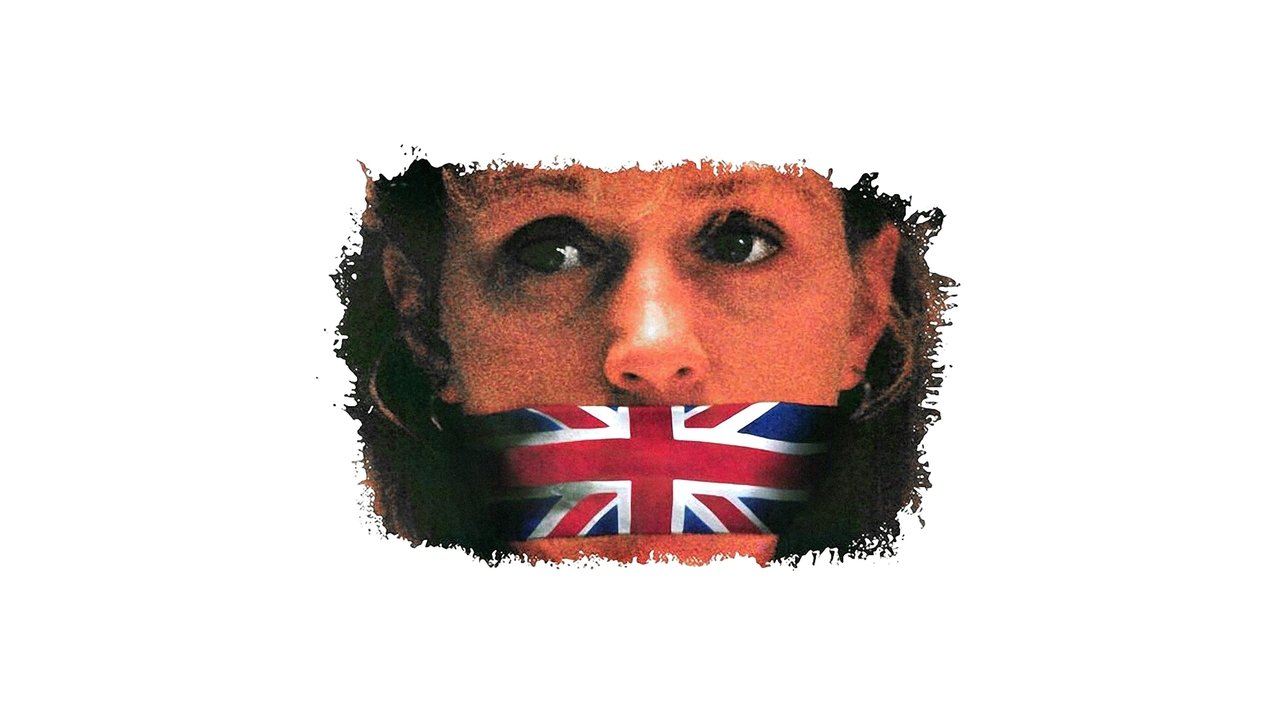
What elevates Hidden Agenda beyond a standard thriller is its courageous engagement with real-world controversy. Writer Jim Allen, a frequent and fiery collaborator with Loach, based the screenplay on extensive research into alleged 'shoot-to-kill' policies employed by British security forces in Northern Ireland and the subsequent investigations, like the Stalker Inquiry, which were themselves shrouded in controversy and accusations of obstruction. This wasn't just inspired by headlines; it was wading directly into a political minefield.
This commitment to unearthing uncomfortable truths is palpable. The film doesn't offer easy answers or clear-cut heroes and villains. Instead, it presents a morally complex landscape where institutional power seeks to protect itself at all costs, often crushing individual lives in the process. Is Kerrigan genuinely trying to uncover the truth, or is he part of a more elaborate containment strategy? The ambiguity is part of the film’s chilling effectiveness. It forces us to question what we’re being told, both by the characters and, implicitly, by those in power in the real world.
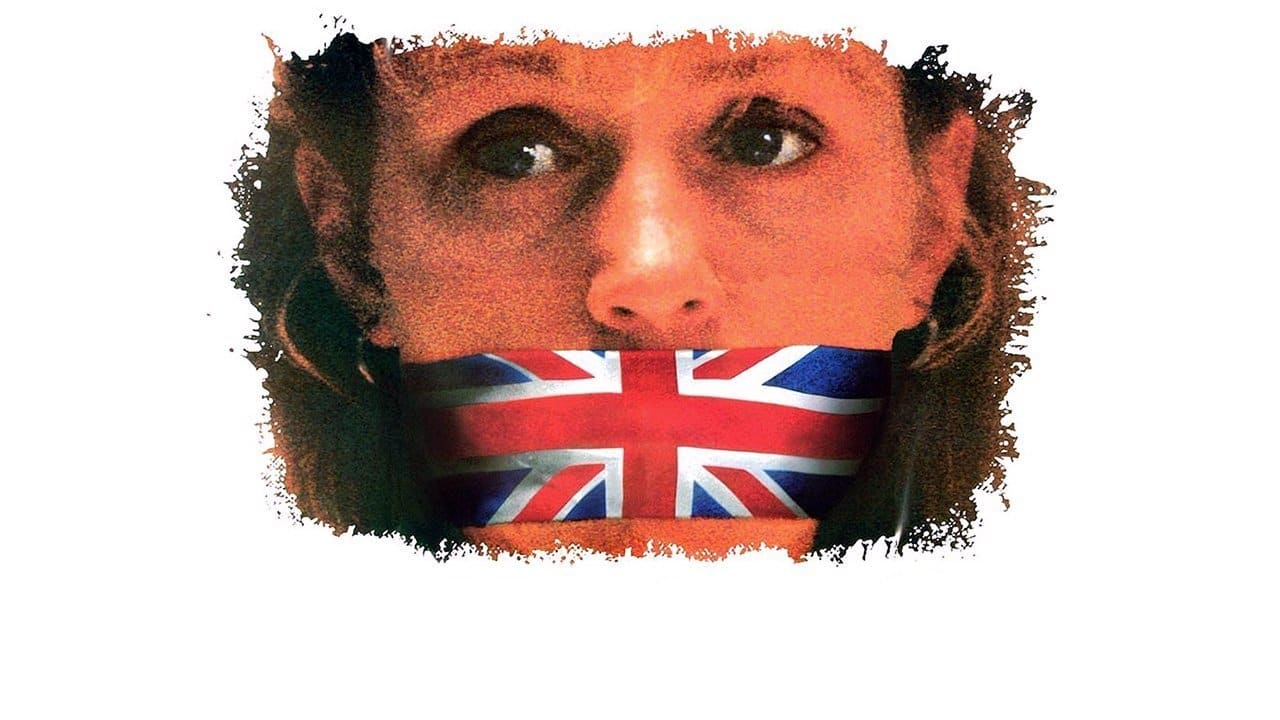
Predictably, this unflinching approach ignited a firestorm upon release. After winning the prestigious Jury Prize at the 1990 Cannes Film Festival (sharing it with Tilaï), Hidden Agenda faced accusations in the British press and from some politicians of being IRA propaganda. Loach fiercely defended the film, arguing it simply exposed truths that needed confronting. Seeing it now, the controversy itself seems like evidence of the raw nerve the film touched – the power of cinema to challenge official narratives.
Performances Forged in Realism
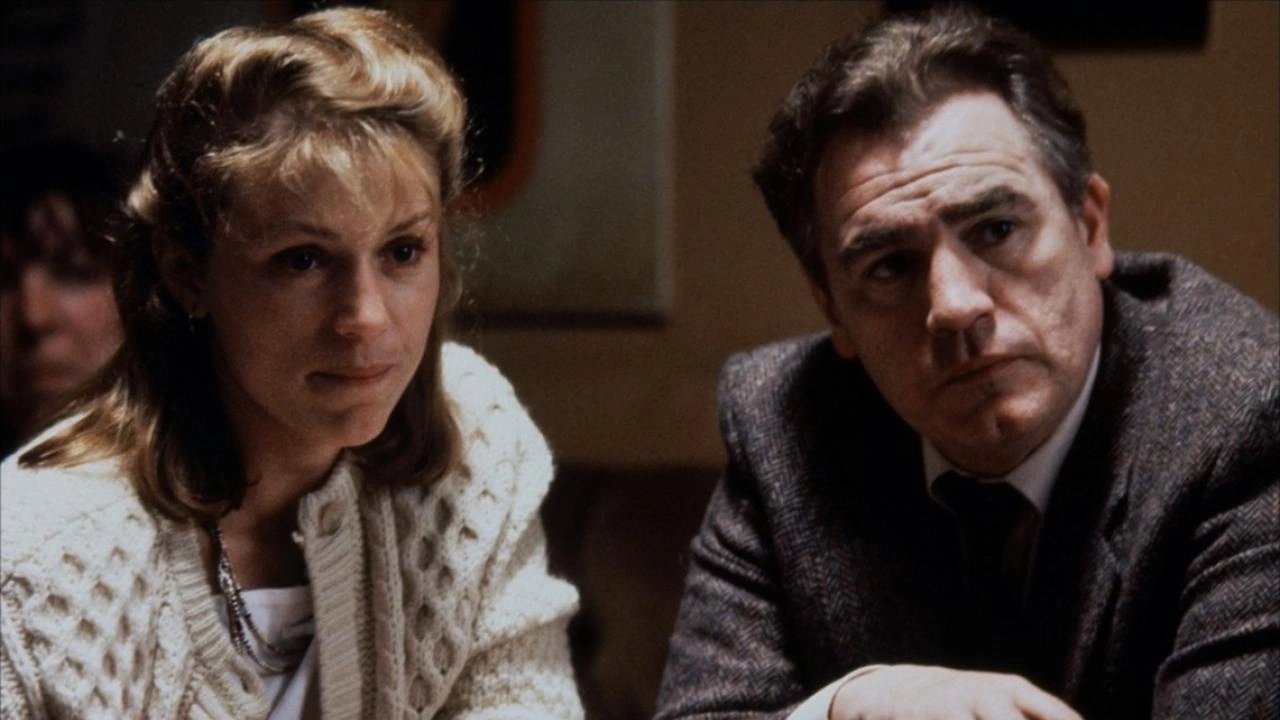
The cast navigates this treacherous terrain with exceptional skill. Frances McDormand, even relatively early in her career (before Fargo cemented her stardom), is riveting as Ingrid. She embodies the outsider’s dawning horror and steely determination, refusing to be intimidated or deflected. Her grief feels authentic, fueling a quiet fury that drives the narrative. She's our moral compass in a world that seems to have lost its bearings.
Brian Cox, as Kerrigan, is simply superb. He radiates a world-weary intelligence, a man burdened by what he knows and perhaps complicit in more than he lets on. His scenes with McDormand are masterclasses in subtext, filled with guarded exchanges and unspoken calculations. The weight of the state apparatus seems to rest on his shoulders, and Cox conveys this internal conflict brilliantly. And Brad Dourif, known for his intense portrayals (like Billy Bibbit in One Flew Over the Cuckoo's Nest (1975) or the voice of Chucky), makes an indelible impact in his brief screen time, establishing the personal stakes before the political intrigue takes over.
A VHS Tape That Felt Heavy
I distinctly remember renting Hidden Agenda back in the early 90s. It wasn't your typical Friday night fare. The box art promised something serious, and the film delivered. Watching it on a CRT felt almost subversive, like handling classified information. In an era before the internet made global events instantly accessible, this VHS tape felt like a vital, potent message delivered directly into your home – a stark reminder of complex conflicts and the often-brutal machinations of power playing out just across the water. It didn't offer escapism; it demanded attention.
Does any film truly capture the dizzying complexities of The Troubles? Perhaps not entirely, but Hidden Agenda comes closer than most mainstream cinema dared to at the time. It’s a film that trusts its audience’s intelligence, refusing to simplify or sanitize its subject matter. It’s less concerned with providing thrills and more focused on provoking thought and unsettling complacency. What does happen when state power operates without accountability? What is the true cost of silence? These questions resonate just as strongly today.
***
Rating: 9/10
Hidden Agenda remains a powerful, intelligent, and deeply unsettling political thriller. Its strength lies in its grounded realism, superb performances (McDormand and Cox are outstanding), and Ken Loach's unwavering commitment to confronting difficult truths. The film's basis in real-world events and the controversy it generated only underscore its importance and bravery. It's not an easy watch, but it's an essential one, a gripping reminder of cinema's potential to investigate the darkest corridors of power.