It begins not with grand pronouncements or sweeping battlefields, but with the quiet discovery of the past. A granddaughter sifts through the belongings of her recently deceased grandfather, uncovering faded letters, photographs, a tattered red neckerchief, and a small container of earth from a faraway land. This simple, poignant opening sets the stage for Ken Loach’s unflinching 1995 drama, Land and Freedom, a film that arrived on VHS shelves feeling less like escapist entertainment and more like a vital, unearthed piece of history. Finding this tape, perhaps nestled in the ‘World Cinema’ or ‘Drama’ section of the local rental store, often meant bracing yourself for something demanding, something that wouldn’t offer easy comforts – and it delivered precisely that.
Into the Crucible
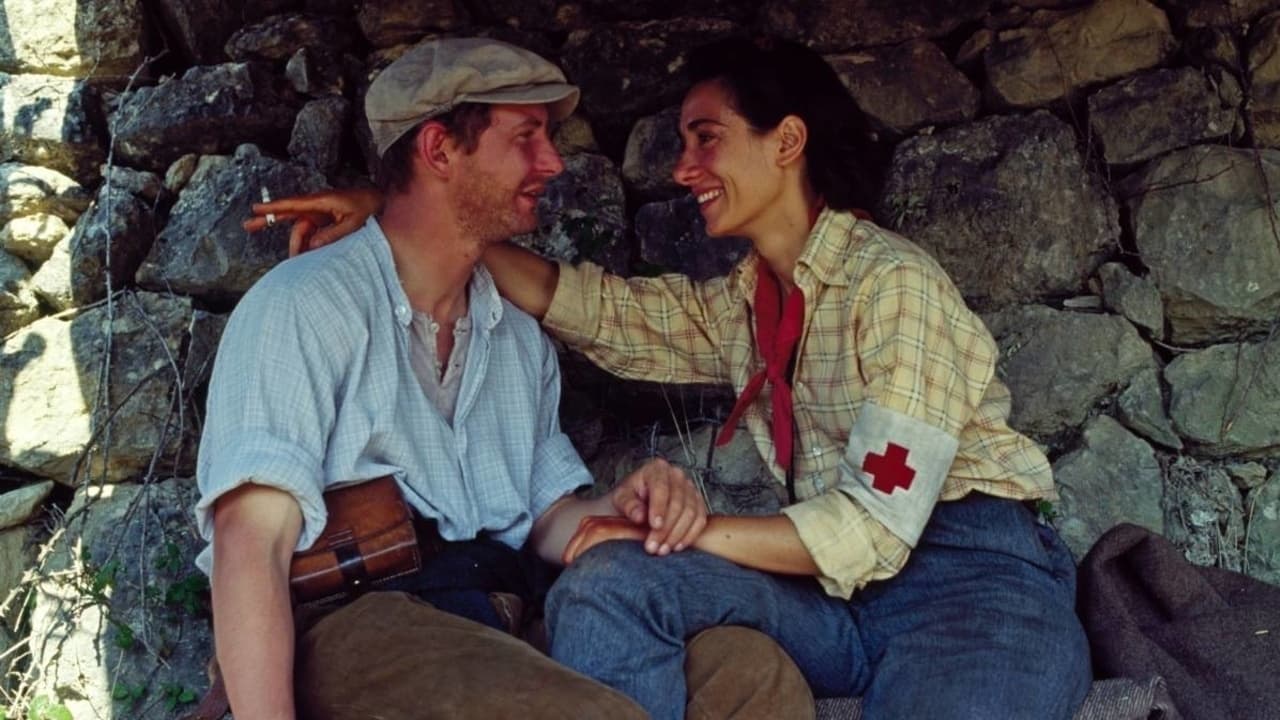
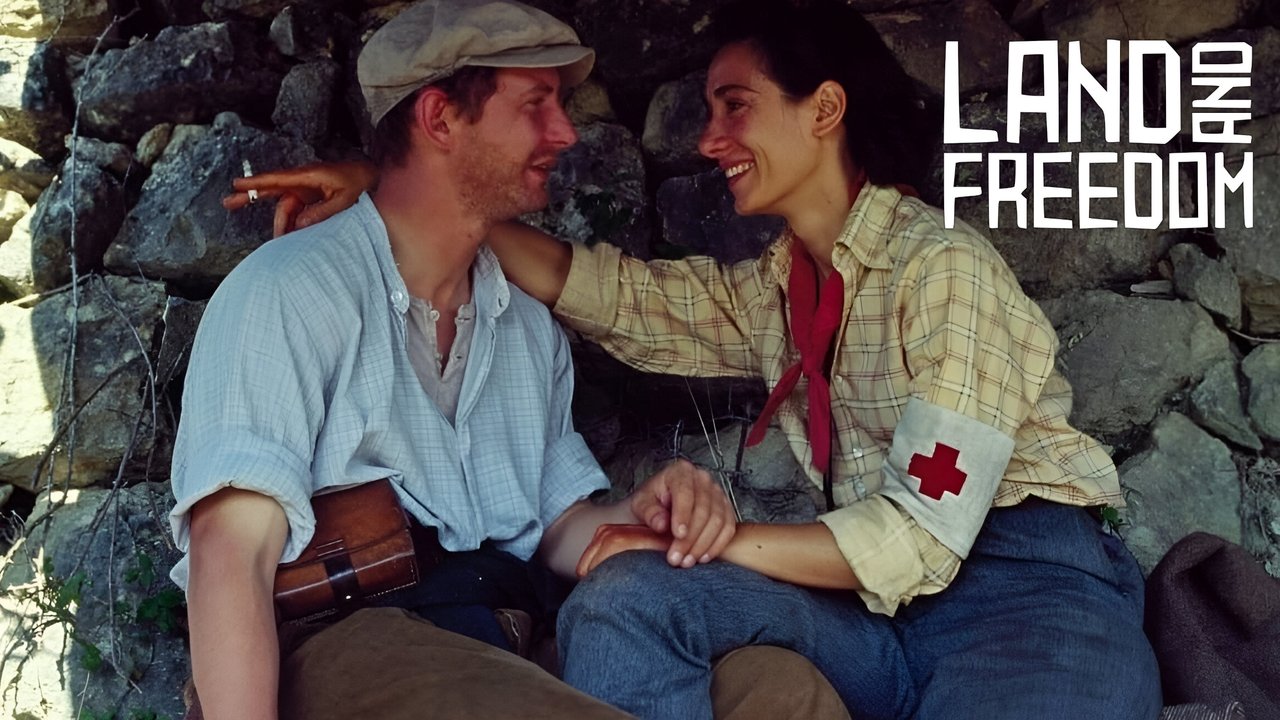
The story follows David Carr (Ian Hart), a young, idealistic, unemployed Liverpudlian Communist who, stirred by newsreel footage and party speeches, travels to Spain in 1936 to join the fight against Franco’s fascists. Expecting a clear-cut battle between good and evil, he instead finds himself swept into the complexities of the Republican side, specifically within a POUM (Workers' Party of Marxist Unification) militia unit on the Aragon front. It’s here, amidst the camaraderie, the danger, and the sheer grit of frontline existence, that the film truly finds its power. Loach, ever the master of social realism – think of his later Palme d'Or winners like The Wind That Shakes the Barley (2006) – plunges us directly into the thick of it. The handheld camerawork feels urgent, observational, capturing the mud, the cold, the scarcity, and the sudden bursts of chaotic violence with an unvarnished authenticity rarely seen.
The Grain of Truth
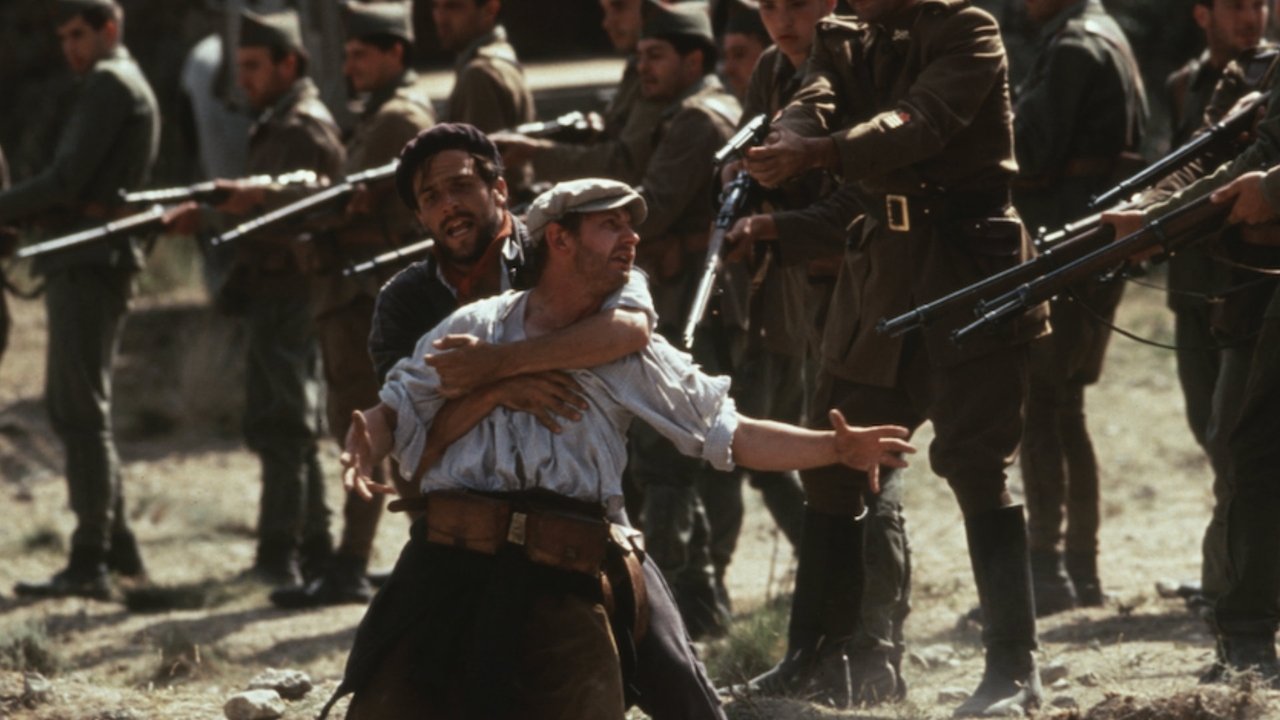
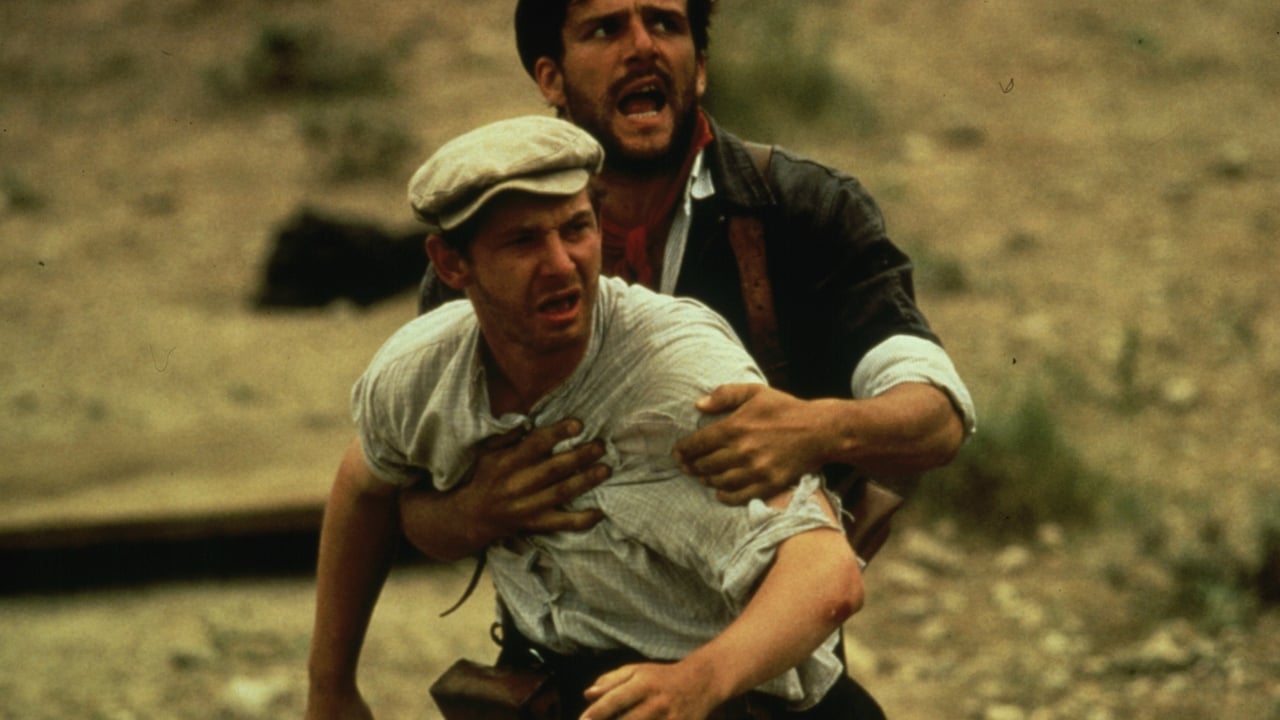
What makes Land and Freedom resonate so deeply, even decades later, is its commitment to portraying the lived experience of its characters. Ian Hart, perhaps best known to some 90s viewers for playing John Lennon in Backbeat (1994), delivers a remarkable performance. His David is earnest, sometimes naive, but fiercely committed. We see the fire of his initial belief gradually tempered by the harsh realities of war and, more devastatingly, by the internal political strife fracturing the Republican cause. His journey mirrors that of George Orwell in his seminal account Homage to Catalonia, a book that clearly served as a significant inspiration for Jim Allen’s script. Allen, a frequent Loach collaborator, crafts dialogue that feels utterly naturalistic, further enhanced by Loach's trademark technique of often filming chronologically and giving actors only pages relevant to the immediate scenes, capturing genuine reactions and uncertainties.
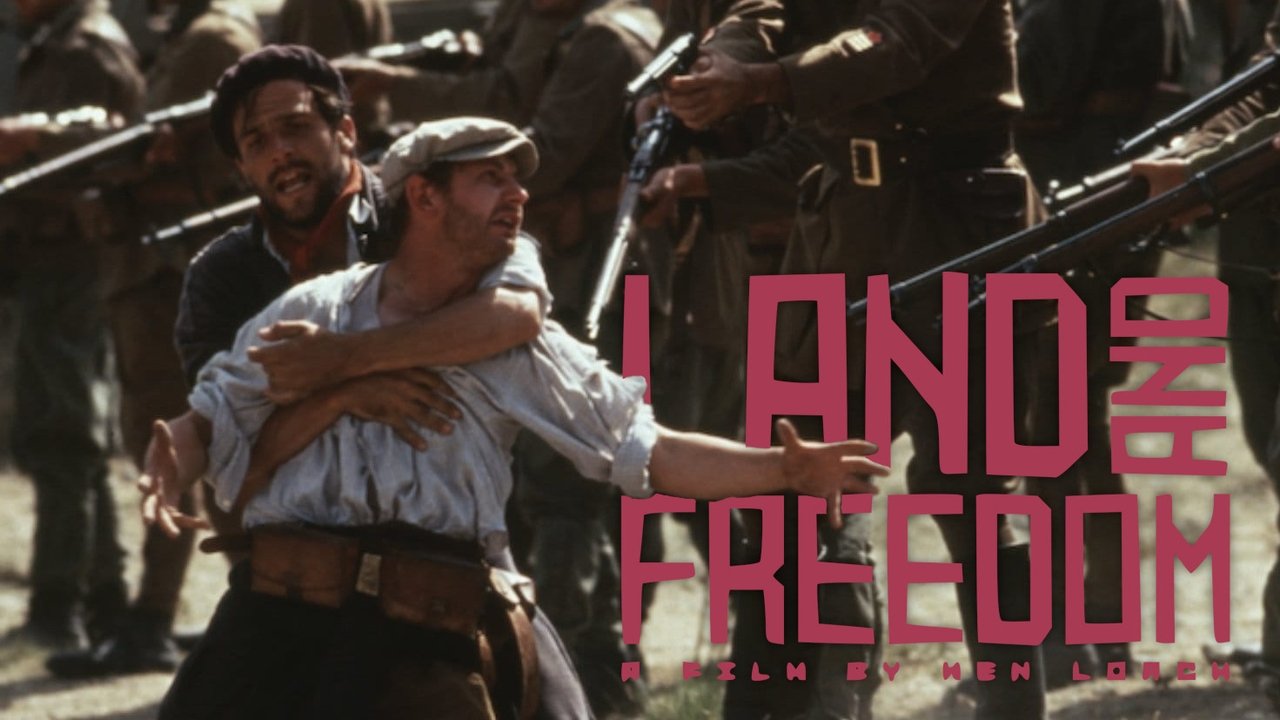
The supporting cast is equally vital. Rosana Pastor as Blanca, a passionate anarchist fighter, embodies the revolutionary spirit with fierce conviction, while Icíar Bollaín (who would go on to become a respected director herself) brings a quiet strength to Maite. The interactions within the militia unit, a mix of Spaniards, Brits, French, Germans, and Americans, feel incredibly real, capturing the linguistic fumbles, the shared purpose, and the underlying tensions. Loach’s decision to have characters speak their native languages – Spanish, Catalan, English – adds another layer of immersion, reminding us this was truly an international struggle fought on Spanish soil. The film’s very title, Land and Freedom (Tierra y Libertad), echoes the cry of Emiliano Zapata, adopted by Spanish anarchists, grounding the specific conflict in a wider revolutionary tradition.
Debate and Disillusionment
One of the film's most powerful and debated sequences involves the collectivisation of a liberated village. The militia members and villagers gather in a church (a potent symbol itself) to argue passionately about whether to collectivise the land immediately or wait until the war is won. It’s a long, dialogue-heavy scene, shot simply, yet it’s utterly riveting. It lays bare the ideological schisms within the anti-fascist forces – the anarchist and POUM desire for immediate social revolution clashing with the Communist Party’s insistence (under Moscow’s direction) on a more conventional, centralized war effort first. This isn't just dry political theory; it's portrayed as a life-and-death argument about the very soul of the struggle, the moment where idealism collides head-on with political pragmatism, or perhaps, betrayal. It's scenes like this that elevate Land and Freedom beyond a simple war film.
The Weight of History
Watching Land and Freedom back in the 90s on a flickering CRT screen, perhaps after renting it alongside more standard Hollywood fare, felt like a jolt. It lacked polished special effects or contrived heroism. Instead, it offered something starker, more honest, and ultimately, more profound. It presented the Spanish Civil War not as a simple prelude to World War II, but as a tragedy in its own right – a cauldron where noble ideals were tested, compromised, and sometimes tragically extinguished by infighting and external manipulation as much as by the fascist enemy. The film doesn't shy away from the brutality, nor does it offer easy resolutions. David’s journey becomes one of increasing disillusionment, forcing viewers to grapple with uncomfortable questions. What happens when the fight against a common enemy is undermined from within? How much compromise is too much in the name of unity? Doesn't the way you fight influence the kind of future you're fighting for?
Rating: 9/10
This score reflects the film's raw power, its unwavering commitment to realism, and the exceptional, naturalistic performances, particularly from Ian Hart. Ken Loach directs with a clear-eyed urgency, forcing us to confront the messy, heartbreaking complexities of war and revolution. The integration of historical detail, inspired by Orwell and grounded in meticulous research, feels authentic rather than academic. While its unvarnished approach and political focus might not be for everyone seeking light entertainment, its impact is undeniable. It's a film that achieves a rare feat: making a historical conflict feel immediate, personal, and desperately relevant.
Land and Freedom lingers long after the credits roll, not just as a history lesson, but as a poignant reminder of idealism's fragility and the human cost when revolutions devour their own. It leaves you holding that small container of Spanish earth, feeling its weight.