Here we go, sliding another tape into the VCR... well, almost. This one, The Calling from 2000, catches the very tail end of our beloved era, a time when shiny DVDs were starting to nudge those trusty VHS tapes aside on the rental shelves. Yet, it carries the distinct feel of a late-night discovery, the kind of atmospheric chiller you might have picked up on a whim, drawn in by its moody cover art promising something ancient and unsettling lurking beneath the surface of the everyday. It arrived just as the millennium turned, perhaps carrying some of that Y2K anxiety, but its roots feel older, digging into folk horror traditions beneath its modern gloss.
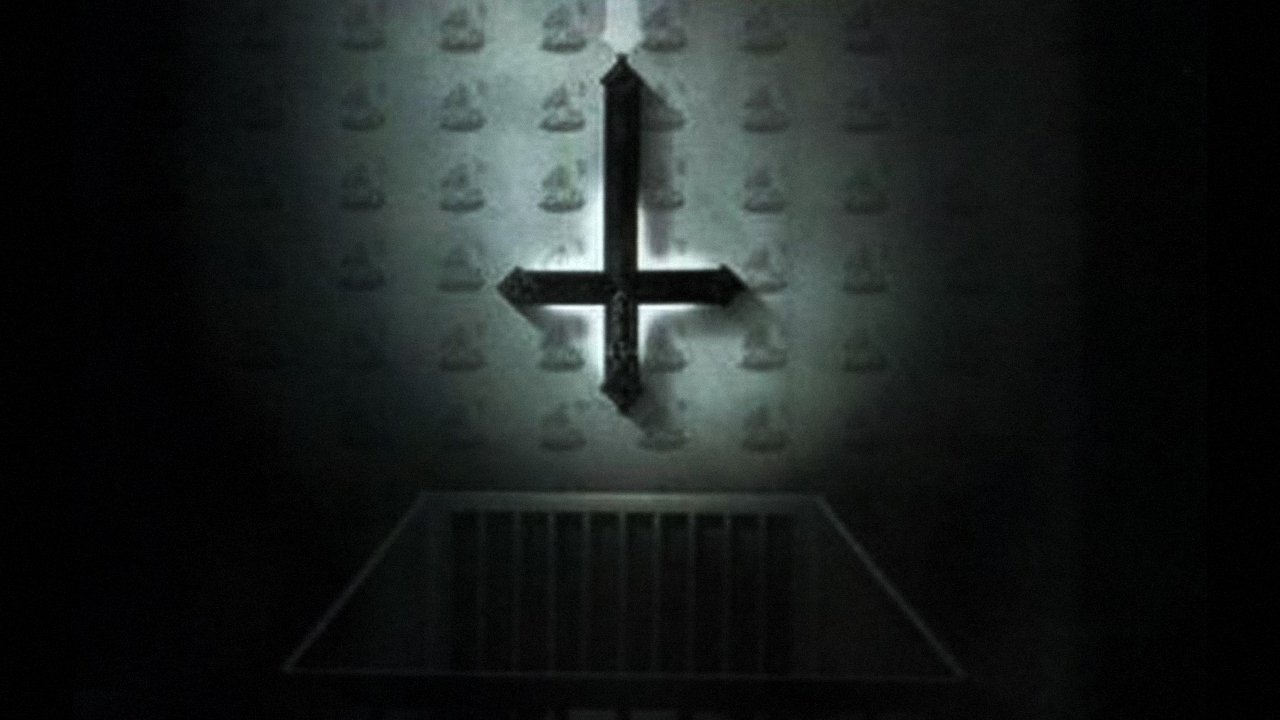
Echoes in the Damp English Air
What immediately strikes you about The Calling isn't frantic action or jump scares, but its pervasive atmosphere. Director Richard Caesar, in what appears to be his sole feature film effort, makes excellent use of the Cornish locations (including Port Isaac and the stark Bodmin Moor). You can almost feel the damp chill seep off the screen – the grey skies, the winding country lanes, the ancient stone structures hinting at secrets best left undisturbed. The film follows Kristie St. Clair (Laura Harris), an American student in England who finds her life intertwining with the mysterious Tallmar family and their young, unnervingly prophetic son, Dylan. When people around her start meeting gruesome ends, she's pulled into a terrifying plot involving a centuries-old cult and a destiny she never asked for. The plot itself might tread familiar ground – shades of Rosemary's Baby (1968) or even The Omen (1976) echo here – but it's the execution of mood that gives the film its occasional power.
Belief and Dread
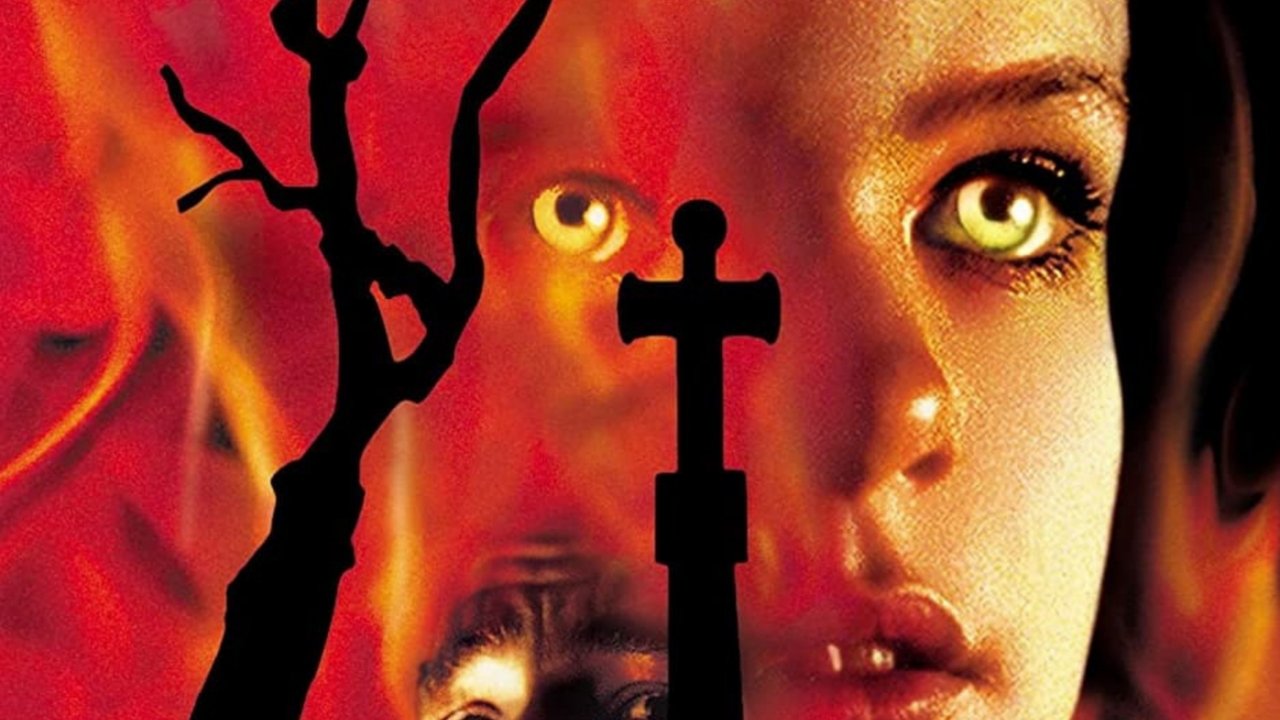
At its core, The Calling grapples with themes of faith, fate, and the terrifying possibility that ancient, malevolent forces are not just real, but actively shaping our lives. Laura Harris (Debbie Salt in The Faculty (1998)) carries the weight of the film admirably. Her portrayal of Kristie's journey from skeptical outsider to horrified believer feels genuine. She doesn't instantly accept the impossible; her fear and confusion are relatable, grounding the more outlandish cult elements. We see the creeping dread dawn on her face, the dawning realization that the rational world she knew is peeling away. Supporting her is Richard Lintern as Marc, the concerned friend and potential romantic interest who aids her investigation. Lintern brings a necessary warmth and stability, serving as an anchor for both Kristie and the audience, though his character arc feels somewhat secondary to Kristie's terrifying ordeal. The true menace, however, often simmers in the performance of Francis Magee (Yoren in Game of Thrones) as Carmac, a figure deeply embedded within the cult. His quiet intensity and unwavering conviction are genuinely unnerving.
A Straight-to-Video Soul
Let's be honest, The Calling wasn't a blockbuster. Released directly to video and DVD in many territories after a festival premiere, it has the hallmarks of a solid, lower-budget genre entry from that specific turn-of-the-millennium period. It lacks the slickness (and perhaps the self-awareness) of the post-Scream slasher boom, aiming instead for a more traditional, slow-burn horror. Knowing it was primarily filmed on location in Cornwall adds a layer of authenticity; the stark beauty and isolation of the landscape become characters in themselves, enhancing the sense of dread far more effectively than any expensive special effect could. You can sense the constraints, perhaps, in certain narrative shortcuts or the occasional clunky line of dialogue, but the commitment to atmosphere often compensates. It feels like a film made with conviction, even if the final result isn't entirely revolutionary. It’s the kind of movie that benefited from the rental market – maybe not a keeper you’d buy outright immediately, but a perfectly decent Friday night rental that delivered a few genuine chills.
Lingering Questions
Does the plot hold up under intense scrutiny? Perhaps not entirely. Some twists feel predictable, and the cult's motivations remain somewhat murky. But what lingers isn't necessarily the intricate plot mechanics, but the feeling the film evokes – that sense of ancient darkness persisting just beneath the surface of our modern world. What if destiny isn't something we shape, but something that claims us? What happens when rational explanations crumble in the face of something ancient and terrible? The Calling doesn't offer easy answers, preferring to leave the viewer with a lingering sense of unease. It’s a testament to the power of atmosphere and a committed central performance.
---
Rating: 6/10
The Calling earns its score through its genuinely effective, damp, and chilling Cornish atmosphere and a strong central performance from Laura Harris. It successfully creates a pervasive sense of dread that overcomes some predictable plot points and budgetary limitations. It’s not a lost masterpiece, but it’s a significantly better-than-average atmospheric horror from the cusp of the new millennium, the kind of film that likely surprised many who rented it expecting standard fare. It’s a solid example of how mood and setting can elevate familiar genre tropes.
It might have arrived as VHS faded, but The Calling feels like a fittingly moody echo from that era – a reminder that sometimes the most unsettling horrors are the ones whispered in quiet, ancient places.