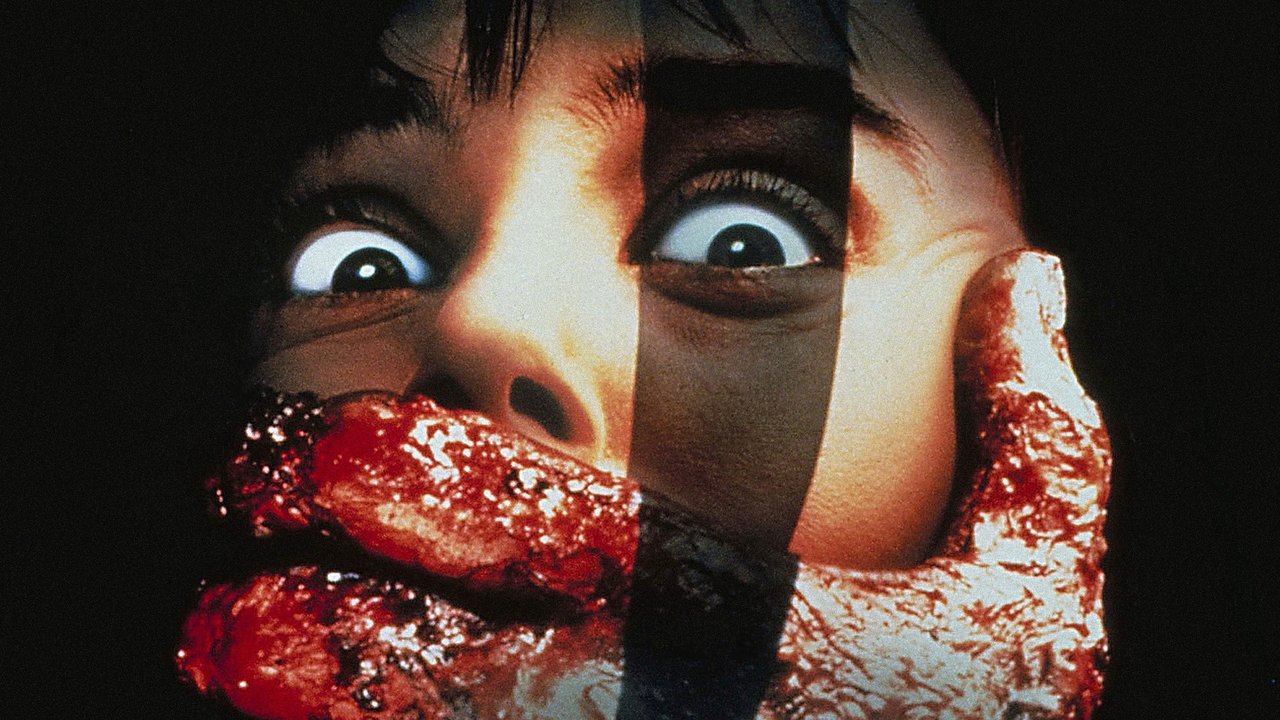
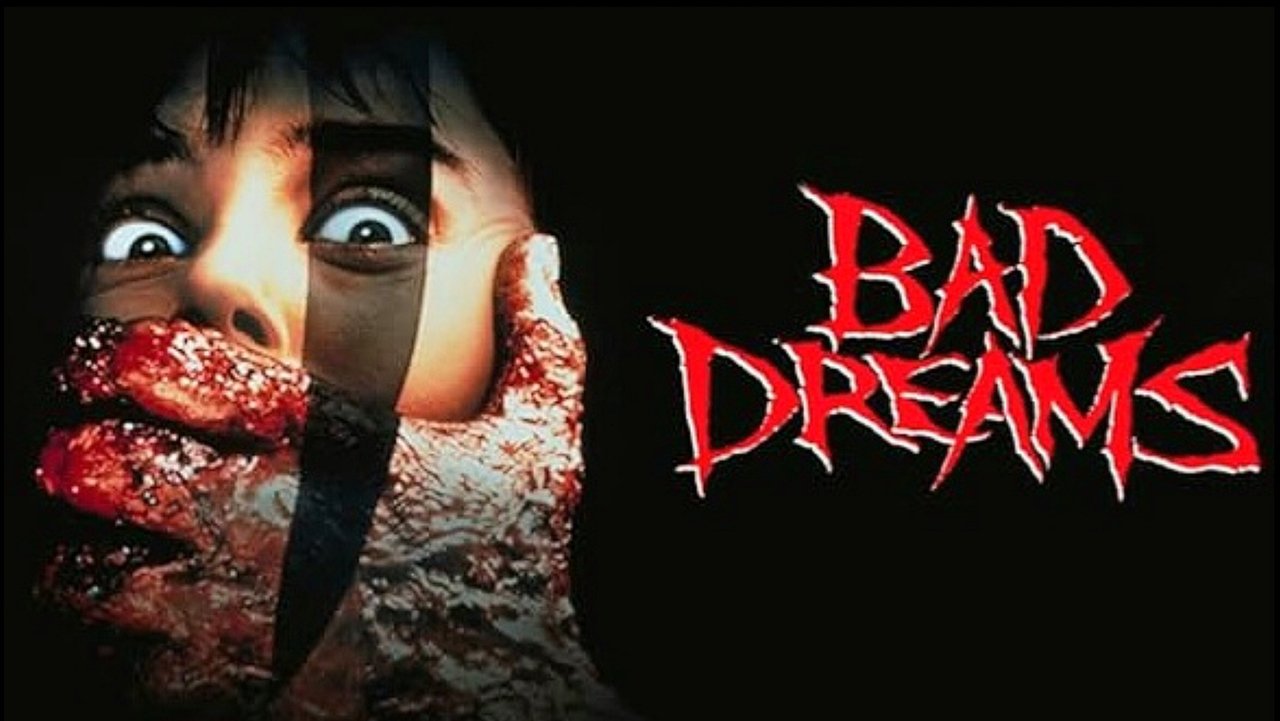
Okay, settle in. Let the static hiss of the tracking adjustment fade for a moment. We're dialing back to 1988, a time when the dream demon reigned supreme at the multiplex, and a challenger emerged from the ashes of a fiery cult, bearing more than a passing resemblance to its striped-sweatered predecessor. I'm talking about Bad Dreams, a film that flickered onto rental shelves, perhaps rented right alongside Freddy’s latest outing, leaving its own distinct, albeit familiar, chill. Does anyone else recall the unsettling, almost serene horror of its opening sequence? The placid surface before the inferno?
A Rude Awakening
The premise itself plunges us into unease. We meet Cynthia (Jennifer Rubin), the sole survivor of the Unity Fields cult's ritualistic mass suicide, led by the charismatic and deeply disturbing Franklin Harris (Richard Lynch). She awakens from a 13-year coma into a sterile, late-80s psychiatric ward, a disorienting jump forward in time that leaves her utterly vulnerable. The world she knew is gone, replaced by group therapy sessions and doctors who probe her fractured psyche. It’s a potent setup, instantly isolating Cynthia and us with her – are the visions of Harris, charred but smiling, beckoning her to join him, mere trauma-induced hallucinations, or has something truly malevolent followed her back from the brink?
Shadow of the Glove

Let's address the spectral elephant in the room: Bad Dreams arrived hot on the heels of A Nightmare on Elm Street 3: Dream Warriors (1987), which also starred Jennifer Rubin in a remarkably similar institutional setting, battling a supernatural killer alongside fellow patients. The parallels are undeniable, and at the time, many critics dismissed Bad Dreams as a calculated clone. It’s a fair cop; 20th Century Fox was undoubtedly eyeing New Line Cinema’s Krueger cash cow. Co-writer Steven E. de Souza, usually orchestrating chaos in action behemoths like Die Hard (1988) and Commando (1985), here crafts something more intimate, yet the structural echoes are loud. Did the studio push for these similarities? It certainly feels plausible. Yet, dismissing it entirely feels like missing the specific flavor of dread director Andrew Fleming (making his feature debut before giving us the beloved witchy vibes of The Craft in 1996) brews here.
Burning Bright: Lynch and Practical Terror
Where Bad Dreams carves its own niche is in its specific brand of hallucinatory horror and, crucially, in the casting of Richard Lynch as Harris. Lynch, an actor whose uniquely scarred features already lent him an otherworldly intensity (a tragic result of a self-immolation incident under the influence of LSD in 1967), is magnetic. He doesn't need claws; his serene, knowing smile and burnt visage are terrifying enough. He embodies the insidious pull of charismatic evil, a different kind of nightmare fuel than Freddy's quipping menace. The practical effects, particularly the burn makeup by Michele A. Burger and the surreal, often gruesome death sequences inflicted upon the therapy group, hold up surprisingly well. Remember that scene in the industrial turbine room? It possesses a visceral, industrial grit that feels distinctly late-80s – a tangible, mechanical horror contrasting with the ethereal nature of Harris's apparent influence. These weren't slick CGI creations; they were sculpted latex, air bladder effects, and strategically deployed stage blood, possessing a weight and texture that felt disturbingly real on flickering CRT screens. The St. Mary Medical Center in Long Beach provided the suitably sterile and slightly unnerving backdrop for the institutional scenes, grounding the fantastical elements.
Trauma Team
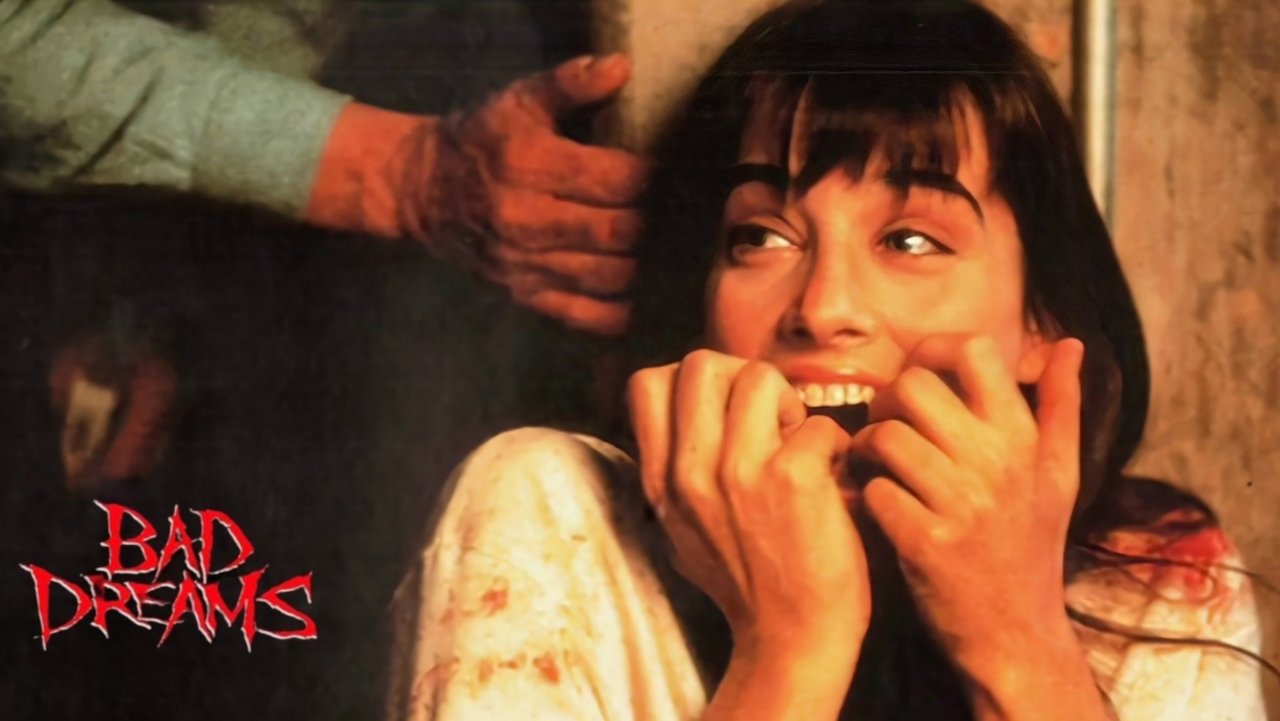
Jennifer Rubin carries the film admirably, projecting Cynthia's profound disorientation and terror. It must have been strange for her, stepping into such a similar role so soon after Dream Warriors, but she effectively conveys the character's desperate fight for sanity. Bruce Abbott, forever etched in our minds as Dr. Dan Cain from Stuart Gordon’s Re-Animator (1985), provides a sympathetic anchor as Dr. Alex Karmen, the concerned physician trying to help Cynthia navigate her waking nightmare. The supporting cast, forming the therapy group, fulfill their slasher archetypes (the tough girl, the wisecracker, the vulnerable one), but they do so with enough conviction to make their eventual demises feel impactful, even if predictable. Fleming manages to build genuine suspense, cleverly blurring the lines – is Harris physically present, a spectral force, or is someone exploiting Cynthia's fragile mental state? The film keeps you guessing, even if you suspect you know where the Elm Street formula might lead.
Flickering Legacy
Bad Dreams didn't set the box office ablaze ($9.8 million gross against a $4.5 million budget – respectable, but no blockbuster) and remains somewhat overshadowed by its more famous cinematic cousin. It’s undeniably derivative, a clear attempt to capture some of that lucrative dream-slasher magic. Yet, watching it again now, dusted off from the metaphorical VHS shelf, reveals a stylishly crafted horror film with a genuinely unnerving villain, some memorable practical gore, and a palpable atmosphere of psychological dread. It understood the specific fear of losing control, of your own mind turning against you, amplified by the sterile confines of institutional care. It might be Elm Street's less famous, perhaps less original sibling, but it still delivers some potent late-night chills.
***
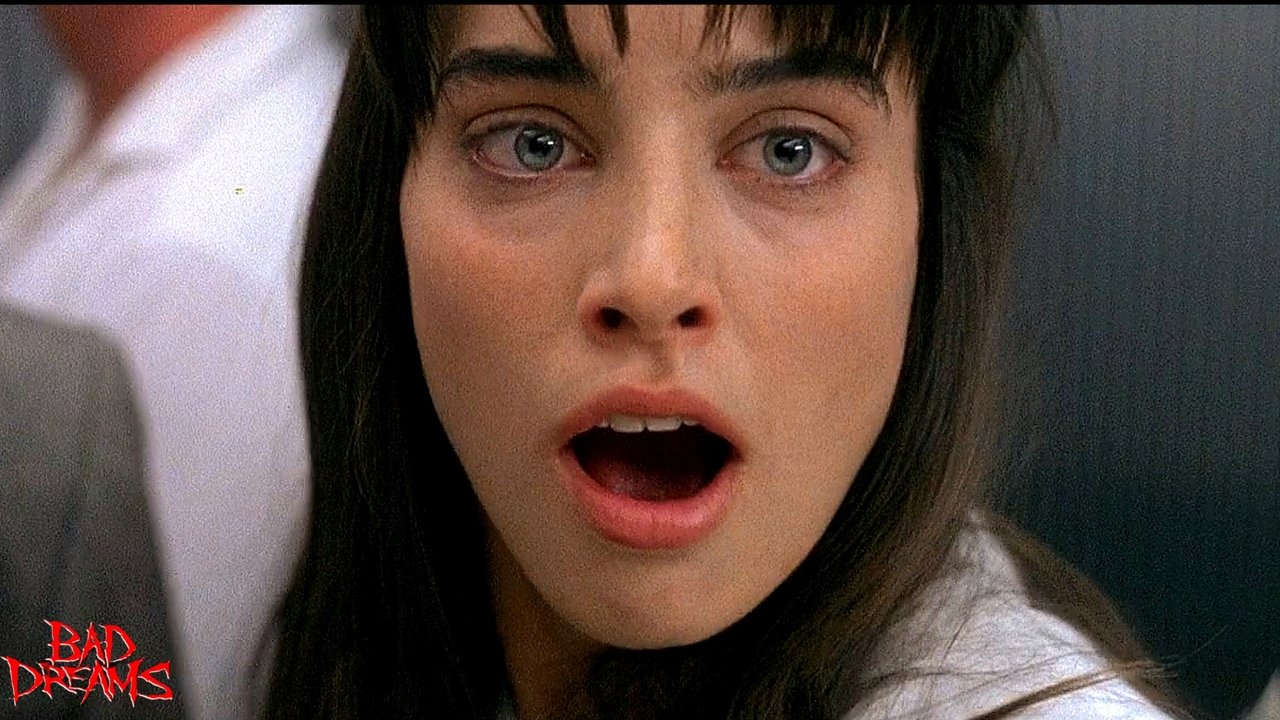
VHS Heaven Rating: 7/10
Justification: While heavily indebted to A Nightmare on Elm Street 3, Bad Dreams overcomes its derivative nature with a strong central performance from Jennifer Rubin, a truly iconic villain turn by Richard Lynch, effective practical effects, and a consistently unsettling atmosphere. It’s a well-made, stylish late-80s slasher that delivers suspense and memorable horror imagery, even if the plot feels familiar. It loses points for originality but gains them back for execution and sheer B-movie conviction.
Final Thought: A fascinating snapshot of late-80s horror trends, Bad Dreams is more than just a rip-off; it's a competent and often creepy chiller that deserves rediscovery by fans who appreciate practical effects and a genuinely menacing antagonist who didn't need wisecracks to haunt your sleep. A solid second feature on a horror movie night.