The static hiss of the tracking adjustment fades, and the screen flickers to life. But sometimes, the images that burn onto the cathode ray tube aren't just electronic phantoms. Sometimes, they feel like wounds weeping directly onto the glass. Stigmata arrives like that – a film less watched than endured, a collision of late-90s hyper-style and ancient, bleeding faith that leaves a distinctly uncomfortable residue. It plunges you into the deep end of inexplicable suffering, asking questions about belief that feel sharp enough to draw blood.
### A Modern Affliction
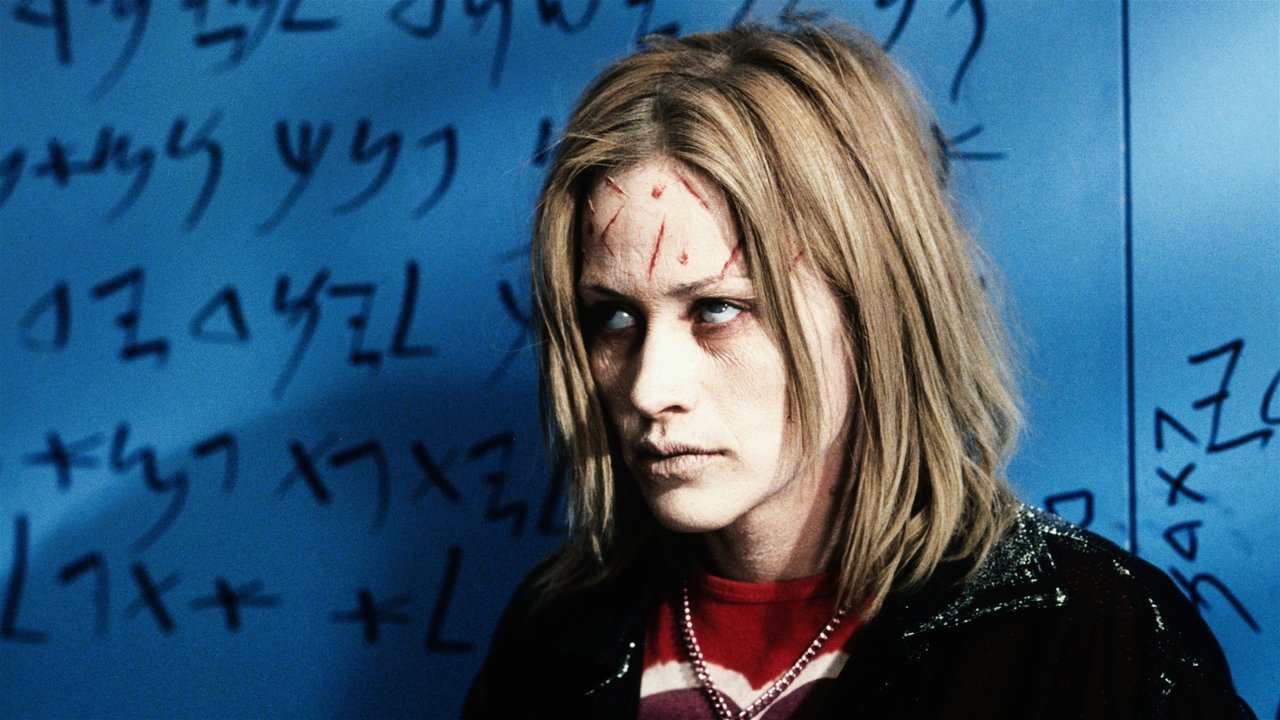
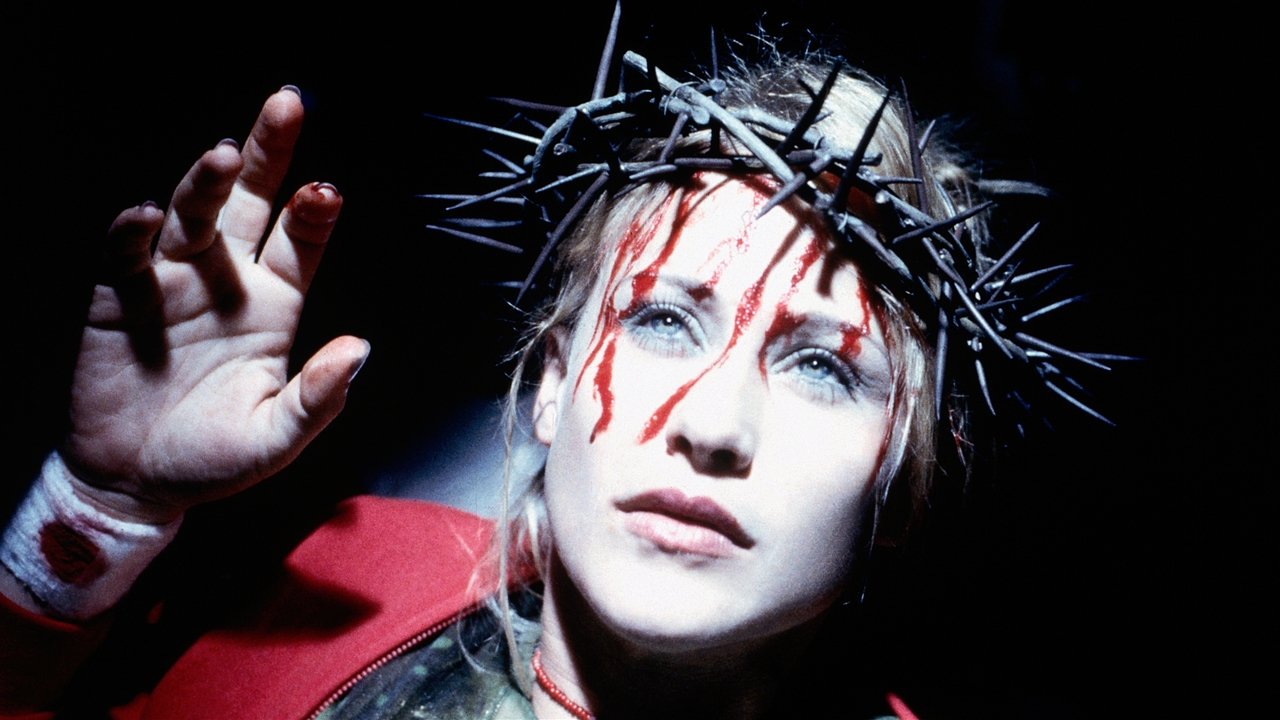
At its heart is Frankie Paige (Patricia Arquette), a Pittsburgh hairdresser whose atheistic, carefree existence is violently interrupted by the sudden, agonizing appearance of the wounds of Christ. Arquette throws herself into the role with a raw, physical commitment that anchors the film's more chaotic elements. You feel every lash, every piercing spike, channeled through her bewildered terror. It’s a performance that feels less like acting and more like a genuine ordeal, reportedly bolstered by Arquette's own deep dive into the harrowing real-life accounts of stigmatics. There's a visceral quality to her suffering that transcends the sometimes jarring, music-video aesthetic director Rupert Wainwright employs. Wainwright, whose background included directing videos for artists like M.C. Hammer, brought that kinetic, quick-cut energy to Stigmata, a choice that definitely dates the film but also gives its supernatural horror a uniquely frantic, modern pulse.
### The Vatican Investigator
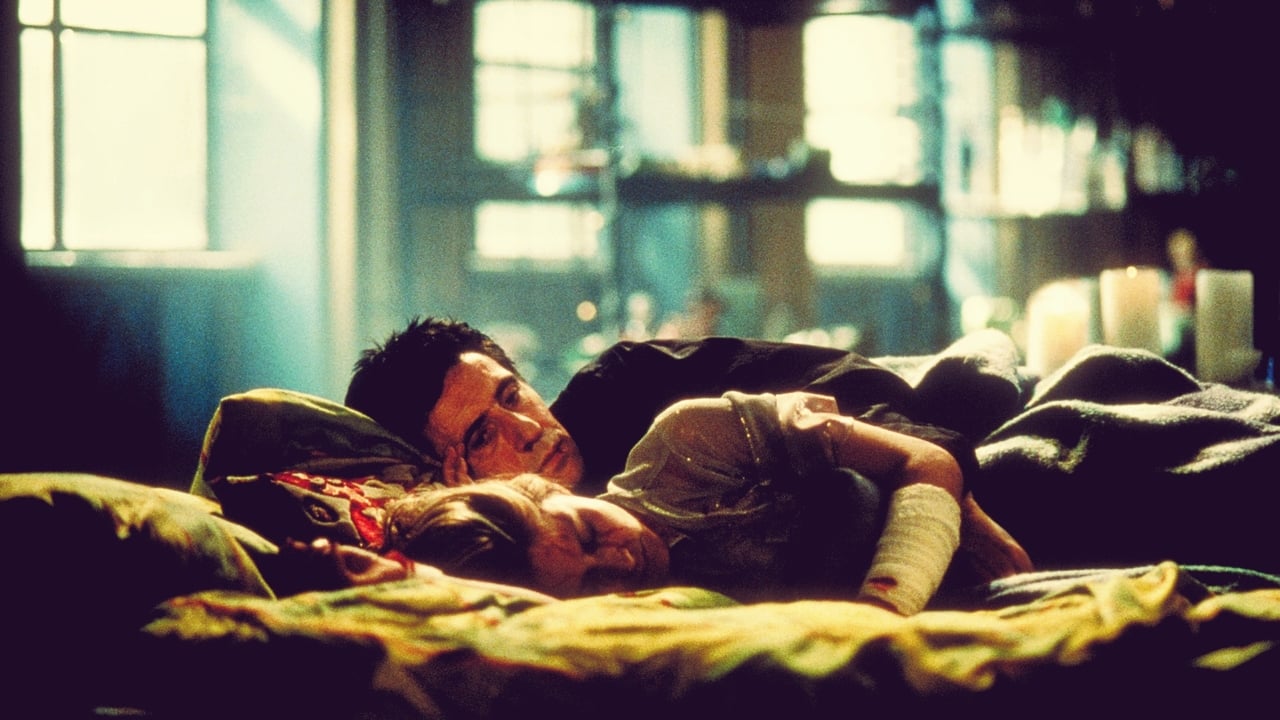
Enter Father Andrew Kiernan (Gabriel Byrne), the Vatican's investigator of miracles – a scientist priest dispatched to debunk or verify the phenomenon afflicting Frankie. Byrne, always a grounding presence, plays Kiernan with a weary intellectualism, his faith constantly tested by both the Church's political machinations and the undeniable, horrifying reality of Frankie's condition. He’s our surrogate, navigating the increasingly dangerous intersection of ancient secrets and modern disbelief. His arrival signals the film shifting gears, becoming less a pure body horror piece and more a theological conspiracy thriller. There’s a palpable tension between Byrne’s quiet intensity and Arquette’s explosive agony, creating a compelling dynamic. Remember Byrne in The Usual Suspects (1995)? He brings that same gravitas here, albeit trading underworld intrigue for Vatican secrets.
### Style and Substance Bleeding Together
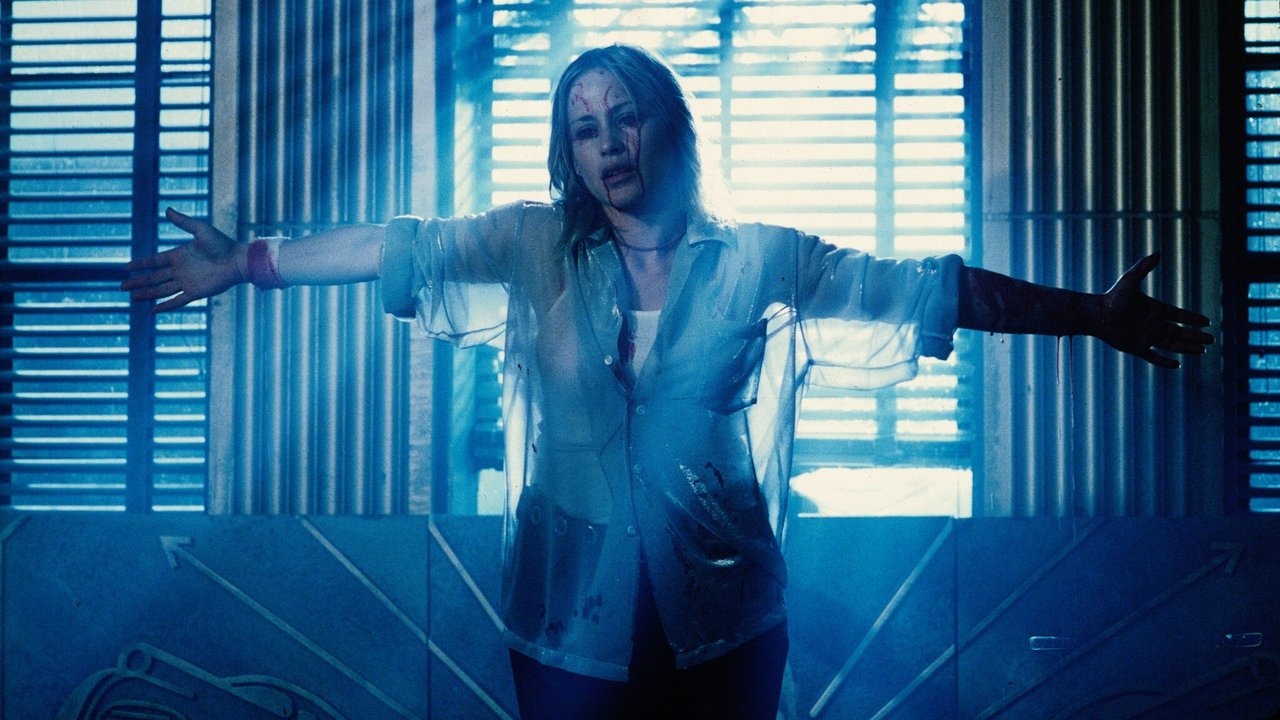
Let's talk about that style. Stigmata looks and sounds intensely 1999. The frantic editing, the desaturated colour palette punctuated by flashes of crimson, the industrial-tinged score co-composed by Billy Corgan of The Smashing Pumpkins and Elia Cmiral – it’s a sensory overload designed to reflect Frankie's shattered reality. Does it always serve the story? Perhaps not. At times, the flashy visuals threaten to overwhelm the genuinely disturbing premise, feeling more like an affectation than an organic part of the narrative fabric. Yet, there’s an undeniable energy to it. The practical effects used for the wounds themselves retain a grim power; they're not just gore, they carry the weight of unwanted divinity, a physical manifestation of a message Frankie never asked to receive. It’s this blend – the sacred horror rendered through a distinctly profane, secular lens – that makes Stigmata such a fascinating, if flawed, artifact of its time. The film reportedly cost around $29 million and pulled in nearly $90 million worldwide, suggesting its potent mix resonated with audiences hungry for something darker as the millennium approached.

### Unearthing Forbidden Gospels
Beneath the visual flair and the shocking displays of divine injury lies a provocative core – the idea of a suppressed gospel, allegedly dictated by Christ himself, that threatens the very foundations of organized religion. This element, drawing on the real-world discovery of Gnostic texts like the Gospel of Thomas, elevates Stigmata beyond simple shock value. It taps into centuries of theological debate and conspiracy, personified by the chillingly pragmatic Cardinal Houseman (Jonathan Pryce, bringing his signature sinister authority honed in films like Brazil (1985)). The script, penned by Tom Lazarus and Rick Ramage, initially leaned more heavily into this thriller aspect before Wainwright’s stylistic vision took hold. This underlying conflict – a potentially liberating truth versus entrenched institutional power – gives the film a thematic heft that lingers long after the credits roll. It even caused a minor stir with some religious groups upon release, proving it hit a nerve. Did that central mystery, the hunt for the lost words, genuinely grip you back then?
### Final Verdict
Stigmata is a strange beast, a relic of a very specific moment in filmmaking where religious horror got an aggressive, MTV-infused makeover. It’s stylish to a fault, occasionally letting its visual tics overshadow its substance. Yet, anchored by a fiercely committed performance from Patricia Arquette and a compelling central mystery, it achieves moments of genuine unease and thematic depth. The atmosphere is thick with a blend of supernatural dread and institutional menace, and the visceral portrayal of the stigmata itself remains unsettlingly effective. It’s not a subtle film, nor a perfect one, but its raw energy and provocative ideas leave a mark. Watching it again now feels like unearthing a time capsule – one filled with late-90s angst, flickering candles, industrial beats, and the unsettling specter of faith made flesh.
Rating: 7/10
Justification: The score reflects the film's strong central performances (especially Arquette's), its genuinely unsettling atmosphere, and its provocative thematic core regarding faith and institutional power. The distinctive, albeit dated, visual style and memorable score contribute positively. It loses points for the sometimes excessive stylization that can distract from the narrative and for plot threads that could have been more deeply explored. However, its power to disturb and its unique place as a late-90s religious horror/thriller earn it a solid recommendation for retro fans.
Final Thought: Even with its flaws, Stigmata remains a potent example of turn-of-the-millennium anxieties wrapped in a stylish, often brutal package – a cinematic scar that hasn't entirely faded.