The air in that convent feels thick enough to drown in, even through the television screen. Forget jump scares; Dark Waters (1993) wraps you in a cold, damp shroud of dread from the moment Elizabeth (Louise Salter) sets foot on that remote, storm-lashed island. It’s a film that seeps into your bones, a forgotten relic of early 90s atmospheric horror that feels unearthed rather than simply watched, perfectly suited for a late-night viewing that leaves you checking the locks. Remember finding hidden gems like this tucked away on the horror shelf, the cover art promising something genuinely unsettling? Dark Waters delivers on that promise, albeit in its own peculiar, waterlogged way.
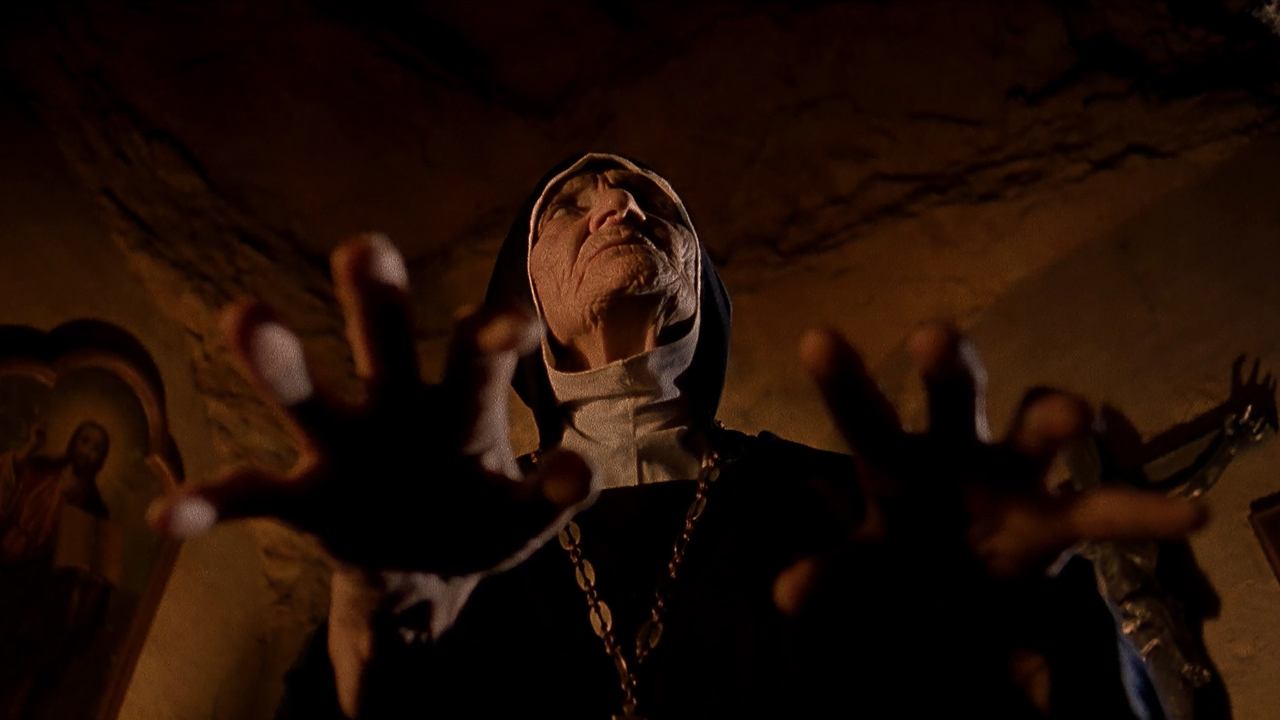
Descent into Decay
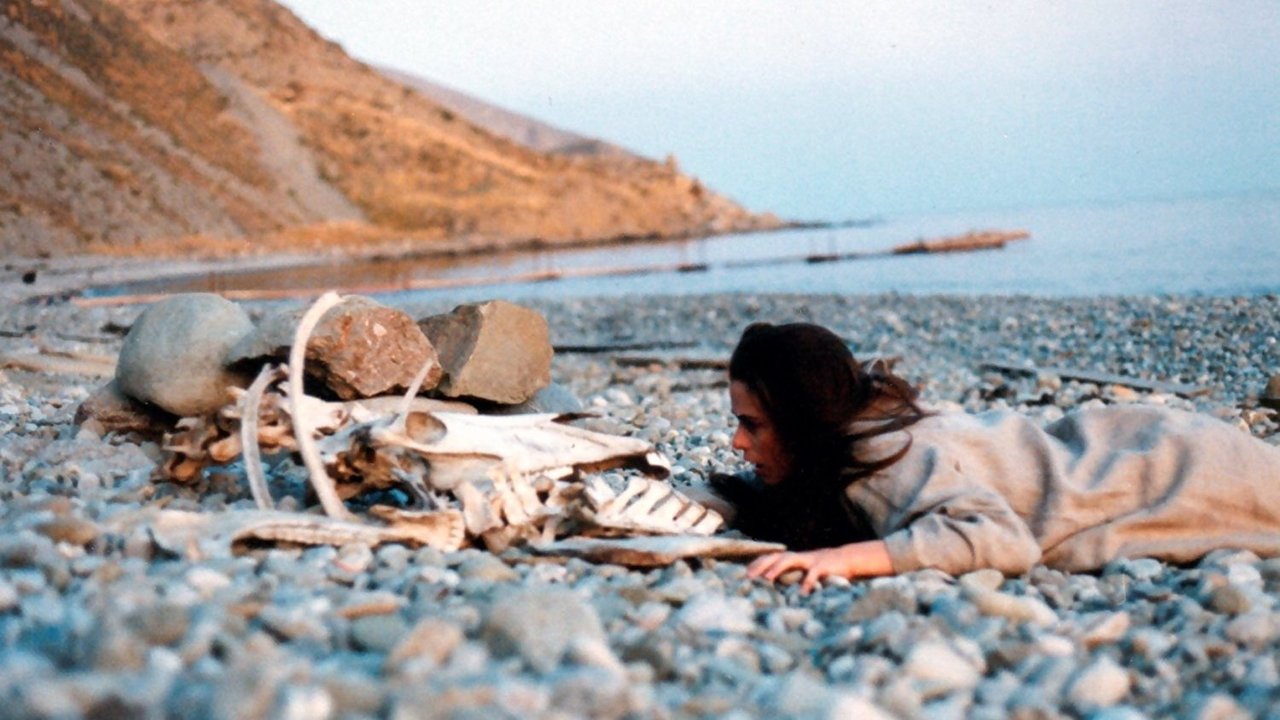
Elizabeth arrives seeking answers about mysterious payments her recently deceased father made to the island's isolated convent. What she finds is a crumbling bastion of archaic faith, populated by secretive, almost feral nuns, lorded over by an unnerving Mother Superior (Mariya Kapnist), and plagued by strange occurrences tied to the flooded catacombs beneath. The plot itself is relatively simple, almost a framework upon which director Mariano Baino hangs layer upon layer of palpable atmosphere. It’s less about intricate twists (though there are revelations) and more about the suffocating feeling of being trapped in a place where sanity is eroding like the ancient stone walls. The narrative deliberately keeps you disoriented, mirroring Elizabeth’s own confusion and fear as she navigates this labyrinth of morbid secrets and whispered blasphemies.
Echoes of the Italian Masters
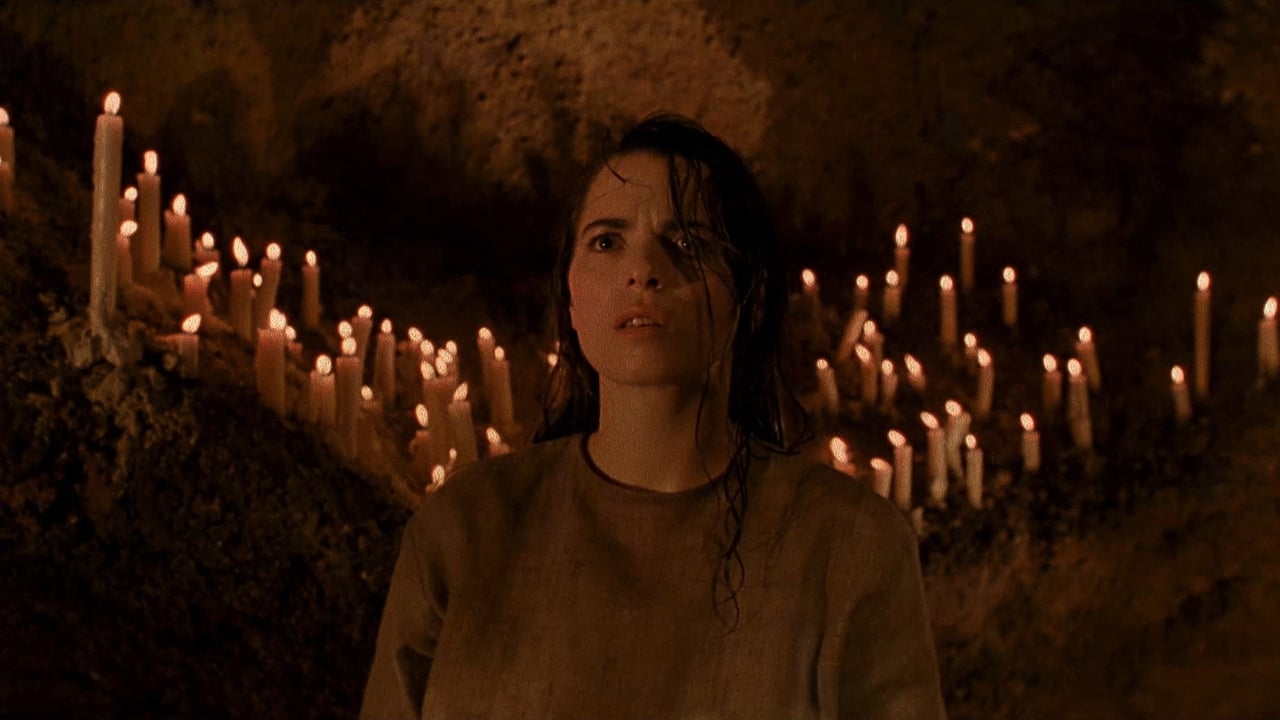
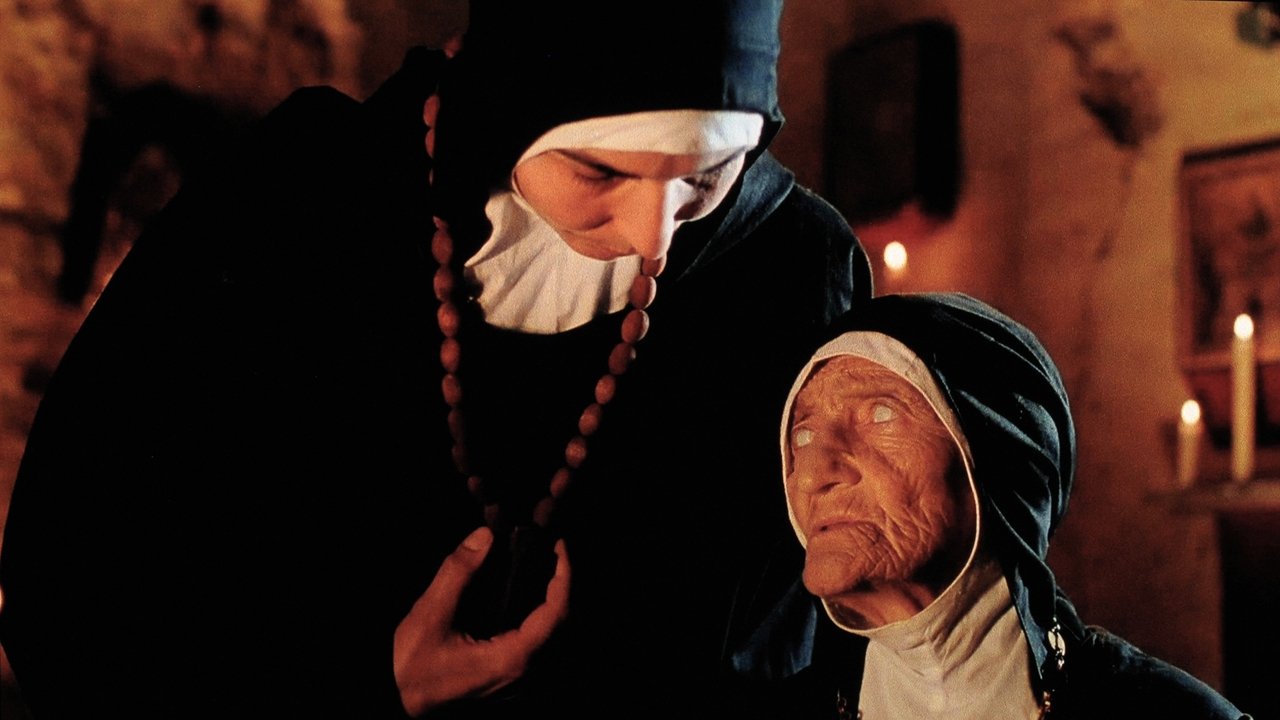
You can almost smell the damp stone and candle wax. Visually, Dark Waters is a stunning piece of work, especially considering its troubled production. Baino, clearly indebted to Italian horror maestros like Dario Argento and Lucio Fulci, crafts sequences dripping with gothic beauty and grotesque imagery. The play of light and shadow in the subterranean tunnels, the unsettling religious iconography twisted into something profane, the recurring motif of water as both life-giver and suffocating tomb – it all combines to create a uniquely nightmarish aesthetic. The practical creature effects, when they finally appear, possess a genuinely disturbing, organic quality that CGI rarely captures. Doesn't that slimy, Cthulhu-esque idol still feel unnervingly tangible? It’s a testament to visual storytelling over explicit gore, though the film doesn't shy away from disturbing implications.
Birth Pangs of a Cult Classic
The making of Dark Waters is almost as harrowing as the film itself. Shot primarily in Ukraine shortly after the collapse of the Soviet Union, the production faced immense challenges – power outages, decaying locations that were genuinely dangerous (those catacombs were real!), language barriers, and severe budget constraints. Reportedly, the crew sometimes had to forage for supplies. This difficult genesis, however, arguably bleeds onto the screen. The palpable sense of decay isn't just production design; it feels authentic, lived-in, contributing immeasurably to the film's unique texture. Mariano Baino envisioned this as the first part of a trilogy exploring ancient, dark gods, a Lovecraftian saga tragically cut short by the film's initial obscurity and lack of financial success (it barely made a ripple initially). It's a classic "what if?" scenario for cult film fans.
The Unholy Mother
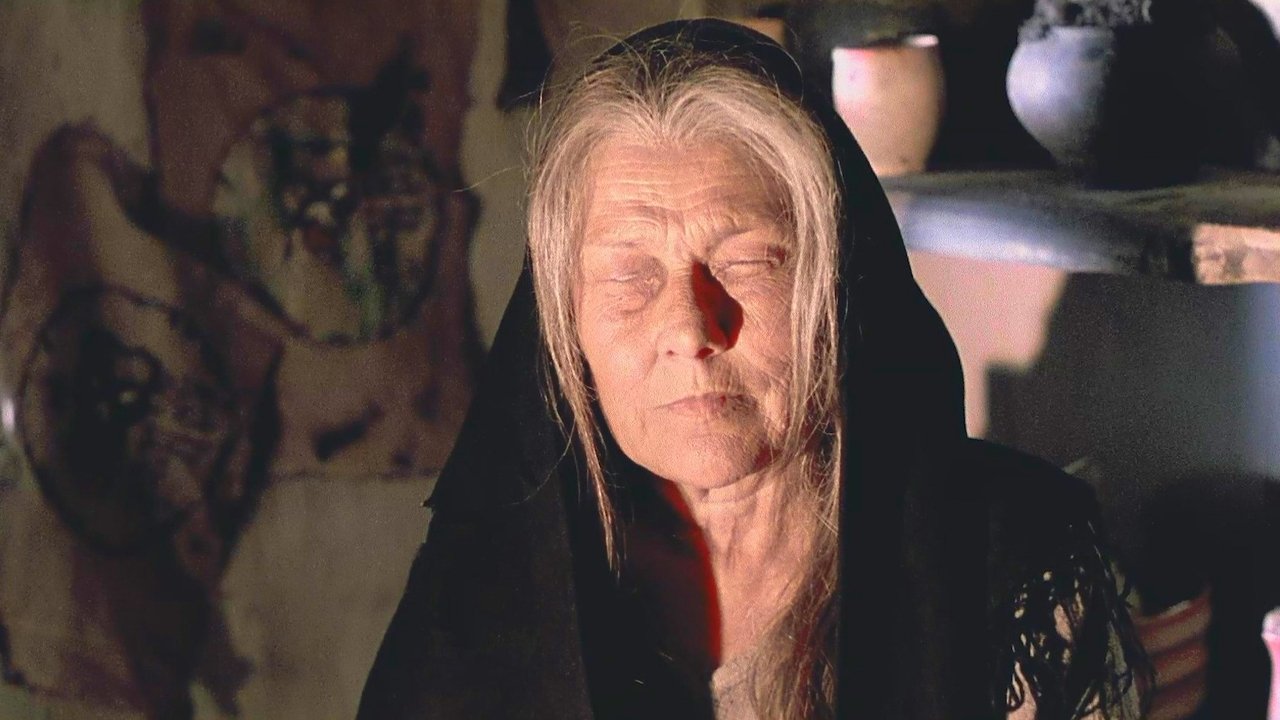
While Louise Salter provides a capable anchor as the increasingly desperate protagonist, the film is utterly stolen by Ukrainian actress Mariya Kapnist as the Mother Superior. With her piercing eyes, skeletal frame, and air of ancient, inscrutable authority, she is genuinely terrifying without resorting to histrionics. Kapnist, who had survived Stalinist gulags, brought an incredible, haunting presence to the role – a gravity that elevates the film significantly. Her performance feels less like acting and more like channeling something ancient and weary, yet utterly menacing. The supporting nuns, often communicating through unnerving clicks and whispers, add to the unsettling choir.
Enduring Unease
Dark Waters isn't perfect. The pacing can occasionally drag, and the narrative logic sometimes feels submerged beneath the overwhelming atmosphere. Some viewers might find the ambiguity frustrating. Yet, its power lies precisely in that atmosphere, its stunning visuals, and its commitment to a pervasive sense of otherworldly dread. It doesn’t rely on cheap tricks; it builds its horror slowly, methodically, through imagery, sound design, and the unsettling performances. It’s the kind of film that rewards patience, washing over you rather than jolting you. I remember renting this on a whim, drawn by the evocative box art, and being completely captivated by its strange, waterlogged world – a feeling that lingers even now.
Rating: 8/10
The score reflects the film's masterful creation of atmosphere, its stunning if low-budget visuals, and Mariya Kapnist's unforgettable performance. It's a near-masterpiece of mood and Lovecraftian dread, hampered slightly by pacing but ultimately triumphant in its unique vision. For fans of slow-burn, visually rich horror that prioritizes unease over shocks, this Dark Waters 1993 review should signal a must-watch. It remains a potent example of how creativity and vision can overcome immense production hurdles, leaving behind a chilling, water-stained mark on the landscape of 90s cult horror – a truly unsettling dip into forbidden depths.