Some art doesn't just move you; it consumes you. It swallows you whole, leaving you gasping in its wake, disoriented and raw. That terrifying, almost physical reaction to beauty is the chilling core of Dario Argento's 1996 plunge into psychological disintegration, The Stendhal Syndrome. Forget the comforting shadows of his earlier, more straightforward gialli; this is Argento dragging us into a different kind of darkness, one where the mind itself becomes the hunting ground, and the vibrant canvases of Florence bleed into nightmares. Watching this on a grainy VHS tape, perhaps rented from a store section slightly dustier than the new releases, felt like unearthing something genuinely transgressive.
Beauty Becomes Terror
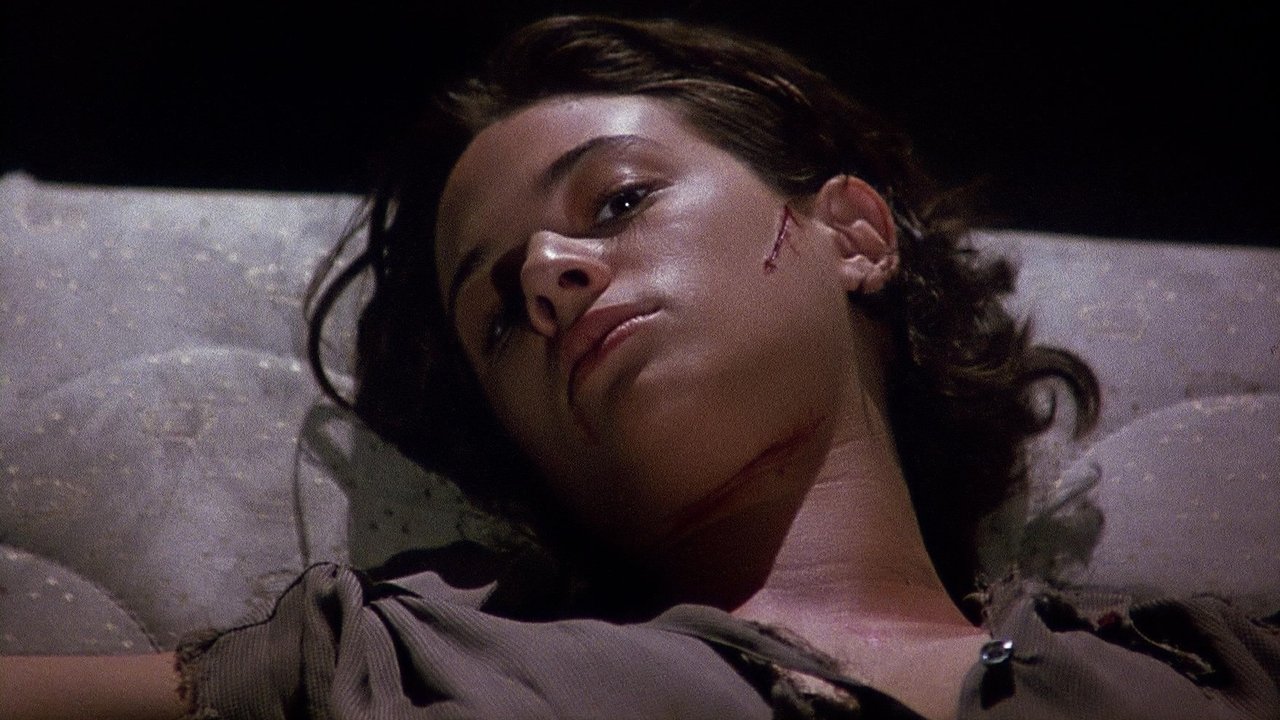
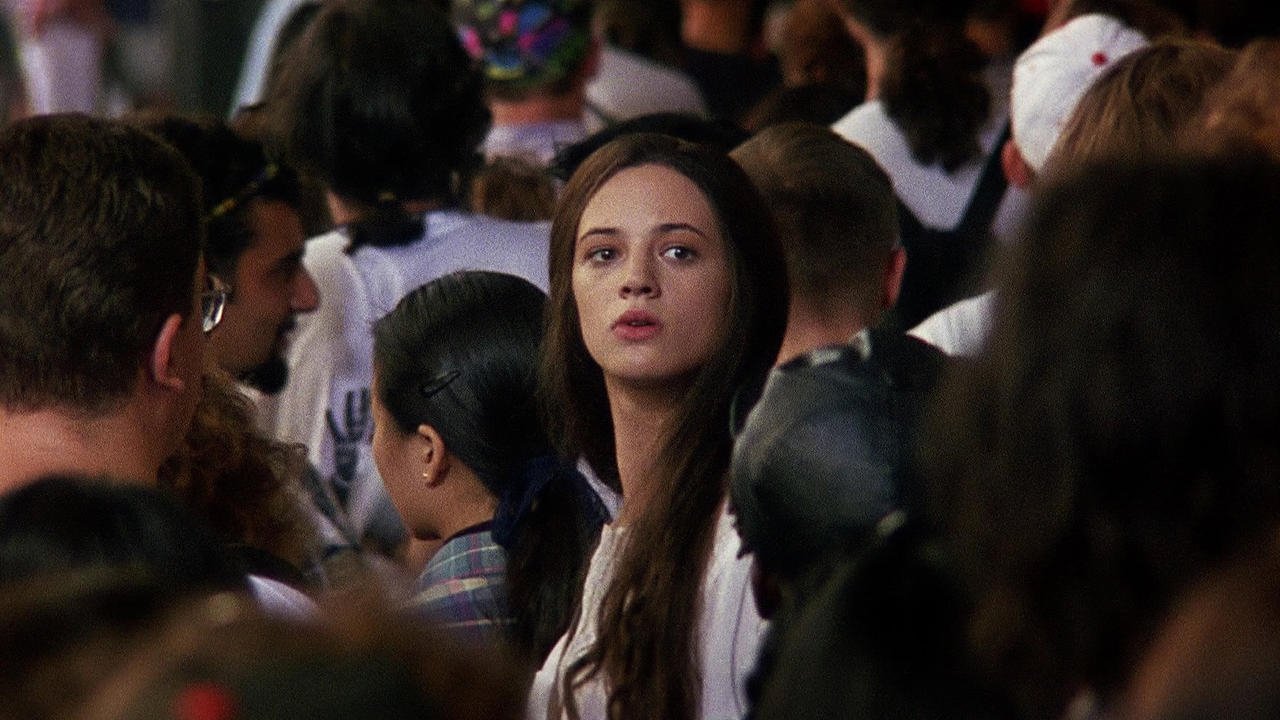
The premise, drawn from psychiatrist Graziella Magherini's 1989 book documenting the titular psychosomatic disorder, is immediately arresting. Detective Anna Manni (Asia Argento, the director's own daughter) travels to Florence hunting a sadistic serial rapist and killer. While visiting the famed Uffizi Gallery, surrounded by Renaissance masterpieces, she becomes overwhelmed, fainting before Botticelli's The Birth of Venus. This isn't just a swoon; it's a terrifying psychic break, the art literally seeming to come alive, pulling her in. It’s this vulnerability that marks her for the very predator she’s pursuing, the chilling Alfredo Grossi (Thomas Kretschmann). What follows is not just a procedural, but Anna's harrowing descent after a brutal assault, blurring the lines between victim and pursuer, reality and hallucination.
Argento, known for elaborate set pieces and stylized violence in classics like Deep Red (1975) and Suspiria (1977), doesn't abandon his visual flair here. However, the focus shifts inward. The baroque beauty of Florence becomes claustrophobic, its statues seeming to watch with cold indifference. The film famously secured permission to shoot within the actual Uffizi Gallery, a logistical feat that adds an unnerving layer of authenticity to Anna's initial breakdown. You feel the weight of centuries of art pressing down on her, mirroring the psychological pressure building within.
A Controversial Canvas
At the heart of the film's unsettling power is the performance by Asia Argento. Tasked by her father with portraying extreme trauma, including a graphic and prolonged rape sequence, her portrayal is raw, unvarnished, and deeply uncomfortable. The behind-the-scenes knowledge of their familial relationship adds a complex, sometimes queasy layer to watching these scenes unfold. Yet, there's no denying the commitment; she embodies Anna's fragmentation, the shifts from victimized fragility to something harder, more dangerous. Opposite her, Thomas Kretschmann, who would later gain wider recognition in films like The Pianist (2002), is terrifyingly magnetic as Grossi. He exudes a predatory intelligence masked by a veneer of normalcy, making his eventual capture feel less like a resolution and more like a horrifying transference.
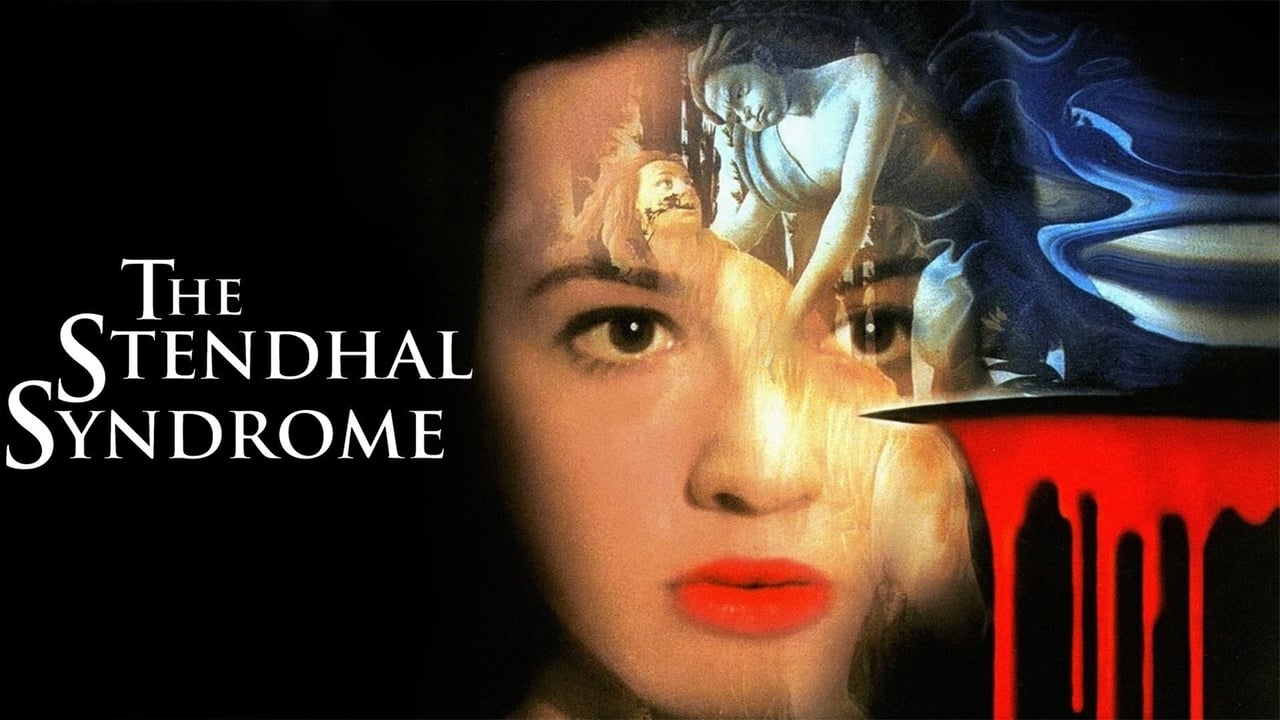
The Stendhal Syndrome also holds a curious place in technological history. It was reportedly the first Italian feature film to utilize significant CGI effects. Argento employs digital tools to visualize Anna's mental state – paintings that ripple and breathe, figures stepping out of canvases, even a surreal journey inside a fish. Most famously, there's the "bullet cam" effect during a climactic moment. Viewed today, these effects undeniably show their age, possessing that slightly artificial sheen common to mid-90s CGI. Yet, back then, glimpsed on a CRT screen via magnetic tape, they felt like glimpses into a fractured psyche, a visual language for the unthinkable. Argento, ever the stylist, integrates them alongside his signature practical gore, creating a jarring but strangely effective blend of the visceral and the virtual.

The Lingering Unease
The score by the legendary Ennio Morricone (a frequent Argento collaborator) departs from his more sweeping, romantic compositions. Here, it's often discordant, minimalist, emphasizing synthesized textures and unsettling motifs that mirror Anna's psychological unraveling. It burrows under your skin, refusing easy resolution, much like the film itself. The narrative takes turns that some found frustrating – the procedural elements become secondary to Anna's internal struggle, and the film delves into themes of identity transference and trauma response that defy neat categorization.
This wasn't necessarily the Argento fans of his 70s and 80s peak were expecting. It’s less a tightly plotted mystery and more a sustained mood piece exploring the shattering aftermath of violence. Its reception was predictably divided, and its graphic nature led to various cuts and censorship issues across different territories – a familiar battleground for Argento. I recall the specific weight of the oversized ex-rental clamshell case for this one, hinting at something more substantial, perhaps more disturbing, than the usual horror fare.
Final Judgment
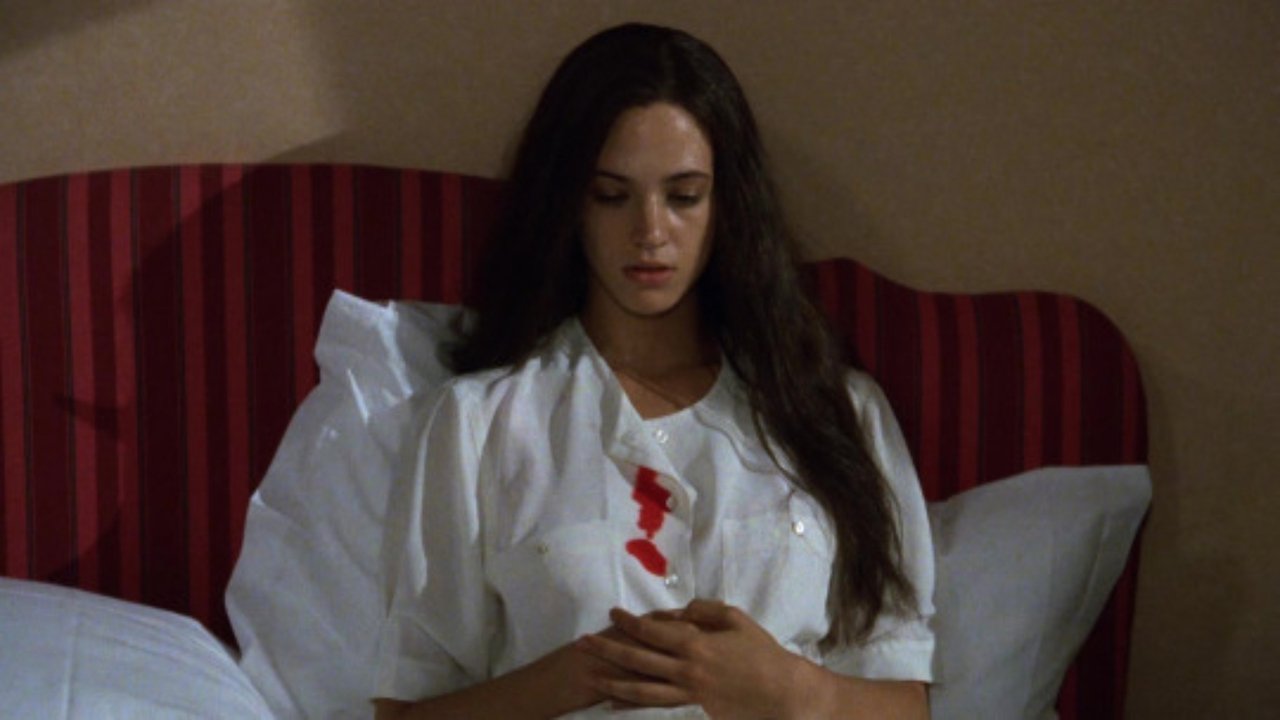
The Stendhal Syndrome is a challenging, often brutal watch. It’s an Argento film that feels less like a rollercoaster ride and more like being locked in an art gallery after closing, where the beauty warps into menace under the flickering emergency lights. The pioneering CGI might look dated, and the central father-daughter dynamic during intense scenes remains debated, but the film's exploration of trauma through a uniquely artistic lens is potent and disturbing. Asia Argento's fearless performance anchors the psychological horror, while Kretschmann provides a genuinely chilling antagonist. The atmosphere is thick with dread, amplified by Morricone's unnerving score and the unsettling juxtaposition of high art and base violence. It’s not Argento’s most beloved film, perhaps, but it’s arguably one of his most personal and psychologically complex works of the 90s, a film that truly attempts to visualize the shattering of a mind. Does that central premise – art inducing madness – still feel unnerving? Absolutely.
Rating: 7/10
Verdict: A flawed but fascinating and deeply unsettling piece of 90s psychological horror. Its willingness to confront trauma head-on, combined with Argento's signature style and pioneering (for Italy) effects work, makes The Stendhal Syndrome a significant, if difficult, entry in his filmography – a tape you might hesitate to rewind, but whose images linger long after the screen fades to static.