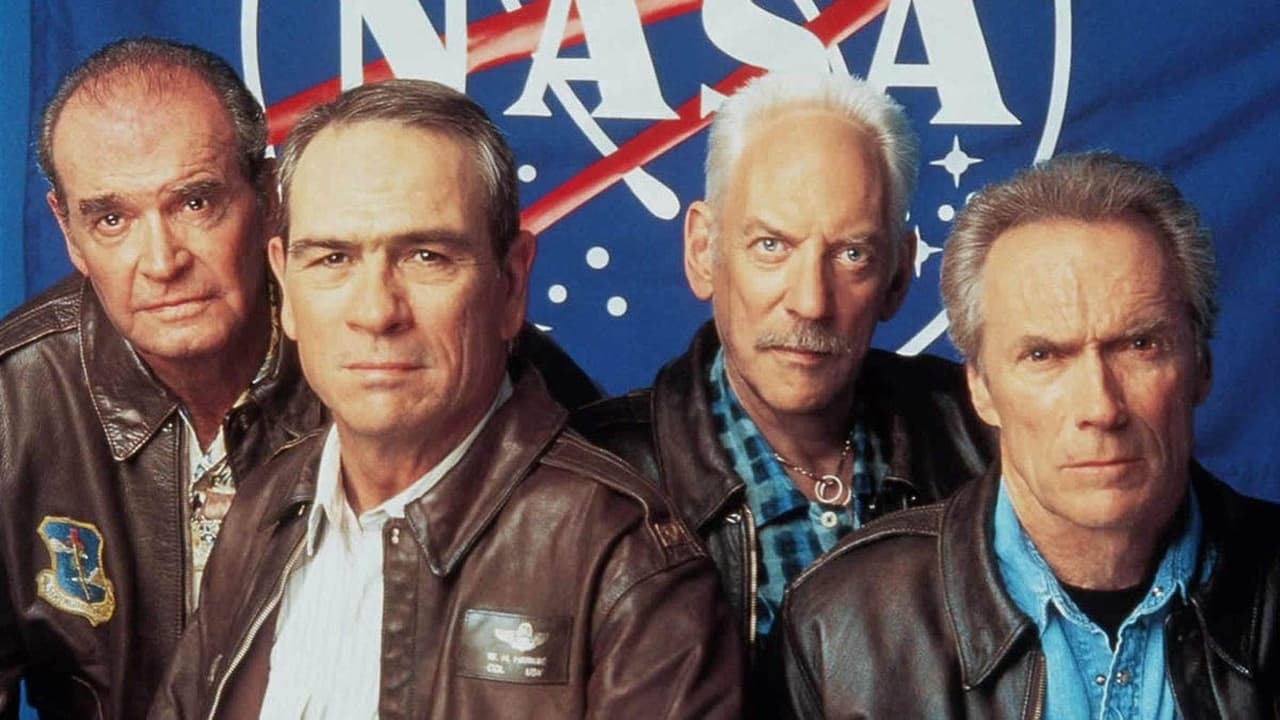
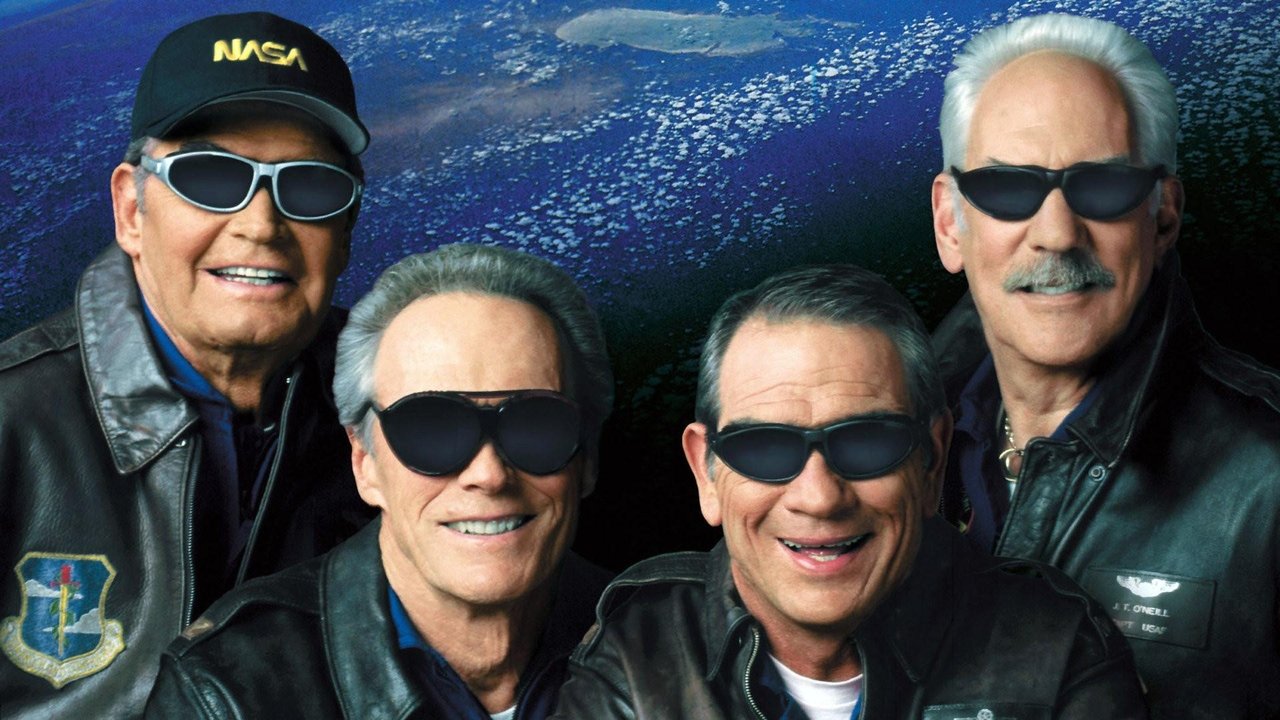
It starts not with a bang, but with a faded photograph, doesn't it? The image of Team Daedalus – young, cocky, cheated out of their shot at the stars back in '58. That sense of unfinished business, of potential thwarted by bureaucracy and perhaps a chimpanzee, hangs heavy in the air long before Clint Eastwood steps back into the frame as Frank Corvin. Space Cowboys arrived right at the turn of the millennium, technically just outside our usual 80s/90s VHS wheelhouse, but let's be honest: watching Eastwood, Tommy Lee Jones, Donald Sutherland, and the ever-welcome James Garner together feels like slipping on a favorite, well-worn flight jacket from a bygone era. It taps right into that wellspring of screen history these actors represent for many of us.
The Old Dogs Learn New Tricks (Sort Of)
The setup is pure wish-fulfillment, seasoned with a dash of Cold War paranoia. A massive, antiquated Soviet satellite, IKON, is decaying in orbit, threatening to crash. Its guidance system? Based on the very designs Frank Corvin created decades ago for Skylab. Suddenly, NASA needs the man they grounded, and Corvin, smelling leverage, insists his old team – Hawk Hawkins (Tommy Lee Jones), Jerry O'Neill (Donald Sutherland), and Tank Sullivan (James Garner) – are the only ones who can do the job. What follows is a delightful clash of generations: the aging flyboys versus the slick, by-the-book youngsters of modern NASA, represented ably by characters played by Marcia Gay Harden and William Devane.
It's a premise that could easily drift into parody, but Eastwood, directing with his typical unfussy efficiency, keeps it grounded in character. He knows the audience isn't just here for the space mission; we're here to see these guys banter, bicker, and ultimately prove they've still got the right stuff, even if their joints ache a little more. Remember seeing this one back in the day? Maybe on a hefty DVD instead of tape by 2000, but the thrill felt familiar – that old-school Hollywood star power lighting up a modern blockbuster framework.
A Constellation of Screen Legends
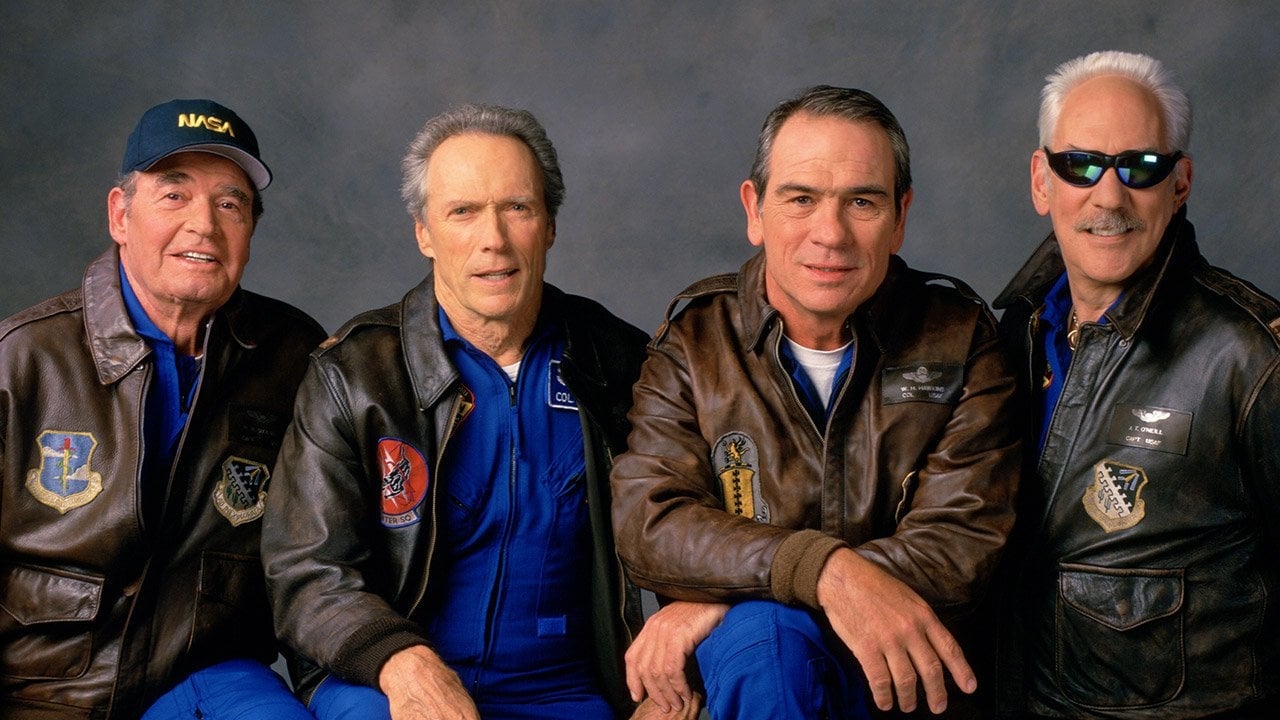
The heart of Space Cowboys beats within its ensemble cast. Eastwood is the stoic leader, the reluctant hero carrying the weight of past disappointments. Tommy Lee Jones, fresh off hits like Men in Black (1997), brings his signature gruff charm tinged with a daredevil's regret as Hawk, the hotshot pilot still chasing thrills (and women). Donald Sutherland is an absolute joy as Jerry, the aging Casanova and roller-coaster designer whose eyesight might be failing but whose wit remains razor-sharp. And James Garner, bringing decades of effortless likeability from shows like The Rockford Files and films like The Great Escape (1963), grounds the group as Tank, the ordained minister providing quiet wisdom and stability.
Their chemistry feels utterly authentic, born perhaps from shared decades navigating the peculiar landscape of Hollywood. You believe these men have a history, shared triumphs, and lingering tensions. There's a lovely anecdote that the four main actors, all licensed pilots themselves (except Sutherland, though he played one here!), bonded quickly, their camaraderie translating directly onto the screen. Eastwood famously dislikes excessive rehearsals, preferring to capture spontaneity, and it pays off beautifully in their interactions. You can almost feel the shared smiles behind the scripted lines. It wasn't just acting; it felt like watching legends hang out.
Grounded Sci-Fi and Geriatric Training Montages
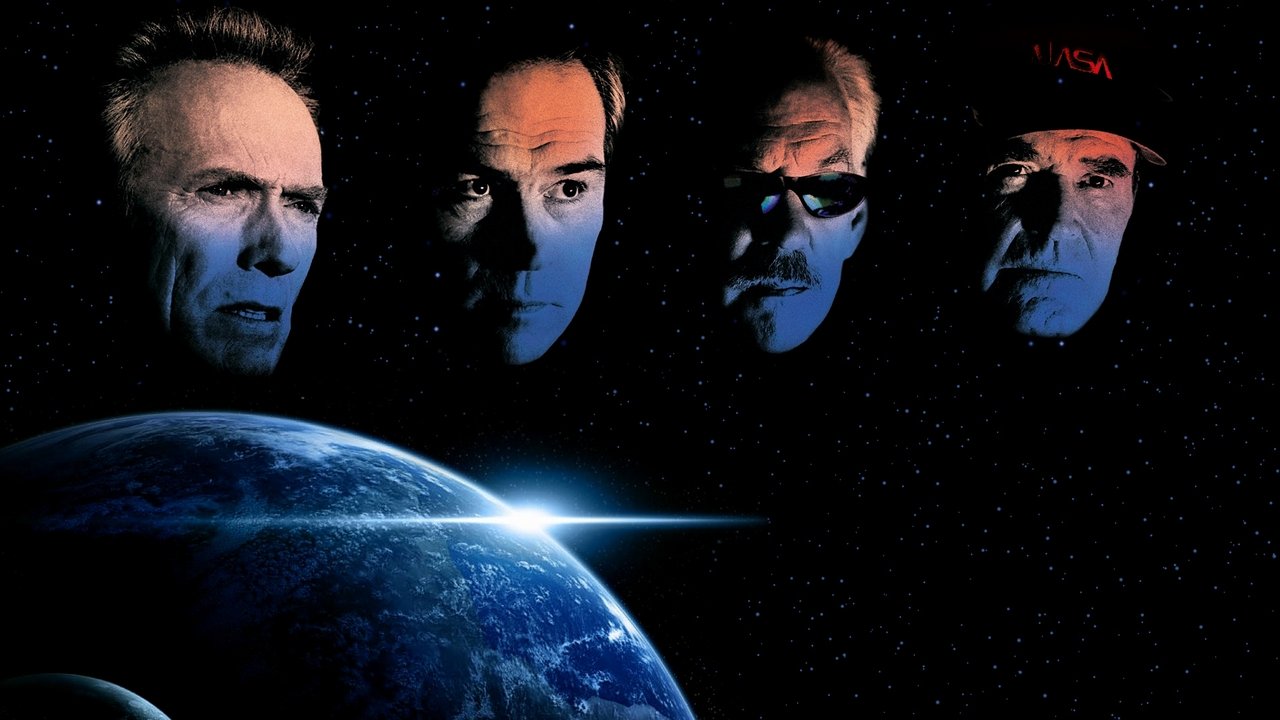
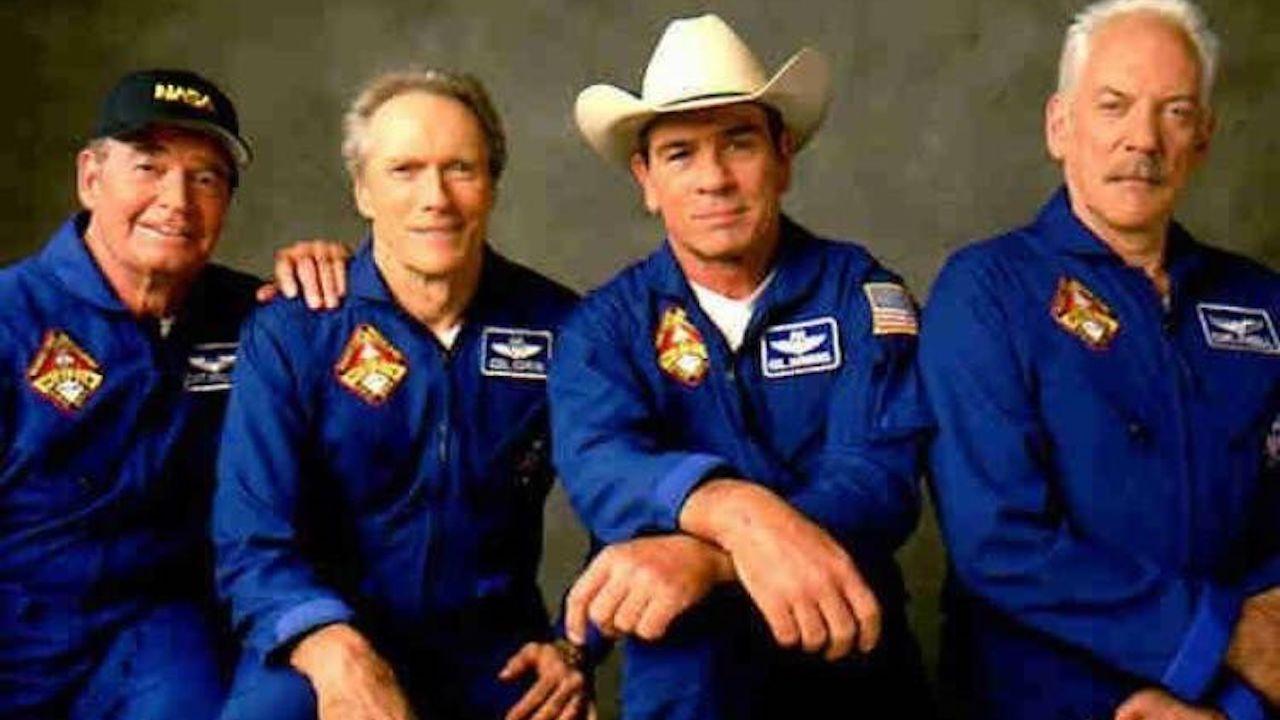
While the film certainly delivers on the space mission spectacle in its final act – complete with dodgy satellite repairs and unexpected nuclear payloads – much of the enjoyment comes from the earthbound sequences. The training montages, usually reserved for fresh-faced recruits, take on a humorous, poignant quality here. Seeing these icons subjected to G-force tests and medical exams provides plenty of laughs, but also underscores the film’s themes of aging, relevance, and the refusal to be put out to pasture. Isn't there something deeply resonant about watching characters grapple with the physical limitations of age while their spirit remains undimmed?
Eastwood’s direction is classical and assured. He doesn't rush, allowing moments of character interaction to breathe. The special effects, blending practical work with CGI that was cutting-edge for 2000 (remember how impressive those shuttle launches looked?), serve the story rather than overwhelming it. A surprising amount of the zero-gravity wirework, especially within the shuttle mock-ups, was reportedly performed by the actors themselves, adding a layer of physical commitment that belies their age. Filming extensively at actual NASA locations like the Johnson Space Center in Houston and Kennedy Space Center in Florida lent the proceedings an air of authenticity, even amidst the more fantastical plot elements. This wasn't just a soundstage approximation; it felt like they were really there, bridging the gap between Hollywood fantasy and aerospace reality. The reported $65 million budget, translating to a solid $130 million worldwide gross, showed audiences were eager for this kind of mature, character-driven adventure.
Legacy in the Stars
Space Cowboys isn't a complex film, perhaps. Its plot beats are familiar, the villains somewhat thinly sketched. But its enduring appeal lies in its warmth, its humor, and the undeniable pleasure of seeing these veteran actors command the screen one more time in a major production. It’s a film about second chances, about proving that experience counts, and about fulfilling dreams, no matter how late in the game. It reminds us that heroes don't necessarily have an expiration date. I remember renting this – okay, probably buying the DVD shortly after release – and just feeling good afterwards. It was comforting, exciting, and genuinely moving in its final moments.
Rating: 8/10
This score reflects the sheer joy of the ensemble cast, Eastwood's solid direction, and the film's successful blend of humor, heart, and gentle adventure. It might lack the gritty realism or deep thematic complexity of some sci-fi, but it excels as pure, crowd-pleasing entertainment elevated by legendary talent. It earns its stripes through charm and charisma, hitting that sweet spot between nostalgia and spectacle.
What lingers most after the credits roll isn't just the image of a satellite drifting away, but the satisfying feeling of watching old pros show everyone how it's done, reminding us that sometimes, the greatest adventures are saved for the final act.