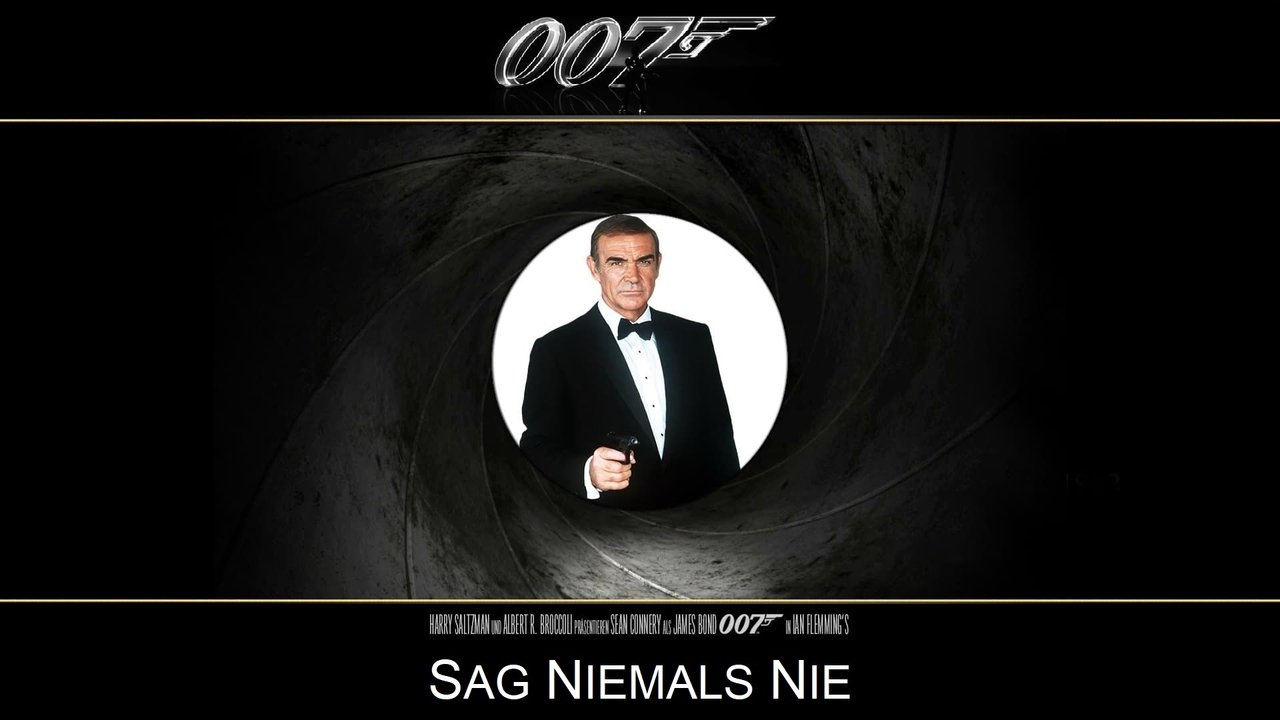
Okay, fellow tape-heads, let's rewind to 1983. It was a strange and glorious year for James Bond fans, a veritable cinematic showdown. In one corner, the official Eon Productions entry, Octopussy, with Roger Moore sipping his martini. And in the other... this curiosity. This anomaly. This film born from decades of legal wrangling, the one that saw the return of the original, the iconic Sean Connery, back in the tuxedo after twelve years, proclaiming Never Say Never Again. Finding this tape on the rental shelf felt like uncovering some kind of forbidden text, a parallel universe Bond adventure that wasn't supposed to exist.
The Man Who Came Back
The whole reason this film even got made is a fascinating Hollywood story tangled up in rights issues dating back to Ian Fleming's original Thunderball novel and producer Kevin McClory's long-held ambition to make his own Bond film. And who else could possibly headline it but Connery himself? Lured back by a hefty paycheck (reportedly $5 million plus percentages – serious cash in '83!) and perhaps the chance to stick it to the producers he'd famously feuded with, Sean Connery slips back into the role like a well-worn leather jacket. He’s older, yes, the lines are deeper, the stride perhaps a little less nimble, but the charisma? Oh, it’s still there, crackling off the screen. The film cleverly leans into his age – Bond is first seen failing a training exercise, deemed unfit for duty, and packed off to a health spa (leading to one of the film's most memorable, and brutal, early fights). Connery brings a weary authority, a hint of "I'm too old for this..." mixed with undeniable magnetism. The film's title itself supposedly came from Connery's wife, Micheline, who, after he swore "never again" following Diamonds Are Forever (1971), teased him with the phrase when he took this role.
A Different Shade of Bond
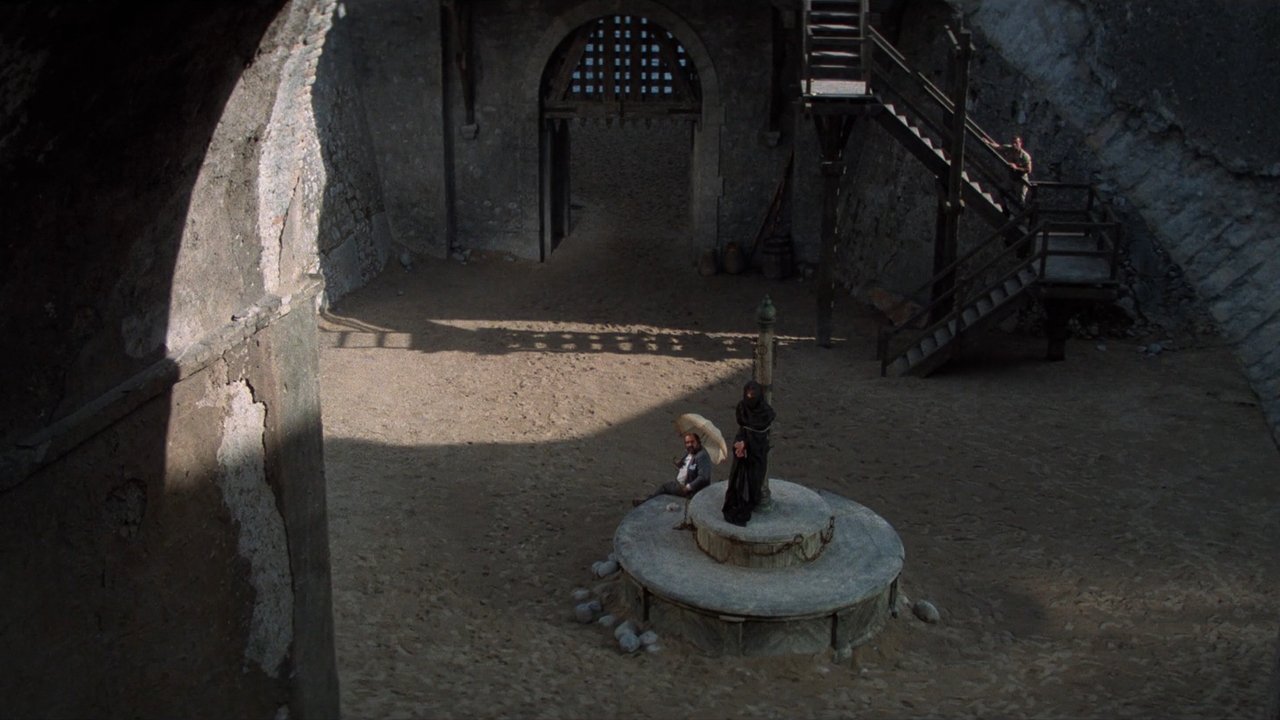
Helming this rogue mission was Irvin Kershner, a director riding high after delivering the near-perfect The Empire Strikes Back (1980). You might expect flashy sci-fi sensibilities, but Kershner brings a more grounded, almost gritty feel compared to the increasingly fantastical Moore entries of the era. The pacing can feel a little more deliberate, sometimes even leisurely, especially in the first half. It lacks the signature John Barry score, instead featuring a jazz-infused, occasionally quirky soundtrack by Michel Legrand that firmly marks it as different. It doesn’t always hit the mark, but it contributes to Never Say Never Again's unique identity. This wasn't trying to be just another Eon Bond; it felt like its own beast, filmed on location in the sun-drenched French Riviera and Nassau, giving it that classic, luxurious Bond travelogue feel.
A Villain Who Steals the Show (and a Star is Born)
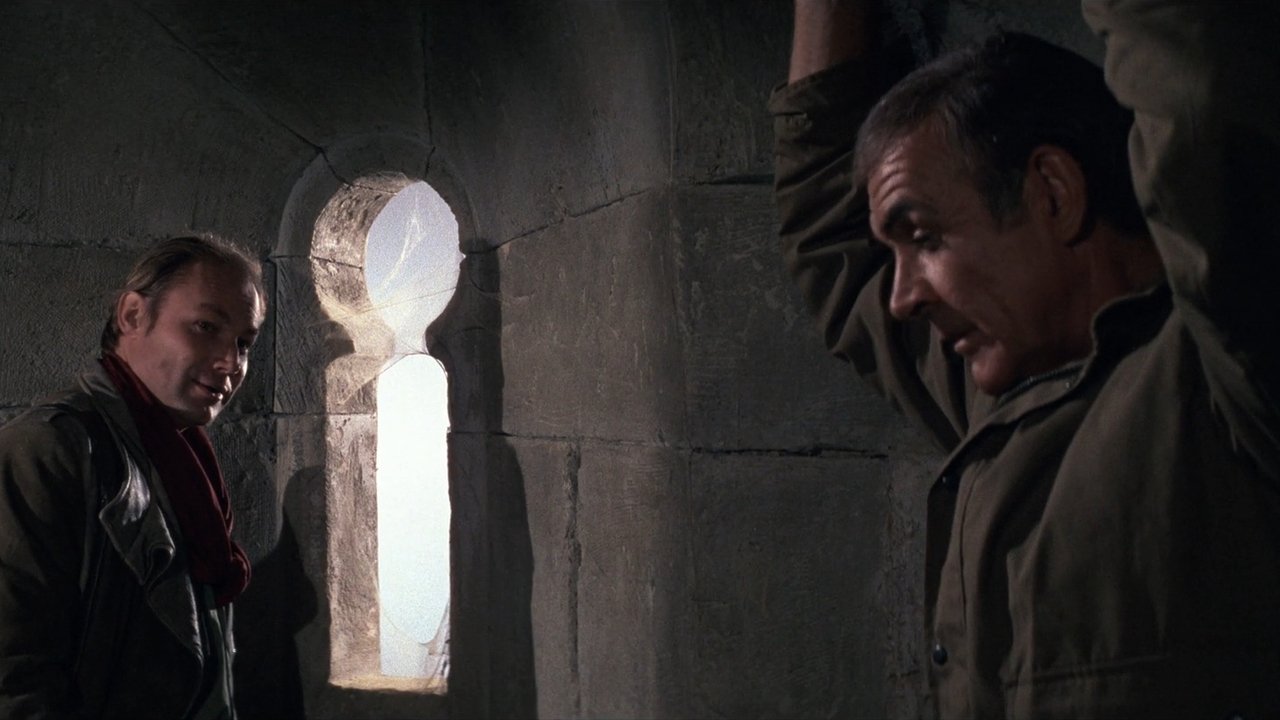
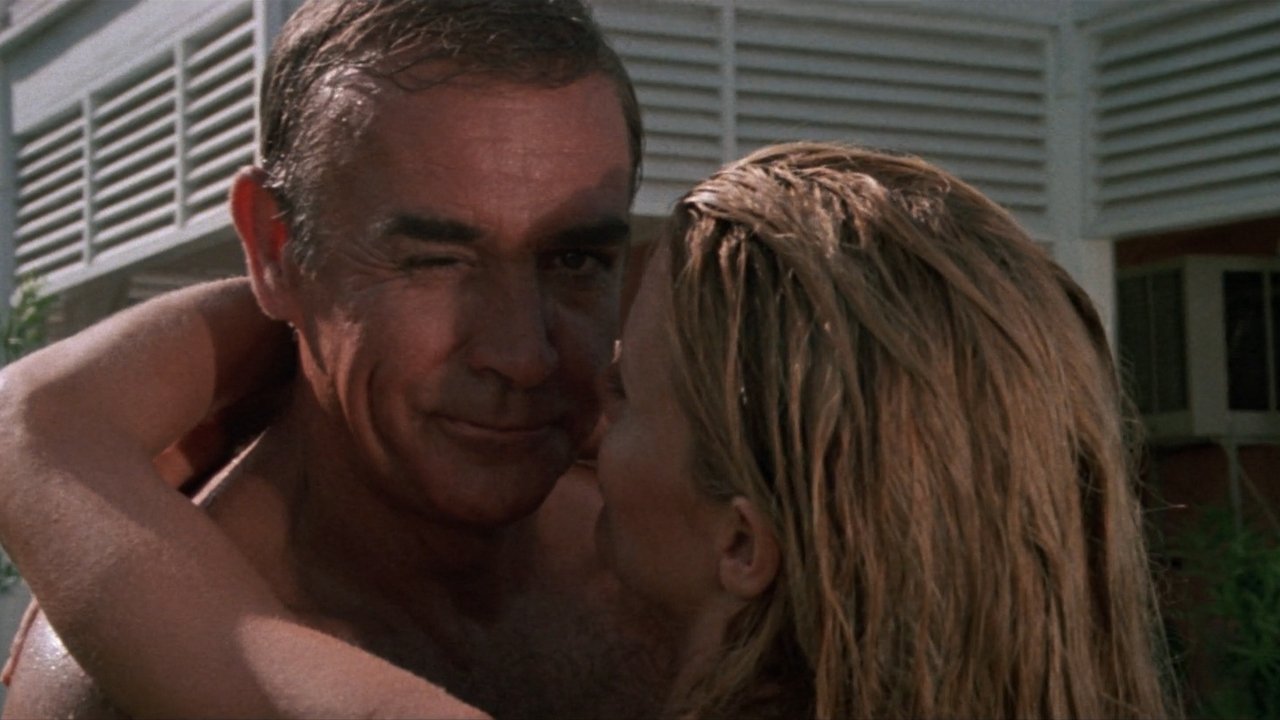
While Connery is the main draw, the film boasts a truly captivating villain in Maximilian Largo, played by the brilliant Austrian actor Klaus Maria Brandauer. Fresh off his Oscar-nominated turn in Mephisto (1981), Brandauer crafts a Largo who is less physically imposing monolith and more neurotically charming, dangerously unpredictable psychopath. His interactions with Bond are electric, full of subtle menace and psychological gamesmanship. He's arguably one of the best Bond villains, period, even if he exists outside the official canon. And let's not forget the Bond women: Barbara Carrera absolutely devours the scenery as the venomous SPECTRE assassin Fatima Blush, delivering one of the most enjoyably over-the-top performances in the franchise. And in her first major role, a young Kim Basinger shines as Domino Petachi, bringing vulnerability and strength to a character that could have been mere window dressing. This film was a significant launchpad for her stellar career.

Action That Felt Real (Because It Was)
Okay, let's talk about why this tape got worn out in so many VCRs: the action. Kershner, working with a reported budget of around $36 million, favoured practical stunts and effects that felt visceral, especially watching on a fuzzy CRT screen late at night. Remember that insane motorcycle chase where Bond pursues Fatima Blush on a gadget-laden Yamaha? Real bikes, real speed, real explosions – it felt dangerous! Legend has it Sean Connery even broke his wrist during training for the film, reportedly thanks to an over-enthusiastic Aikido instructor who would later find fame himself – none other than Steven Seagal. Whether fact or set legend, it speaks to the physicality involved. The underwater sequences, a hallmark of the Thunderball story, are impressive too, capturing the claustrophobia and chaos of sub-aquatic combat using real divers and large-scale miniature work. Compared to the slick, sometimes almost cartoonish action of its contemporary Octopussy, Never Say Never Again's set pieces often felt grittier, more impactful. The bullet hits looked painful, the fights felt exhausting. It lacked the polish, maybe, but it had a raw energy that was pure 80s action cinema.
The Battle of the Bonds and Beyond
Released in the same year as Octopussy, the press inevitably dubbed it the "Battle of the Bonds." While Octopussy ultimately edged it out at the box office ($187.5 million worldwide vs. NSNA's respectable $160 million), Never Say Never Again proved Connery still had immense drawing power and carved out its own unique niche. Critics were divided, some praising Connery and Brandauer, others finding the plot recycled and the pacing uneven. Audiences, though? Many were just thrilled to see Connery back. It remains a fascinating "what if" in the Bond saga, a successful rogue operation that gave us one last (official-unofficial) adventure with the original 007.
---
VHS Heaven Rating: 7/10
Justification: While sometimes hampered by slightly uneven pacing and a score that divides opinion, Never Say Never Again earns its points for the magnetic return of Sean Connery, Klaus Maria Brandauer's exceptional villain, Kim Basinger's star-making turn, and its commitment to grounded, practical action sequences that felt thrillingly real in the VHS era. Its unique production history adds a layer of intrigue that makes it a must-watch for Bond aficionados and 80s action fans.
Final Thought: It might be the rogue agent of the Bond family, but popping this tape in feels like welcoming back an old, slightly dangerous friend – a reminder of a time when movie rivalries played out on the big screen and practical stunts felt like genuine magic.