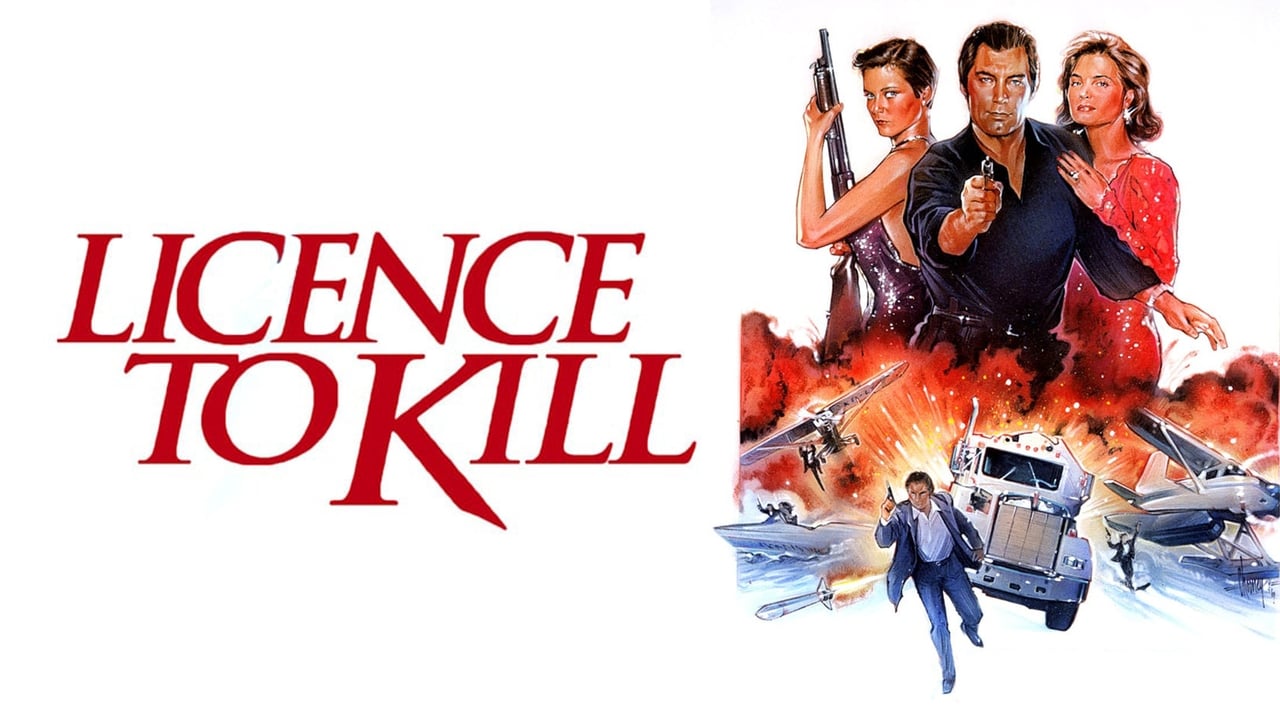
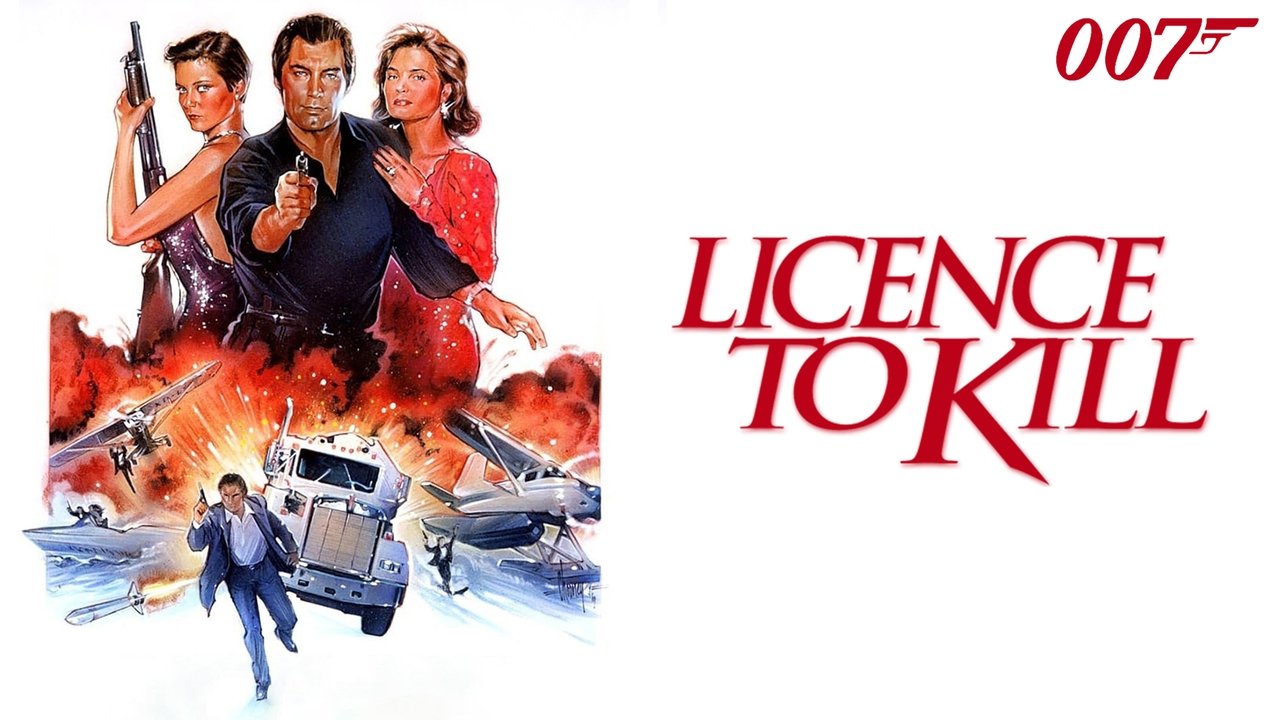
Alright, let’s rewind the tape. Picture this: it’s late 1989, maybe early 1990. You’re browsing the towering shelves of your local video store, the smell of plastic cases and slightly dusty carpet in the air. You spot it – the familiar silhouette of Bond, but something feels… different. The title: Licence to Kill. Not revoked, as originally planned (test audiences apparently thought it was about driving!), but Kill. That one word promised something harder, and boy, did this movie deliver. This wasn't your dad's martini-sipping spy; this was Bond fueled by pure, uncut vengeance.
### Not Stirred, But Seriously Shaken
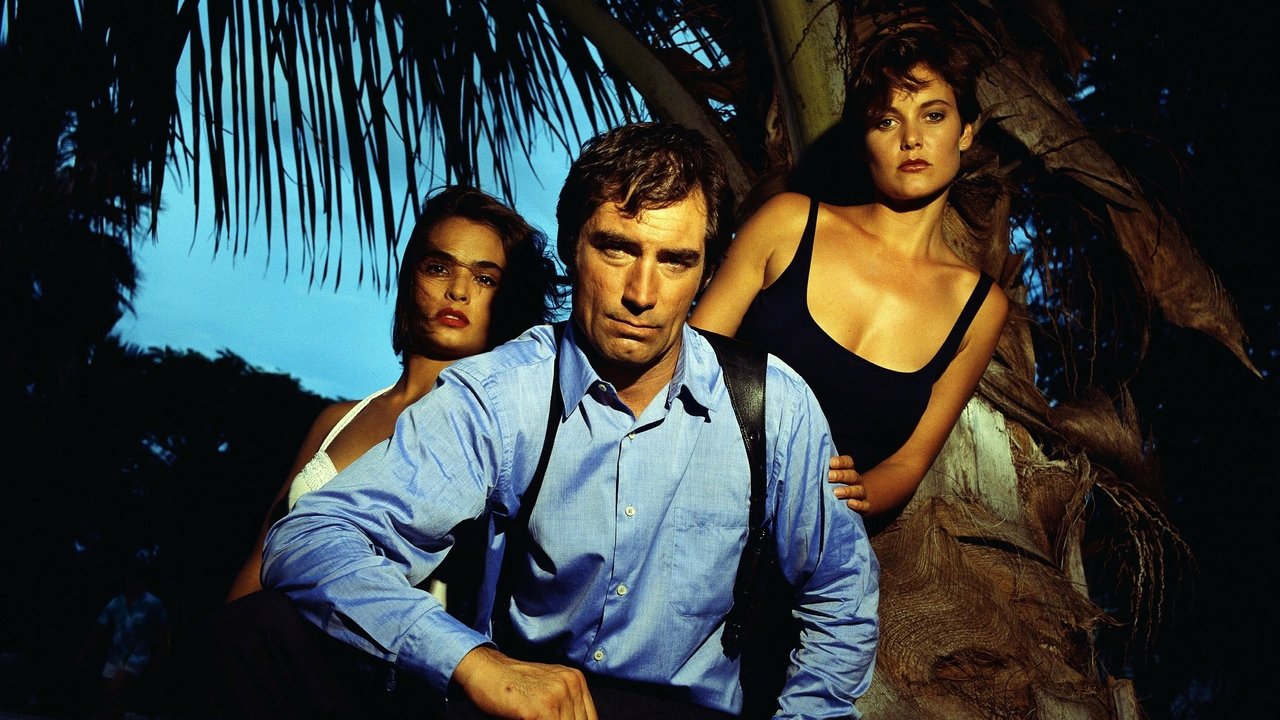
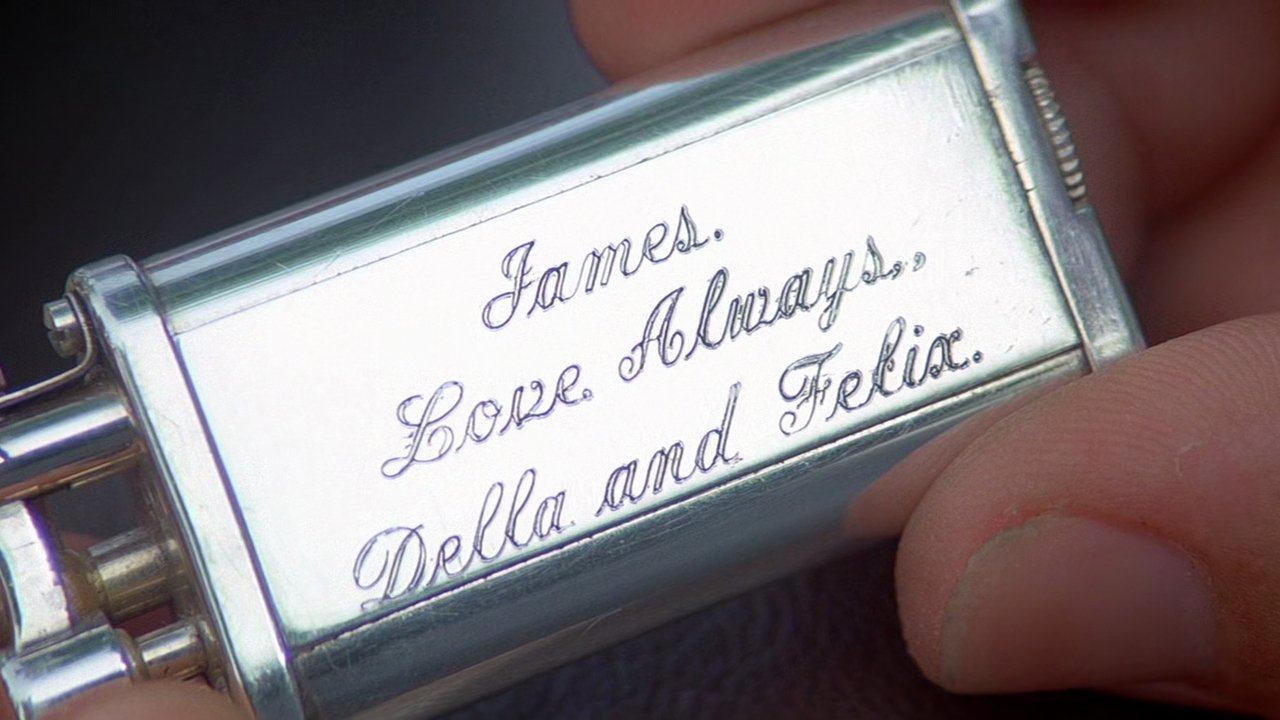
Forget the globe-trotting espionage centered on stolen nukes or space lasers for a moment. Licence to Kill rips the Savile Row suit off 007 and throws him into the sweaty, brutal world of late-80s drug cartels. When his CIA buddy Felix Leiter (a returning David Hedison, making him the first actor to play Felix twice!) is horrifically maimed and his wife murdered on their wedding day by the chillingly pragmatic drug lord Franz Sanchez (Robert Davi), Bond snaps. M revokes his licence to kill, but Bond basically tells MI6 where to stick it and goes rogue. This wasn't just business; this time, it was deeply personal.
Timothy Dalton, in his second and sadly final outing as Bond, absolutely leans into this darker territory. His portrayal here feels less like the suave charmer and more like a coiled viper, intense and driven by a cold fury that felt leagues away from Roger Moore's raised eyebrow. Some found it too grim back then, a departure too far from the established formula, but watching it now, Dalton’s performance feels remarkably ahead of its time, pre-dating the grittier, more grounded spies that would follow.
### Sun, Drugs, and Serious Stunt Work
Director John Glen, a Bond veteran who helmed every 007 adventure from For Your Eyes Only (1981) through this one, knew how to stage action. But here, freed somewhat from the usual Bond tropes (though Q, played by the wonderful Desmond Llewelyn, still pops up), the action feels distinctly more dangerous, more American action movie influenced. Think Lethal Weapon meets Bond, which makes sense given the score was by Michael Kamen, the maestro behind the music for both Lethal Weapon (1987) and Die Hard (1988). His work here replaces the usual John Barry sweep with something edgier, perfectly matching the visuals.
And those visuals! The film trades glamorous European locales for the humid, often harsh landscapes of Florida and Mexico (standing in for the fictional Isthmus City). It gives the film a sticky, grounded feel. But let's talk about the real star: the practical effects and stunt work. Remember how real those bullet hits looked back then? The squibs felt punchier, the explosions had genuine heat you could almost feel through the screen.
The bar fight feels messy and real. The underwater escape sequence has a tangible sense of peril. But the crown jewel? That absolutely insane tanker truck chase climax. Forget CGI weightlessness; these were real trucks, driven by legendary stunt coordinator Rémy Julienne’s team, barreling down winding Mexican roads. That moment where Bond, clinging to the side, steers a tanker up onto its side wheels to dodge a Stinger missile? That was real. No digital trickery, just incredible driving skill and nerves of steel. Apparently, filming that sequence was a nightmare due to the heat and treacherous roads, but the result is one of the most spectacular, white-knuckle practical stunt sequences ever put in a Bond film. It feels raw and dangerous in a way few modern, smoothed-over action scenes can replicate.
### A Villain You Can Believe (And Fear)
Part of what makes Licence to Kill work so well, even with its tonal shift, is its villain. Robert Davi’s Franz Sanchez isn't a cackling maniac bent on world domination. He's a terrifyingly plausible drug kingpin – charismatic, intelligent, fiercely loyal to his friends, and utterly ruthless to his enemies. He feels like a genuine threat, grounded in the anxieties of the era about the escalating drug war. Davi brings a quiet menace that’s far more unsettling than any laser beam from space. And let’s not forget a chillingly young Benicio del Toro as Sanchez's sadistic henchman, Dario – memorable even in a smaller role. The Bond women, CIA informant Pam Bouvier (Carey Lowell) and Sanchez's conflicted girlfriend Lupe Lamora (Talisa Soto), are also tougher and more complex than many of their predecessors, fitting the film's less glamorous, more dangerous world.
### A Rogue Agent's Legacy
Upon release, Licence to Kill was controversial. Its violence pushed boundaries, leading to cuts for a PG-13 rating in the US (the pressure chamber scene and Krest's demise, anyone?) and contributing to it being the first Bond film to receive a 15 certificate in the UK. It also underperformed at the US box office compared to previous entries (though it did better internationally), hampered perhaps by its darker tone and increased competition from summer blockbusters like Batman (1989) and Indiana Jones and the Last Crusade (1989). Combined with ongoing legal disputes between EON Productions and MGM/UA, this contributed to a six-year hiatus before Bond returned with GoldenEye (1995) and a new face.
Looking back, though, Licence to Kill feels like a fascinating, bold experiment. It dared to strip Bond down, make him vulnerable, and pit him against a grounded threat with intensely personal stakes. It might not have the iconic flair of some entries, but its commitment to brutal, practical action and Dalton's fierce performance make it a standout. I distinctly remember renting this tape, maybe on a rainy Saturday afternoon, and being genuinely shocked by its intensity compared to the Moore films I grew up with. It felt different, dangerous, and undeniably thrilling on that flickering CRT screen.
VHS Heaven Rating: 8/10
Justification: While divisive for its departure from formula and sometimes overly grim tone, Licence to Kill boasts some of the most visceral, well-executed practical action sequences of the entire Bond series. Dalton's intense performance, Davi's chilling villain, and that jaw-dropping tanker chase earn it major points. It stumbled at the box office and divided fans initially, but its reputation as a gritty, hard-edged outlier has rightly grown over time.
Final Thought: Forget shaken or stirred; Licence to Kill was Bond served straight up, neat, with a side of pure, unadulterated 80s action grit – a potent cocktail best appreciated on a format as raw and real as its stunts.