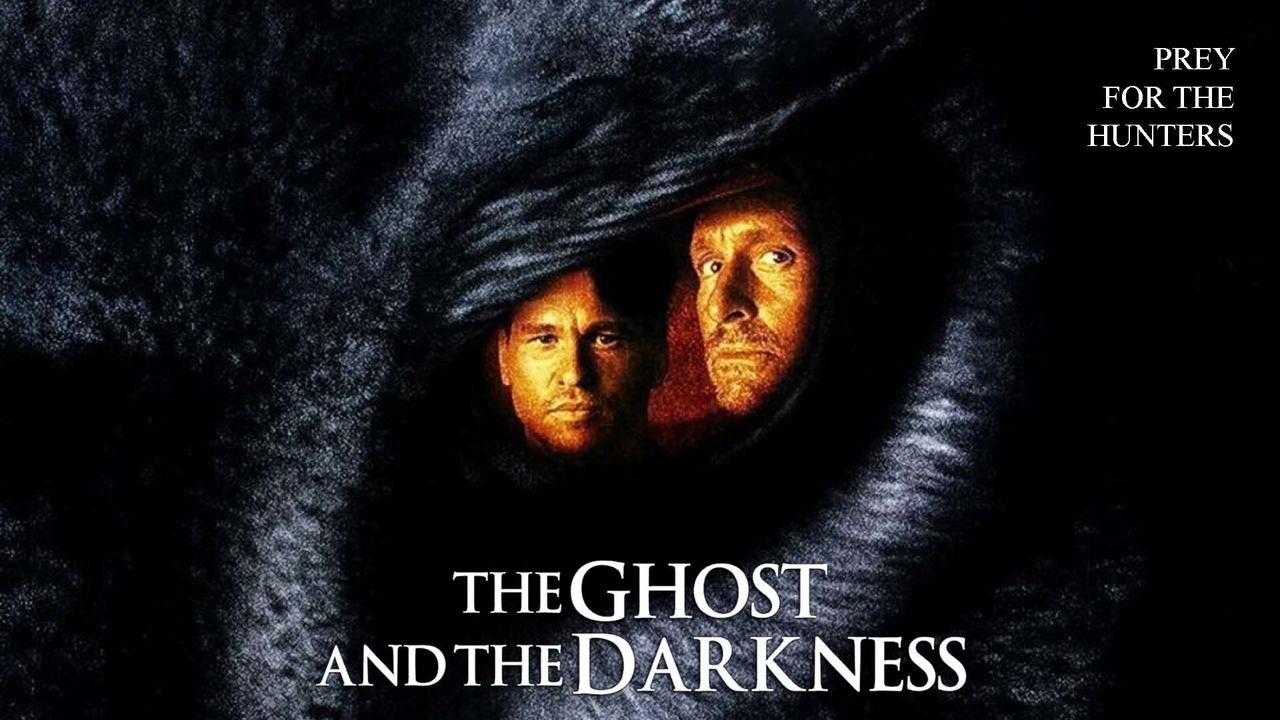
It begins with a bridge, a symbol of progress cutting through the untamed heart of 1898 East Africa. But The Ghost and the Darkness (1996) quickly reminds us that some forces defy taming, that progress can awaken something ancient and terrifyingly real. Watching it again now, decades after first sliding that well-worn VHS tape into the machine, the film resonates not just as a thrilling adventure, but as a stark confrontation with primal fear and the unsettling idea that nature itself can possess a malevolent intelligence.
Empire Building, Monster Hunting
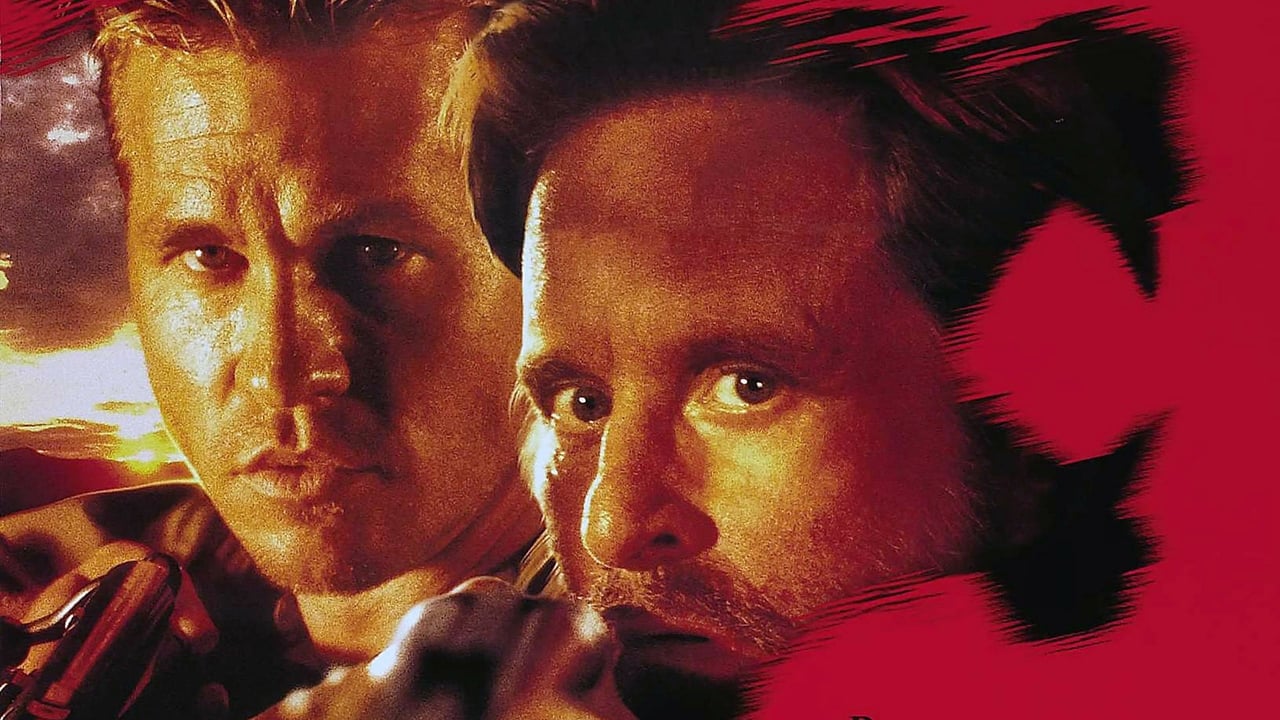
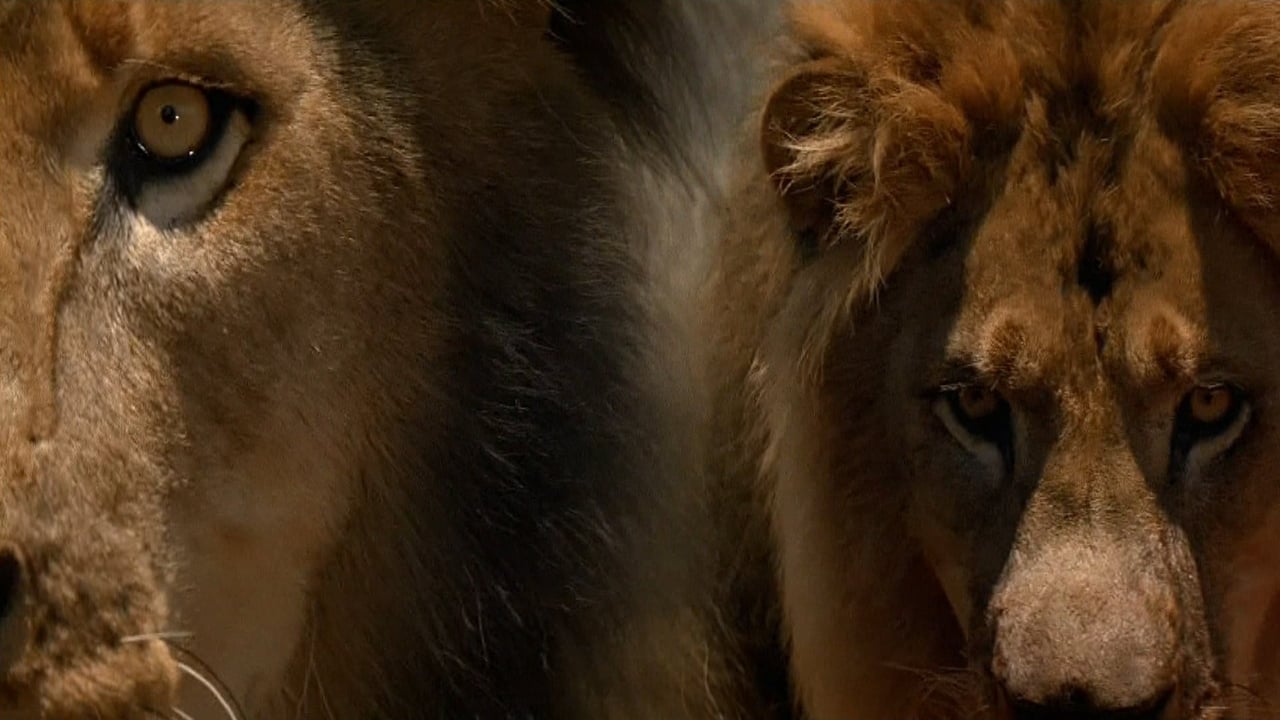
Based on the harrowing true story of the Tsavo man-eaters, the film drops us into the ambitious project of Lt. Col. John Henry Patterson (Val Kilmer), a British engineer tasked with building a railway bridge over the Tsavo River in Kenya. He arrives full of Victorian confidence, eager to complete the vital link for the British Empire on schedule. Kilmer, known for intense roles like Doc Holliday in Tombstone (1993), effectively portrays Patterson’s initial assuredness gradually dissolving into gnawing anxiety and sheer terror. We see the weight of responsibility crushing him as his workers, primarily Indian and African laborers, fall prey to a pair of exceptionally large, cunning, and seemingly fearless lions. The attacks aren't just predatory; they feel personal, almost strategic, shattering morale and grinding the project to a halt.
The true story itself is gripping, documented in Patterson's own book, The Man-Eaters of Tsavo. Legendary screenwriter William Goldman (Butch Cassidy and the Sundance Kid, All the President's Men), who won an Oscar for this script, was reportedly obsessed with the tale for years. He saw in it a perfect structure: the lone hero facing an impossible, almost supernatural threat. Interestingly, while Patterson was very real, the character of Charles Remington was largely Goldman’s invention, crafted to bring in a star of Michael Douglas’s caliber and create a classic pairing of contrasting personalities.
The Hunter and the Engineer
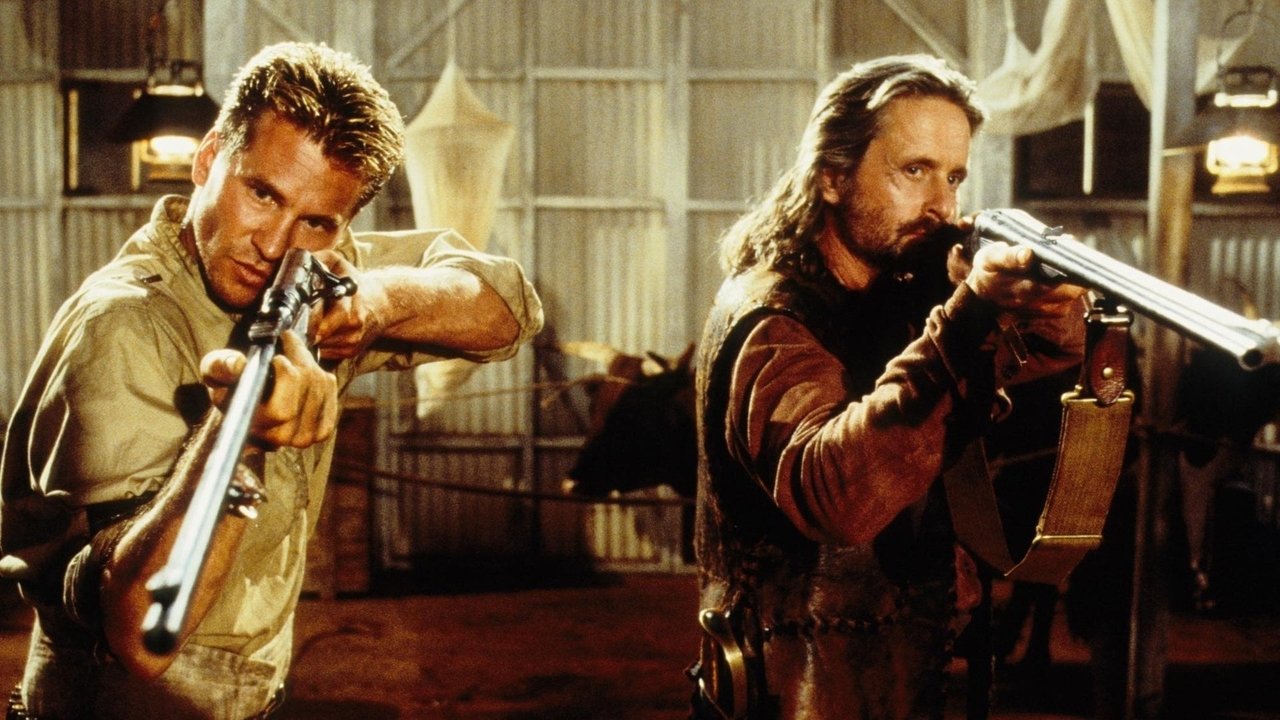
Douglas, fresh off provocative thrillers like Basic Instinct (1992), strides into the film as Remington, the legendary American big game hunter. He’s all swagger and folksy wisdom, a stark contrast to Kilmer’s increasingly frayed engineer. Their dynamic forms the film's core: the pragmatic builder forced to rely on the almost mythical prowess of the hunter. Douglas clearly relishes the role, bringing a charisma that energizes the screen, though some might argue the character occasionally veers into archetype. Yet, their partnership under duress feels authentic; you believe their shared desperation and grudging respect as the body count climbs relentlessly. Kilmer reportedly stepped into the Patterson role relatively late in pre-production, adding another layer to the sometimes-challenging circumstances often surrounding big-budget location shoots like this one, filmed primarily in South Africa.
Director Stephen Hopkins, who had previously helmed genre fare like Predator 2 (1990) and A Nightmare on Elm Street 5: The Dream Child (1989), brings a surprising sense of scale and dread to the proceedings. He doesn't shy away from the brutality of the attacks, staging them with a visceral intensity that likely stuck with many viewers long after the credits rolled on their CRT screens. The famous hospital scene, a terrifying siege, is a masterclass in tension building. Hopkins uses the vast, beautiful, yet unforgiving landscape – captured stunningly by veteran cinematographer Vilmos Zsigmond – to emphasize the isolation and the encroaching terror. The score by the legendary Jerry Goldsmith further amplifies the mood, shifting between majestic sweeps and jarring, percussive dread.
Fact, Fiction, and Ferocity
Of course, cinematic license is taken. The real Tsavo lions lacked manes (a detail the film acknowledges briefly) and while certainly ferocious, their almost demonic intelligence is heightened for dramatic effect. Remington, as mentioned, is largely fictionalized. Yet, these changes serve Goldman's narrative purpose, transforming a historical account into a gripping man-versus-nature horror film disguised as an adventure epic. The film cleverly taps into that deep-seated fear of the dark, of the unseen predator, of nature turning monstrously against human intrusion.
It's worth noting the film's production wasn't without its own challenges, facing harsh weather and logistical hurdles filming on location. Achieving the lion attack scenes required a careful blend of trained animals, animatronics (reportedly quite sophisticated for the time), and skillful editing. Watching it now, some of the effects might show their age, but the sheer impact of those sequences often relied more on suggestion, sound design, and the actors' terrified reactions than explicit gore – a technique many modern films could learn from. The budget was a hefty $55 million back in '96, and while it turned a profit with around $75 million worldwide, it wasn't the runaway blockbuster some might have expected given the stars involved.
The Unseen Weight
Beyond the central duo, John Kani delivers a crucial performance as Samuel, Patterson’s Kenyan liaison. He provides the film’s narrative voiceover and represents the wisdom and resilience of the local people, those who understand the land and its dangers far better than the colonizers imposing their will upon it. Kani brings a quiet dignity and gravity that anchors the story, reminding us of the human cost often overlooked in grand imperial projects. His presence subtly underscores themes of colonialism and cultural clash simmering beneath the surface of the main conflict.
What lingers most after revisiting The Ghost and the Darkness? It’s that chilling sense of facing something ancient and implacable. The film effectively captures the feeling of being stalked, of reason giving way to primal fear. Does it perfectly replicate the true story? No, but it uses that incredible foundation to craft a genuinely tense and atmospheric thriller. It taps into that late-90s appetite for large-scale adventure but delivers something darker, more unsettling than expected. Renting this one from Blockbuster back in the day often meant settling in for what looked like a straightforward period action film, only to find yourself gripping the armrests, unnerved by the lions' almost spectral presence.
Rating: 8/10
This score reflects a genuinely thrilling and atmospheric film that succeeds admirably in building tension and delivering visceral scares, anchored by strong lead performances and impressive location work. While the fictionalization of Remington might detract slightly for purists, and it occasionally leans into Hollywood convention, its core story, drawn from incredible real-life events, remains potent. It expertly blends adventure, historical drama, and creature-feature horror into a memorable package that still holds up as a gripping piece of 90s cinema.
The Ghost and the Darkness remains a powerful reminder that sometimes, the most terrifying monsters aren't conjured from fantasy, but walk the earth on padded paws, leaving behind only silence and fear. What does it say about us, that we are both builders of bridges and hunters of shadows?