Alright fellow tape travelers, let’s warp back to 1989. Picture this: Star Trek IV: The Voyage Home had been a smash hit, bringing the crew to contemporary (well, 80s contemporary) San Francisco with humor and heart. The appetite for more Enterprise adventures was huge. Then came the whispers, the posters, the trailer promising the ultimate journey… to find God? Star Trek V: The Final Frontier landed in theaters and eventually on our VCRs, directed by none other than Captain Kirk himself, William Shatner. It was ambitious, it was bold, and boy, was it a bumpy ride.
### Boldly Going Where…?
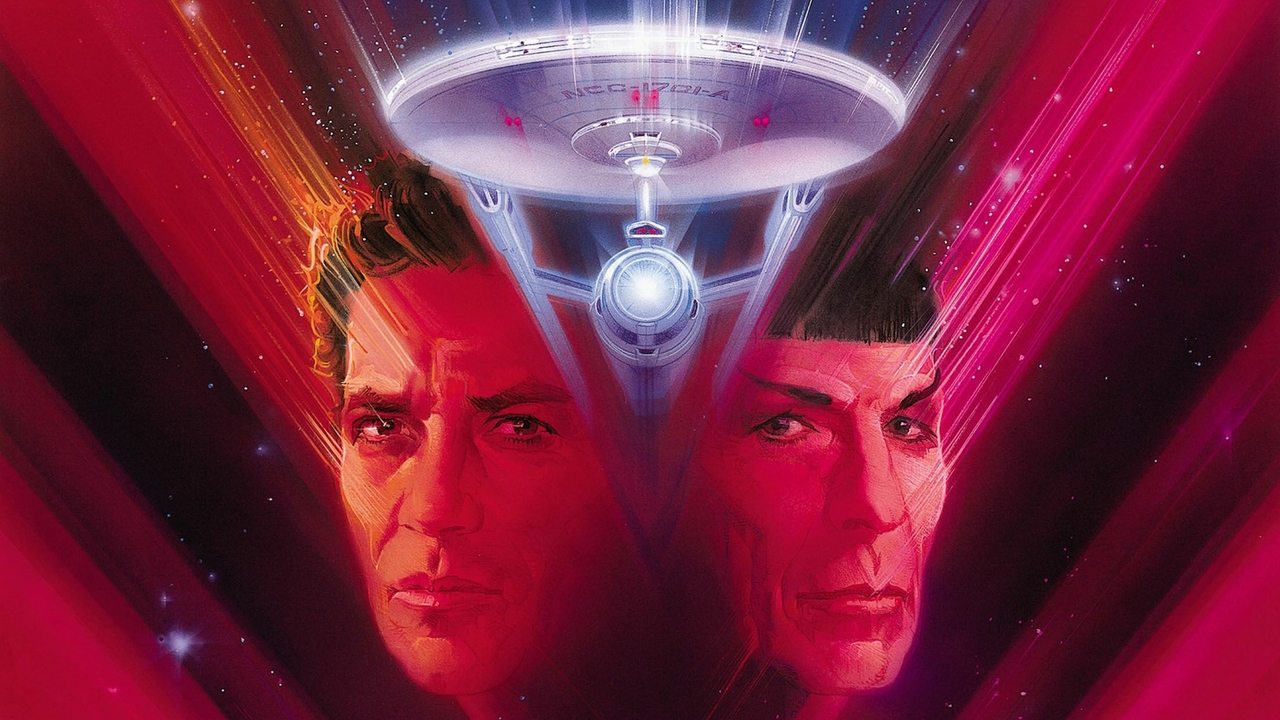
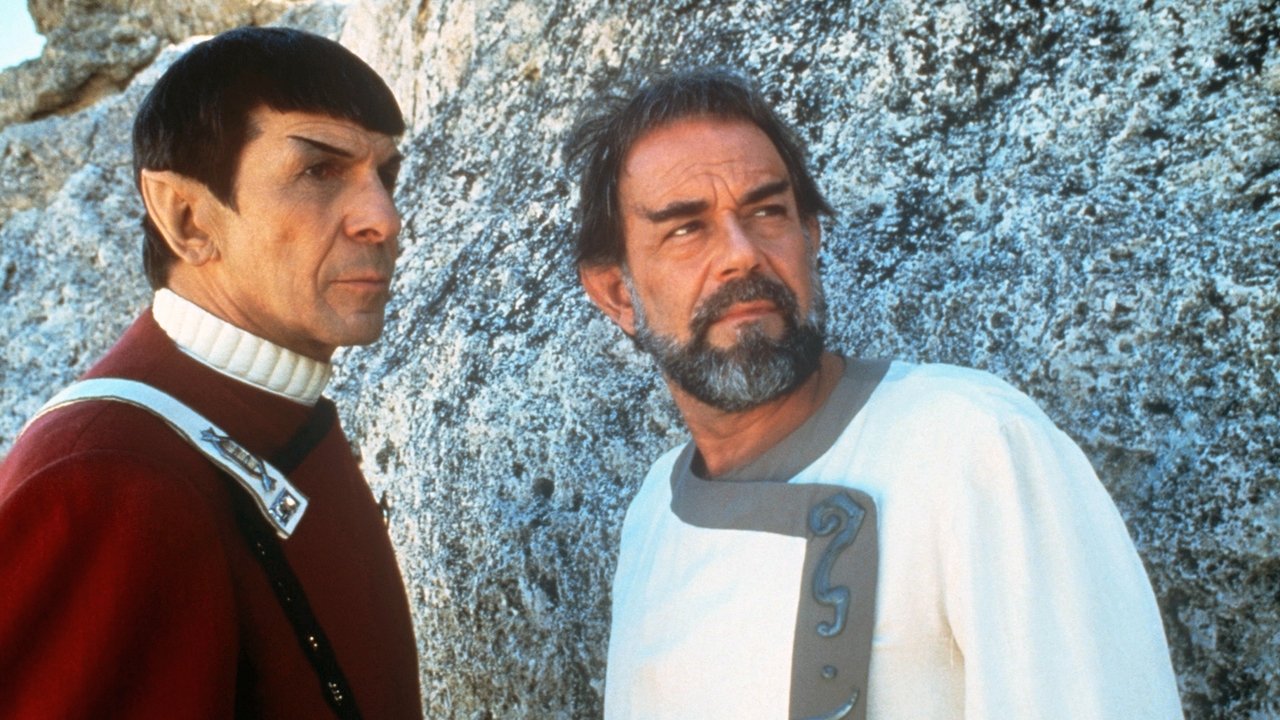
The premise alone is pure, uncut Star Trek grandeur: a renegade Vulcan, Sybok (Laurence Luckinbill), hijacks the newly christened (and notoriously buggy) Enterprise-A on a messianic quest to pierce the Great Barrier at the center of the galaxy and confront the Almighty. It’s the kind of philosophical deep-dive the original series sometimes hinted at, blown up to cinematic scale. Shatner, pulling double duty as director and star, clearly had a vision, co-writing the story with producer Harve Bennett (a veteran of the Trek movie revival) and David Loughery. The idea of exploring faith, pain, and belief through the established Trek lens is fascinating. On paper, it sounds epic.
### Campfire Confessions and Production Pains
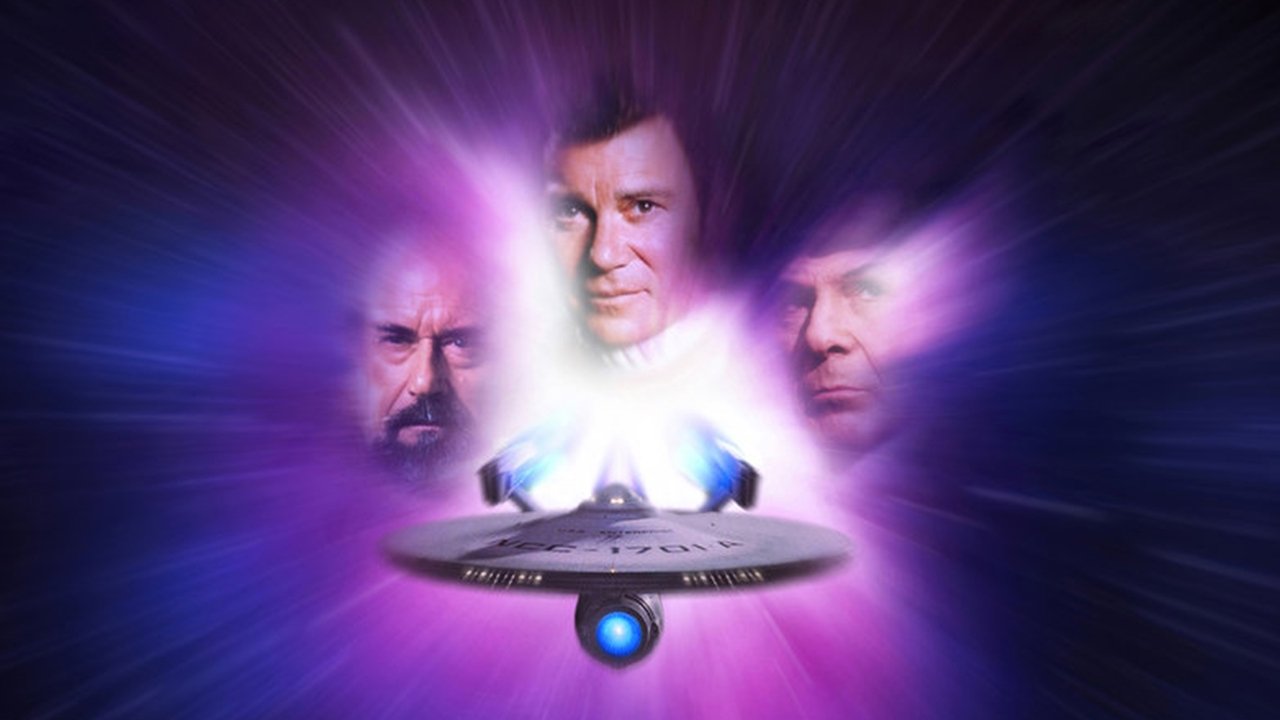
Where The Final Frontier truly shines, paradoxically, is in its smaller moments. The opening sequence, with Kirk, Spock (Leonard Nimoy), and McCoy (DeForest Kelley) camping in Yosemite National Park, feels wonderfully authentic. Their camaraderie, the gentle ribbing, McCoy’s exasperation, Spock attempting campfire songs… these scenes capture the heart of Star Trek better than almost anything else in the film. It’s a reminder of why we love this crew – the chemistry between Shatner, Nimoy, and the ever-perfect Kelley is undeniable, honed over decades. I remember watching these scenes as a kid, thinking how cool it would be to just hang out with these guys under the stars (marshmallows optional, logic mandatory).
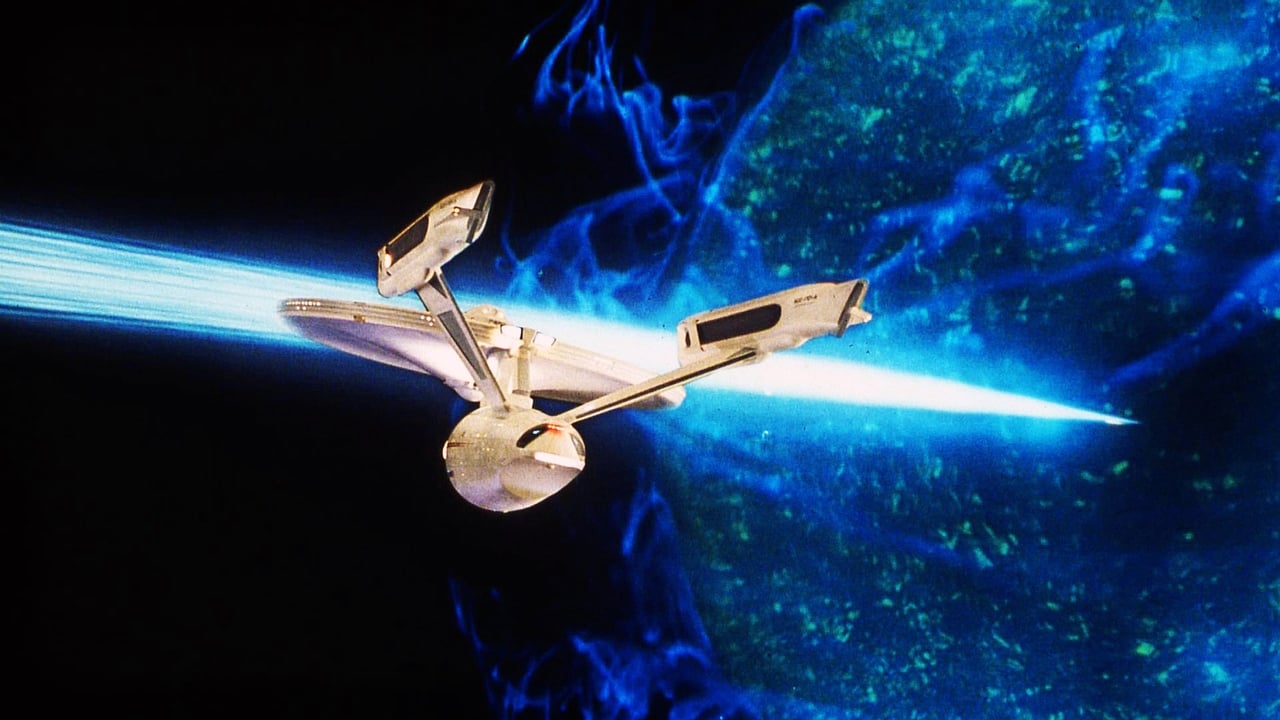
Unfortunately, the grand vision often collided with earthly realities. Shatner’s directorial debut on a Trek feature was reportedly fraught with challenges. Paramount Pictures, perhaps nervous after the quirky success of Trek IV, is said to have interfered, demanding more action and humor. The budget, around $33 million, wasn't insignificant for the time, but proved insufficient for the cosmic scale Shatner envisioned. This was most apparent in the visual effects. Industrial Light & Magic (ILM), the wizards behind the previous films' stunning visuals, were largely unavailable (reportedly busy with Indiana Jones and the Last Crusade and Ghostbusters II that same year). The task fell to Bran Ferren’s Associates, and while they did their best, the effects often look… well, less than stellar, especially compared to its predecessors. The climactic confrontation at the "God" planet Sha Ka Ree feels particularly hampered by these limitations. Famously, Shatner’s original ending involved Kirk battling rock monsters, an idea scrapped due to budget and technical hurdles, leaving the finale feeling somewhat abrupt and conceptually muddled.
### Retro Fun Facts: Behind the Barrier
- The film’s working title was simply Star Trek V. The "Final Frontier" subtitle was added later, perhaps to amp up the epic feel.
- Yosemite wasn't just a backdrop; the crew actually filmed on location, dealing with weather and logistical challenges. Remember Kirk's terrifying free-solo climb? Shatner reportedly did some of the less dangerous climbing shots himself, though stunt doubles handled the truly perilous bits.
- The composer Jerry Goldsmith, who crafted the iconic score for Star Trek: The Motion Picture (and later First Contact, Insurrection, and Nemesis), returned to score The Final Frontier. His rousing themes are often cited as one of the film's strongest elements.
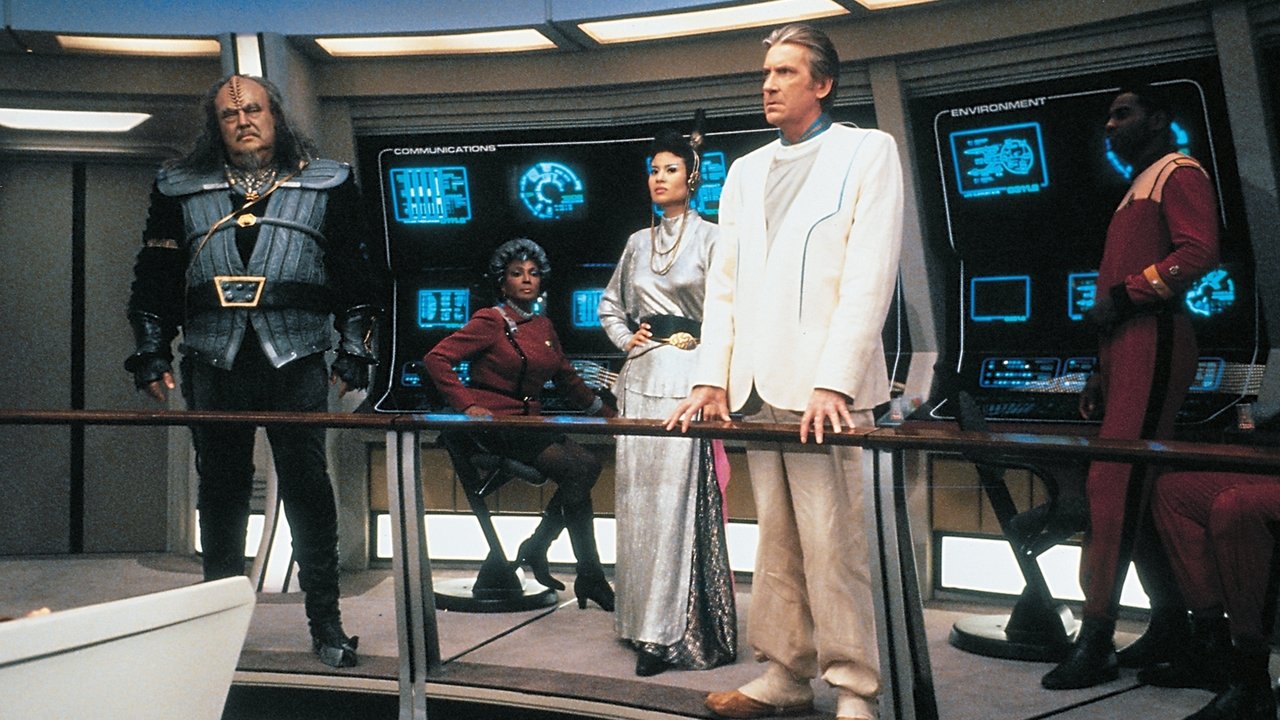
- Despite the studio's push for humor, some jokes land with a thud. Uhura's fan dance to distract guards on Nimbus III is often singled out as particularly awkward. Still, you have to admire Nichelle Nichols giving it her all.
- Critical reception was harsh, and the box office disappointing. It grossed about $63 million worldwide, a significant drop from The Voyage Home's $133 million haul. It remains one of the lowest-grossing Trek films, currently sitting at a chilly 21% on Rotten Tomatoes and around 5.5/10 on IMDb.
### Uneven Orbit, Enduring Crew
Watching The Final Frontier today is a strange experience. It lurches between tones – profound philosophical questions one minute, goofy slapstick the next ("Get the hell out of here!" Kirk yells at Scotty while trying to communicate with ‘God’). Sybok, while played with conviction by Luckinbill, never quite convinces as a truly compelling antagonist; his mind-meld therapy sessions revealing our heroes' pain feel more like plot devices than organic character moments. And yes, that infamous "Row, Row, Row Your Boat" scene around the campfire… it certainly exists.
Yet, there’s an undeniable earnestness to it. Shatner swung for the fences, tackling huge themes with his beloved characters. It doesn’t always connect, and parts of it feel undeniably dated or just plain weird, but the core trio remains magnetic. Their interactions are the anchor, the reason many fans (myself included) can still find enjoyment here, even amidst the flaws. It’s like finding that slightly warped, well-loved VHS tape at the back of the shelf – you know its imperfections, but the memories attached keep you hitting ‘play’. We didn’t quite reach God, but we got some quality time with Kirk, Spock, and McCoy, and sometimes, that’s enough.
VHS Heaven Rating: 4/10
Justification: While the core concept is ambitious and the central trio's chemistry remains a highlight (especially the Yosemite scenes), Star Trek V is hampered by an uneven script, jarring tonal shifts, underwhelming special effects due to production constraints, and a weak climax. William Shatner's direction shows passion but lacks polish, and the execution fails to live up to the grand philosophical premise. The memorable score by Jerry Goldsmith and the heartfelt performances of Shatner, Nimoy, and Kelley prevent it from being a total disaster, but it stands as a significant step down from the films surrounding it. It earns points for sheer audacity and those character moments, but the overall journey is flawed.
Final Thought: It wasn't the final frontier we hoped for, maybe more of a strange detour, but even a flawed Trek adventure with this crew offers a unique kind of nostalgic comfort food – just maybe chase it with a viewing of Wrath of Khan.