The glow of the cathode ray tube barely illuminated the room, reflecting off the worn plastic clamshell case. Inside, the magnetic tape held images of a future Detroit so corroded, so utterly consumed by decay, that it felt less like science fiction and more like a prophecy whispered in the dead of night. 1990's RoboCop 2 wasn't just a sequel; it was a descent, a frantic, hyper-violent plunge into the abyss that the original film only peered into. Forget the slick satire of its predecessor; this was something meaner, dirtier, fueled by urban blight and designer drugs.

Future Squalor
Picking up where Paul Verhoeven's 1987 original left off, Delta City is somehow worse. Omni Consumer Products (OCP) tightens its grip, the police force is on strike, and a new narcotic, Nuke, floods the streets courtesy of the messianic, chillingly calm cult leader Cain (Tom Noonan, unforgettable). The air itself feels thick with desperation. Director Irvin Kershner, handed the reins after his triumphant work on The Empire Strikes Back (1980), wasn't aiming for the same blend of social commentary and explosive action. Instead, he steered directly into the skid, amplifying the grime and the nihilism. It felt different, harsher. I remember renting this tape, expecting more of the same, and being sideswiped by its sheer ferocity.
The Ghost in the Machine Gets Ugly
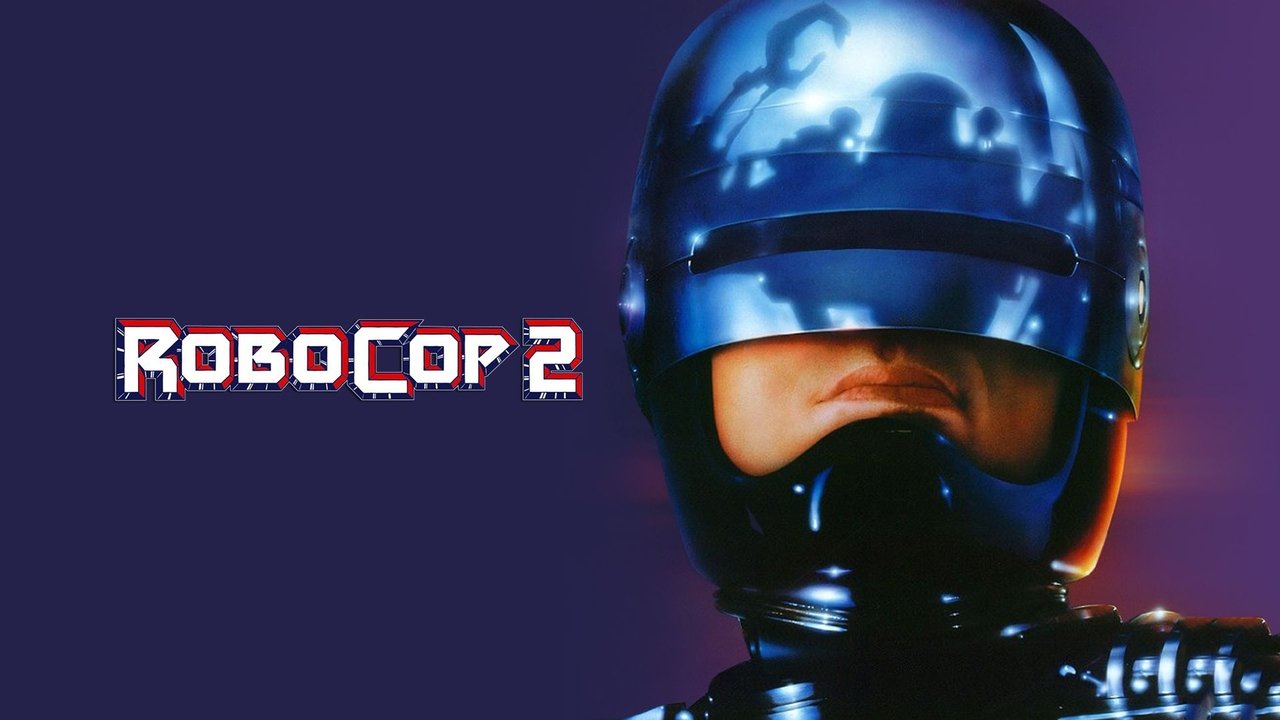
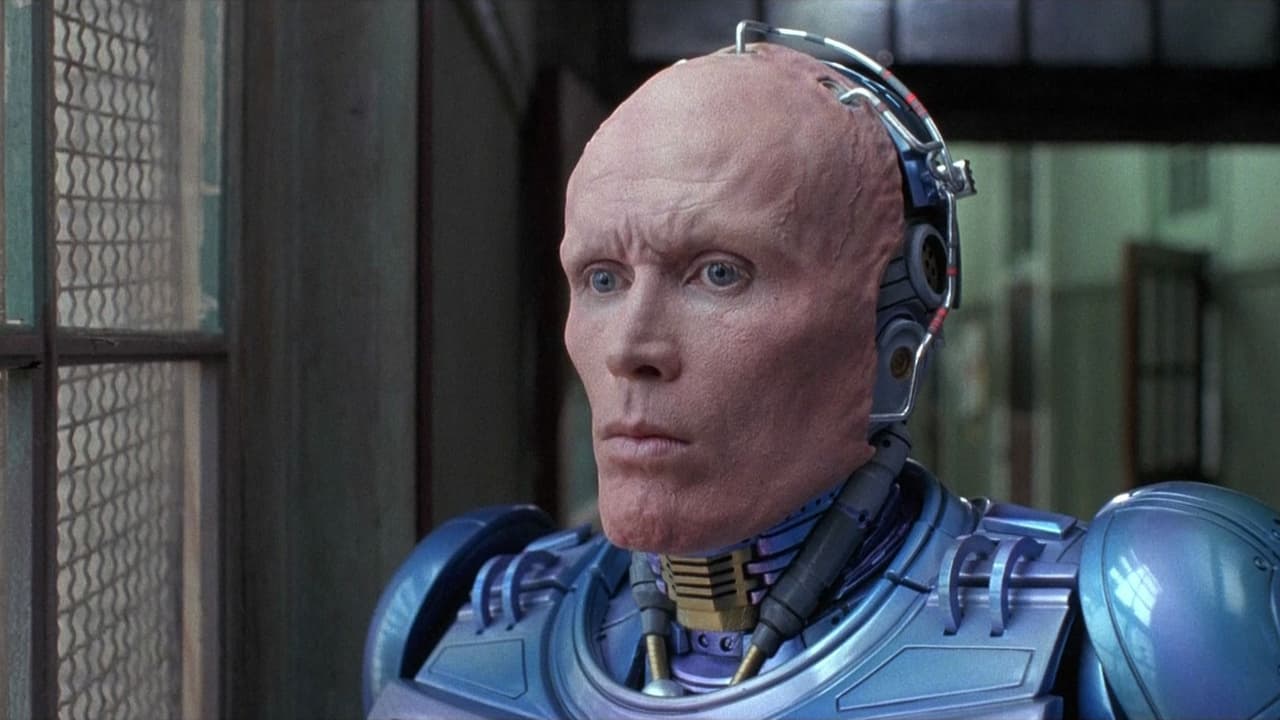
While Peter Weller returns as the titular cyborg, embodying Murphy's tormented soul trapped in metal, the focus shifts. OCP, still desperately trying to create a marketable urban pacification unit (and secure that lucrative Delta City contract), churns out failed RoboCop prototypes. That scene... that scene where the failed candidates, mangled fusions of man and machine, are revealed, culminating in a horrifyingly bleak mass suicide? It’s pure nightmare fuel, a moment of Cronenbergian body horror that felt profoundly disturbing on a flickering CRT screen late at night. It perfectly encapsulates the film's darker soul – progress is agony, and corporate ambition creates only monsters.
Miller's Mean Streets
The script carries the fingerprints of comics legend Frank Miller (The Dark Knight Returns, Sin City), albeit filtered through co-writer Walon Green (The Wild Bunch) and studio interference. Miller's original draft is the stuff of dark legend – reportedly far more extreme, satirical, and borderline unfilmable. While heavily rewritten (leading to Miller’s public dissatisfaction and eventual disowning of the final product, though he still gets story and co-writer credit), his cynical worldview permeates the final film. The savage violence, the corrupt institutions, the almost cartoonishly evil OCP executives (including the returning Dan O'Herlihy as The Old Man), and especially the character of Hob (Gabriel Damon), the foul-mouthed, murderous pre-teen drug lord – it all feels ripped from the darkest corners of Miller's imagination. Did Hob's brutal pragmatism genuinely shock you back then? It certainly felt like a line had been crossed, even in an era pushing cinematic boundaries.
Stop-Motion Mayhem and Practical Pain
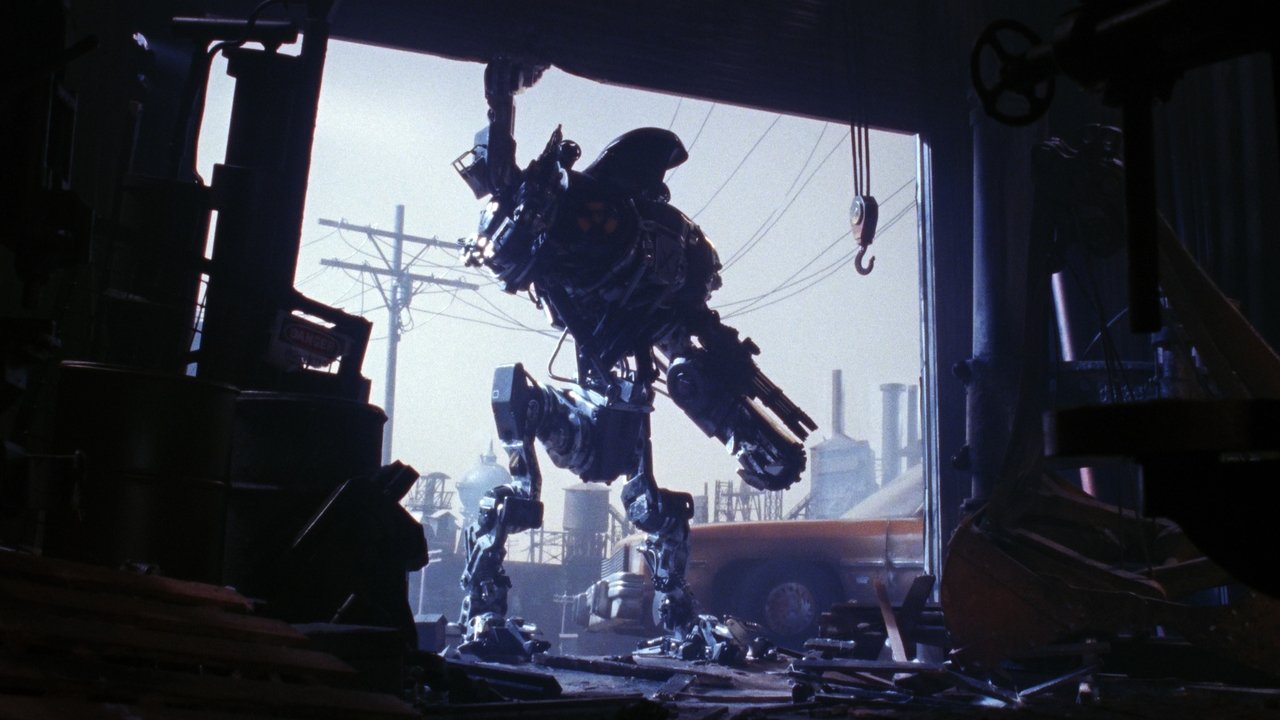
Where the film truly shines, and why it remains etched in the memory banks of many VHS warriors, is its commitment to visceral, often grotesque, spectacle. Cain's transformation into the monstrous RoboCop 2 unit is a masterpiece of practical effects and stop-motion animation, courtesy of the legendary Phil Tippett (whose work graced Star Wars and Jurassic Park). The final battle between RoboCop and his hulking, drug-addicted successor is a glorious symphony of destruction – clanging metal, shattered concrete, and that signature, jerky-yet-menacing stop-motion gait. It’s a raw, tactile kind of chaos that CGI rarely replicates. The film reportedly battled the MPAA intensely over its graphic content, and watching it again, it's easy to see why. It pulls few punches, depicting violence with a bluntness that could feel overwhelming. The budget, around $35 million (a significant jump from the original's $13 million), is clearly visible on screen, even if the box office return of roughly $45 million wasn't the blockbuster OCP... err, Orion Pictures... might have hoped for.
Divided Loyalties
Nancy Allen returns as Lewis, serving as Murphy's loyal partner and one of the few remaining glimmers of humanity amidst the wreckage. Her role feels somewhat diminished compared to the first film, sidelined by the escalating conflict between RoboCop, Cain, and OCP's machinations. Weller, however, remains compelling, conveying Murphy's weariness and simmering conflict beneath the impassive visor. He famously found the suit even more uncomfortable this time around, a physical ordeal mirroring the character's psychological burden.
It's undeniable that RoboCop 2 lacks the surgical precision and sharp wit of its predecessor. The satire often feels blunt, drowned out by the relentless barrage of violence and cynicism. Some plot threads feel underdeveloped, and the tone can be jarringly uneven. It’s a messy, angry film, less a cohesive statement and more a primal scream from a decaying metropolis.
Verdict: Corroded Classic or Failed Prototype?
RoboCop 2 is the cinematic equivalent of industrial noise music – abrasive, chaotic, and not for everyone. It trades the original's cleverness for brute force, resulting in a sequel that’s both fascinating and frustrating. It’s darker, meaner, and arguably bleaker than almost any mainstream sci-fi action film of its time. Yet, its unflinching commitment to its grim vision, the unforgettable villain design, the stunning practical effects showcase, and that pervasive sense of dystopian dread make it a potent, if flawed, artifact of the VHS era. It’s a film that sticks with you, like the grime under your fingernails after digging through a crate of forgotten tapes.
Rating: 6/10 - The score reflects a film hampered by a troubled script and an overly cynical tone that muddles the satire, falling significantly short of the original's brilliance. However, its brutal action, unforgettable practical effects (especially the nightmarish RoboCain), and Tom Noonan's chilling performance earn it points as a dark, memorable, and unapologetically nasty piece of early 90s sci-fi exploitation that definitely left its mark.
It may not be prime directive viewing like the original, but for fans craving a dose of unfiltered, Reagan-era-hangover nihilism wrapped in explosive cyborg carnage, RoboCop 2 still delivers a uniquely grim satisfaction. Just don't expect to feel good about it afterwards.