Okay, settle in. Turn down the lights. Remember those tapes you’d find tucked away in the “World Cinema” or, let's be honest, sometimes just the unmarked horror section of the video store? The ones with grainy cover art promising something… different? Takashi Miike’s Audition (1999, though many of us caught it right at the turn of the millennium) feels exactly like discovering one of those forbidden jewels. It starts with such disarming quiet, a portrait of grief and loneliness, that you almost forget the whispers you heard about it, the legends of festival walkouts and viewers needing medical attention. Almost.
The Long, Slow Search
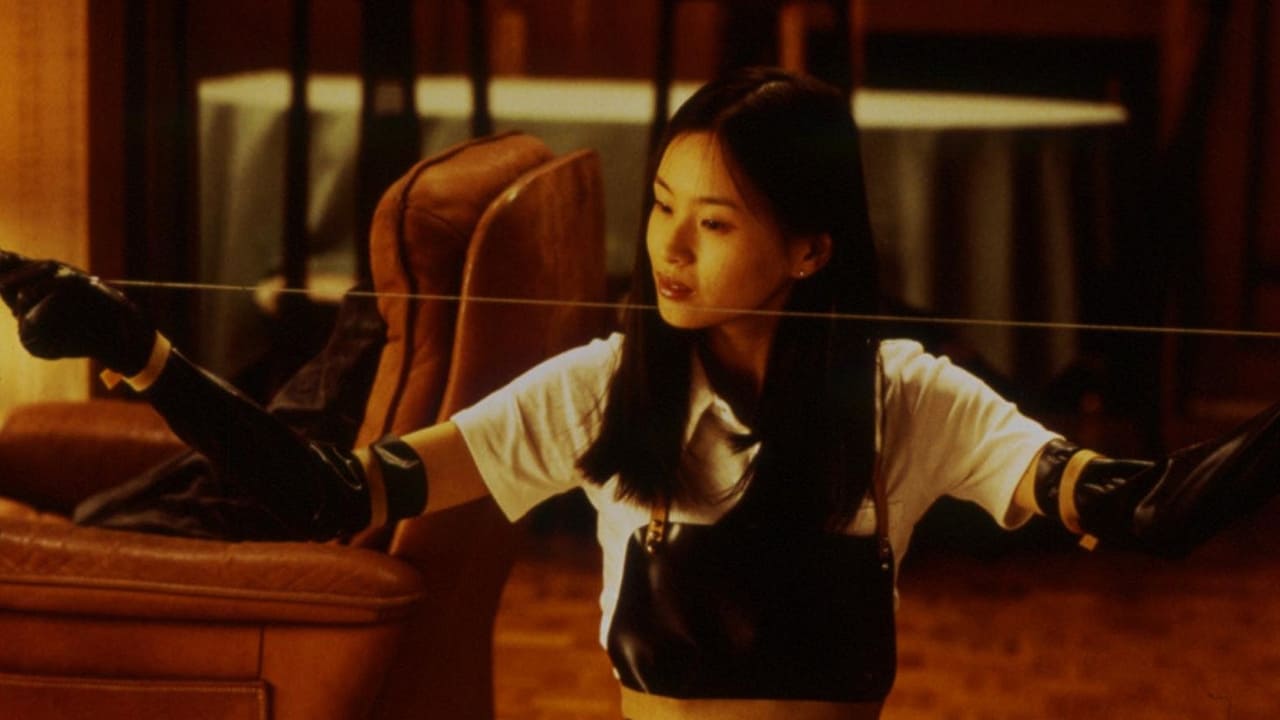
The setup is deceptively simple, almost gentle. Shigeharu Aoyama (Ryo Ishibashi, bringing a weary gravity), a middle-aged widower running a film production company, is encouraged by his son to find a new wife seven years after his loss. His producer friend Yasuhisa Yoshikawa (Jun Kunimura) hatches a plan both cynical and, in its own weird way, practical: stage a fake film audition to screen potential partners. It’s here Aoyama becomes instantly captivated by the resume of Asami Yamazaki (Eihi Shiina), a former ballerina whose quiet demeanor and seemingly tragic past strike a deep chord. The initial dates are tentative, almost sweet, steeped in melancholy and the awkward hope of connection. Miike films these early scenes with a patience that borders on the languid, letting the silence and Ishibashi’s subtle performance draw you into Aoyama’s quiet desperation.
Whispers in the Background
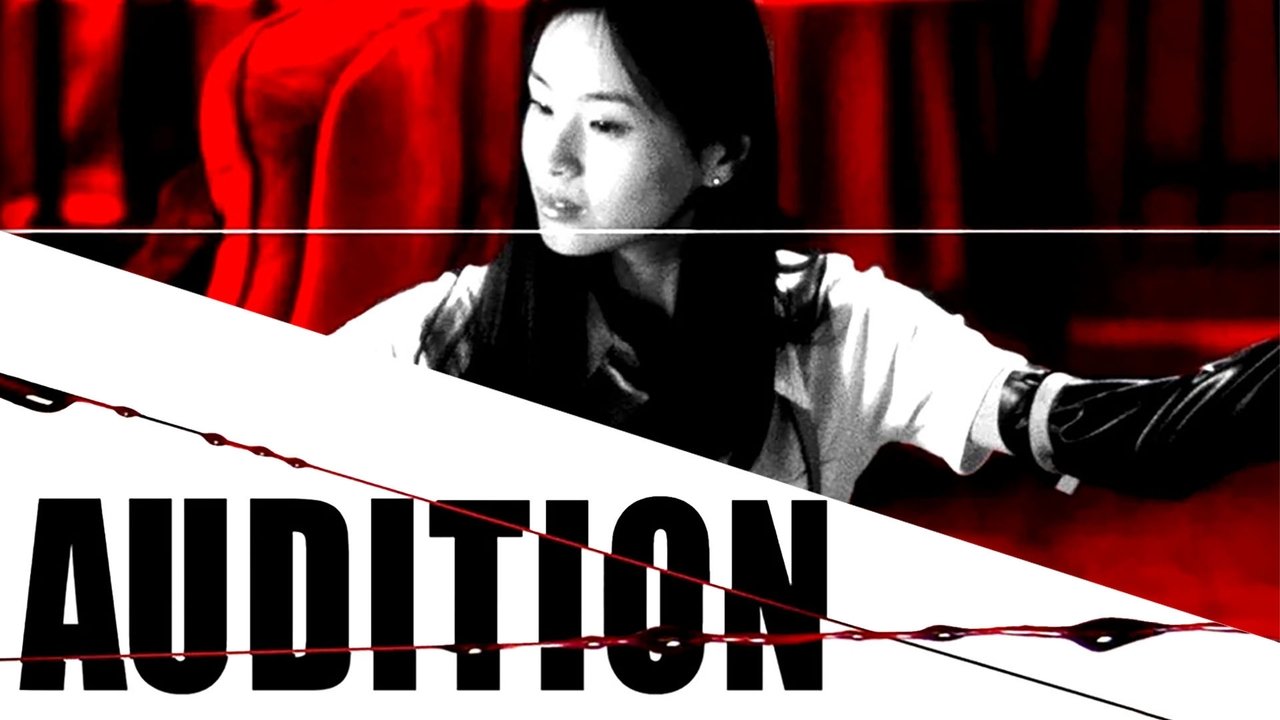
Even as Aoyama falls deeper, warning signs flicker at the edges of the frame, like static on an old CRT. Yoshikawa’s attempts to check Asami’s references lead to dead ends and unsettling hints: a missing music producer, a bar owner seemingly terrified into silence. Asami herself remains an enigma, her apartment unnervingly sparse save for a prominent telephone and... a large burlap sack. It’s a detail so bizarre, so out of place in the film’s initial realism, that it plants a seed of profound unease. What is in that sack? The film forces you to hold that question, letting the dread build slowly, layer by excruciating layer. This slow-burn approach is key; Audition doesn’t rely on jump scares. It cultivates a pervasive atmosphere of wrongness. The score often emphasizes silence or unsettling ambient sounds, making the eventual sharp notes – both literal and metaphorical – land with brutal force.
The Unforgettable Asami
Let's talk about Eihi Shiina. A former model with relatively little acting experience before this, her portrayal of Asami is nothing short of iconic, a chilling masterclass in stillness and sudden, terrifying intensity. Her placid surface hides depths that are gradually, horrifyingly revealed. There’s a fascinating behind-the-scenes anecdote that Shiina, seeking to understand Asami's detachment and capacity for inflicting pain, actually ate the simulated vomit during the infamous torture sequence to maintain the scene's disturbing realism. That level of commitment bleeds onto the screen. Her soft-spoken delivery of lines like "Kiri kiri kiri..." (deeper, deeper, deeper...) becomes an unforgettable audio nightmare. Is Asami a simple monster, or a fractured soul shaped by profound trauma? The film, adapted from the novel by Ryu Murakami, leaves ambiguities that linger long after the credits roll. Doesn't that ambiguity make her even more terrifying?

The Turn (Spoiler Alert! Okay, if you somehow haven't seen Audition yet, maybe skip this paragraph and trust us, the ending is... memorable. Proceed with caution!)
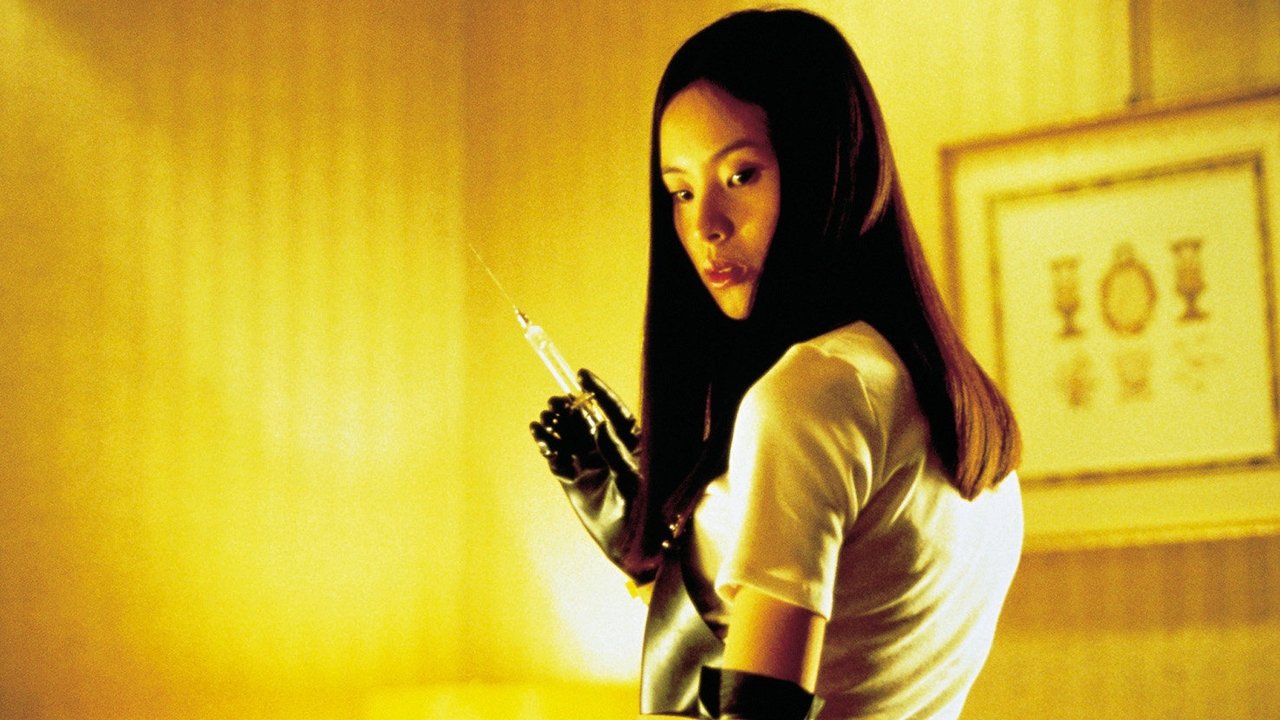
The final act is where Audition cements its notorious reputation. After Aoyama discovers the full, horrifying truth about Asami’s past and the contents of that sack, the film descends into a surreal, hallucinatory sequence of extreme psychological and physical torture. Miike, known for his prolific and often controversial output (he directed several films in the same year!), doesn't flinch. The infamous acupuncture scene is rendered with a clinical detachment that makes it almost unbearable to watch. The sound design here is crucial – the snick of needles, the scraping sounds – amplifying the horror far beyond mere visuals. It’s rumored Miike kept the set extremely calm during these sequences, enhancing the unsettling contrast between the horrific acts and the methodical way they are performed. This wasn't just shock value, though; it felt like a deliberate, nightmarish exploration of relationship dynamics, objectification, and the hidden pain beneath polite surfaces, pushed to an absolute extreme. Did that twist genuinely shock you back then, or had the whispers prepared you?
Legacy of Unease
Released amidst the burgeoning wave of J-horror hitting Western shores alongside films like Ringu (1998) and Ju-On: The Grudge (2002), Audition stood apart. It wasn't a ghost story; its horror felt disturbingly grounded, rooted in human psychology twisted into monstrous shapes. Its slow build and sudden explosion of violence influenced countless thrillers and horror films that followed. While its initial budget was relatively modest (estimated around $1.5 million USD), its impact was immense, becoming a must-see (or must-endure) cult classic passed around on imported DVDs and, yes, those trusty VHS tapes copied from a friend-of-a-friend. It solidified Takashi Miike's international reputation as a fearless provocateur.
***
VHS Heaven Rating: 9/10
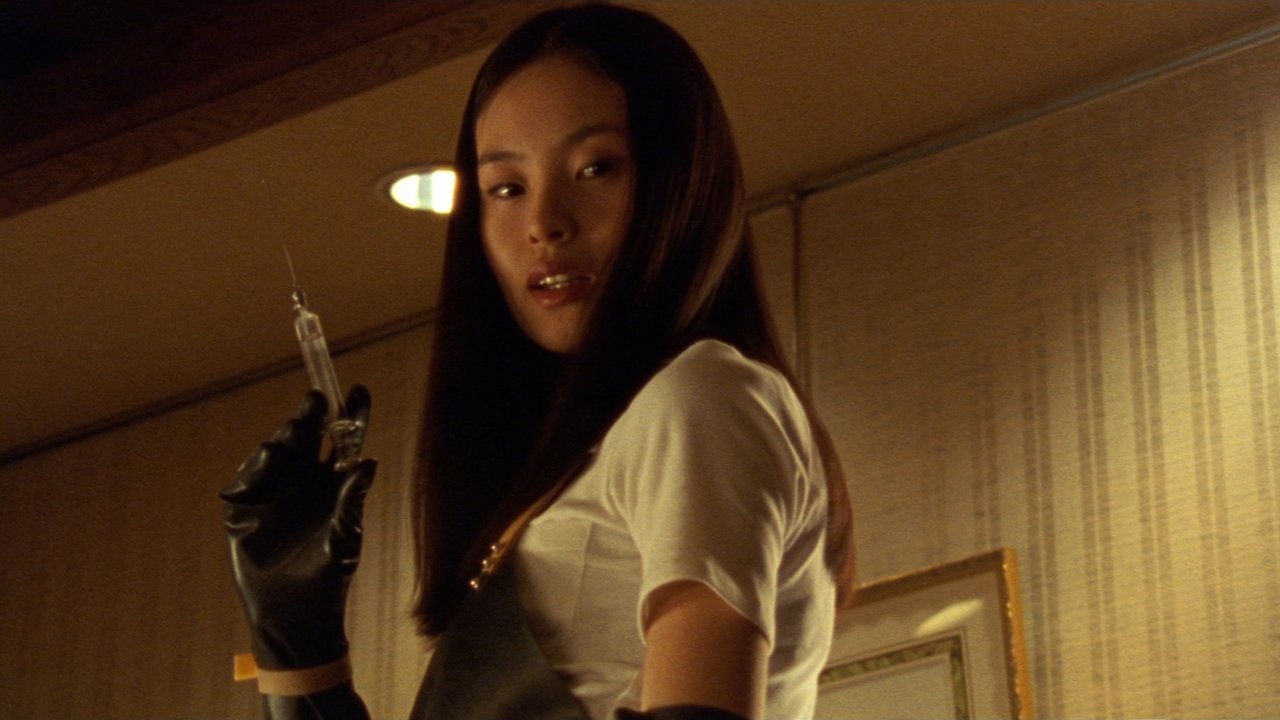
Audition earns this high score for its masterful control of tone, its unforgettable central performance, and its sheer, unadulterated nerve. It's a film that dares you to look away, burrowing into your subconscious with its chilling atmosphere and disturbing imagery. The slow pacing of the first hour is deliberate and essential, making the eventual payoff devastatingly effective. It loses a single point only because its extreme nature undeniably makes it a challenging, even repellent, watch for some viewers – it’s brilliant, but not universally accessible.
Final Thought: More than two decades later, Audition hasn't lost its power to shock and disturb. It remains a potent reminder of that late-night VHS discovery feeling – the thrill and terror of stumbling onto something truly transgressive, something that redefined the boundaries of cinematic horror right before our eyes. It’s a film that, once seen, is simply impossible to forget. Kiri kiri kiri... indeed.